Safe And Efficient Use Of Hydraulic Excavator Grabs
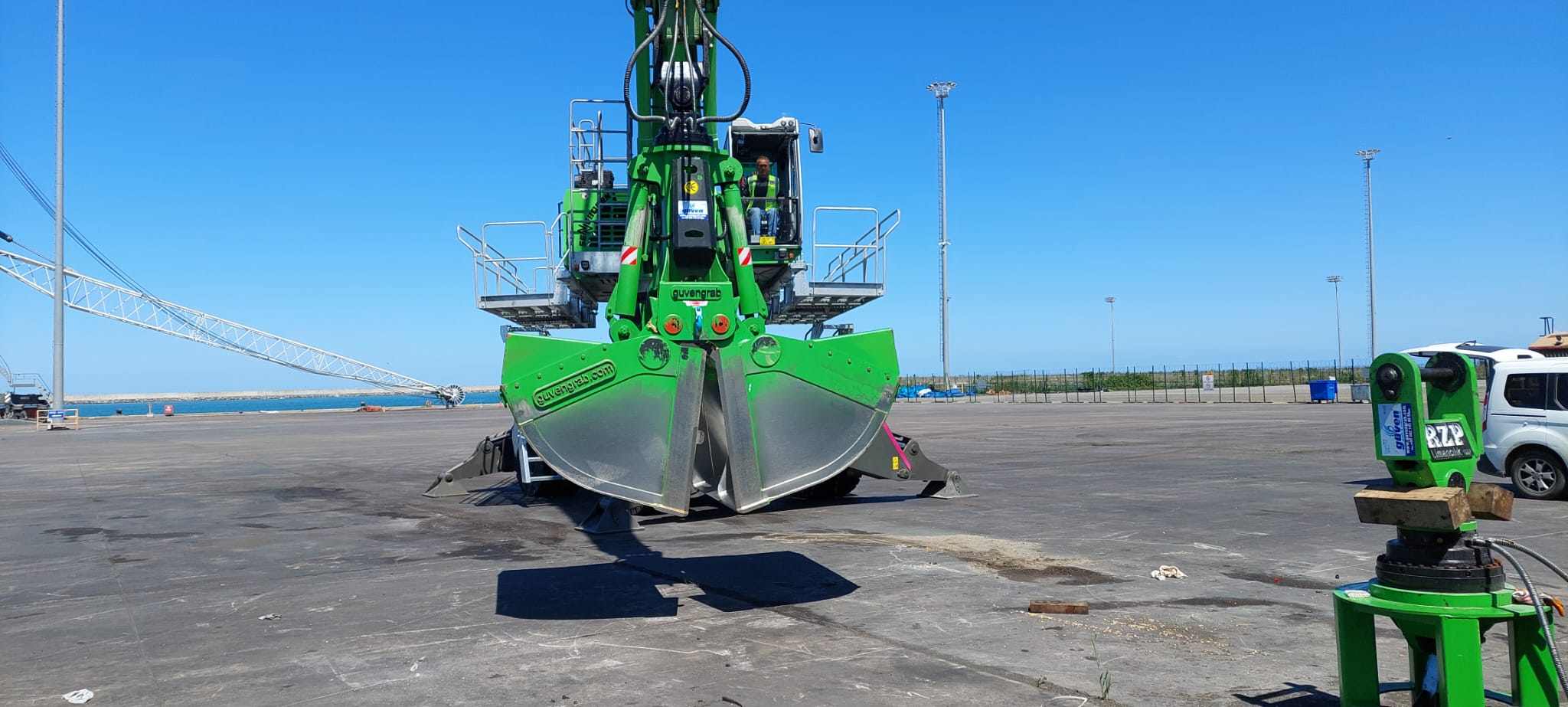
In industrial work, lifting performance can shape the pace of an entire operation. That’s why hydraulic excavator grabs are no longer seen as optional attachments. They’re often central to the job. Whether a team is unloading bulk cargo at a port, sorting scrap in a recycling yard, or moving aggregates on a construction site, the grab can decide whether the day runs smoothly or turns into a series of expensive delays.
But choosing the right equipment is only part of the story. The bigger question is this: how is the grab being used every day?
Safe grab bucket use is not just about avoiding accidents. It also affects productivity, maintenance costs, and equipment life. A well operated hydraulic grab can keep cycle times steady and performance predictable. Poor handling, on the other hand, can quickly lead to structural stress, hydraulic problems, and unplanned downtime.
For companies that handle high volumes of material, even small inefficiencies add up. A few seconds lost in each cycle may not sound serious. Multiply that by hundreds or thousands of cycles, and suddenly it becomes a real operational cost.
This material handling safety guide looks at practical ways to improve hydraulic grab operation, reduce risk, and increase hydraulic grapple efficiency. We’ll cover inspection routines, operating procedures, maintenance habits, and operator training. The aim is simple: help operators and technical managers keep their equipment working safely, consistently, and for as long as possible.
Before getting into operating techniques, it helps to understand where hydraulic grabs fit into modern material handling and why correct use matters so much.
Hydraulic Grabs And Their Role In Modern Material Handling
In many industrial operations, material handling efficiency has a direct effect on overall performance. Vessel discharge, recycling, construction, mining, and quarry work all depend on the same basic requirement: materials need to be moved safely, quickly, and predictably.
Hydraulic excavator grabs support that balance by combining mechanical strength with hydraulic control. They allow operators to handle large volumes of material while still keeping movement precise and controlled.
Unlike purely mechanical attachments, hydraulic grabs give operators more control over gripping force and movement speed. That control improves load stability, reduces material loss during handling, and helps the attachment respond better to different material types. When the grab is properly selected and correctly operated, it becomes far more than a lifting tool. It becomes one of the main drivers of productivity.
Understanding how these attachments work, where they are used, and what safety risks they carry gives teams a stronger foundation for improving both safety and hydraulic grapple efficiency.
What Is A Hydraulic Grab?
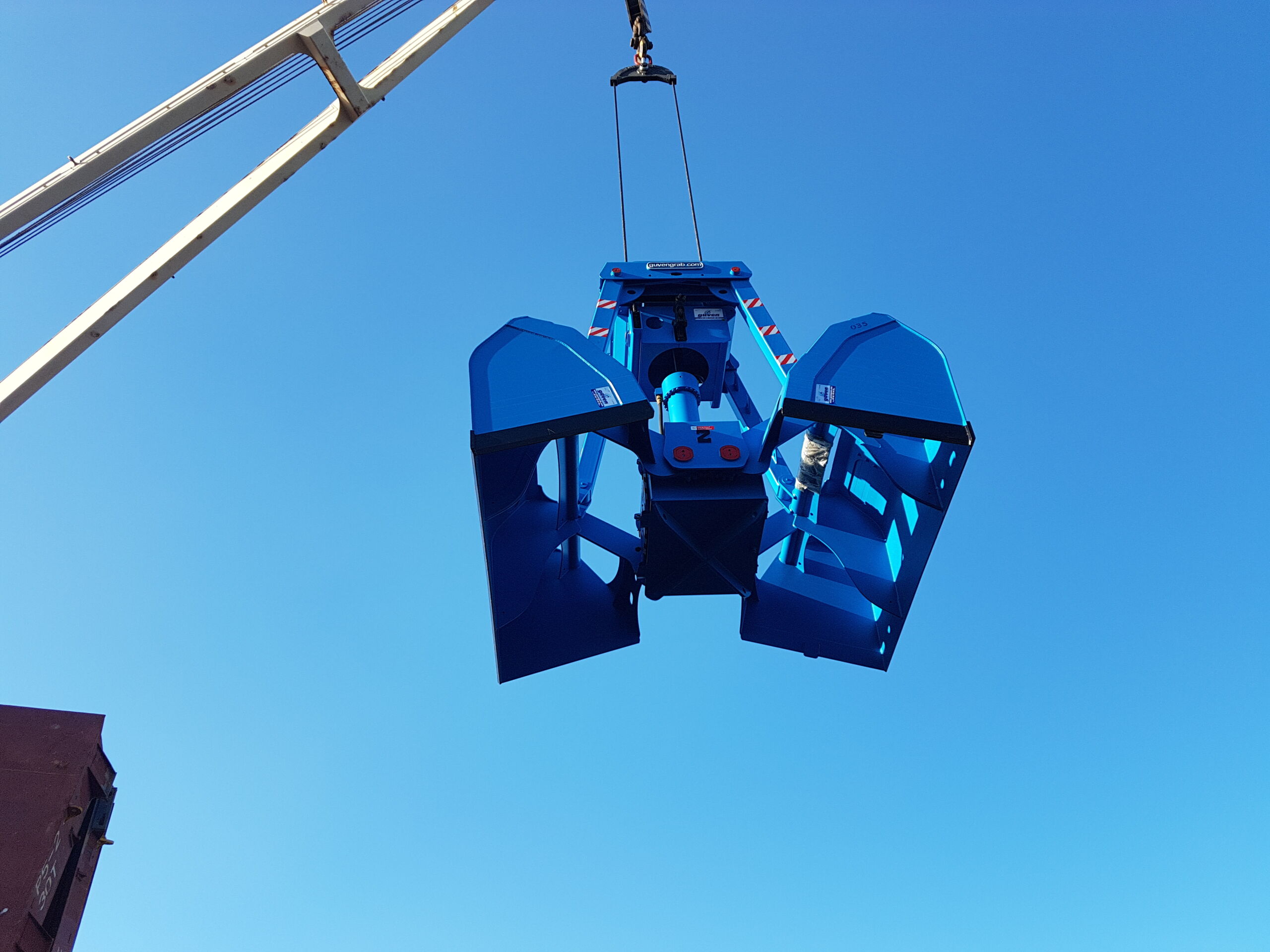
A hydraulic grab is a material handling attachment powered by hydraulic cylinders. These cylinders control the opening and closing movement of two or more shells. The shells are designed to enter material piles, secure the load, and release it in a controlled way.
Depending on the design, the grab may work through the excavator’s hydraulic lines or through an independent hydraulic power system built into the attachment.
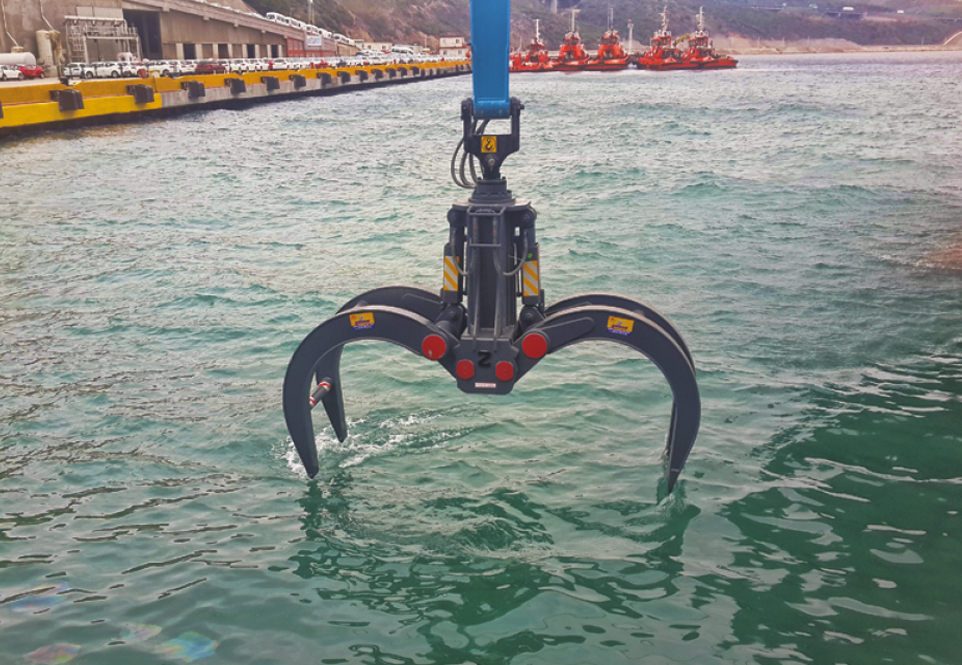
Two common types are hydraulic clamshell excavator grabs and hydraulic excavator orange peel grabs. Clamshell grabs are usually used for bulk materials such as sand, grain, fertilizer, and aggregates. Their enclosed shell design helps hold material during lifting. Orange peel grabs are more common in scrap handling and irregular material applications because their multi-tine design can grip uneven loads more securely.
The efficiency of hydraulic grab operation depends heavily on engineering quality. Shell geometry, cylinder protection, pin durability, and hydraulic sealing systems all affect reliability. Reinforced hinge points and wear-resistant materials, for example, can reduce structural fatigue. High-quality seals help maintain hydraulic pressure over long operating periods.
From an operational point of view, a hydraulic grab should not be treated as “just another attachment.” It is a precision tool. It needs to match the carrier machine, the material being handled, and the working environment. When those factors line up, operators can achieve more consistent load factors and more predictable cycle times.
Primary Applications And Industries
Hydraulic excavator grabs are used in many industries where bulk or irregular material handling is required. Their flexibility allows one base machine, such as an excavator or material handler, to perform different tasks with limited modification.
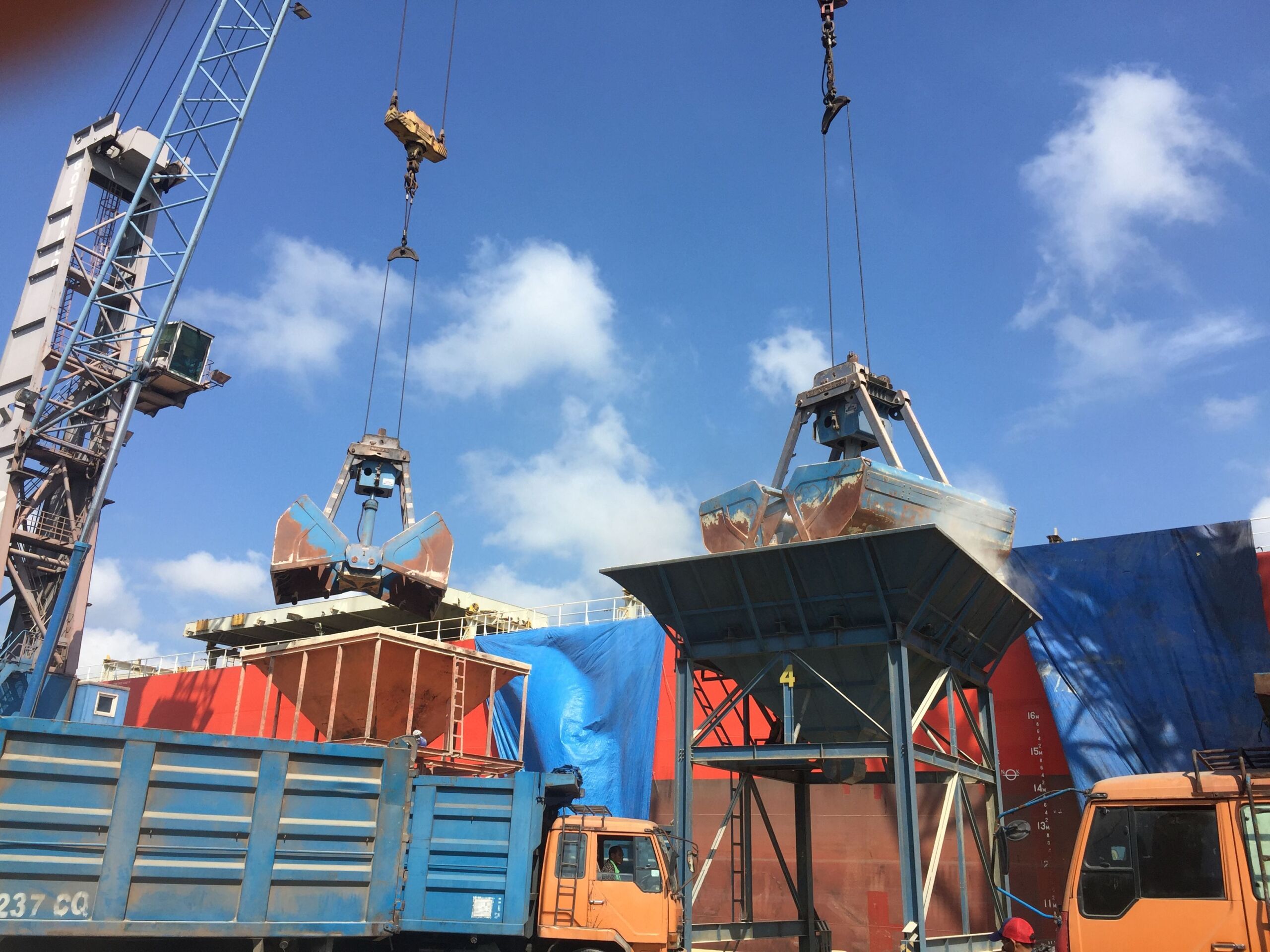
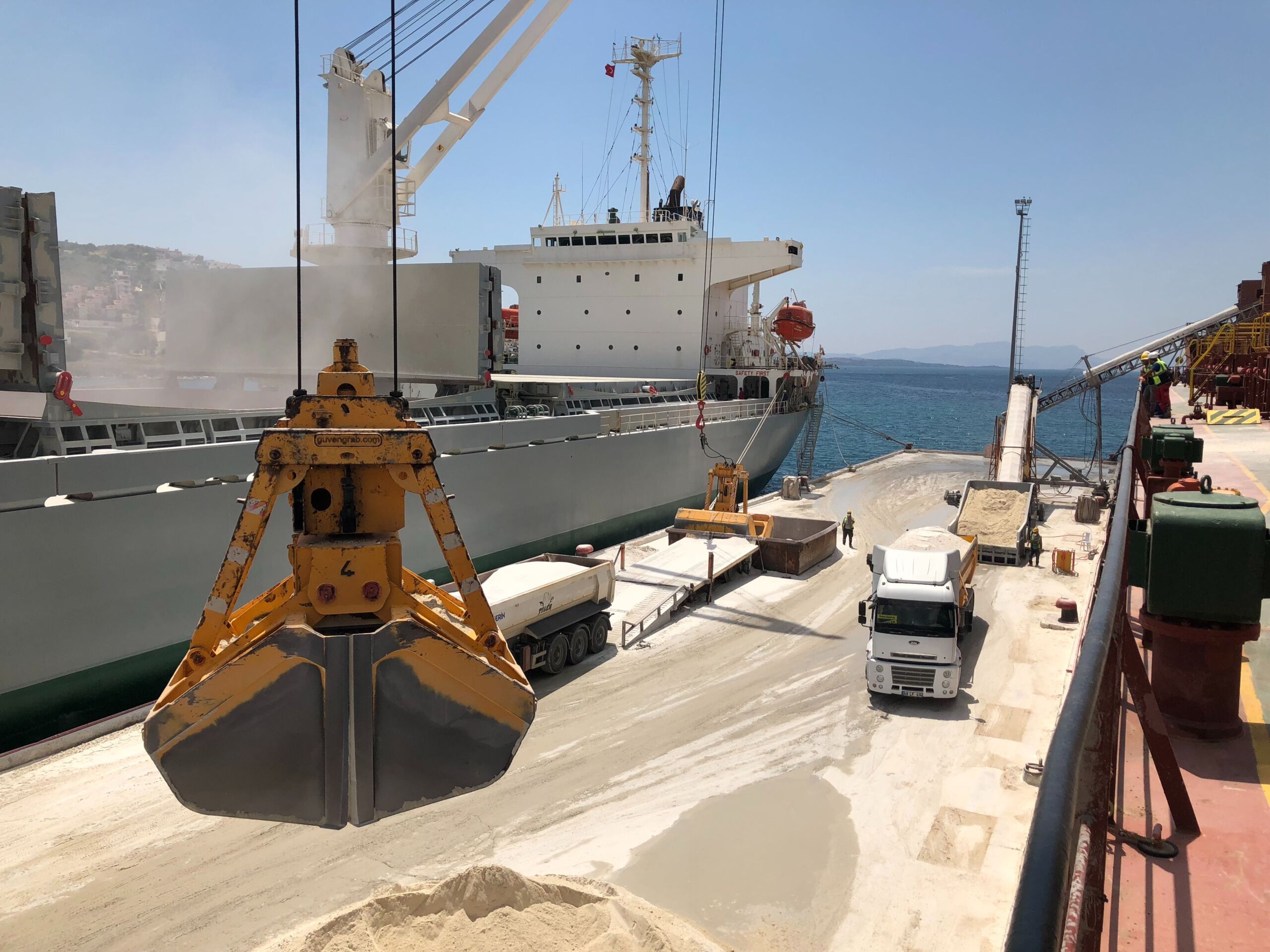
In port operations, hydraulic clamshell grabs are often used to handle bulk cargo such as coal, fertilizer, minerals, and agricultural commodities. Their ability to achieve high fill ratios can improve unloading speed and reduce vessel turnaround time. Even a small improvement in grab efficiency can make a major difference when it is repeated over hundreds of loading cycles.
In recycling and scrap operations, hydraulic orange peel grabs are essential for sorting and transferring irregular metal pieces. Their design helps operators grip materials with unpredictable shapes. This improves both safety and operating speed. Without this kind of equipment, manual handling risks would rise quickly.
Construction projects also use hydraulic grabs for trench excavation, aggregate handling, and debris removal. Their ability to work in confined spaces makes them especially useful in urban projects where machine movement is limited.
Mining and quarry operations benefit from hydraulic grabs when handling processed materials or supporting loading work. In these environments, durability becomes especially important because the materials are often abrasive and the duty cycles are demanding.
Across all these industries, technical decision makers usually face the same question: Is the grab improving efficiency, or is it creating hidden risks because of poor use or weak maintenance?
Answering that question requires more than product knowledge. It requires a clear understanding of safety fundamentals.
Why Safety Defines Performance In Grab Operations?
Safety is often seen as a regulatory requirement. In practice, it is also a performance factor. Unsafe grab operation can reduce efficiency long before it causes an accident.
Poor loading angles, excessive side loading, and incorrect carrier machine matching can reduce fill efficiency, increase structural stress, and speed up wear. For example, if a grab enters the material at the wrong angle, one shell may take more force than the other. Over time, this can lead to deformation, hydraulic strain, and unpredictable closing behavior.
Operators may first think the issue is hydraulic. In many cases, the real cause is technique.
Small problems matter too. A minor hydraulic leak or a worn pin may not stop the operation immediately. But these issues can slowly reduce hydraulic efficiency and structural alignment. If ignored, they often turn into larger maintenance needs.
Operator confidence is another factor that is easy to overlook. When operators trust the equipment and understand its limits, they usually work more consistently. When the grab behaves unpredictably because of poor maintenance or setup, operators slow down as a precaution. That slows the whole operation.
For managers, safe grab bucket use should be seen as an efficiency strategy, not just a compliance task. Companies that build safety into daily work often see improvements in:
- Equipment availability
- Maintenance cost control
- Operational consistency
- Personnel confidence
- Long term asset value
The next step starts before the machine even begins work. A proper pre operational inspection often decides whether the grab performs reliably through the shift or develops avoidable problems.
Pre-Operational Inspection As The Foundation Of Safe Grab Use
A reliable hydraulic grab operation does not begin when the machine starts lifting. It begins with a proper inspection.
Many failures that appear during production can be traced back to issues that were visible before the shift started. For operators and technical teams, inspections should not feel like paperwork. They are practical risk control tools.
A five to ten-minute check can prevent hours of downtime, unexpected repair costs, and safety incidents. It also helps maintain hydraulic grapple efficiency because the equipment starts work under the right mechanical and hydraulic conditions.
A professional inspection routine usually focuses on three areas: structural condition, hydraulic system reliability, and machine compatibility.
Structural Integrity Inspection
The structural parts of a hydraulic grab face dynamic loads, impact forces, and material abrasion every day. Even a well-engineered grab will wear over time. The important thing is to catch that wear before it becomes a functional problem.
Operators and maintenance personnel should inspect grab shells for deformation, cracks, and excessive wear on cutting edges. Even small distortions can affect shell alignment. If the shells do not close fully, load efficiency drops, and stress becomes uneven across the hinge points.
Particular attention should be given to:
- Shell edges and wear plates
- Weld seams around high-stress zones
- Hinge pins and bushings
- Cylinder mounting brackets
- Stop plates and mechanical limiters
Pin connections deserve special attention because they transfer much of the load. Excessive clearance in these areas can cause misalignment during operation. That may lead to uneven shell closing, vibration, and eventually cylinder damage due to uneven force distribution.
Another common issue is minor deformation caused by misuse. This often happens when a grab is used for side loading or dragging material sideways instead of lifting vertically. These habits usually leave early warning signs. If they are found during inspection, teams can correct operator behavior before the damage becomes worse.
A simple inspection mindset helps: the grab should look symmetrical, balanced, and mechanically aligned. If something looks off, it probably deserves a closer look.
Hydraulic System Condition Verification
The structural parts of a hydraulic grab face dynamic loads, impact forces, and material abrasion every day. Even a well-engineered grab will wear over time. The important thing is to catch that wear before it becomes a functional problem.
Operators and maintenance personnel should inspect grab shells for deformation, cracks, and excessive wear on cutting edges. Even small distortions can affect shell alignment. If the shells do not close fully, load efficiency drops, and stress becomes uneven across the hinge points.
Particular attention should be given to:
- Shell edges and wear plates
- Weld seams around high-stress zones
- Hinge pins and bushings
- Cylinder mounting brackets
- Stop plates and mechanical limiters
Pin connections deserve special attention because they transfer much of the load. Excessive clearance in these areas can cause misalignment during operation. That may lead to uneven shell closing, vibration, and eventually cylinder damage due to uneven force distribution.
Another common issue is minor deformation caused by misuse. This often happens when a grab is used for side loading or dragging material sideways instead of lifting vertically. These habits usually leave early warning signs. If they are found during inspection, teams can correct operator behavior before the damage becomes worse.
A simple inspection mindset helps: the grab should look symmetrical, balanced, and mechanically aligned. If something looks off, it probably deserves a closer look.
Crane Compatibility And Rigging Checks
Even a perfectly maintained grab can become unsafe if it is not matched correctly with the carrier machine. The relationship between the grab and the excavator or material handler directly affects safe grab bucket use.
Operators should confirm that the lifting capacity of the base machine matches the grab weight and the expected material load. Overloading does more than increase lifting risk. It can also reduce hydraulic response and make handling less stable.
Connection points also need careful attention. Suspension links, rotators, if used, and connection pins must be secure and free from abnormal wear. Loose connections can create uncontrolled movement, reduce precision, and increase structural fatigue.
Hydraulic connections between the machine and the grab should also be checked before operation. Poor hose routing can create tension or abrasion during movement cycles. Correct routing helps prevent avoidable hose failures.
Before full operation begins, operators should complete a basic functional test without a load. A simple open and close test can confirm:
- Smooth cylinder movement
- Balanced shell closing
- No abnormal sounds
- Proper response time
This short check can reveal hidden issues before production starts.
Pre-operational inspection is not about slowing the team down. It is about protecting the operation from bigger interruptions later in the day.
Once the grab is confirmed to be structurally sound, hydraulically stable, and correctly connected to the machine, the next question is how it is used during the shift.
Standard Operating Procedures For Hydraulic Grab Operation
Even the most advanced hydraulic excavator grab cannot make up for inconsistent operating habits. Engineering quality sets the equipment’s capability. Operating discipline decides whether that capability is actually achieved.
Standard operating procedures help every operator follow consistent methods. This protects people, machinery, and productivity.
In many industrial environments, performance differences between shifts are not caused by equipment differences. They often come from technique. Clear procedures reduce that variation and make outcomes more predictable, no matter who is operating the machine.
Safe and efficient grab operation depends on three practical areas: correct loading technique, clear communication, and defined emergency response behavior.
Correct Loading And Lifting Practices
One of the biggest factors in hydraulic grab operation is how the grab enters the material. Incorrect penetration angles reduce fill efficiency and increase mechanical stress.
Ideally, the grab should enter the material pile with a controlled vertical approach. Aggressive angles can create uneven loading across the shells. When the approach is correct, the shells close evenly and distribute force more symmetrically. This improves fill ratios and reduces strain.
Material behavior matters too. Dense materials usually require slower penetration to avoid shock loading. Lighter bulk materials may allow faster cycles. Skilled operators adjust based on what the material is doing instead of applying the same movement every time.
The grab should not be used as a pushing or dragging tool. Hydraulic grabs are mainly designed for vertical lifting and controlled closing forces. Dragging material sideways creates stresses that the structure is not designed to absorb. Over time, this can lead to shell misalignment and higher maintenance needs.
Smooth lifting is also important once the grab is filled. Sudden movements create swing, increase stress on suspension components, and raise risk for nearby personnel. Controlled lifting protects both the equipment and the workflow.
A simple rule works well here: smooth movements save metal. Not very poetic, but very true.
Operator Visibility And Communication Discipline
Material handling sites often have blind spots. Machine structures, material piles, trucks, bins, and surrounding equipment can all limit visibility. When visibility is limited, communication becomes essential.
Operators should maintain a clear view of the working zone whenever possible. When that is not possible, they need reliable communication with ground personnel. Agreed hand signals or radio protocols help keep the operator and spotters aligned.
Good communication reduces guesswork. Before lifting or dropping a load, operators should confirm that the area is clear and that nearby personnel are aware of the movement. It may sound basic, but many incidents happen when people assume instead of verifying.
Teams should also define clear zones around the grab’s working radius. Personnel should stay out of potential swing areas unless they absolutely need to be there and the operator is aware of them.
Feedback reporting matters as well. Operators should feel comfortable reporting delayed hydraulic response, unusual vibration, or strange noises. Early reporting gives maintenance teams time to act before a small issue becomes a production problem.
Communication is often invisible when everything goes well. Its value becomes obvious when it is missing.
Emergency Response And Shutdown Protocols
Even with strong inspection routines and careful operation, unexpected problems can happen. Hydraulic pressure loss, unstable loads, and mechanical abnormalities all require fast but controlled responses.
Operators should be trained to recognize early warning signs such as irregular shell closing, sudden pressure loss, abnormal noise, or uncontrolled load movement. Continuing to work after those signs appear often makes the damage worse.
Emergency shutdown procedures should prioritize controlled stopping. If something feels wrong, the operator should lower the load safely if possible and stop operation until a technical inspection is completed.
Hydraulic leaks require extra caution. If a hose fails, the system should be depressurized before anyone inspects it. Pressurized hydraulic systems can be dangerous, even when the leak looks small.
A good rule for these moments is simple: when in doubt, stop and verify. A short pause usually costs far less than pushing through uncertainty.
Clear escalation procedures also help. Operators need to know who to contact, what information to report, and when the equipment must be taken out of service. Structured reporting helps maintenance teams diagnose issues faster.
When these procedures are followed consistently, hydraulic grab operation becomes safer, more predictable, and less expensive over time.
Still, hydraulic grabs are heavy-duty tools working in demanding environments. Even good operation cannot prevent all wear. Long-term reliability depends on maintenance and troubleshooting discipline.
Troubleshooting And Essential Maintenance for Long-Term Reliability
A hydraulic excavator grabs work in tough conditions. Heavy loads, abrasive materials, impacts, vibration, and long duty cycles are part of daily life. Even when the equipment is used correctly, wear will happen.
The difference between a reliable operation and a problematic one is not whether wear appears. It is how early the team finds it and how systematically they deal with it.
A structured maintenance strategy helps small technical changes get corrected before they turn into failures. It also protects hydraulic grapple efficiency by keeping the grab within its intended working condition.
Effective maintenance usually focuses on three areas: preventive routines, early diagnosis of common failures, and smart spare parts planning.
Preventive Maintenance Planning
Preventive maintenance is sometimes reduced to lubrication, but it is more than that. It is a structured way to preserve mechanical alignment, hydraulic performance, and structural integrity over time.
Routine lubrication of hinge pins, bushings, and moving joints reduces friction and slows wear. Without proper lubrication, pin connections can develop small clearances. Those clearances may seem minor at first, but they can eventually lead to misalignment. Once alignment is affected, shell closing becomes uneven and load efficiency drops.
Torque checks on critical fasteners are also important. Bolted connections may loosen gradually because of vibration and repeated loading. Regular checks help prevent progressive structural stress.
Hydraulic maintenance should include filter inspection, oil condition checks, and fitting checks. Clean hydraulic oil is essential for pressure stability and for protecting control valves, cylinder seals, and internal components.
Professional maintenance programs often divide tasks into daily, weekly, and monthly routines. Daily checks usually focus on visual condition and lubrication needs. Weekly checks may include pin clearance and hose inspections. Monthly maintenance can include a deeper inspection of hydraulic performance and structural alignment.
This layered approach helps teams catch problems early and keep equipment availability more stable.
Common Hydraulic Grab Failures And Their Root Causes
Knowing the common failure patterns helps operators and maintenance teams respond quickly when performance changes. Most hydraulic grab problems can be linked to three technical causes: contamination, leakage, and overheating.
Hydraulic contamination is especially damaging because it affects parts that are not immediately visible. Dirt or metal particles in the hydraulic circuit can score valves and cylinders. Over time, this causes pressure instability and reduced gripping force.
Common signs of contamination include inconsistent movement speed, delayed closing response, and irregular pressure behavior. Fixing the issue may require better filtration and system flushing.
Hydraulic leakage is another frequent problem. External leaks usually appear around hose connections or cylinder seals. Small leaks may look harmless, but they often point to seal wear that will worsen under load. Pressure loss reduces closing force and can prevent the grab from reaching full load capacity.
Internal leakage can also occur inside hydraulic cylinders. This is harder to spot because the outside of the cylinder may look normal. A gradual loss of gripping force can be a clue.
Overheating is usually caused by excessive load demands, restricted oil flow, or continuous operation without enough cooling time. Excess heat speeds up seal wear and reduces oil viscosity, which then lowers hydraulic efficiency.
A practical troubleshooting approach is to connect what the operator sees with the likely cause.
| Observed Symptom | Possible Technical Cause | Recommended Action |
|---|---|---|
| Slow closing movement | Hydraulic contamination or pressure loss | Check filters and hydraulic pressure levels |
| Uneven shell movement | Pin wear or structural misalignment | Inspect hinge points and shell alignment |
| Reduced gripping force | Internal cylinder leakage | Test hydraulic pressure and cylinder condition |
| Excessive vibration | Loose connections or wear progression | Inspect structural fasteners and pins |
| Oil temperature increase | Overload or restricted flow | Check load conditions and hydraulic flow |
Quick identification of these relationships allows maintenance teams to intervene early and avoid secondary damage.
Spare Parts Strategy And Lifecycle Cost Control
Spare parts planning is often ignored until something fails. By then, downtime has already started.
Companies that rely heavily on hydraulic grab operations should keep critical spare components available. These usually include seal kits, hydraulic hoses, hinge pins, and bushings. These parts are relatively low-cost compared with the cost of a stopped operation.
A planned spare parts strategy also speeds up maintenance response. If key components are available on site or through a reliable supply partner, repair times can be much shorter.
Lifecycle cost should also be considered. High-quality replacement parts may cost more at first, but they often last longer and reduce repeat maintenance. Lower-grade parts can look attractive in the short term, but they may increase long-term repair frequency.
Maintenance history records are another useful tool. Teams should track which parts were replaced, when they were serviced, and how long they performed. Over time, this helps predict replacement intervals and plan inventory more accurately.
Organizations that take this approach turn failures into planned interventions instead of unexpected disruptions.
Even with strong maintenance, one factor still has the biggest influence on safety and efficiency: the knowledge and discipline of the people operating the equipment.
Operator Training As A Risk Reduction Strategy
Even a strong hydraulic excavator grab design cannot compensate for poor operator knowledge. In material handling, the difference between efficient performance and avoidable risk often comes down to whether the operator understands equipment behavior, load dynamics, and operating limits.
That is why training should not be seen as a box to tick. It is a direct investment in operational stability.
Well-trained operators reduce accident risk and improve hydraulic grapple efficiency. They know how to position the grab, how to read machine feedback, and how to recognize early signs of technical problems. That awareness leads to smoother work and less maintenance exposure.
A strong training approach usually includes operator competency, refresher training, and clear documentation of qualifications.
Required Operator Skills And Certification
Professional hydraulic grab operators need more than basic machine control skills. They need to understand how material behavior affects grab performance and how equipment limits shape safe working conditions.
Core operator competencies typically include:
- Understanding load distribution and center of gravity behavior
- Recognizing machine capacity limits during grab operation
- Understanding hydraulic response behavior
- Applying correct penetration angles into material
- Maintaining smooth lifting and release sequences
Operators should also know the difference between normal resistance and abnormal mechanical resistance. This matters because forcing the equipment through abnormal resistance can damage the structure or overload the hydraulic system.
Certification requirements vary by country and industry, but the goal is the same: confirm that operators have both technical understanding and practical discipline.
Companies benefit most when operators understand not only what to do, but why it matters. When the reasoning is clear, correct behavior becomes much easier to maintain.
Importance Of Refresher Training
Operating habits change over time. Even experienced operators can develop shortcuts that feel efficient but quietly increase risk. Refresher training helps prevent this drift.
These sessions are especially useful after equipment upgrades or when a new grab model is introduced. Differences in hydraulic response, shell geometry, or load behavior may require small changes in technique.
Real operational examples can make refresher training more effective. Reviewing cases where equipment was damaged because of side loading, poor penetration angles, or ignored warning signs helps operators connect theory with real consequences.
Near miss reviews are also valuable. Teams do not need to wait for an incident to learn something useful. Small deviations can reveal weaknesses in communication, inspection, or operating habits.
Companies that treat training as a continuous process usually see stronger consistency and fewer incidents.
Documentation And Compliance Tracking
Training only works well when it is traceable. Clear records of operator training, certifications, and refresher participation provide both operational and administrative value.
From a governance perspective, documentation shows that qualified personnel operate the equipment. From an operational perspective, it helps managers identify skill gaps and schedule extra training where needed.
Documentation practices typically include:
- Operator certification records
- Training participation logs
- Equipment familiarization records
- Incident related retraining documentation
These records also support audit readiness in industries with strict oversight. More importantly, they help build a culture where competence is expected and improved over time.
A strong documentation culture sends a clear message: equipment operation is a professional responsibility, not an informal task.
When organizations combine structured training, maintenance discipline, and clear operating procedures, safety and productivity start to support each other instead of competing.
The final step is understanding how these practices improve equipment life, efficiency, and long term return on investment.
How Safety Practices Improve Efficiency And Equipment Life
In high-duty material handling environments, safety and efficiency are sometimes treated as opposing priorities. They should not be. In reality, they are closely connected.
Operations that prioritize safe hydraulic grab operation usually achieve better equipment availability, lower maintenance costs, and more predictable productivity. That is because most safety practices are also ways to control mechanical stress and prevent unnecessary wear.
For technical managers, the goal is not only to prevent failures. It is to maintain consistent working conditions. Consistency allows hydraulic excavator grabs to perform closer to their intended capacity over longer service intervals.
To understand how safety discipline turns into measurable gains, it helps to look at three relationships: proper operation and equipment life, efficient workflows and operating costs, and the role of safety culture.
Relationship Between Proper Operation And Equipment Longevity
Equipment life is shaped by how consistently the grab works within its engineered limits. Every hydraulic grab has specific load tolerances, stress expectations, and hydraulic pressure ranges. When operators stay within those limits, fatigue develops more slowly and predictably. When the limits are exceeded, fatigue accelerates.
Repeated side loading or uneven material penetration, for example, creates torsional stress in shells and hinge systems. These forces may not be visible right away, but they gradually affect alignment. Once alignment shifts, hydraulic cylinders may begin compensating for mechanical imbalance, which increases internal wear.
Aggressive operating speeds can create similar problems. They may appear to improve short term productivity, but they often introduce shock loads into the structure. These loads increase wear on pins, bushings, and hydraulic seals. Controlled and balanced movement patterns are usually better for long term durability.
Consistent loading behavior also matters. Operators who aim for balanced fills instead of the largest possible loads help the grab work closer to its design center. This reduces stress peaks and improves service life.
A practical philosophy works well here: protect the structure, and the structure protects the operation.
How Efficiency Improvements Reduce Operating Costs
Operational efficiency is not only about faster cycle times. It also includes reducing hidden costs such as downtime, repair frequency, and energy consumption. Safe grab bucket use contributes to all three.
When hydraulic grabs operate smoothly, cycle times become predictable. Predictability helps teams plan loading work better and reduces idle machine time. Even small improvements in cycle consistency can create measurable gains when repeated thousands of times per year.
Proper operation can also reduce fuel or power use indirectly. Machines that work against mechanical misalignment or hydraulic inefficiency often need more energy to complete the same task. Keeping the grab aligned and the hydraulic system healthy supports better energy performance.
Maintenance cost reduction is another major benefit. Preventive practices such as early pin replacement, proper lubrication, and clean hydraulic oil reduce the chance of major component failures. Major repairs do not only cost money in parts. They also stop work.
From a financial perspective, disciplined operation can improve several areas:
| Operational Factor | Impact Of Safe And Efficient Operation |
|---|---|
| Equipment downtime | Reduced unexpected failures |
| Maintenance cost | Lower frequency of major repairs |
| Fuel or power usage | Improved energy efficiency |
| Spare part consumption | More predictable replacement cycles |
| Operational output | More consistent cycle performance |
These improvements demonstrate that safety driven operational discipline is also a cost optimization strategy.
Building A Safety Culture Around Material Handling Equipment
Procedures and training are essential, but long-term success depends on culture. Organizations that consistently achieve safe and efficient hydraulic grab operations usually share one trait: safety is treated as a daily working value, not a periodic campaign.
A strong safety culture encourages operators to report abnormalities early. It encourages maintenance teams to intervene before small issues grow. It also encourages managers to support preventive actions even when the equipment still appears to be working.
Leadership matters here. When technical managers prioritize correct operation over short-term speed, operators are more likely to follow disciplined methods. When production pressure rewards shortcuts, even good procedures can lose their effect.
Shared responsibility is also important. Safe operation is not only the operator’s job. Maintenance teams, supervisors, planners, and managers all influence the outcome through their decisions.
Organizations that build this culture often see improvements beyond safety metrics. Equipment becomes more predictable. Workflows become smoother. Technical teams spend less time reacting to emergencies and more time improving the operation.
When safety practices, maintenance discipline, and operator competence work together, hydraulic excavator grabs can deliver their full performance potential
Selecting The Right Hydraulic Grab For Your Application
Selecting the correct hydraulic excavator grab is one of the most important decisions affecting both safety and efficiency. Even excellent operating practices cannot fully compensate for a grab that does not match the material, machine, or working environment.
For technical buyers and operations managers, selection is not just a purchasing decision. It is also a risk management decision.
A properly selected grab improves fill efficiency, reduces unnecessary stress on the carrier machine, and makes handling behavior more predictable. A poorly matched grab can create chronic inefficiencies, faster wear, and avoidable maintenance needs.
The right choice usually depends on two things: material characteristics and the engineering details that separate high-performance grabs from ordinary designs.
Matching Grab Type To Material Characteristics
Different materials behave differently under load, so the grab selection should reflect those differences. Density, particle size, moisture content, and abrasiveness all affect performance.
Bulk materials such as grain, fertilizer, sand, and fine aggregates are usually best handled with hydraulic clamshell excavator grabs. Their enclosed shell geometry helps retain material during lifting and reduces spillage. This improves both cleanliness and loading efficiency.
Irregular materials such as scrap metal, demolition debris, and large, fragmented materials require a different approach. Hydraulic excavator orange peel grabs are usually better suited to these applications because their multiple tines can adapt to unpredictable shapes and secure the load more effectively.
Material density is another key factor. Dense materials require enough structural strength and hydraulic closing force. An oversized grab on dense material may not fill or close properly because it cannot penetrate the load as intended.
Wear should also be considered. Abrasive materials such as minerals or recycled materials may require wear-resistant steels and reinforced shell edges to maintain durability.
A useful buying question is this: Is the grab designed for the material, or is the operation trying to work around the grab’s limitations?
Correct selection helps the equipment support the operation instead of forcing the operation to compensate for equipment weaknesses.
Engineering Factors That Differentiate High-Performance Grabs
Beyond basic grab type, engineering quality is what separates high-performance hydraulic grabs from standard alternatives. Many grabs look similar from the outside. The difference often becomes clear only after months of work.
Key engineering factors technical buyers often evaluate include:
- Structural reinforcement strategy in high-stress zones
- Quality of hydraulic cylinder protection
- Durability of hinge systems and pin materials
- Wear protection solutions on contact surfaces
- Seal quality within hydraulic components
Reinforced shell structures help distribute load forces more evenly and reduce fatigue risk. Protected hydraulic cylinders reduce exposure to impact damage, especially in scrap handling applications.
Compatibility engineering also matters. High-quality manufacturers design grabs to match specific excavators or material handlers rather than offering one generic option for every machine. Better integration usually means more stable operation.
Lifecycle support is another important factor. Reliable spare parts availability and technical support can determine how quickly the operation recovers when wear-related maintenance is needed.
For operations that depend on material handling continuity, the question is rarely only “What is the purchase price?” A better question is: which grab will maintain reliable performance with the lowest risk of interruption?
That perspective often leads technical teams toward equipment that prioritizes durability, engineering quality, and long-term serviceability.
Conclusion
Safe and efficient hydraulic grab operation depends on several disciplines working together. Equipment selection, inspection routines, operating procedures, maintenance planning, and operator training all contribute to reliable performance. When one of these areas is neglected, efficiency losses and safety risks usually follow.
For industrial operations where material handling performance affects profitability, hydraulic excavator grabs should be viewed as long-term productivity assets, not simple attachments. Their performance influences operational speed, maintenance planning, and workforce safety at the same time.
Organizations that use structured inspection routines can detect problems before they affect production. Teams that invest in operator training usually achieve more consistent equipment behavior. Companies that follow preventive maintenance practices often experience fewer unexpected failures. When these habits are combined, the result is better safety, stronger efficiency, and longer equipment life.
The mindset behind these practices matters just as much. The most reliable operations usually treat safety as an everyday discipline rather than a compliance requirement. Equipment is operated within its limits. Technical issues are addressed early. Personnel take ownership of operational quality.
As material handling demands continue to grow across ports, construction sites, recycling facilities, and industrial plants, reliable grab performance will become even more important. The companies that perform best will be the ones that combine engineering quality with disciplined daily operation.
For technical decision makers evaluating hydraulic grab options, the focus should stay clear. Equipment should perform not only under ideal conditions but also in real working environments. Choosing well-engineered grabs, applying structured safety practices, and maintaining operational discipline remain the most effective ways to support both safety and efficiency in hydraulic grab operations.
Table of Contents