4 Devastating Radio Remote Control Grabs Failures You Must Know
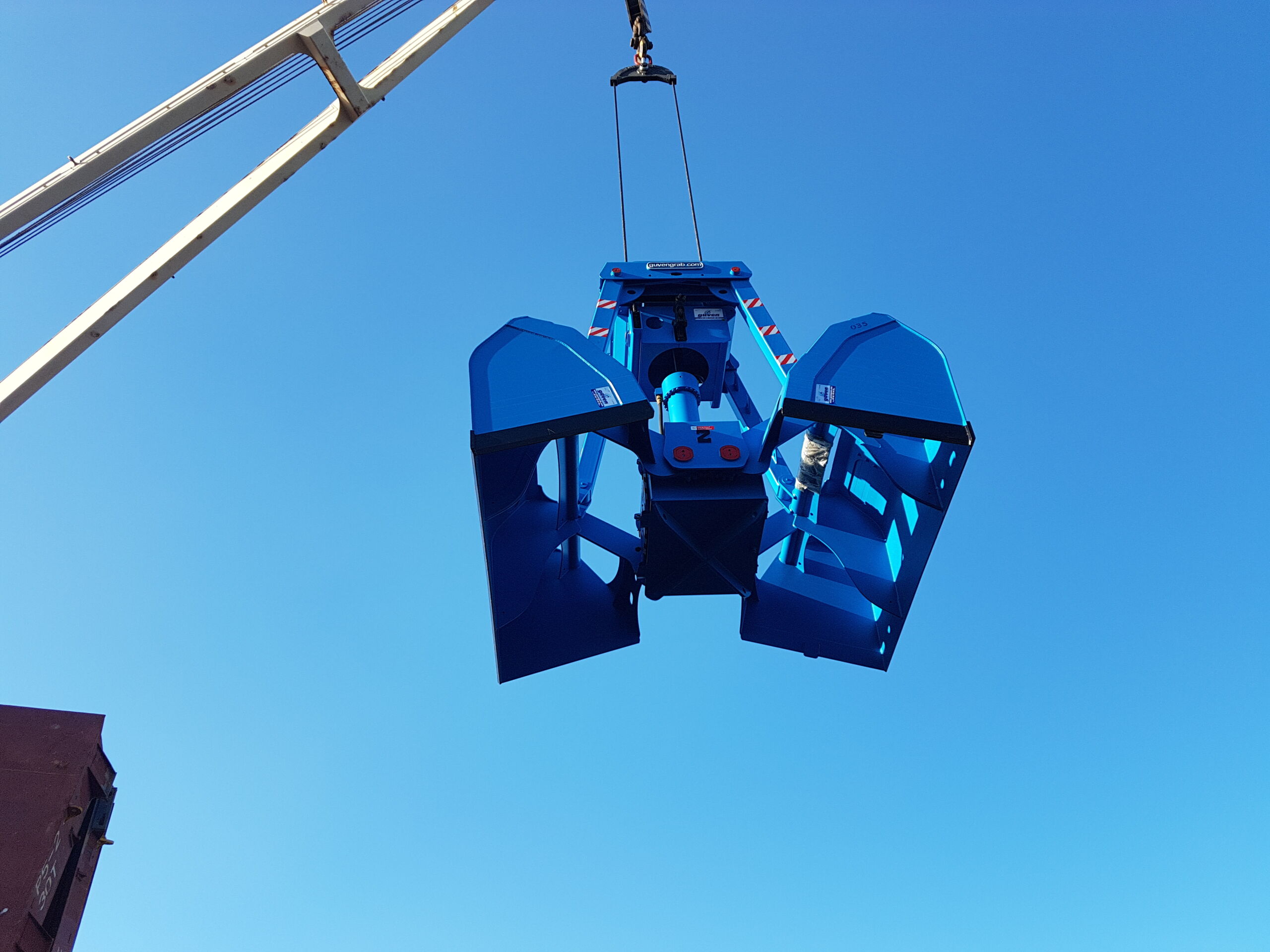
In bulk cargo handling, reliability is not just a nice performance metric. It is a financial necessity. Whether the operation takes place on board bulk carriers, at port terminals, or in transshipment projects, Radio Remote Control grabs are expected to work consistently in demanding conditions.
When a grab fails unexpectedly, the problem rarely ends with a simple technical repair. Operations slow down. Vessel turnaround times increase. Maintenance costs rise. And, as many teams learn the hard way, the real cost is often much higher than the first repair invoice suggests.
The good news is that most failures do not appear out of nowhere. They usually develop over time through small warning signs. A slight delay in closing speed, a minor hydraulic irregularity, or a small oil leak may look harmless at first. But these early symptoms often point to deeper issues inside the system.
Understanding the most common Radio Remote Control grab failures is not only a technical matter. It is also an operational strategy. Engineers and maintenance teams that can spot these risks early are in a much better position to prevent downtime and protect equipment investment.
So, the real question is not whether failures can happen. They can. The better question is this: can they be anticipated and prevented with the right maintenance approach?
If you are responsible for grab performance, maintenance planning, or operational continuity, the following four failure types are the ones you need to watch closely.
The Hidden Cost Of Unexpected Grab Failures
Unexpected grab failures rarely stay as isolated technical problems. In most bulk handling environments, one Radio Remote Control grab malfunction can affect vessel schedules, crane use, labor planning, and even contractual commitments.
When a grab becomes unavailable during cargo operations, the first focus is usually repair. That makes sense. But the bigger impact often comes from the disruption around the repair.
Think of a typical bulk vessel discharge operation. If a grab stops working because of a hydraulic issue, crane operations may need to pause or switch to backup equipment if backup equipment is available. That interruption can reduce handling rates immediately. In time sensitive logistics chains, even a few hours of delay can lead to demurrage costs, extra fuel consumption, and rescheduling problems across the supply chain.
There is also a hidden maintenance cost. Organizations that depend mostly on corrective maintenance often spend more in the long run than those that follow structured preventive maintenance programs. Emergency repairs usually involve urgent spare part sourcing, unplanned technician support, and sometimes equipment transport for repair. None of that comes cheap.
Equipment lifespan is another factor that is easy to underestimate. Repeated exposure to unresolved minor faults accelerates structural fatigue and hydraulic wear. What could have been solved with a simple inspection may later require a major component replacement.
This brings up a useful question for any operation: is the maintenance strategy focused on fixing problems, or preventing them?
The companies with the most reliable operations usually share one habit. They do not treat grab maintenance as a repair function only. They treat it as a performance management tool. Understanding the most common failure mechanisms is the first step toward building that mindset.
Radio Remote Control Grabs Failure 1: Air Enters The Hydraulic System
One of the most common, and often overlooked, Radio Remote Control grab failures is air entering the hydraulic system. Because these grabs depend on hydraulic stability for smooth opening and closing cycles, even a small amount of trapped air can affect performance.
Unlike obvious mechanical damage, this kind of failure usually develops gradually. That makes early detection especially important.
When air enters a hydraulic circuit, the system loses the firm fluid behavior that hydraulic operation depends on. Instead of transmitting force consistently, the oil and air mixture creates compressibility inside the circuit. The result can be irregular grab movement, reduced closing force, or unstable cycle times.
Operators may first interpret this as normal wear. In many cases, though, it is a sign of a hydraulic integrity issue.
From an operational point of view, this problem directly affects loading efficiency. A grab that cannot close with consistent pressure may fail to reach optimal filling ratios. That means lower handling productivity, especially during repeated bulk cargo cycles.
How Air Penetrates Closed Hydraulic Circuits
Hydraulic systems are designed as closed circuits, but air can still enter through predictable weak points.
One common cause is improper hydraulic oil replacement. If oil is refilled without the right bleeding procedure, air pockets can remain trapped inside the system.
Loose fittings and worn seals are also frequent causes. Even tiny gaps in hydraulic connections may allow air to enter as the system cools after operation. Temperature changes naturally create pressure differences, and weakened sealing parts may allow air in during these cycles.
Improper maintenance can make the problem worse. Using the wrong hydraulic oil grade or failing to maintain the recommended oil level may cause cavitation inside the system. That, in turn, can introduce air-related performance issues.
Operational Symptoms Engineers Should Recognize
Early recognition can prevent much larger disruptions. Maintenance teams should watch for inconsistent closing speeds, slight vibration during operation, or delayed hydraulic response after remote activation.
Another common sign is spongy or unstable movement during closing cycles. Hydraulic oil normally behaves as an incompressible medium. If the system response feels elastic, trapped air may be the reason.
Experienced operators may also notice that the grab needs several cycles to perform normally after startup. That can indicate trapped air moving through the circuit.
These symptoms are easy to dismiss when operations are busy. But this is exactly where many failures begin. Small signs rarely feel urgent until they become expensive.
Preventive Maintenance Practices
Preventing air ingress is mostly about disciplined maintenance. Hydraulic oil replacement should always include a controlled bleeding process to remove trapped air. Connection points should be checked regularly for torque integrity and sealing condition.
Routine inspection of hose connections, valve blocks, and sealing components can remove most air ingress risks before they affect operation. In well-managed fleets, these checks are not treated as emergency tasks. They are part of the normal inspection routine.
A practical question maintenance teams should ask regularly is this: when was the last time the hydraulic system was checked, not just for leaks, but for air integrity?
Radio Remote Control Grab Failure 2: Hydraulic System Contamination
Hydraulic contamination is one of the most damaging failure mechanisms in Radio Remote Control grabs. It is also one of the quietest.
Unlike mechanical failures that leave clear visible damage, contamination usually works inside the system. It slowly reduces precision, increases wear, and weakens reliability before the symptoms become obvious.
In hydraulic grab systems, oil does more than transmit power. It lubricates internal parts, protects surfaces from corrosion, and helps regulate system temperature. When contamination enters the oil, all of these protective functions begin to decline.
Over time, this can lead to valve malfunction, seal damage, and reduced operational reliability.
For operations that handle abrasive bulk materials such as coal, scrap, fertilizers, or aggregates, the contamination risk is even higher. Dust particles are common in these environments and can enter the system during maintenance if cleanliness standards are not followed. Even particles too small to see can cause serious long-term damage inside precision hydraulic components.
Major Sources Of Hydraulic Contamination
Contamination usually comes from a few predictable sources. One of the most common is poor hydraulic oil handling. If oil is stored in unsealed containers or transferred with dirty equipment, foreign particles can enter the system before the oil even reaches the grab.
Neglected filtration systems are another major source. Hydraulic filters are designed to capture microscopic contaminants before they circulate through sensitive parts. But if filters are not changed at the recommended intervals, they become saturated and less effective. In some cases, damaged or overloaded filters may even release trapped particles back into the system.
Maintenance work itself can also introduce contamination. Opening hydraulic lines without proper environmental control or using contaminated tools during service are common causes in field operations.
It sounds simple, but cleanliness during maintenance is not a small detail. In hydraulic systems, small dirt can create big problems.
Performance Risks Of Contaminated Hydraulic Oil
The impact of contaminated oil is usually progressive rather than immediate. At first, operators may notice slight irregularities in grab movement or a small drop in hydraulic response.
Over time, contamination can accelerate wear in pumps, directional control valves, and cylinder seals. This wear increases internal leakage, reduces efficiency, and raises operating temperatures. As friction grows, the hydraulic system has to work harder to deliver the same performance.
This creates a cycle that gets worse over time. Contamination causes wear. Wear creates more metallic particles. Those particles cause more contamination. Not ideal, to put it mildly.
From a business perspective, contamination becomes expensive because it does not always cause a sudden failure. Instead, it steadily increases maintenance frequency, spare part use, and downtime risk.
Filtration And Oil Management Best Practices
Preventing contamination requires structured oil management, not occasional corrective action. Hydraulic oil should be stored in sealed, clean containers and transferred with dedicated equipment designed for hydraulic service.
Regular oil condition monitoring can also provide strong preventive value. Periodic oil analysis allows maintenance teams to detect contamination trends before operational symptoms appear. This approach is common in high-reliability industries where uptime is critical.
Filter replacement schedules should be treated as reliability measures, not optional maintenance tasks. A low-cost filter replacement can prevent a high-cost component failure.
The principle is simple: clean oil is not just a maintenance detail. It is a performance requirement.
Radio Remote Control Grabs Failure 3: Hydraulic System Oil Leakage
Hydraulic oil leakage is one of the most visible Radio Remote Control grab failures. Because it is visible, it is sometimes underestimated.
Small leaks are often tolerated during operation because they do not always stop performance immediately. But even a minor leak can indicate deeper mechanical stress inside the hydraulic system. It should be treated as an early warning sign, not as a cosmetic issue.
Hydraulic systems need stable pressure to generate a consistent grabbing force. When oil escapes, pressure stability begins to decline. At first, this may appear as a slower response or slightly weaker closing force. If ignored, the same issue can eventually stop the operation completely.
There is also a safety side. Oil leakage on deck surfaces or terminal work areas can create slip hazards and environmental concerns. In regulated port environments, even small leaks may trigger compliance issues or operational warnings.
That is why professional operators usually treat leak detection as a reliability priority, not a routine observation.
Root Causes Behind Hydraulic Oil Leakage
Hydraulic leakage usually develops from predictable mechanical factors.
Seal wear is the most common cause. Over time, seals degrade because of pressure cycles, temperature changes, and normal material fatigue. Once sealing elasticity decreases, oil can escape through tiny gaps before the leak becomes clearly visible.
Pressure spikes also play a major role. If grabs are operated beyond recommended load conditions or exposed to sudden load shocks, internal pressure can exceed design limits. These pressure peaks may weaken seals and connection points even when no immediate failure is seen.
Hydraulic hose damage is another frequent cause. External abrasion, poor routing, or accidental contact during operation can slowly weaken hose integrity. In many real-world cases, leaks are not caused by manufacturing defects. They come from everyday mechanical exposure during use.
Business Impact Of Ignoring Minor Leaks
Ignoring small leaks often creates costs that are much larger than the original issue. As oil levels drop, hydraulic components may operate with insufficient lubrication. This accelerates wear in pumps, cylinders, and valve assemblies. A small leak can then lead to several secondary failures.
Efficiency may also decline. A grab working below optimal hydraulic pressure may need more cycles to move the same cargo volume. Over a long operation, this becomes a measurable productivity loss.
From a cost perspective, the timing of the repair matters. Replacing a seal during scheduled maintenance is far cheaper than repairing a cylinder damaged by prolonged oil starvation.
The key question is simple: will the issue be handled while it is small, or after it becomes disruptive?
Inspection Strategies To Detect Early Leakage
Effective leakage management depends on consistent inspection. Visual inspection remains one of the best tools when it is done regularly. Maintenance teams should pay close attention to cylinder rod seals, hose junctions, valve blocks, and connection interfaces.
Oil consumption trends can also reveal hidden leaks. If a grab needs oil top-ups more often than usual, leakage may be present even if it is not easy to see.
Professional operators often include leakage inspection in pre-operation checks instead of waiting for scheduled maintenance. This proactive habit reduces the chance of unexpected downtime.
In the end, leakage management reflects a broader maintenance mindset. Reliable operations are rarely built on major repairs. They are built on consistent attention to small details.
Radio Remote Control Grabs Failure 4: Hydraulic Oil Overheating
Hydraulic oil temperature control is critical for the long term reliability of Radio Remote Control grabs. Overheating may not always cause immediate failure, but sustained high temperature gradually reduces hydraulic efficiency and speeds up component wear.
Because the process develops slowly, overheating is often detected only after performance has already started to decline.
Hydraulic oil works best within a defined temperature range. In that range, viscosity, lubrication, and pressure transmission remain stable. When temperature rises beyond recommended limits, oil viscosity drops. The fluid then loses some of its ability to maintain proper sealing between internal components.
This can lead to efficiency loss, internal leakage, and higher mechanical friction.
Seal deterioration is another major risk. High temperatures harden elastomer seals and reduce flexibility. Over time, this causes cracking, leakage, and pressure instability. In demanding cargo cycles where grabs operate continuously, this process can happen faster than expected.
What Causes Hydraulic Oil Temperature To Rise
Hydraulic overheating usually comes from operating conditions rather than a single fault. Continuous operation without enough cooling time is one of the most common causes. In high-throughput terminals, grabs may run almost nonstop to maximize productivity. But without pauses, hydraulic heat buildup becomes unavoidable.
Overloading also contributes. When a grab repeatedly handles material near or above its design limits, the hydraulic system must generate more pressure in each cycle. More pressure means more heat inside the system.
Incorrect hydraulic oil selection can add to the problem. Oils with unsuitable viscosity grades or poor thermal stability may lose their performance characteristics faster under load. Using the manufacturer-recommended oil specification is not only about warranty compliance. It is also a reliability measure.
Environmental conditions matter too. High ambient temperatures or direct sunlight can reduce the system’s ability to release heat naturally.
Long-Term Effects Of Thermal Stress
The long-term effects of overheating are often underestimated because they rarely look dramatic at first. Instead of causing a sudden breakdown, thermal stress slowly shortens the life of hydraulic components.
Oil oxidation increases at higher temperatures. This reduces lubrication quality and may create internal deposits that restrict valve movement.
As the oil degrades, maintenance intervals may need to become shorter. That means higher operating costs. At the same time, repeated thermal expansion and contraction place extra stress on metal parts and sealing materials.
Later, this damage may appear as seal leakage, valve sticking, or reduced hydraulic response. The original cause, overheating, may have started months earlier.
Cooling And Operation Optimization Methods
Preventing overheating requires both operational awareness and maintenance discipline.
One effective approach is managing duty cycles. Short cooling intervals between intensive operation periods can reduce cumulative heat buildup.
Using the correct hydraulic oil grade for the operating climate also helps. Oils designed for high thermal stability maintain viscosity longer and reduce degradation risk.
Regular monitoring of oil condition and temperature behavior can reveal early warning trends. Maintenance teams that track oil performance, instead of only reacting to failures, usually achieve longer service intervals and more stable operations.
Temperature management is not just a technical detail. It is part of a reliability strategy. Equipment that operates within its thermal limits performs better and maintains more predictable maintenance cycles.
How Proper Radio Remote Control Grab Maintenance Extends Service Life
Understanding common Radio Remote Control grab failures is important. But the real operational advantage comes from preventing those failures before they develop.
In professional bulk handling environments, the difference between reliable fleets and failure-prone equipment rarely comes down to luck. It usually comes down to maintenance culture, inspection discipline, and engineering awareness.
Well-maintained Radio Remote Control grabs can operate reliably for many years, even in demanding conditions. Component quality matters, of course. But consistent maintenance routines matter just as much.
Preventive maintenance should not be seen only as a cost. It is a productivity investment that protects operational continuity and reduces lifecycle expenses.
Experienced operators often follow a simple idea: equipment rarely fails without warning. Small irregularities usually appear first. Organizations that train their teams to detect these early signs tend to face fewer unexpected failures and lower repair costs.
Preventive Maintenance Checklist For Operators
A structured maintenance routine helps operators standardize reliability practices. The following control points are commonly used in professional grab operations:
| Inspection Area | What To Check | Operational Benefit |
|---|---|---|
| Hydraulic Oil Level | Verify correct oil level before operation | Prevents pressure instability |
| Hose Connections | Check for wear and looseness | Reduces leakage risk |
| Cylinder Seals | Look for oil traces or deformation | Prevents unexpected failures |
| Structural Components | Inspect pins, hinges, and shells | Maintains mechanical integrity |
| Battery And Control System | Check charge condition and response | Ensures uninterrupted operation |
| Filters | Verify service intervals | Protects hydraulic components |
This type of checklist does not require complex procedures, but consistency is critical. Reliability improves when these checks become routine rather than occasional.
The Role Of Engineering Design In Failure Prevention
Maintenance practices are essential, but engineering design also plays a major role in failure prevention.
Radio Remote Control grabs designed with simplified hydraulic layouts, strong sealing systems, and protected hydraulic components usually show lower failure rates in long-term operation.
Design philosophy matters too. Systems that avoid unnecessary complexity reduce possible failure points. For example, designs that remove external power packs or complicated cable systems can reduce maintenance exposure and operational risk.
Service accessibility is another important factor. Equipment designed for easy inspection and component access allows maintenance teams to do preventive work more efficiently. When maintenance is easier to perform, it is more likely to be done consistently.
Manufacturers with strong field experience often design their grabs based on real operational feedback, not only theoretical calculations. This practical engineering approach usually leads to equipment that handles harsh working environments more effectively and keeps performance stable over time.
In practice, the most reliable operations usually combine two strengths: well-engineered equipment and disciplined maintenance routines. When both are in place, unexpected failures become much less frequent.
Building A Failure Prevention Culture In Bulk Handling Operations
Preventing Radio Remote Control grab failures is not only a technical responsibility. It is also an organizational discipline.
The most reliable bulk handling operations usually treat equipment reliability as part of their culture, not simply as a maintenance department task. That requires alignment between operators, maintenance teams, and equipment suppliers.
Operator awareness is one of the most effective reliability tools. Grab operators are often the first to notice unusual noise, irregular closing patterns, or response delays. When they are encouraged to report these small changes early, maintenance teams gain valuable time to act before failures develop.
When minor issues go unreported, larger disruptions become more likely.
Training also plays an important role. Operators who understand the basic hydraulic principles behind Radio Remote Control grabs tend to use the equipment more carefully. Simple awareness, such as avoiding shock loading or recognizing abnormal resistance, can reduce mechanical stress over time.
Supplier collaboration is another useful factor. Companies that stay in close communication with their grab manufacturers usually resolve technical concerns faster and apply recommended improvements more effectively. Technical guidance from experienced manufacturers can also help operators avoid common mistakes that cause premature wear.
Documenting failure patterns creates another advantage. Companies that track maintenance records, failure frequency, and repair causes can identify recurring operational risks. This data helps them refine maintenance intervals and plan more accurately.
A strong reliability culture is built on one key principle: equipment performance is not determined by design quality alone. It is also shaped by how knowledge is shared between operators, engineers, and technical partners.
Conclusion
Radio Remote Control grab failures rarely happen without warning. In most cases, the four major risks discussed here, air in the hydraulic system, contamination, oil leakage, and overheating, develop gradually through preventable conditions.
Organizations that understand these risks and act early can reduce downtime, maintenance costs, and operational uncertainty.
The most successful bulk handling operations usually share a proactive mindset. They do not wait for failures to appear. They build preventive maintenance routines, invest in operator awareness, and work closely with experienced equipment suppliers. This approach protects both the equipment and the profitability of the operation.
In demanding cargo environments, handling continuity directly affects commercial success. Reliability, in that context, becomes a competitive advantage.
The right maintenance approach, combined with well-engineered Radio Remote Control grabs, helps operators achieve consistent performance while keeping operational risk under control.
For technical teams and decision makers, the main takeaway is clear. Failure prevention is not achieved through one major action. It comes from many small, consistent practices repeated every day.
So, the question is worth asking: is your grab maintenance strategy reactive, or is it designed to prevent failures before they affect your operation?
Table of Contents
- The Hidden Cost Of Unexpected Grab Failures
- Radio Remote Control Grabs Failure 1: Air Enters The Hydraulic System
- Radio Remote Control Grab Failure 2: Hydraulic System Contamination
- Radio Remote Control Grabs Failure 3: Hydraulic System Oil Leakage
- Radio Remote Control Grabs Failure 4: Hydraulic Oil Overheating
- How Proper Radio Remote Control Grab Maintenance Extends Service Life
- Building A Failure Prevention Culture In Bulk Handling Operations
- Conclusion