
Log Grapple Guide From Basics To Selection And Installation
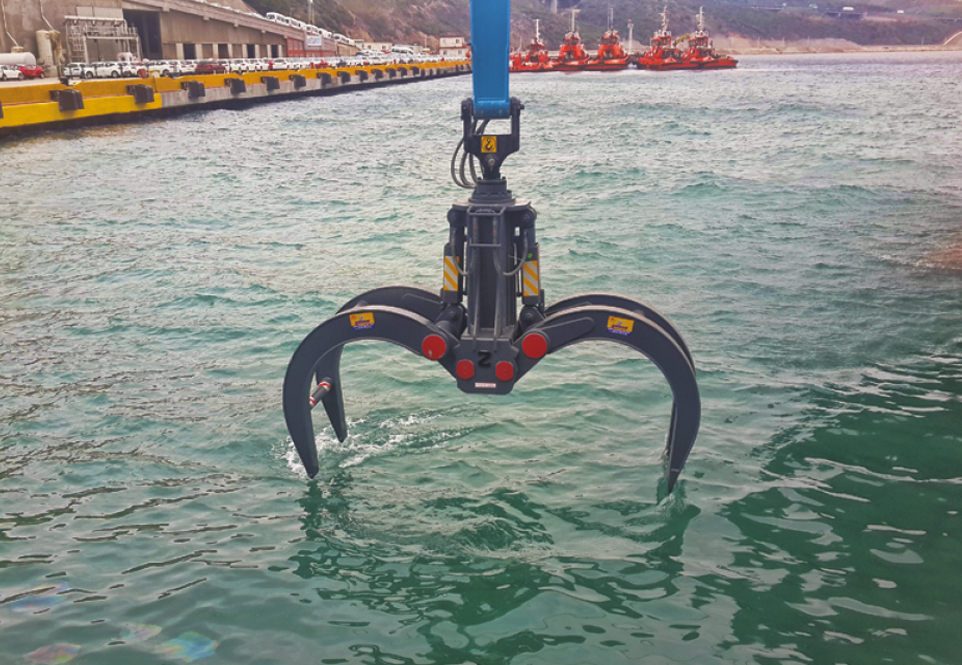
In timber handling operations, efficiency is rarely about machine power alone. The real difference usually comes from how well materials can be gripped, controlled, and moved without slowing the whole workflow down.
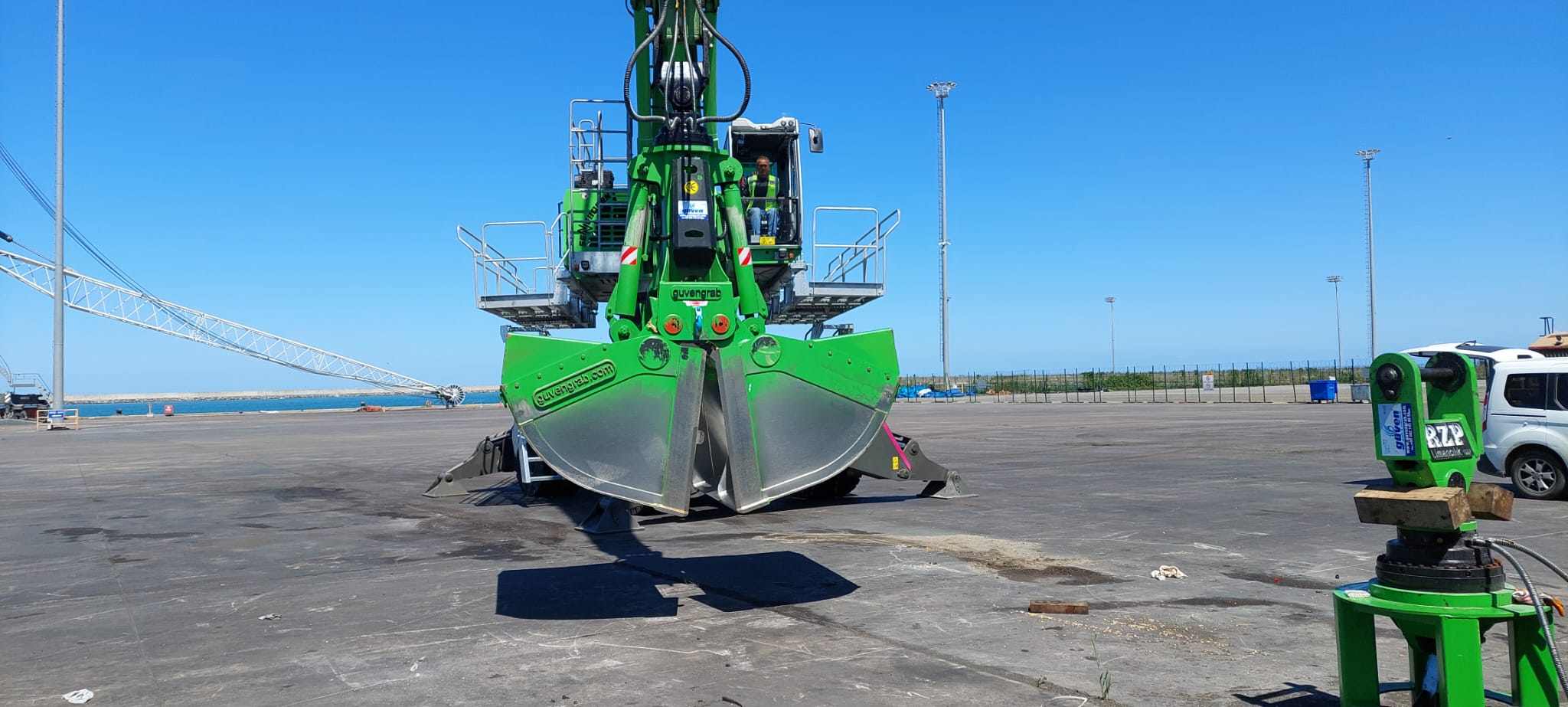
Whether the operation takes place in forestry, port terminals handling imported timber, or biomass facilities supplying renewable energy plants, the log grapple has become one of the most important attachments for keeping materials moving.
A well-engineered log grapple does much more than lift timber. It improves handling precision, reduces loading time, and helps minimize material damage. It also supports safer operations by giving operators better control over the load.
When selected correctly, a hydraulic log grapple can reduce idle time between handling cycles and improve load stability. That directly affects productivity and operating costs.
Still, many operations underestimate how much grapple design influences performance. Questions like “Is the grapple properly matched to the carrier machine?”, “Does the tine geometry fit the logs being handled?” or “Is the hydraulic setup right for the job?” often come up only after problems appear.
By then, the operation may already be dealing with inefficiency, extra wear, or avoidable downtime.
This guide gives a structured technical overview of log grapples. It starts with the basics of how they work, then moves through design types, selection criteria, installation practices, and maintenance considerations. The goal is to help engineers, operators, and procurement teams evaluate a forestry grapple attachment not just as an accessory, but as a productivity tool that affects long-term performance.
What Is a Log Grapple and How Does It Work
At its core, a log grapple is a specialized material handling attachment designed to grip, lift, and move timber with minimal manual intervention.
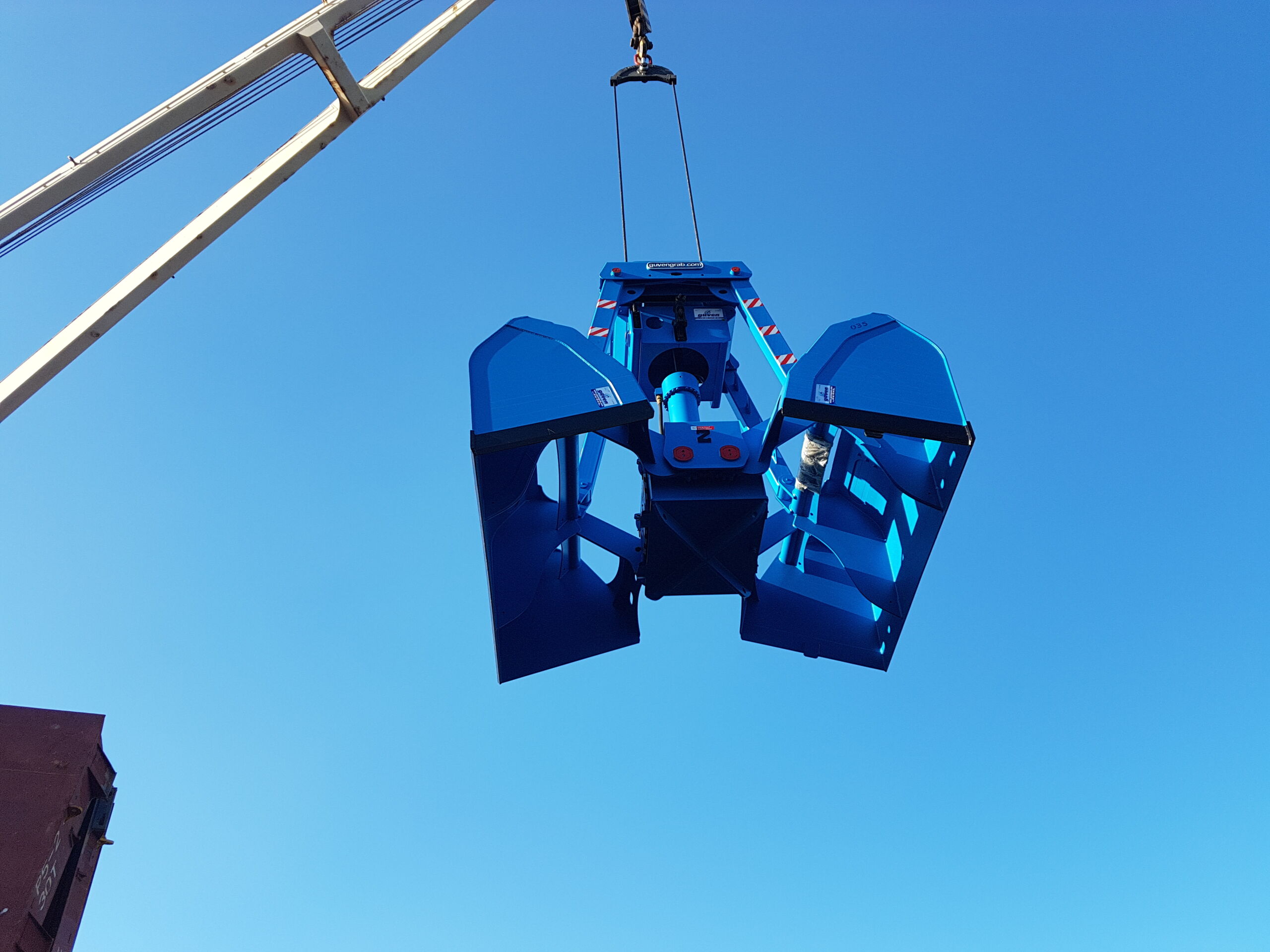
Unlike general-purpose buckets or hooks, a grapple uses opposing curved arms, often called tines, that close around logs with hydraulic force. This design allows operators to handle several logs at once while keeping the load stable during lifting and transport.
The effectiveness of a grapple depends mainly on three structural elements:
- Tine geometry determines how well the grapple fits different log diameters.
- The frame structure distributes the forces created during lifting.
- The pivot and cylinder system converts hydraulic pressure into controlled gripping movement.
When the grapple closes, hydraulic cylinders create force that becomes clamping pressure at the tine tips. Good engineering makes sure this force is spread across the load instead of concentrated in one small area. That helps prevent log slippage and reduces fatigue on the grapple structure.
The grapple’s center of gravity also matters. A balanced design allows the attachment to align naturally with the load. This reduces unwanted swing and gives the operator better control. In high-cycle environments, such as port loading, even small stability improvements can save measurable time over a full shift.
From an engineering perspective, a log grapple should not be judged only by lifting capacity. It should also be evaluated by how efficiently it turns hydraulic energy into stable gripping performance.
How Hydraulic Log Grapples Improve Handling Precision
Modern hydraulic log grapples offer a level of control that mechanical systems cannot easily match. Because they connect directly to the carrier machine’s hydraulic system, operators can adjust gripping force based on the load.
That is especially useful when handling mixed timber sizes or partially bundled materials.
Hydraulic systems also allow smoother opening and closing movements. This reduces shock loads that can damage both the attachment and the carrier machine. Controlled motion also reduces stress at pivot points and helps extend the life of structural components.
Another advantage is adaptability. Hydraulic grapples can maintain gripping force even when load shapes vary. For example, when handling uneven bundles, the hydraulic system helps maintain pressure across several contact points instead of losing grip on smaller pieces.
Precision also improves safety. A grapple that maintains stable pressure reduces the risk of dropped loads, which is a major concern in timber yards and port environments. This is why many operations that move from mechanical systems to hydraulic systems see improvements in both productivity and incident reduction.
As operations focus more on cycle time, fuel use, and equipment wear, hydraulic log grapples are no longer just handling tools. They are performance components within the larger material handling system.
Key Design Types: Bypass vs. Non-Bypass Grapples
Choosing the right grapple design is one of the most overlooked decisions in timber handling. Many buyers focus first on size and lifting capacity, but tine geometry often has a bigger effect on real-world performance.
The two most common designs in log grapple selection are bypass and non bypass grapples. Each supports different operating priorities. Understanding the difference helps prevent efficiency losses later.
Bypass Grapples and Their Operational Advantages
Bypass grapples have tines that cross over each other when closing. This overlapping movement helps the grapple secure irregular loads or mixed log diameters more effectively.
Instead of relying on parallel pressure points, the crossing structure creates several contact zones. That improves grip security.
This design is especially useful in forestry environments where logs rarely have the same diameter. When handling mixed timber, the bypass structure helps capture smaller logs between larger ones instead of allowing them to slip through the tine gaps. This reduces the need for extra handling cycles and improves loading efficiency.
Bypass grapples also work well in sorting operations. Because they can grip partial loads effectively, operators can pick smaller quantities without losing control. That helps in timber yards where logs need to be sorted by size, type, or quality.
Structurally, bypass grapples distribute gripping forces more flexibly. Since the tines can overlap, they adapt better to uneven load shapes. This helps reduce point loading and can lower structural stress compared with more rigid contact designs.
Operations that often benefit from bypass grapples include:
- Forestry harvesting sites handling mixed diameter timber
- Biomass facilities processing irregular wood waste
- Timber yards performing sorting operations
- Ports handling non standardized timber cargo
These environments usually need versatility more than perfectly uniform gripping geometry.
Non Bypass Grapples and When They Are Preferred
Non bypass grapples have tines that meet tip to tip without crossing. This creates a more rigid and predictable gripping pattern, which can be useful when logs are similar in size.
Because the tine structure remains symmetrical, the load usually stays more centered during lifting.
This design is often preferred when materials are relatively standardized. For example, in sawmill supply operations where logs are pre sorted by diameter, overlapping tine movement may not be necessary. Stability and predictable load alignment become more important.
Non bypass designs also offer structural simplicity. Since the tine movement is more constrained, these grapples often experience lower torsional stress during operation. That can support longer service intervals when the material profile is consistent.
Non bypass grapples are commonly used in:
- Sawmill feeding operations
- Uniform timber transport yards
- Industrial wood processing facilities
- Applications where load consistency is high
When material variability is low, the simpler geometry of a non bypass grapple can provide reliable and durable performance.
Structural Differences That Affect Performance
The visual difference between bypass and non bypass grapples looks simple. The operational difference is bigger than it first appears.
The choice affects load stability, wear behavior, and long term durability.
| Feature | Bypass Grapple | Non Bypass Grapple |
|---|---|---|
| Log size flexibility | Excellent for mixed diameters | Best for uniform logs |
| Grip adaptability | High | Moderate |
| Structural simplicity | Moderate | High |
| Sorting efficiency | High | Moderate |
| Stability with uniform loads | Good | Excellent |
| Maintenance complexity | Slightly higher | Slightly lower |
From a lifecycle cost perspective, the right choice is not about which design is stronger in general. It is about which design matches the material profile.
A mismatch between grapple design and material characteristics often causes productivity losses before it causes mechanical failure.
A useful question during log grapple selection is simple: will this grapple mostly handle uniform loads or unpredictable material shapes?
The answer usually points to the right design.
Why Use a Log Grapple: The Core Advantages
In modern timber handling, productivity is no longer measured only by lifting capacity. It is shaped by how quickly, safely, and consistently materials move through each stage of the operation.
This is where a properly selected hydraulic log grapple becomes a strategic investment rather than just another attachment.
Operations that move from conventional handling tools to purpose built grapples often see improvements in three measurable areas: cycle time, labor dependency, and equipment wear. These improvements directly affect the operating cost per ton handled.
One of the most immediate advantages is faster handling cycles. Grapples allow operators to lift several logs at once, so fewer movements are needed compared with single point lifting tools. Over hundreds of cycles a day, that difference becomes significant.
Another major advantage is improved material control. A well designed grapple lets operators position loads more precisely. This matters when stacking timber, feeding processing lines, or loading transport vehicles. Less repositioning means less fuel use and less machine fatigue.
Safety is another important factor. Manual intervention in timber handling creates serious risk. By allowing operators to control loads from the carrier machine, grapples reduce the need for ground personnel near moving timber. That lowers accident exposure.
From a financial point of view, these improvements often reduce total handling costs. A quality grapple may cost more at first, but the reduction in downtime, labor support, and material damage can justify the investment over time.
Another advantage that is easy to overlook is machine utilization. Material handlers and excavators are major capital investments. When these machines spend less time repositioning loads and more time actively moving material, their productivity increases without replacing the carrier equipment.
A practical question is worth asking here: is the handling attachment limiting the performance of the main machine?
In many cases, upgrading the grapple can create measurable gains without changing the machine itself.
Modern grapple engineering also focuses more on structural efficiency. Reinforced hinge points, improved tine shapes, and better hydraulic cylinder protection all help extend service life. That means less unexpected downtime, which is often far more expensive than planned maintenance.
Seen from an operational strategy perspective, a log grapple is not simply a tool for moving timber. It is a productivity multiplier that affects throughput, safety, and long term maintenance costs.
Primary Application Areas for Log Grapples
The versatility of a modern log grapple makes it useful across several industries where timber and wood based materials need to be handled efficiently.
Forestry is still the most obvious sector, but the range of applications has grown as biomass energy, recycling, and global timber trade have expanded.
Understanding where and how grapples are used helps decision makers choose the right configuration. Different industries prioritize different performance factors, such as speed, durability, precision, or adaptability.
Forestry Operations
Forestry is where log grapples show their full value. From harvesting support to roadside loading and timber yard management, grapples help keep material moving continuously.
During harvesting, grapples are often used to collect cut logs and prepare them for transport. Since harvested timber can vary in diameter and length, a grapple that adapts to irregular loads becomes essential. This is where bypass designs usually provide strong operational flexibility.
At roadside collection points, speed becomes the main priority. Trucks need to be loaded quickly to keep transport efficient. A properly sized forestry grapple attachment allows operators to handle larger volumes per cycle while keeping the load stable.
Sorting is another important task. Timber often needs to be separated by species, diameter, or quality grade. A grapple with precise control allows operators to pick and place logs selectively instead of moving large piles inefficiently.
Durability is just as important in forestry environments. Dirt, moisture, and impact loads are part of the job. Grapples used here need reinforced structures and protected hydraulic components to keep performance consistent.
Ports and Bulk Material Terminals
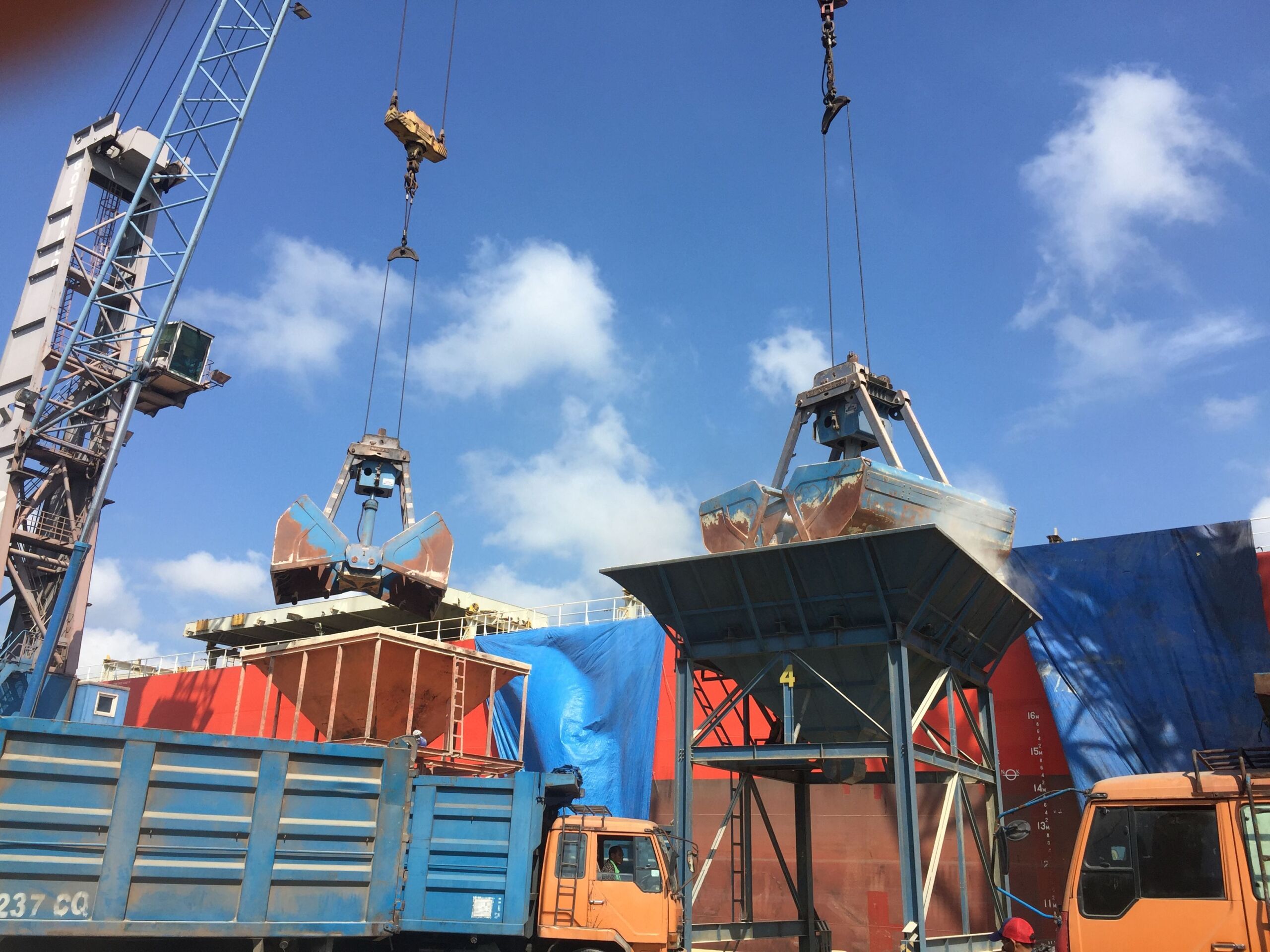
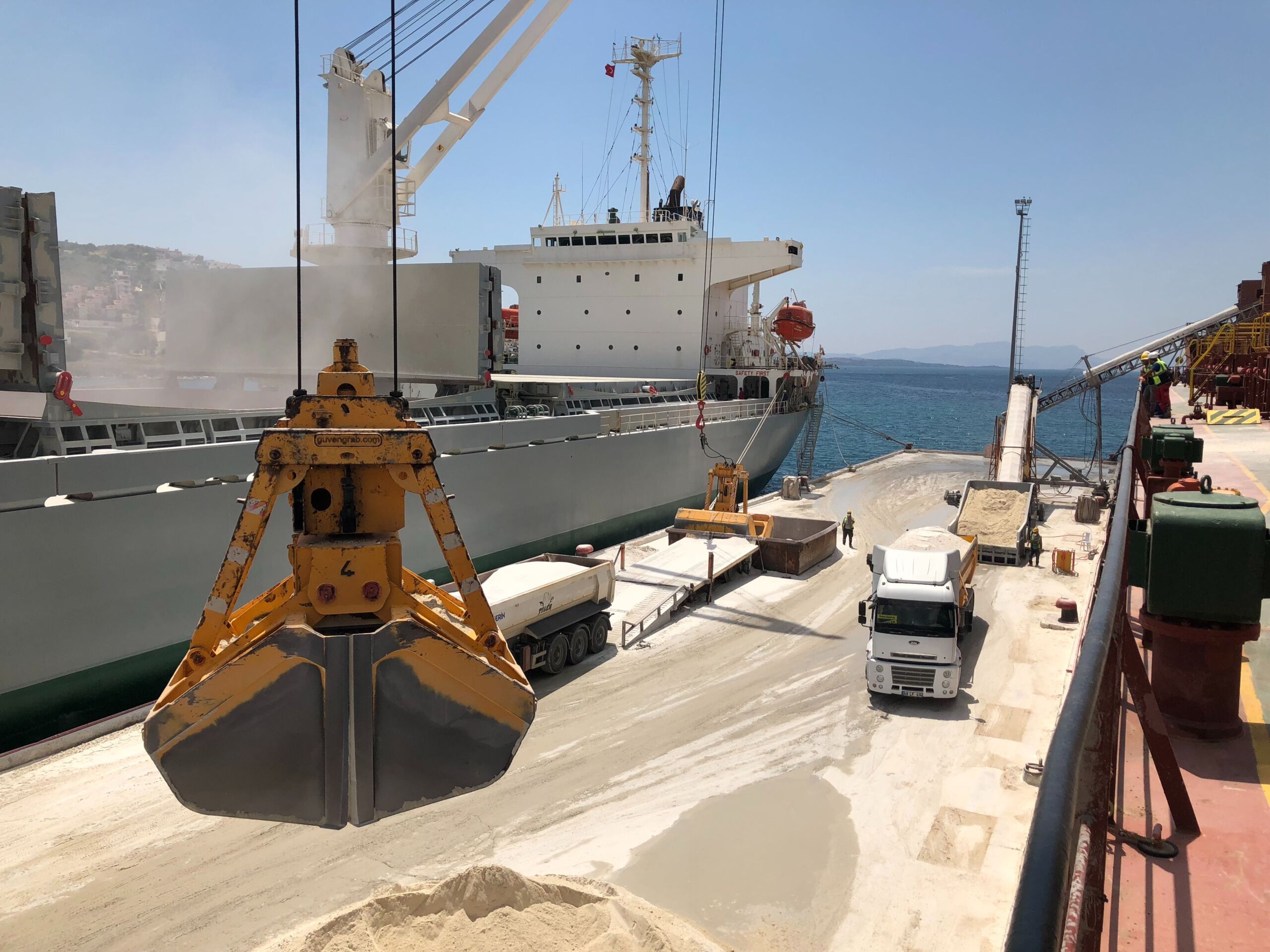
Log grapples also play an important role in maritime logistics, especially in ports handling timber imports, exports, and biomass cargo.
In these environments, operational efficiency is often measured by vessel turnaround time. That makes reliable handling equipment critical.
When unloading timber from vessels, grapples need to handle large volumes continuously without damaging the cargo. Since port cranes often operate at high cycle frequencies, grapple reliability directly affects throughput.
Port operations also involve significant lifting height. Timber transferred from ship holds to storage areas must remain stable during vertical movement. Grapples with balanced geometry and controlled hydraulic closing force help reduce load shift during these lifts.
Ports handling biomass materials such as wood chips or processed timber waste may also benefit from adapted grapple designs. While traditional log grapples focus on round timber, related designs can support other wood based cargo.
Operational continuity is especially important in ports. Any attachment failure during vessel work can create costly delays. That is why many terminal operators prioritize grapple manufacturers with proven engineering quality and service support.
Recycling and Biomass Facilities
As renewable energy investments grow, wood recycling and biomass facilities have become important application areas for log grapples.
These operations handle processed wood, waste timber, and irregular materials. That means flexibility often matters more than uniform gripping.
Unlike forestry operations, where logs may be relatively clean, recycling environments often involve contaminated or damaged wood. Grapples used here need to withstand abrasion, unpredictable load shapes, and frequent handling cycles.
Precision still matters in these heavy duty environments. Efficient feeding of shredders or processing equipment requires controlled material placement. A grapple that allows accurate positioning helps prevent blockages and supports processing continuity.
Safety is also important. Recycling facilities often operate in confined industrial spaces where uncontrolled loads can create risk. Reliable gripping performance reduces the chance of dropped materials and improves site safety.
Biomass facilities also depend on steady material flow because feedstock continuity affects energy production. Grapples that maintain consistent cycle speeds help support a stable supply to processing systems.
Across all these industries, one idea is clear. The value of a log grapple is not limited to lifting capacity. Its real impact comes from how it improves predictability, reduces interruptions, and supports smoother workflow.
This raises an important selection question: is the grapple designed for the environment it will actually work in, or only for the load size it needs to lift?
That distinction often determines whether the equipment performs well over time.
How to Select the Right Log Grapple for Your Needs
Selecting the right log grapple is not just about choosing a size that matches the carrier machine’s lifting capacity.
In practice, the decision requires balancing mechanical compatibility, material characteristics, and long term durability. A poorly matched grapple may still work, but it rarely works at peak efficiency. It may also create avoidable wear on both the attachment and the machine.
A structured log grapple selection process usually focuses on three engineering factors: machine compatibility, material profile, and structural quality.
Matching Grapple Capacity with Carrier Machine
The first technical checkpoint should always be compatibility with the carrier machine. This includes lifting capacity, hydraulic flow, operating pressure, and attachment weight.
A grapple that is too heavy may reduce the machine’s effective lifting capacity. A grapple that is too small may limit productivity.
Engineers typically evaluate three key compatibility parameters:
- Carrier lifting capacity in grapple mode
- Hydraulic flow rate and pressure limits
- Attachment dead weight relative to safe lifting limits
Ignoring these factors can result in lower lifting performance or unstable operation. For example, if the grapple weight consumes too much of the machine’s lifting capacity, the remaining payload decreases. That directly affects efficiency.
Hydraulic compatibility is just as important. If the machine cannot supply the required flow, the grapple may operate slowly or fail to reach proper gripping pressure. On the other hand, excessive pressure without correct calibration may accelerate seal wear and shorten cylinder life.
A practical selection rule is to treat the grapple as part of the machine, not as a separate accessory. When viewed this way, selection becomes an engineering matching process rather than a simple purchasing decision.
Material Type and Log Characteristics
The physical characteristics of the logs should heavily influence grapple design.
Log diameter variation, wood density, moisture content, and surface condition all affect gripping requirements.
For example, freshly cut timber with high moisture content requires different gripping behavior than dry processed logs. Wet logs can slip more easily, so tine geometry needs to support better contact stability.
Diameter variation also matters. Operations handling mixed timber sizes benefit from grapple designs that allow adaptive gripping instead of fixed contact spacing. This is why bypass grapples are often selected for harvesting operations, while more rigid designs are used in standardized industrial environments.
Load shape consistency is another factor that is easy to miss. Straight logs behave very differently from curved or damaged timber. Grapples with wider opening ranges and well shaped tines usually perform better in unpredictable material conditions.
Operators sometimes focus only on maximum lifting capacity and ignore material variability. In real operations, though, handling efficiency often depends more on how well the grapple adapts to changing loads than on its theoretical lifting strength.
Structural Durability and Steel Quality Considerations
Beyond compatibility, structural quality has a major effect on long term performance.
A grapple works under repeated load cycles, shock forces, and harsh environmental conditions. Material selection and manufacturing quality therefore shape lifecycle cost.
High strength structural steels are usually preferred for critical load bearing components because they provide strength without adding unnecessary weight. Reinforced hinge zones and protected cylinder mounts also support long term durability.
Weld quality is another critical factor, even though it is not always easy to see. Poor welding can create stress concentration points that eventually lead to fatigue cracks. Manufacturers with strong engineering processes typically use controlled welding procedures and stress optimized structural designs to reduce these risks.
Component protection also deserves attention. Hydraulic hoses, cylinder rods, and pivot points should be protected from impact and debris. In demanding environments such as forestry or recycling, unprotected components often become the first source of failure.
A useful long term perspective is to look beyond purchase price and consider expected operating life. In many cases, investing slightly more in structural quality reduces maintenance costs and prevents interruptions later.
The most effective buyers often ask a simple question during selection: how will this grapple perform after thousands of cycles, not just on the first day?
That mindset shifts the decision from cost comparison to performance evaluation.
Fixed vs Rotator Grapples: Which Is Best for Your Job?
One of the most important configuration decisions during log grapple selection is whether the application needs a fixed grapple or a model with a rotator.
Both designs perform the same basic gripping function. But their operating behavior can differ significantly depending on the workflow.
The choice is not really about which one is “better.” It depends on how much positioning flexibility the job requires and how often the load orientation must change.
Fixed Grapples for Simplicity and Strength
Fixed grapples are mounted directly to the carrier without a rotating mechanism. This creates a simpler structure with fewer moving parts.
Because there is no rotator unit, the load path between the machine and the grapple is more direct. This can slightly improve structural rigidity.
That simplicity can be useful in heavy duty environments where durability is the main concern. Fewer components usually mean fewer maintenance points and lower long term service complexity.
Fixed grapples are often suitable for operations where:
- Material direction rarely changes
- Logs are moved in predictable patterns
- Loading points are consistently aligned
- Maximum structural robustness is preferred
In these cases, the lack of rotation does not hurt productivity much because the handling pattern is repetitive and predictable.
Another advantage is lower maintenance exposure. Rotator systems include extra hydraulic components and bearings that require periodic inspection. Fixed grapples avoid that complexity, which makes them attractive for operations that value mechanical simplicity.
The tradeoff is that fixed designs may require more machine repositioning when precise placement is needed. That can slightly increase cycle time in operations with frequent alignment adjustments.
Rotator Grapples for Precision Handling
Rotator grapples include a hydraulic or mechanical rotation unit between the grapple and the carrier machine. This allows the operator to rotate the load without moving the entire machine.
In environments where logs need to be stacked precisely or positioned in confined spaces, this flexibility can improve efficiency significantly. Instead of repositioning the machine again and again, the operator can fine tune the load orientation through the rotator.
This advantage is especially clear in:
- Timber yard stacking operations
- Truck loading where alignment matters
- Port handling where space is limited
- Sorting operations requiring precise placement
Rotator systems also reduce unnecessary machine movements. Less repositioning can mean lower fuel use and less wear on the carrier machine’s swing components.
Operator workflow can improve too. Being able to adjust load orientation directly often makes handling smoother and reduces corrective cycles.
Modern rotator systems are designed to handle significant loads while maintaining rotational stability. High quality rotators typically include reinforced bearing structures and sealed hydraulic systems to support reliability in continuous operation.
Productivity Impact of Rotator Systems
From an operational point of view, rotator grapples often improve productivity when precision handling is frequent.
The lifting speed itself may not change much. The real gain comes from reducing repositioning time.
If a rotator saves even a few seconds per cycle, the total time saved across hundreds of daily cycles can become substantial.
| Operational Factor | Fixed Grapple | Rotator Grapple |
|---|---|---|
| Structural simplicity | High | Moderate |
| Positioning flexibility | Limited | Excellent |
| Maintenance points | Lower | Higher |
| Precision placement | Moderate | High |
| Cycle time efficiency | Good | Very good in precision tasks |
| Machine repositioning need | Higher | Lower |
Still, rotators are not automatically the right choice. In simple loading operations where orientation changes are rare, the added complexity may not provide enough benefit.
A practical decision question is this: does the operation require frequent load alignment, or mostly repetitive lifting?
If precise placement is part of the daily workflow, a rotator grapple usually justifies its added complexity. If not, a fixed design may be more economical and durable.
Key Steps for Proper Grapple Installation
Even the most advanced hydraulic log grapple cannot perform properly if installation is handled poorly.
Installation is not just a mechanical task. It is an engineering step that affects safety, stability, and long term durability.
Improper installation can lead to uneven wear, hydraulic inefficiency, structural stress, or unpredictable load behavior. That is why installation should be treated as a commissioning process, not simply as mounting an attachment.
A proper installation process usually includes three main stages: mechanical mounting, hydraulic integration, and operational verification.
Mechanical Mounting Considerations
The first priority is mechanical compatibility between the grapple and the carrier machine.
This includes correct pin sizing, adapter alignment, and structural fit between the attachment interface and the machine boom or stick.
Misalignment at this stage can create uneven load distribution. Over time, that may cause premature wear on pins and bushings. Even small alignment errors can lead to vibration, structural fatigue, or connection failures.
Important mechanical checks usually include:
- Pin tolerance and clearance verification
- Adapter plate alignment
- Secure locking mechanisms
- Structural contact surface inspection
It is also important to confirm that the grapple hangs freely without unintended interference. A properly mounted grapple should align naturally with gravity when unloaded. If it tilts unexpectedly, there may be mounting imbalance or incorrect connection geometry.
Fastener torque control is another detail that should not be skipped. Bolted adapter systems should be tightened according to manufacturer torque specifications to prevent loosening during operation.
Taking time at this stage helps prevent many issues that would otherwise show up later as maintenance problems.
Hydraulic System Connection and Calibration
After mechanical mounting, hydraulic integration becomes the next critical step.
Because a grapple depends entirely on hydraulic performance, poor hose routing or incorrect pressure setup can reduce efficiency and reliability.
Hydraulic connections should be arranged to prevent twisting, excessive bending, or abrasion. Poor routing often leads to early hose failure, one of the most common avoidable maintenance problems.
Hydraulic setup usually includes:
- Proper hose length selection
- Protection against sharp edges
- Pressure rating verification
- Flow compatibility checks
Calibration is just as important. The hydraulic system should provide enough gripping force without exceeding recommended pressure levels. More pressure does not always mean better performance. In fact, excess pressure can shorten seal life and increase wear.
Operators should also confirm smooth opening and closing during the first test runs. Jerky movement may indicate trapped air in the system or incorrect flow settings.
Another good practice is checking that hydraulic connections allow the full range of grapple movement without hose tension. Restricted hose movement is a frequent cause of premature failure.
Pre Operation Testing
Before the grapple is used in regular service, a structured testing phase should be completed. This confirms that the mechanical and hydraulic systems are working correctly under real operating conditions.
Initial testing should begin without load. The operator should run full opening and closing cycles while checking for abnormal sounds, hydraulic leaks, or irregular motion.
Once basic function is confirmed, controlled load testing can begin. It is better to start with moderate loads before moving toward full capacity. Gradual testing helps detect issues early without exposing the equipment to unnecessary risk.
Pre operation checks should usually include:
- Functional movement verification
- Hydraulic leak inspection
- Load stability observation
- Connection point inspection after initial cycles
It is also wise to recheck all connection points after the first few hours of operation. Small settling movements can happen during early use, and early inspection keeps them from becoming larger problems.
A properly installed grapple should show three clear signs during testing:
- Smooth hydraulic movement
- Stable load control
- No visible stress at mounting points
Skipping structured commissioning often leads to avoidable downtime later. Careful installation helps the grapple begin its working life under the right conditions.
Best Practices for Maximizing Safety and Efficiency
Once a log grapple is installed correctly, operating practices become the main factor behind performance.
Even a well-engineered forestry grapple attachment can underperform if handling techniques are inconsistent or operators are not trained in efficiency-focused methods.
The difference between average and high-performing operations often comes down to consistency. Small improvements in technique can reduce cycle time, limit equipment wear, and improve workplace safety.
Proper Techniques for Lifting, Stacking, and Sorting Logs
Efficient timber handling starts with correct gripping technique.
Operators should position the grapple so the tines engage the load as centrally as possible. Off-center gripping increases load instability and forces the machine to compensate for imbalance.
Controlled closing force is also important. Excessive pressure does not always improve grip security. It may damage timber or create unnecessary stress on the grapple structure. Proper hydraulic pressure should provide firm contact without crushing the material.
When stacking logs, controlled downward movement is better than dropping the load. Sudden release creates shock loads that can accelerate wear in both the grapple and the carrier boom.
Sorting operations also benefit from careful technique. Instead of grabbing excessive volumes, controlled partial loads often improve accuracy and reduce repositioning. This can actually improve total throughput because it reduces correction cycles.
Experienced operators often follow a simple efficiency principle: smooth movements are usually faster than aggressive ones when measured across a full shift.
Common Operating Mistakes to Avoid
Many grapple related problems come not from design limitations, but from avoidable operating habits.
One common mistake is side loading. This happens when operators try to drag logs sideways while the grapple is partly closed. Grapples are designed mainly for vertical load handling. Side forces can create structural stress and accelerate pivot wear.
Overloading is another frequent issue. An occasional overload may not cause immediate failure, but repeated stress beyond design limits can cause fatigue cracks over time. Operators should respect rated capacity limits even when the machine appears capable of lifting more.
Poor gripping angles also reduce efficiency. Picking logs from awkward angles often creates unstable loads that need repositioning. Taking a moment to align properly often saves time overall.
Another mistake is using the grapple as a pushing or prying tool. Yes, grapples are strong. No, they are not bulldozers. This kind of misuse often leads to tine wear or cylinder stress.
Training that addresses these habits can produce clear improvements in maintenance cost and equipment life.
Load Balancing and Preventing Swing or Jitter
Load stability is one of the most important safety factors in timber handling. Uncontrolled movement creates risk for both equipment and nearby personnel.
Swing often happens when loads are lifted too quickly or when the machine changes direction suddenly during transport. Smooth acceleration and deceleration help reduce pendulum effects.
Keeping the load close to the machine during transport also improves stability. The farther the load moves from the machine’s centerline, the greater the leverage forces affecting control.
Rotator-equipped grapples can help here. Small rotational adjustments during lifting can center the load naturally and reduce swing without large machine movements.
Operators can also improve stability by gripping logs evenly instead of clamping one end. Balanced gripping spreads weight more evenly and improves control.
From a safety perspective, stable loads are predictable loads. And predictable loads are much easier to manage.
In many high-performing operations, safety and efficiency improve together. Stable handling reduces corrections. Fewer corrections reduce cycle time. Lower cycle time improves productivity.
The Essential Log Grapple Maintenance Checklist
Consistent maintenance is one of the most important factors behind long-term hydraulic log grapple performance.
These attachments are designed for demanding environments, but reliability still depends on routine inspection and preventive care. Reactive repairs are rarely the best plan.
Many costly failures do not happen suddenly. They usually begin as small wear indicators that go unnoticed. A structured maintenance routine helps teams catch these warning signs before they become downtime.
A well-maintained grapple lasts longer and keeps its gripping performance more consistent. That directly supports safety and productivity.
Routine Inspection of Tines, Hoses, and Cylinders
Routine visual inspection should be the first line of defense against unexpected failures.
Because grapples work under repeated stress cycles, structural components should be checked regularly for early fatigue signs.
Tines should be inspected for deformation, cracks, or excessive wear at contact points. Even small structural changes can affect gripping performance and load balance. Catching them early allows corrective action before the problem grows.
Hydraulic hoses also need careful monitoring. Operators should look for abrasion marks, surface cracks, or oil residue that may indicate early leakage. Hose failures are among the most common causes of unexpected downtime, but many are preventable with early detection.
Hydraulic cylinders should be checked for rod condition and seal integrity. Scratches on cylinder rods may allow contamination to enter the sealing system and eventually cause internal leakage.
Inspection routines work best when they are part of daily operator checks, not occasional maintenance events. A short daily inspection can save hours of repair downtime later.
When to Lubricate and What to Check
Lubrication is sometimes underestimated in heavy attachment maintenance, but it plays a major role in extending component life.
Pivot points, bushings, and pin connections all rely on proper lubrication to prevent friction-related wear.
Lubrication intervals depend on operating intensity. High-cycle environments, such as port operations, may require more frequent lubrication than lower-cycle forestry work.
During lubrication checks, operators should also see whether grease spreads evenly across contact surfaces. Uneven distribution may point to misalignment or blocked lubrication channels.
Beyond lubrication points, maintenance checks should include:
- Pin wear measurement
- Bushing clearance inspection
- Fastener tightness verification
- Protective guard condition checks
These small checks help protect the structure of the grapple across thousands of cycles.
A good maintenance culture treats lubrication not as a routine chore, but as a structural protection measure.
Troubleshooting Common Issues
Even with good maintenance, operational issues can still appear. Understanding common symptoms and likely causes helps maintenance teams respond faster.
Loss of gripping force is one of the most common concerns. It may come from hydraulic pressure loss, internal cylinder leakage, or valve calibration issues. Early diagnosis helps prevent unnecessary part replacement.
Hydraulic leaks are another typical issue. These often come from worn seals or damaged hose connections rather than major system failures. Prompt seal replacement usually prevents escalation.
Structural damage can occur after accidental overload or improper use. Bent tines or distorted frames should be evaluated immediately. Continuing to operate with structural deformation can create additional stress points.
| Observed Issue | Possible Cause | Recommended Action |
|---|---|---|
| Reduced gripping strength | Hydraulic pressure loss | Check system pressure and seals |
| Oil leakage | Worn seals or hose damage | Replace affected components |
| Uneven closing movement | Hydraulic imbalance or air in the system | Recalibrate and bleed the system |
| Excessive play in joints | Pin or bushing wear | Replace worn parts |
| Visible structural cracks | Overload or fatigue | Immediate structural inspection |
A proactive maintenance approach reduces total ownership cost far better than reactive repairs. In high-utilization operations, preventing even one major failure can offset maintenance investments many times over.
A useful long-term mindset is to view maintenance not as a cost, but as operational insurance.
How Engineering Quality Impacts Long Term Performance
Correct selection, installation, and operation all matter. Still, the long term success of a log grapple depends heavily on engineering quality.
Two grapples with similar specifications on paper can perform very differently after several thousand cycles. The difference usually comes down to structural engineering, manufacturing quality, and component selection.
For procurement teams focused on lifecycle value rather than only purchase price, these factors often decide whether the attachment becomes a reliable asset or a recurring maintenance concern.
Manufacturing Quality and Welding Standards
Structural reliability starts with engineering design and manufacturing discipline.
A grapple is constantly exposed to dynamic loads, impacts, and fatigue stress. Without proper structural design and welding quality, these stresses build up and eventually create failure points.
Professional manufacturers often use finite element analysis during the design phase to understand how stress moves through the structure. This allows reinforcement to be placed where it is actually needed instead of simply adding more material everywhere.
Welding quality is just as critical. Controlled welding procedures help prevent internal stress concentrations that may not be visible from the outside but can lead to cracks over time. Proper weld penetration, heat control, and post weld inspection all support longer structural life.
Dimensional accuracy also matters. Poorly aligned components can create uneven force distribution during operation. Precision manufacturing helps moving parts work smoothly and allows hydraulic force to translate into predictable gripping motion.
From an operational point of view, the difference between basic fabrication and engineered manufacturing often becomes visible only after extended use. Equipment built with strong engineering discipline usually maintains consistent performance for longer.
Component Selection and Hydraulic Reliability
Beyond structural design, component quality has a major effect on operational reliability.
Hydraulic cylinders, seals, hoses, and rotators can all become failure points if quality standards are inconsistent.
High quality hydraulic components provide stable sealing performance, which prevents pressure loss and maintains gripping efficiency. Lower quality sealing systems may work at first, but they often degrade faster in heavy cycle conditions.
Cylinder rod protection is another important design detail. In demanding environments, exposed cylinder rods are vulnerable to impact damage and contamination. Protective design features can reduce that risk significantly.
Rotator units, when used, also require careful component selection. Since rotators operate under combined axial and radial loads, bearing quality is a decisive factor. Reliable rotator systems usually use proven component suppliers and reinforced bearing structures.
Hose protection and routing are also easy to overlook. Manufacturers with field experience design hose paths to reduce abrasion and bending stress. This kind of detail often reflects real world operational understanding, not just theoretical design.
In many cases, long term hydraulic reliability depends more on component selection philosophy than on basic performance specifications.
Why Working with a Specialized Grab Manufacturer Matters
One important selection factor is the manufacturer’s level of specialization.
Companies focused specifically on grab engineering usually have deeper operational feedback than general equipment fabricators. They refine designs based on field performance data, service feedback, and real operating challenges across different industries.
That experience often turns into small but important design improvements that may not be obvious in a specification sheet.
Technical support is another key point. Timber and bulk material operations may need configuration adjustments, spare parts planning, or operating guidance. Working with a manufacturer that understands these environments can reduce problem solving time.
Engineering focused manufacturers also tend to prioritize lifecycle performance rather than minimum production cost. That often leads to stronger structures, better component sourcing, and more reliable long term operation.
From a procurement perspective, this creates a strategic question: is the grapple being evaluated as a commodity product or as an engineered productivity tool?
Organizations that treat handling equipment as part of their productivity infrastructure usually evaluate engineering expertise and service capability alongside price.
Conclusion
A log grapple may look like a simple attachment, but its impact on operational performance is significant.
From design selection to installation, and from daily operation to maintenance discipline, each stage affects how well the equipment supports productivity and safety.
Understanding the differences between grapple types, choosing the right configuration for the work environment, and ensuring proper installation all help improve operational return. Just as importantly, consistent operating habits and preventive maintenance keep that performance from declining over time.
For engineers and decision makers evaluating log grapple selection, the best approach is to look beyond basic lifting capacity. Carrier machine compatibility, material adaptability, structural durability, and manufacturer expertise all play defining roles in long term success.
Ultimately, the right grapple should do more than lift timber. It should support workflow continuity, reduce operational risk, and deliver predictable handling performance across thousands of cycles.
Viewed from this broader perspective, a well engineered grapple is not just an attachment. It is a strategic investment in operational efficiency.
Organizations that approach grapple selection with this mindset usually achieve better uptime, lower lifecycle costs, and more consistent handling performance.
Table of Contents
- What Is a Log Grapple and How Does It Work
- Key Design Types: Bypass vs. Non-Bypass Grapples
- Why Use a Log Grapple: The Core Advantages
- Primary Application Areas for Log Grapples
- How to Select the Right Log Grapple for Your Needs
- Fixed vs Rotator Grapples: Which Is Best for Your Job?
- Key Steps for Proper Grapple Installation
- Best Practices for Maximizing Safety and Efficiency
- The Essential Log Grapple Maintenance Checklist
- How Engineering Quality Impacts Long Term Performance
- Conclusion