Key Considerations When Selecting Material Handling Equipment For Mines
In mining operations, material flow is what keeps production alive. Material handling equipment is not just there to support the process. It drives it. Every loading cycle, every grab movement, and every minute of downtime directly affect extraction efficiency, workforce safety, and overall cost control. As mines aim for higher output while facing stricter safety and regulatory standards, the room for error in equipment selection becomes increasingly limited.
Selecting the right mining material handling equipment goes far beyond reviewing technical specifications or comparing price tags. The evaluation must consider material characteristics, operational duty cycles, safety performance, adaptability, and long-term ownership costs. Whether the task involves dense mineral ores, abrasive bulk materials, or irregular loads such as timber and scrap, the right grab system can shorten cycle times, reduce mechanical stress, and help maintain stability in demanding conditions.
What To Look Out For While Buying Material Handling Equipment
When reviewing material handling equipment for mining operations, one of the most frequent mistakes is approaching the purchase as a simple capital expense. In reality, it is a long-term operational decision. Mines function in harsh environments, under extended duty cycles, with very little tolerance for unplanned downtime. For that reason, equipment selection should begin with a realistic view of how the grab will perform not only on day one, but after thousands of cycles in abrasive and unpredictable conditions.
Decision-makers need to look closely at how the equipment integrates with existing lifting systems, how quickly it can be deployed or repositioned, and how much operator involvement it requires during daily use. Systems that depend on external power units, generators, or complex cable drums may appear suitable at first glance, yet they often introduce hidden inefficiencies. Setup delays, additional maintenance requirements, and more potential failure points can gradually affect overall performance. By contrast, self-contained solutions that function independently of extra infrastructure typically deliver faster response times and more stable performance in active mining areas.
Operational continuity is another key factor. Mining sites rarely have the flexibility for long maintenance interruptions, which means equipment must be built for endurance. Grabs designed for continuous operation over extended shifts, with reduced mechanical complexity, help limit stoppages and keep production flow steady. Evaluating these elements early allows procurement teams to move beyond surface-level comparisons and concentrate on equipment that truly supports production goals and safety standards.
Material Characteristics And Handling Challenges
Mining materials do not behave uniformly during handling, and this variation creates specific demands on grab design and performance. Density, abrasiveness, moisture levels, and particle size all influence how material flows, how it settles inside the grab, and how much structural stress is generated in each cycle. Overlooking these variables during selection often leads to lower efficiency, faster wear, and increased operating costs over time.
High-density ores, for instance, apply considerable pressure on grab shells and pivot points. Abrasive materials gradually wear down contact surfaces when appropriate steel grades are not used. Moist or sticky materials can affect closing performance and increase spillage if jaw geometry is not properly optimized. These realities highlight why material characteristics must shape both the choice of grab type and the level of structural reinforcement from the very beginning.
Impact Of Abrasive And High Density Materials
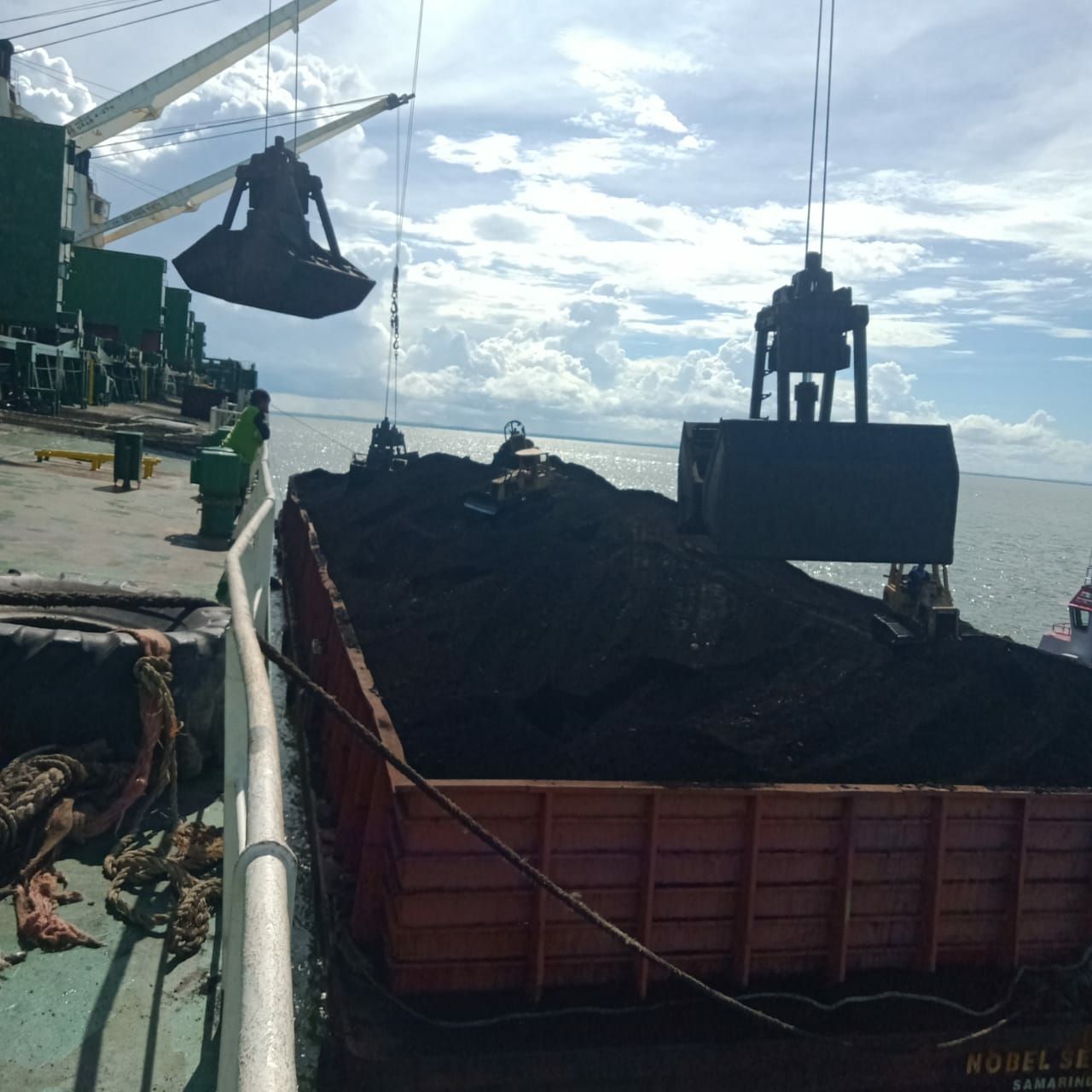
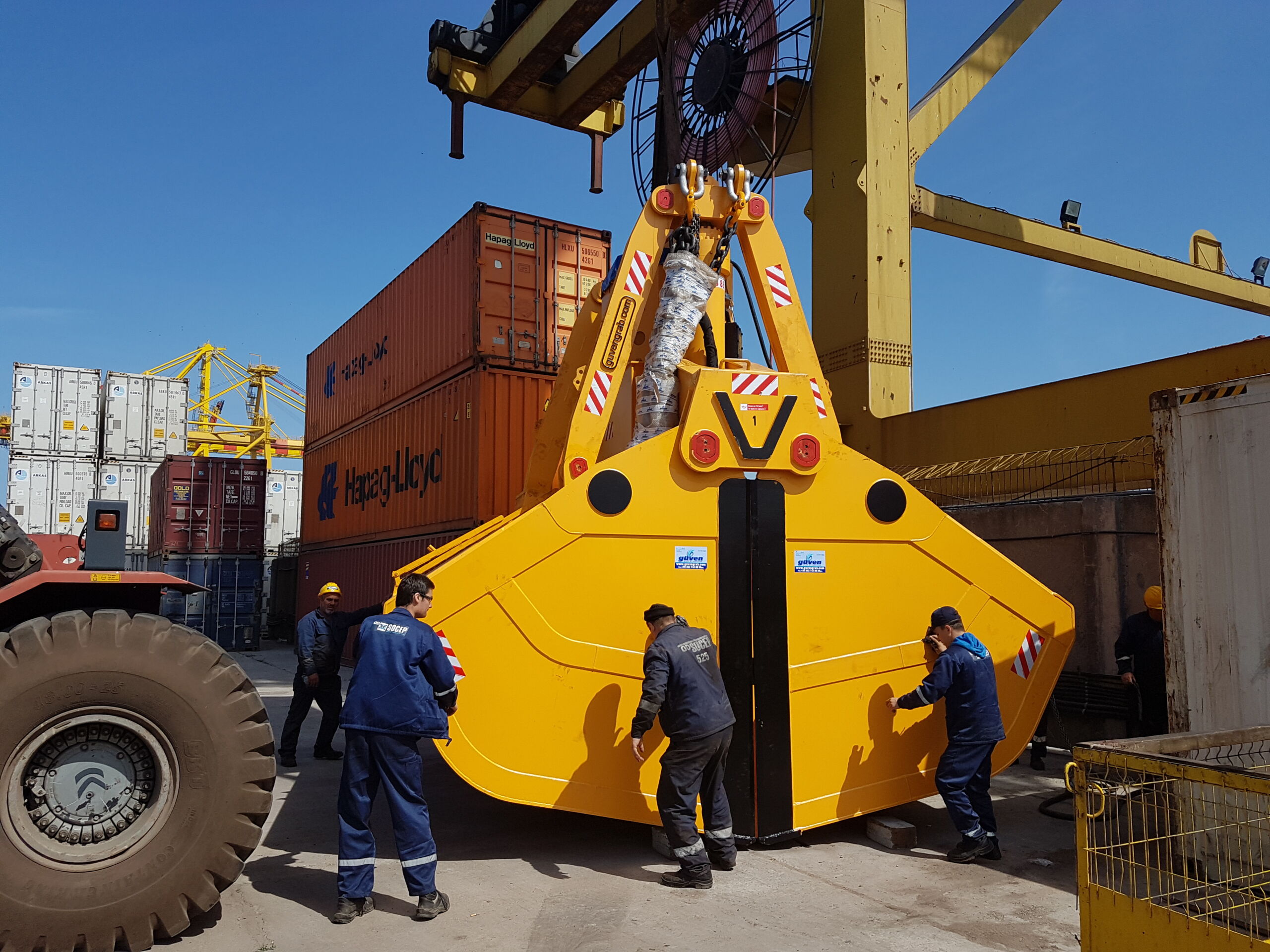
Working with abrasive minerals such as iron ore, bauxite, or crushed stone requires more than standard construction. These materials place continuous stress on equipment surfaces, which is why reinforced shells and wear-resistant steel structures are essential. Hardox-reinforced grab bodies help extend service life by resisting surface erosion and deformation during repeated high-load cycles. This added durability does more than reduce replacement frequency. It preserves the grab’s geometry over time, allowing load behavior to remain predictable and lifting performance to stay stable.
When high-density materials are involved, the mechanical load increases even further. Pins, hinges, and closing mechanisms are subjected to amplified stress with every cycle. Grabs designed specifically for these conditions distribute forces evenly throughout the structure. This balanced load distribution minimizes localized fatigue and reduces the likelihood of unexpected mechanical failure. In mining operations, where unplanned downtime can interrupt entire extraction lines, this structural strength directly contributes to operational reliability.
Bulk Versus Irregular Material Profiles
Uniform bulk materials behave very differently from irregular loads such as overburden, scrap, or timber. Materials with consistent particle sizes are typically best handled with clamshell-style designs that support efficient filling and controlled discharge. Irregular materials, on the other hand, require gripping systems that can adapt to uneven shapes and secure them without excessive spillage.
Timber and log handling introduces its own set of challenges. In these cases, load stability depends less on containment by weight and more on balanced clamping pressure. Timber and log grabs are therefore designed with jaw profiles that distribute force evenly along the surface of the log. This approach reduces slippage and helps prevent damage to both the material being handled and the equipment itself. Recognizing these differences ensures that the selected grab performs consistently across the specific material profiles present at the mining site.
Load Capacity And Duty Cycle Alignment
In mining operations, choosing material handling equipment based only on nominal load capacity can lead to costly consequences. Maximum payload ratings offer a reference, but they do not always represent real operating conditions. In practice, repeated cycles, partial loads, and variations in material behavior create ongoing stress on both the grab and the lifting system. Equipment suitability becomes clear only when load capacity is assessed together with the expected duty cycle.
Mining sites typically run for extended hours with very limited idle periods. Grabs are exposed to sustained mechanical loading rather than occasional use. Equipment designed for short or intermittent cycles may technically meet load requirements, yet struggle under continuous operation. Reviewing duty cycle compatibility helps ensure that the grab can perform reliably without overheating, accelerated wear, or gradual structural degradation.
Matching Grab Capacity With Crane Performance
Grab selection must also account for the crane’s safe working load under actual operating radii. An oversized grab can consume too much crane capacity, reducing the effective material payload. An undersized grab, on the other hand, increases the number of cycles required and places additional strain on operations. Aligning grab weight, material density, and crane performance enables a balanced approach that supports both productivity and mechanical safety.
Well-aligned systems also help reduce dynamic loading during lifting and lowering. Minimizing shock loads on crane structures and wire ropes extends the service life of both the grab and the lifting equipment. In high-throughput mining environments, these operational refinements translate into improved uptime and lower maintenance costs over time.
Safety Features And Operational Stability
In mining operations, safety in material handling goes well beyond meeting regulatory requirements. It plays a direct role in productivity, workforce confidence, and overall liability management. Unstable loads, uncontrolled swing movement, and inconsistent grab closing behavior can increase the risk of accidents. At the same time, they slow operations as operators try to compensate for equipment limitations.
Modern grab systems are increasingly engineered to deliver greater predictability and control. Features that stabilize load movement and reduce the need for constant operator correction help create safer working environments. This becomes especially important in confined mining areas or near processing equipment where precision and stability are essential.
Zero Swing Motion And Operator Control
Reducing uncontrolled swing motion is one of the most important safety developments in material handling equipment. Traditional cable-driven systems can create pendulum effects, particularly during fast operating cycles or when loads are unevenly distributed. This movement introduces safety risks for personnel and makes accurate load placement more difficult.
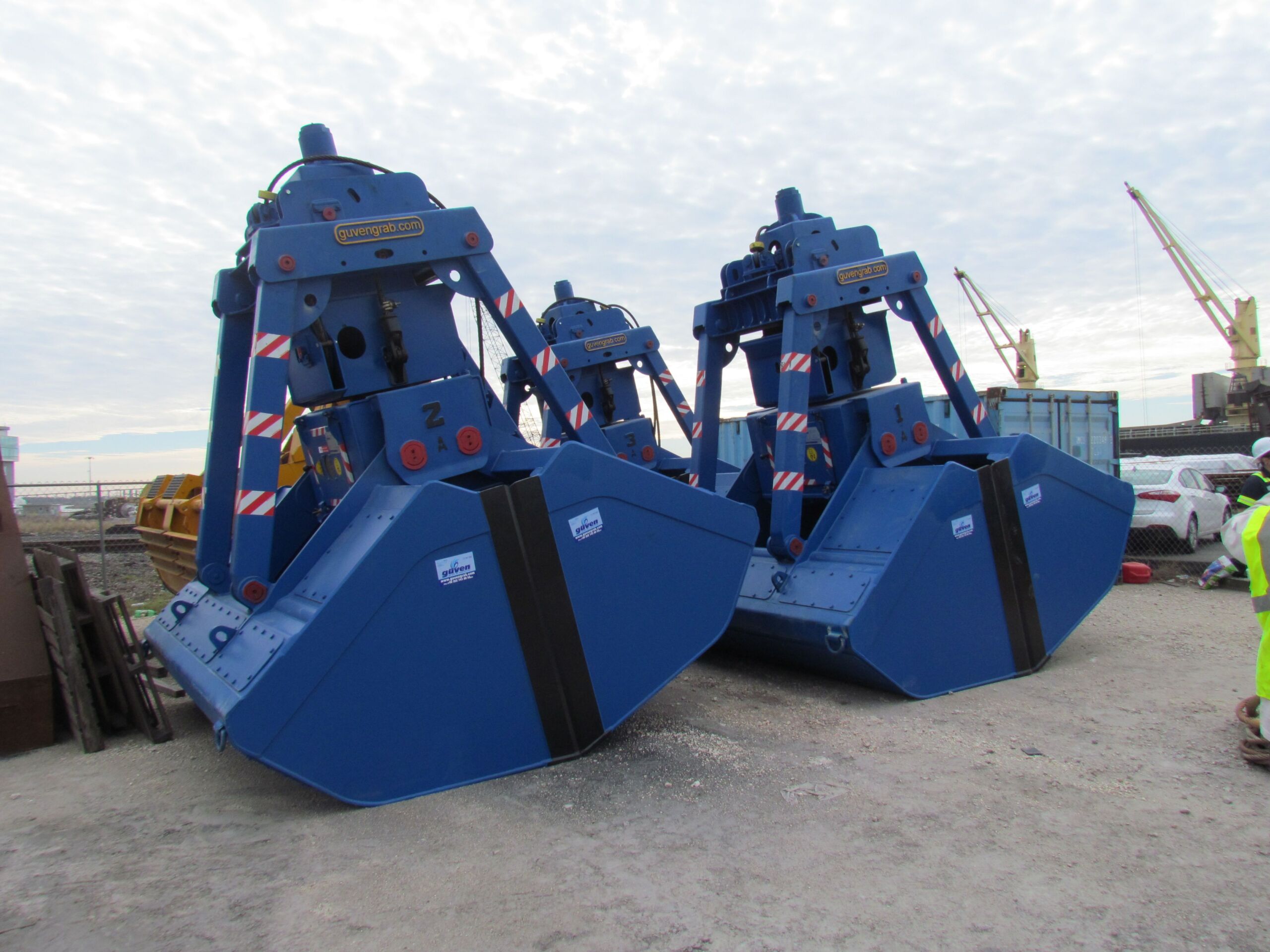
Radio remote control grab systems address many of these challenges by operating without external power units, generators, or drum systems. Their self-contained structure enables smoother opening and closing sequences while minimizing lateral movement. Reduced swing motion improves load control, increases operator confidence, and allows safer handling near crushers, conveyors, and stockpile areas.
Flexibility And Adaptability Across Mining Operations
Mining operations are rarely static. Extraction zones shift, material profiles change, and infrastructure evolves over time. Equipment that lacks flexibility can quickly turn into an operational constraint, forcing mines to replace or modify systems more often than planned. Adaptable material handling solutions, on the other hand, provide long-term value by adjusting to operational changes without requiring major reconfiguration.
Flexibility also influences how quickly equipment can be deployed. Systems that can move between cranes or operational areas without complicated setup procedures allow mines to react more efficiently to production requirements and maintenance schedules.
Radio Remote Control Grab Versus Traditional Cable Systems
Radio remote control grabs offer a strong advantage in operational flexibility because they function independently from external power sources. Since they do not rely on generators, hydraulic packs, or cable drums, they can be installed or relocated with minimal preparation. This shorter setup time improves asset utilization and allows the equipment to support multiple work zones when needed.
Traditional cable-driven systems, by comparison, often depend on dedicated infrastructure and longer installation processes. While they remain effective for certain heavy-duty operations, their limited adaptability can reduce responsiveness in mining environments where conditions and requirements frequently change.
Mechanical Orange Peel Four Roped Grab For Heavy Duty Applications
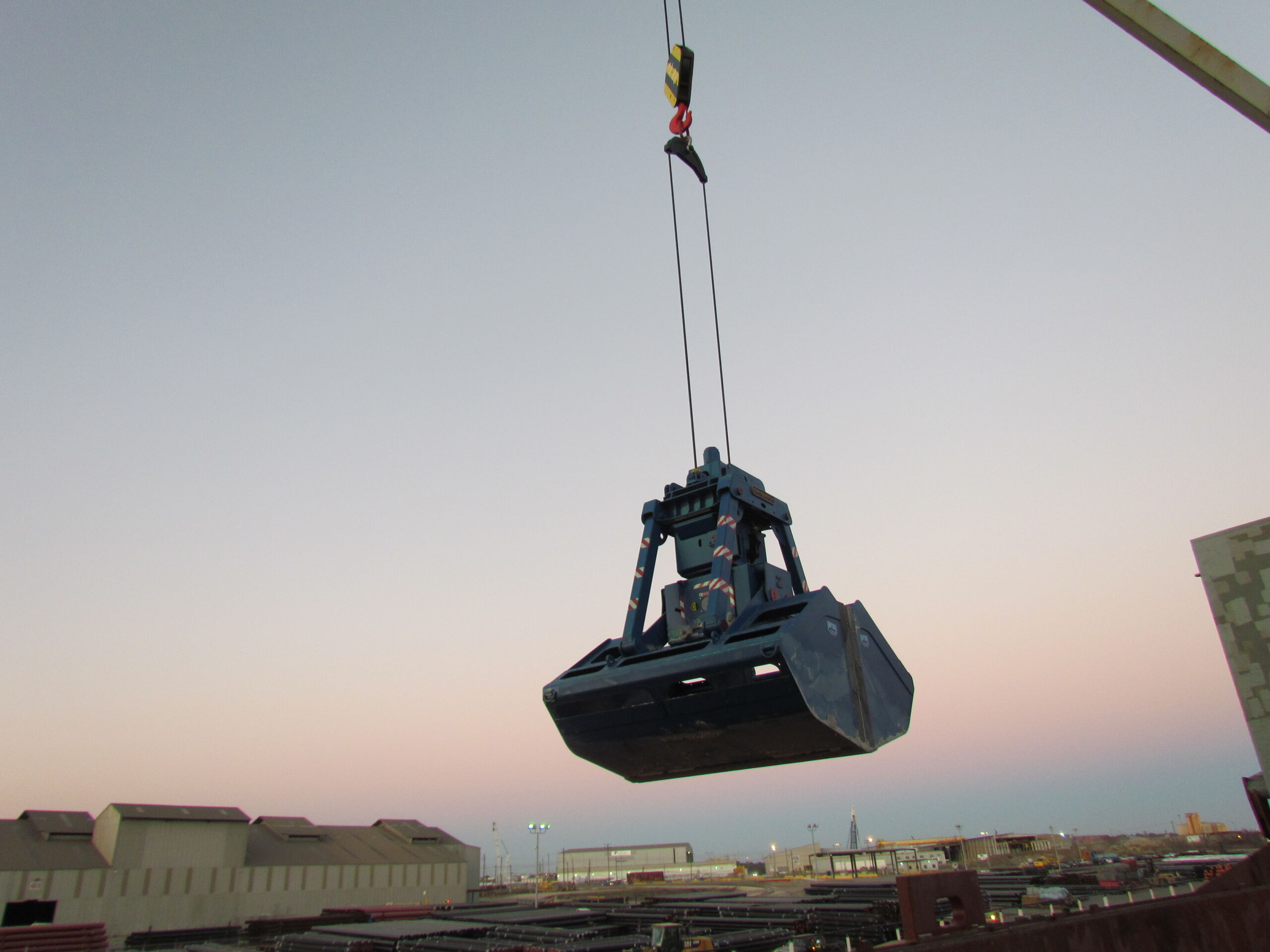
Mechanical orange peel four roped grabs continue to serve an important role in mining operations where durability and mechanical simplicity are essential. Their structure allows them to handle irregular, heavy, and abrasive materials efficiently while relying on fewer auxiliary systems.
These grabs are particularly well suited for continuous-duty environments where mechanical reliability and straightforward maintenance are priorities. Their consistent performance in demanding conditions makes them a dependable option for mines that place greater emphasis on durability and operational simplicity.
Regulatory Compliance And Industry Standards
Compliance with international safety and lifting standards is a core requirement in mining operations. Equipment that aligns with recognized regulatory frameworks helps reduce audit risks, supports workforce safety initiatives, and allows smoother integration with global operational practices.
Manufacturers that design and certify material handling equipment according to established standards give mining operators greater confidence in the reliability of the equipment they deploy. Performance claims are supported by engineering processes and documented testing. This level of compliance also makes it easier to operate across borders, where consistent regulatory alignment is often necessary for multinational projects.
Budget Considerations And Total Cost Of Ownership
Procurement decisions often focus heavily on the initial purchase price. However, this figure rarely reflects the real cost of material handling equipment over its full operational lifespan. Maintenance requirements, downtime frequency, energy usage, and component replacement cycles all play a role in determining the total cost of ownership.
Equipment built for durability and lower maintenance demands frequently delivers stronger long-term value, even when the upfront investment is higher. Looking at lifecycle costs helps decision-makers focus on reliability and operational efficiency instead of short-term cost savings.
Why Lower Maintenance Often Means Higher ROI
Material handling systems that operate without external power units, generators, or drum mechanisms reduce maintenance complexity. With fewer components exposed to wear or potential failure, maintenance intervals can be extended and the likelihood of unplanned downtime decreases.
Grabs capable of operating continuously for up to 400 hours further support stable production planning. When combined with reinforced shells and wear-resistant construction, these characteristics help reduce replacement cycles and contribute to measurable cost efficiency throughout the equipment’s service life.
Customization Requirements For Mine Specific Conditions
Mining environments rarely match standardized assumptions. Differences in material flow, spatial limitations, and operational priorities often require equipment that is tailored to the conditions of a specific site. Customization allows grabs to be designed around the materials being handled, the crane systems in place, and the safety expectations of the operation.
Manufacturers with in-house engineering capabilities are able to modify shell geometry, jaw configuration, and structural reinforcement to address these site-specific challenges. This approach helps ensure that the equipment performs as intended, rather than forcing the operation to adjust to a generic design.
Custom Grabs For Timber And Log Handling
Handling timber and logs within mining environments introduces requirements that differ from typical mineral loads. Logs depend on controlled clamping pressure and balanced grip to maintain stability during lifting. Without this balance, slippage can occur and both the material and the equipment may be exposed to unnecessary strain.
Custom timber and log grabs are designed to address these conditions through jaw profiles and pressure distribution that support stable gripping. This level of customization improves handling efficiency and reduces the risk of dropped loads or mechanical stress. For mines dealing with mixed material streams, tailored solutions like these help maintain operational flexibility while supporting both safety and productivity.
Where To Find The Best Material Handling Equipment
Finding the right supplier is just as important as choosing the right equipment. Mining operators should focus on manufacturers with proven experience in mining applications, strong engineering capabilities, and the capacity to support equipment throughout its operational lifecycle.
Working directly with experienced manufacturers instead of intermediaries often leads to clearer communication, faster customization processes, and stronger accountability. Reliable partners also stand out through their long-term service support, spare parts availability, and the ability to provide technical guidance when needed.
Conclusion
Selecting material handling equipment for mining operations is a strategic choice that directly affects safety, productivity, and cost efficiency. By carefully evaluating material characteristics, duty cycle requirements, safety performance, adaptability, and total cost of ownership, decision-makers can move beyond simple comparisons and focus on solutions that support long-term operational success.
Equipment designed with structural durability, operational stability, and reduced maintenance needs offers clear advantages in demanding mining environments. When equipment selection reflects real operating conditions and production priorities, material handling becomes a driver of performance rather than a limiting factor.
Table of Contents