
What Drives Price Volatility In The Global Scrap Market
Volatility in scrap metal prices is not an occasional disruption. It is part of the structure of the global recycling economy. From steel and aluminum to mixed ferrous and non-ferrous streams, scrap values move constantly in response to economic cycles, regulatory pressure, logistics constraints, and shifts in industrial demand. For recyclers, scrap yards, ports, and bulk material handlers, these price movements affect more than revenue. They influence operational planning, equipment usage, and long-term cost efficiency.
In a market where margins can tighten or expand within weeks, understanding the forces behind scrap price volatility becomes a real strategic advantage. Why do prices react so strongly to changes in GDP growth or currency movements? How do environmental regulations reshape supply conditions? And perhaps more importantly, how can operational efficiency help businesses stay resilient when the market becomes unpredictable? This article looks at the economic, technological, and regulatory factors shaping global scrap trends, while linking price dynamics to the operational decisions that define modern metal recycling economics.
How Does The Global Scrap Market Actually Work
The global scrap market functions very differently from primary metal markets. While materials like iron ore, bauxite, and other virgin resources tend to follow more centralized production and pricing structures, scrap metal is fundamentally decentralized. Supply appears wherever industrial activity takes place, and prices are shaped by how effectively that material can be collected, processed, and delivered to end users. This decentralized nature is one of the main reasons scrap market volatility occurs frequently and remains difficult to predict.
Another defining feature of the scrap market is its strong regional dependency. Factors such as local labor costs, infrastructure quality, environmental regulations, and access to logistics all influence how much scrap enters the market and at what price. Because of this, global scrap trends often develop from the combination of many regional imbalances rather than a single dominant force.
The Difference Between Scrap And Primary Metal Pricing
Primary metals are generally priced according to mining output, refining capacity, and futures market dynamics. Scrap metal pricing works differently. It is influenced more by material availability, processing costs, and immediate industrial demand. Scrap supply cannot be increased quickly in response to rising prices because it relies on demolition activity, manufacturing waste, and end-of-life products. This limited flexibility makes scrap prices more sensitive to short-term shifts in demand.
Quality variation also plays an important role in scrap pricing. Mixed scrap, heavy melt steel, shredded material, and clean industrial offcuts are valued differently, even when they belong to the same metal category. During volatile periods these quality-based price gaps tend to widen, making efficient sorting, handling, and processing operations even more important.
Why Scrap Prices React Faster Than Finished Metal Prices
Scrap markets usually react faster to economic signals than finished metal markets. When industrial production slows, scrap demand can drop almost immediately as mills reduce melt rates. When production accelerates, the opposite effect can occur. Scrap shortages may appear quickly because short-term supply cannot expand easily. This rapid response cycle contributes to the higher volatility seen in scrap markets compared to downstream metal products.
Logistics also play a critical role. Port disruptions, limited vessel availability, or inland transportation bottlenecks can temporarily isolate regional markets. When scrap flows are restricted, local prices may rise or fall independently of global benchmarks. These localized disruptions help explain why scrap metal prices can diverge significantly between regions during periods of economic pressure.
How Do Global Economic Conditions Impact The Scrap Metal Market
Global economic conditions lie at the center of scrap market volatility. Because scrap metal demand is closely tied to industrial activity, even moderate shifts in economic growth can trigger significant price movements. Unlike consumer commodities, scrap demand is driven almost entirely by production needs. This makes it highly sensitive to macroeconomic indicators such as GDP growth, interest rates, and overall industrial confidence.
During periods of economic expansion, higher production levels increase scrap consumption and tighten available supply, which often pushes prices upward. In contrast, when economic growth slows, demand can fall quickly while scrap supply continues to enter the market through demolition and ongoing maintenance activities. This imbalance leads to sudden price adjustments and reinforces the cyclical behavior seen in global scrap markets.
GDP Growth And Industrial Production
GDP growth is one of the clearest indicators of scrap demand. When GDP rises, activity in sectors such as construction, automotive manufacturing, shipbuilding, and heavy industry tends to increase as well. All of these industries rely heavily on recycled metal. As industrial production expands, mills compete more actively for available scrap, and prices often climb within a relatively short period.
When industrial output contracts, the opposite pattern emerges. Scrap consumption declines quickly as mills reduce melt rates, delay procurement decisions, or shift toward lower-grade materials. This immediate drop in demand helps explain why scrap metal prices often fall faster than finished steel or aluminum prices during economic downturns.
Currency Exchange Rates
Currency fluctuations also have a strong impact on scrap metal pricing, particularly in export-oriented markets. When a country’s currency weakens, scrap exports become more competitive internationally. This can increase export volumes and help support domestic prices. On the other hand, a stronger currency may discourage exports, leaving more material in the local market and placing downward pressure on prices.
Exchange rate volatility also complicates cross-border transactions. Buyers and sellers must account for currency risk during negotiations, and short-term currency movements can sometimes outweigh underlying supply and demand factors. This effect is especially visible in regions where scrap trade depends heavily on international shipping routes.
International Trade Policies
Trade policies have the potential to reshape scrap markets very quickly. Export restrictions, tariffs, and import quotas can alter material flows and create sudden supply shortages or surpluses. When a major exporting country introduces new limitations, buyers around the world may need to source scrap from different regions, often at higher prices.
At the same time, more open trade agreements can intensify competition and reduce profit margins. Because policy decisions can change with little warning, they add another layer of uncertainty to the market. In many cases, scrap price volatility is influenced as much by regulatory actions as by underlying economic conditions.
Regional Economic Disparities
Different regions respond to global economic trends in different ways. Mature economies may produce a steady volume of scrap but experience changing demand levels, while developing economies often see rapid shifts in both supply and consumption. These differences create uneven pricing patterns and opportunities for regional arbitrage.
Infrastructure quality can further widen these gaps. Regions with efficient ports, material handling systems, and processing facilities are better equipped to absorb market shocks. Areas with weaker logistics networks, however, may experience sharper price fluctuations. In this context, operational efficiency becomes closely connected to how markets respond to broader economic forces.
Global Scrap Trends Shaping Price Volatility
Beyond short-term economic cycles, several structural shifts continue to influence the global scrap market. These developments do not always trigger immediate price changes, but over time they reshape supply patterns, demand concentration, and the overall intensity of market volatility. Understanding these trends helps explain why scrap metal prices behave differently today than they did a decade ago.
What makes these structural changes particularly influential is the way they accumulate. When multiple shifts occur at the same time, even a relatively small disruption can trigger larger-than-expected price reactions across regional markets.
Urbanization And Infrastructure Renewal
Urbanization remains one of the strongest long-term sources of scrap generation. Large infrastructure renewal projects, building demolitions, and transportation upgrades release substantial amounts of both ferrous and non-ferrous scrap into the market. Although this increases total supply, it does not always lead to price stability. In many cases, scrap enters the market in waves, creating periods of temporary oversupply followed by tighter conditions once major projects are completed.
These infrastructure-related scrap flows are often concentrated in specific locations. Cities undergoing rapid redevelopment may experience local price pressure due to sudden increases in available material, while nearby regions can still face shortages. This uneven distribution contributes to localized price volatility even when global demand appears relatively stable.
Shifts In Global Manufacturing Hubs
Changes in global manufacturing geography also play a major role in scrap demand patterns. As production capacity moves to new regions, scrap consumption tends to follow. In many cases, however, collection and processing infrastructure cannot expand quickly enough to match this shift. The resulting gap between rising demand and limited handling capacity can lead to regional price increases.
Meanwhile, traditional manufacturing centers may experience a different challenge. Scrap generation can remain stable even as industrial demand declines, creating local surpluses that place downward pressure on prices. These contrasting conditions help explain why global scrap trends rarely translate into uniform price movements across different markets.
Supply Chain Fragility And Logistics Bottlenecks
Recent disruptions have highlighted how vulnerable scrap supply chains can be. Port congestion, container shortages, inland transportation constraints, and labor limitations can all interrupt the normal flow of materials. When scrap cannot move efficiently between regions, pricing often becomes disconnected from broader market fundamentals.
Operational limitations can intensify these disruptions. When scrap yards or terminals operate with restricted throughput, backlogs can develop. Sellers may be forced to discount material to clear inventory, while buyers in constrained regions may pay higher prices to secure supply. In this way, logistics performance becomes a direct factor in scrap market volatility, adding an operational layer to traditional supply and demand dynamics.
What Role Does Technology Play In Scrap Metal Pricing
Technology does not directly determine scrap metal prices, but it strongly influences how exposed an operation is to price volatility. As margins narrow and competition grows, the ability to process, move, and load scrap efficiently becomes a key economic factor. In volatile markets, operational inefficiency effectively functions as a hidden cost on every ton handled.
Modern scrap operations increasingly rely on technology to maintain cost stability when prices fluctuate. Faster cycle times, reduced material loss, and consistent equipment uptime allow operators to preserve profitability even when scrap prices decline. In this environment, equipment selection and system design have a direct impact on the real cost of scrap handling.
Processing Efficiency And Cost Per Ton
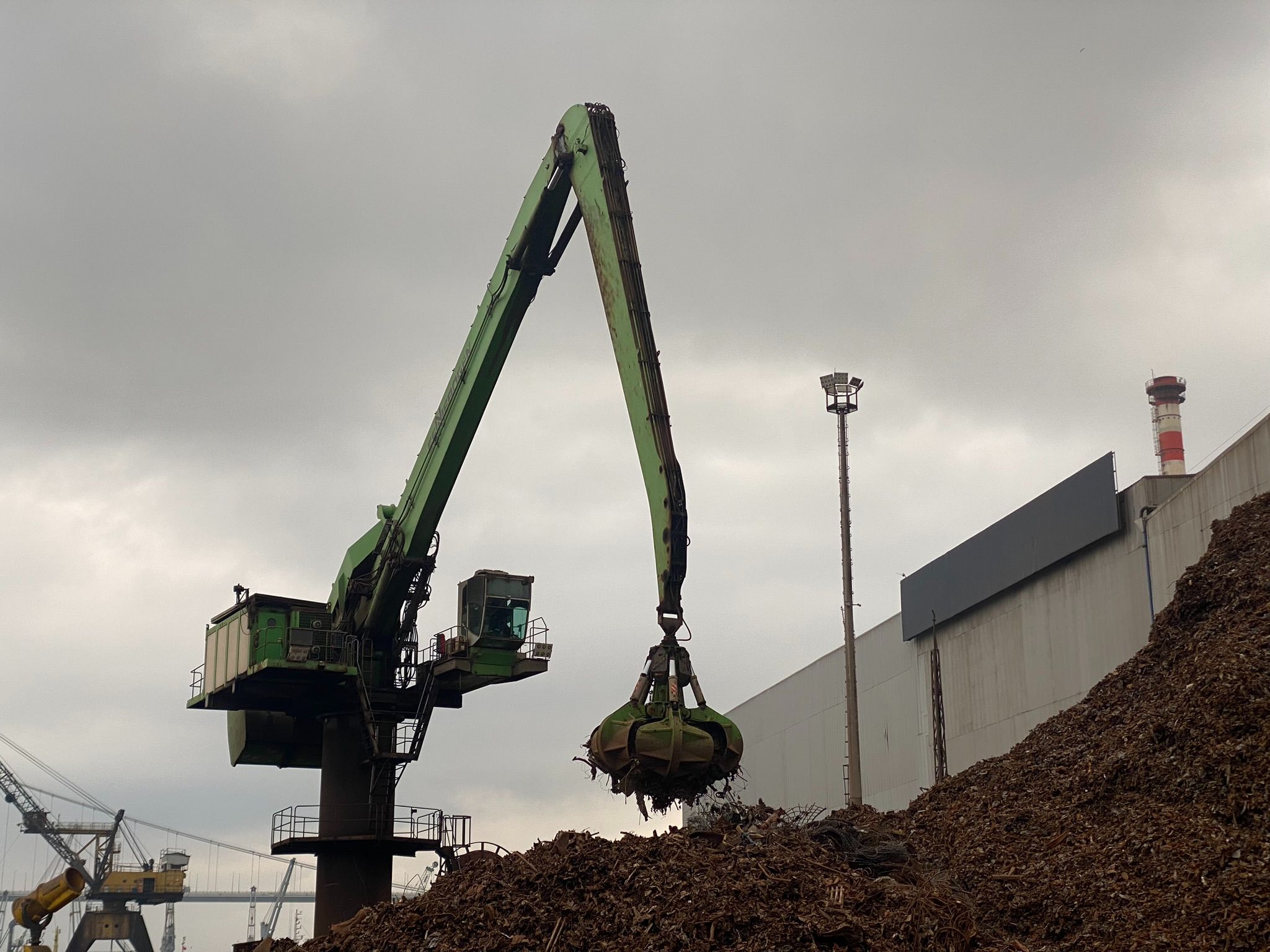
Processing efficiency is often one of the most overlooked elements in scrap metal economics. Two facilities working with the same material at the same market price can end up with very different margins simply because of differences in throughput and handling speed. Delays during loading, repeated rehandling of material, and spillage all increase labor and fuel consumption, raising the effective cost per ton.
High-efficiency handling systems help operators move larger volumes of material within the same timeframe. This reduces exposure to short-term price fluctuations. In volatile markets, the ability to process inventory quickly can determine whether a facility captures favorable pricing or absorbs losses as conditions change.
Equipment Reliability And Downtime Risk
Downtime carries a particularly high cost in volatile scrap markets. When prices are strong, interruptions reduce the opportunity to benefit from favorable margins. When prices begin to fall, downtime prolongs inventory holding periods and increases exposure to additional price declines.
Reliable handling equipment helps mitigate these risks by maintaining consistent performance under demanding conditions. Systems that operate without complex auxiliary power units, generators, or cable drum mechanisms reduce the number of components that can fail and simplify maintenance requirements. This predictability supports both stable output and more controlled operating costs, which becomes especially important during unstable market periods.
Operational Flexibility During Market Swings
Scrap markets rarely follow a steady path. Prices can rise rapidly and reverse just as quickly. Operational flexibility allows facilities to adjust throughput, shift resources, and react to market signals without structural delays.
Technology that supports smooth and controlled material handling, with minimal swing motion and fast response times, strengthens this flexibility. Operators can safely increase cycle speeds when demand rises or scale operations back efficiently when conditions weaken. In both cases, technology acts as a stabilizing factor, helping operations navigate volatility rather than simply absorbing its impact.
How Environmental Regulations Affect Scrap Metal Prices
Environmental regulations have become one of the most influential non-market forces shaping scrap metal prices. Although these policies are primarily introduced to improve sustainability and environmental performance, they also change cost structures, supply availability, and operational practices across the recycling industry. The outcome is a regulatory landscape that can simultaneously support higher prices while putting pressure on margins.
Unlike short-term economic disruptions, the effects of regulation tend to be structural. Once new rules are implemented, they permanently influence how scrap is collected, processed, and traded. For this reason, environmental regulation acts as a long-term driver of scrap market volatility rather than a temporary disturbance.
Regulatory Support For Higher Prices
Stricter environmental policies often strengthen demand for recycled materials. Recycling targets, landfill restrictions, and emissions reduction goals encourage manufacturers to increase scrap usage as a way to lower carbon footprints. As recycled metal becomes a strategic input rather than a secondary resource, this shift in demand can help sustain higher scrap metal prices.
In certain regions, government incentives reinforce this pattern. Subsidies supporting recycling activities and penalties applied to excessive waste disposal reduce the relative cost of scrap-based production. Over time, these policies can contribute to the formation of a structural price floor, particularly for higher-quality scrap grades.
Cost Pressures That Lower Margins
At the same time, regulatory compliance introduces new financial pressures. Environmental permits, emissions monitoring, noise limitations, and dust control requirements increase operating costs for scrap yards and processing facilities. In competitive markets, these additional expenses cannot always be passed on to buyers.
When compliance costs rise more quickly than scrap prices, profit margins begin to narrow. Smaller or less efficient operators may reduce output or leave the market altogether. While this can temporarily reduce supply, it often increases volatility during the adjustment period. This is one reason regulatory tightening frequently coincides with short-term price instability before the market settles into a new balance.
Market Adaptations And Price Trends
Over time, markets adjust to regulatory changes. Operators invest in cleaner technologies, more efficient material handling systems, and improved operational processes in order to offset compliance costs. As less efficient capacity disappears, the remaining supply base tends to become more concentrated and operationally sophisticated.
This consolidation can support greater price stability in the long run. However, it also increases the market’s sensitivity to disruptions. When fewer operators handle larger volumes of scrap, any operational bottleneck or regulatory delay can have a stronger effect on regional pricing. Regulation therefore influences not only price levels but also the overall volatility profile of scrap markets.
The Sustainability Premium In Metal Recycling Economics
Sustainability has moved beyond being a reputational issue and has become a measurable economic factor in the scrap market. As industries face growing pressure to lower emissions and improve resource efficiency, recycled metals are no longer viewed only as cost-saving inputs. In many situations, they now carry a sustainability premium that directly affects pricing behavior.
This premium does not appear equally across all scrap grades or markets. It tends to develop in regions where environmental accountability is built into procurement policies, reporting standards, and long-term supply agreements. In these environments, sustainability begins to act as a stabilizing element within scrap markets that would otherwise remain highly volatile.
Carbon Accounting And Recycled Metal Demand
Carbon accounting frameworks have significantly changed how manufacturers evaluate raw material options. Producing metal from recycled sources generally requires far less energy than primary production, which makes scrap more attractive for companies trying to meet emissions targets. This shift in demand strengthens pricing support for scrap, especially within steel and aluminum supply chains.
As more industries adopt carbon disclosure requirements, the need for traceable and efficiently processed scrap continues to grow. Facilities that can provide consistent quality while minimizing handling losses gain a clear competitive advantage. In this way, operational performance becomes closely connected to how effectively operators can capture value from recycled materials.
How Operational Efficiency Protects Margins
Sustainability-driven demand does not remove price volatility, but it changes how operators manage their margins. Efficient operations reduce energy use, limit material loss, and shorten handling cycles, lowering both the environmental and financial cost per ton. These efficiencies allow businesses to remain profitable even when market prices weaken.
In this environment, durability and uptime also become sustainability factors. Equipment built for extended continuous operation and reinforced to handle abrasive materials reduces the need for frequent replacements and minimizes unplanned downtime. This combination of environmental responsibility and operational efficiency supports stronger long-term resilience against price fluctuations.
Understanding Scrap Metal Pricing Dynamics At The Operational Level
While global economics, regulation, and sustainability influence scrap prices from the top down, the real financial impact is ultimately felt at the operational level. Scrap market volatility becomes most visible on the yard floor, at loading points, and in daily throughput decisions. This is where pricing theory turns into real execution, and where operational discipline either absorbs volatility or amplifies its negative effects.
Operators often concentrate on predicting market movements, yet in volatile environments operational efficiency can have an even greater effect on profitability than price forecasting. The ability to move material safely, quickly, and consistently determines how effectively a business can respond to rapid market shifts.
Why Handling Efficiency Matters During Volatility
In volatile markets, timing becomes crucial. When prices rise, the opportunity to benefit from favorable conditions may be brief. Slow handling systems, repeated repositioning, or unstable load control limit the amount of material that can be processed during that period. Even when the market is strong, potential revenue can remain unrealized because operations cannot keep pace with the opportunity.
During price declines, the effect works in the opposite direction. Inefficient handling extends inventory dwell time, leaving material exposed to further depreciation while occupying yard space and tying up capital. Efficient handling reduces this exposure by accelerating material flow and improving turnover, directly limiting downside risk.
Reducing Swing Losses And Cycle Delays In Scrap Handling
Swing motion and unstable load behavior are often underestimated sources of cost in scrap handling operations. Excessive swing forces operators to slow cycle speeds, reposition loads more frequently, and work with wider safety margins. In high-volume environments, these delays accumulate quickly, lowering hourly throughput and increasing reliance on labor.
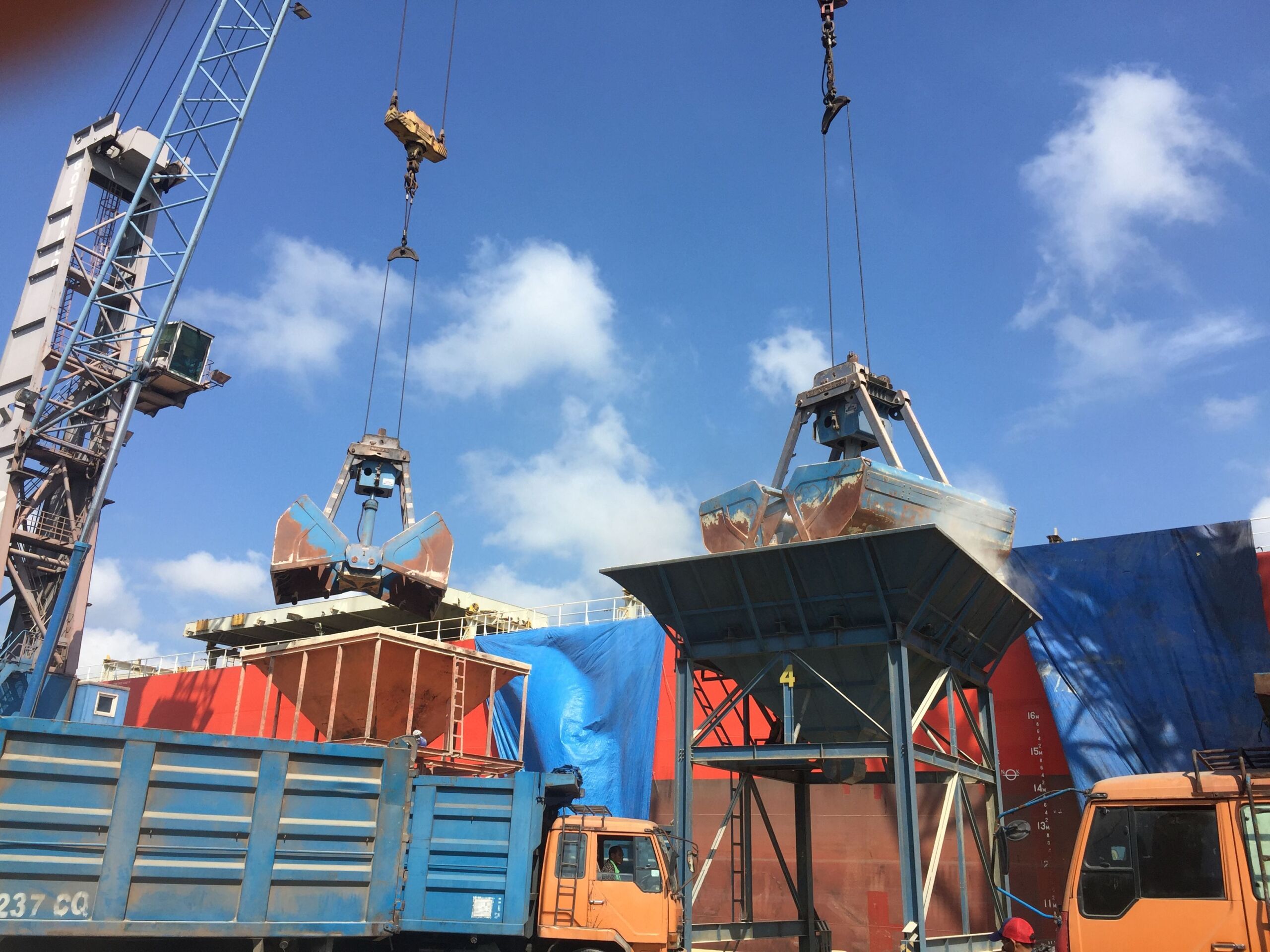
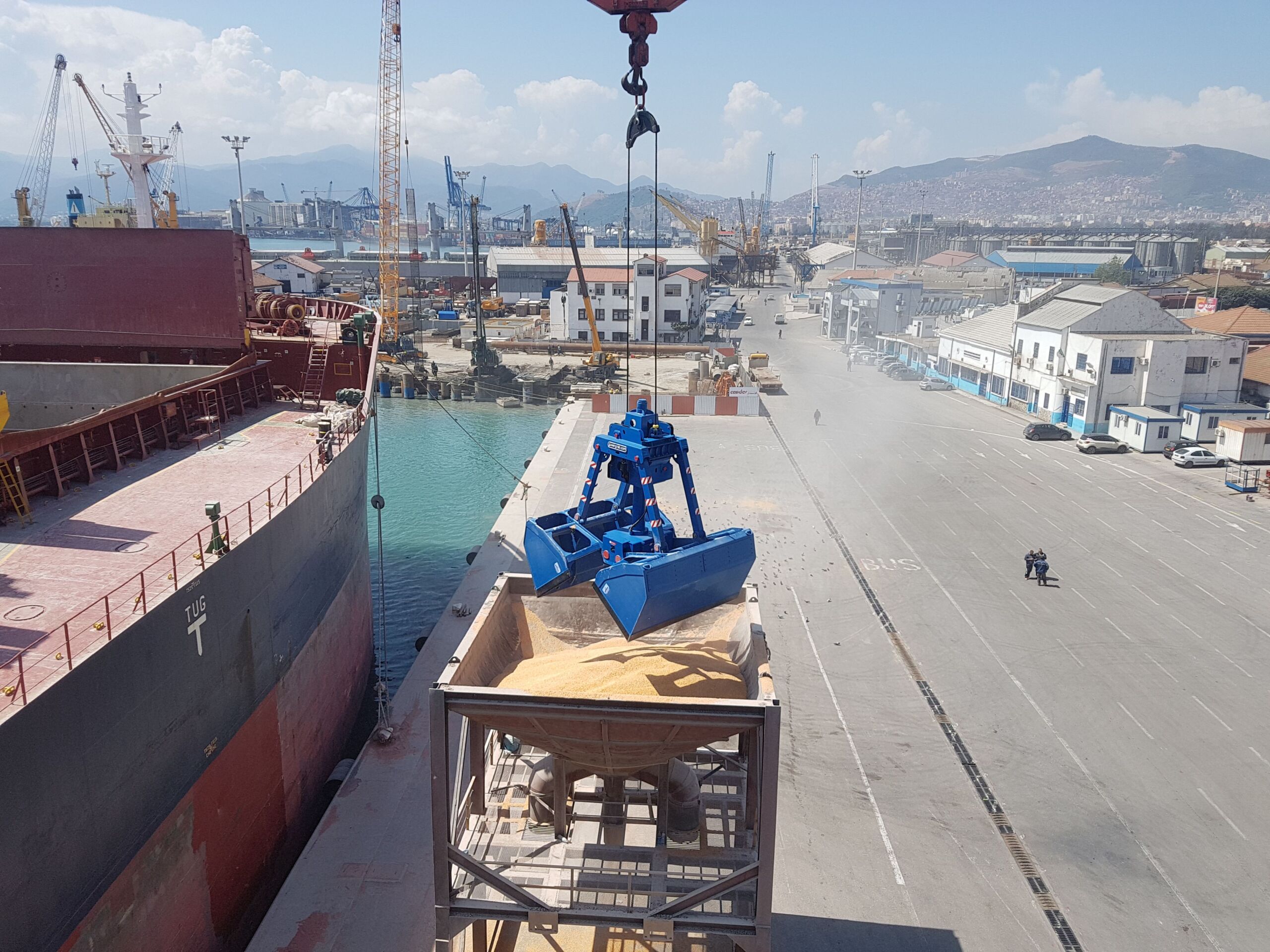
Modern grab systems that operate without auxiliary power units or cable drum mechanisms help minimize swing behavior. More controlled movement and faster response allow operators to maintain consistent cycle times. This improves safety while increasing effective output. In volatile markets, that level of stability directly supports better cost control.
Designing Operations For Long-Term Price Resilience
Price resilience is rarely achieved through market prediction alone. It develops through systems that perform reliably even as conditions fluctuate. Equipment durability, predictable maintenance intervals, and the ability to operate continuously for extended periods all contribute to this resilience by reducing unexpected interruptions.
Operations built around robust handling systems can adapt more easily to changing market signals. Whether increasing throughput during strong demand or maintaining efficiency during downturns, resilient operations treat volatility as a condition to manage rather than a disruption that must simply be absorbed.
Practical Implications For Scrap Yards And Recycling Facilities
For scrap yards, recycling facilities, and bulk material handlers, price volatility should not be viewed purely as an external risk. While market prices themselves cannot be controlled, the impact of volatility can be managed through operational decisions. Facilities that combine market awareness with strong operational efficiency tend to outperform those that depend only on favorable price conditions.
One of the most practical implications concerns investment priorities. In volatile markets, capital allocation often delivers better results when directed toward systems that improve throughput reliability and reduce operational friction rather than simply expanding short-term capacity. Faster loading cycles, stable material control, and lower downtime enable facilities to react quickly to market signals without increasing operational risk.
Operational planning also benefits from workflows designed with volatility in mind. Flexible shift structures, predictable maintenance intervals, and equipment capable of long continuous operation allow facilities to adjust output without compromising safety or quality standards. When price windows can open and close quickly, this adaptability becomes a real competitive advantage.
Equipment selection also plays an important role. Handling systems that reduce swing motion, operate without auxiliary power units, and perform reliably under abrasive scrap conditions help lower operating costs and limit unexpected stoppages. Over time, these operational advantages accumulate, reducing the effective cost per ton and protecting margins regardless of how the market moves. In volatile scrap markets, operational discipline often proves more valuable than perfect price timing.
Conclusion
Price volatility in the global scrap market results from the interaction of economic cycles, trade policies, structural supply trends, environmental regulation, and sustainability-driven demand. These combined forces ensure that scrap metal prices remain unpredictable, reacting quickly to both global developments and localized disruptions. For those involved in the industry, volatility is not an occasional event but a defining feature of metal recycling economics.
Even so, volatility does not affect every operator in the same way. Facilities that combine a clear understanding of market dynamics with efficient operations are better equipped to absorb price swings and protect profitability. Technology, equipment reliability, and effective material handling all become essential tools for managing exposure. They allow businesses to move material efficiently when market conditions are favorable and limit losses when prices decline.
In an industry shaped by constant change, resilience depends more on execution than prediction. Scrap yards and recycling facilities that invest in efficient, stable, and durable operations turn volatility into something that can be managed rather than feared, strengthening their position in an evolving global scrap market.
Table of Contents
- How Does The Global Scrap Market Actually Work
- How Do Global Economic Conditions Impact The Scrap Metal Market
- Global Scrap Trends Shaping Price Volatility
- What Role Does Technology Play In Scrap Metal Pricing
- How Environmental Regulations Affect Scrap Metal Prices
- The Sustainability Premium In Metal Recycling Economics
- Understanding Scrap Metal Pricing Dynamics At The Operational Level
- Practical Implications For Scrap Yards And Recycling Facilities
- Conclusion