Top 8 Reasons Why Large-Scale Construction Projects Experience Delays
In today’s competitive infrastructure landscape, even the most meticulously planned construction projects face schedule overruns that can ripple through entire supply chains. Bridges, industrial plants, high-rise complexes, and energy facilities—all share one common vulnerability: time. Every lost day translates into mounting costs, idle resources, and strained stakeholder confidence.
Yet, delays rarely occur because of a single issue. They emerge from the complex interaction between design inefficiencies, regulatory hurdles, supply chain fragility, and inadequate risk management. For large-scale projects, the margin for error is thin; one weak link can disrupt months of coordinated effort. Recognizing these root causes is not only a matter of operational awareness, it’s a matter of strategic control.
This article breaks down the top eight reasons why large-scale construction projects experience delays, with a focus on actionable insights and real-world examples. Whether you are a project manager, contractor, or equipment supplier, understanding these factors will help you identify early warning signs and build resilience into your project timeline.
Inadequate Planning And Scheduling
In the construction industry, poor planning is often the silent trigger behind the most visible problems. From unrealistic timeframes to fragmented communication between contractors and suppliers, inadequate planning sets the stage for inefficiency long before the first piece of equipment arrives on-site. Large-scale projects, in particular, demand a level of coordination that extends beyond simple scheduling; they require predictive insight into logistics, workforce capacity, and material flow.
When project phases are not fully integrated design, procurement, execution, and commissioning teams tend to work in isolation. This disconnection can lead to duplicated efforts, idle resources, and even structural conflicts once field operations begin. A missed delivery date for a critical component can halt dozens of parallel tasks, multiplying delay costs exponentially.
Construction professionals increasingly rely on data-driven project management tools to overcome these challenges. Real-time dashboards and predictive analytics allow decision-makers to monitor progress, identify bottlenecks early, and adjust task sequencing before inefficiencies take root.
Lack Of Integrated Scheduling Tools
Traditional scheduling methods, often Excel-based or handled manually, cannot capture the complexity of modern megaprojects. When design teams, subcontractors, and suppliers operate from disconnected schedules, even small timing discrepancies can escalate into multi-week delays.
Integrated platforms such as Building Information Modeling (BIM) and Enterprise Resource Planning (ERP) systems provide a single source of truth for all project stakeholders. They synchronize engineering updates with field execution, ensuring that every department works from the latest version of the plan. Moreover, these systems can simulate potential timeline impacts before changes are approved, enabling proactive decision-making.
For instance, when a contractor adjusts the foundation design, the system can automatically recalculate procurement deadlines, crane availability, and equipment rental timelines. The result is not just better visibility, it’s operational alignment, where every change is measured and managed in real time.
Overlooking Equipment Readiness
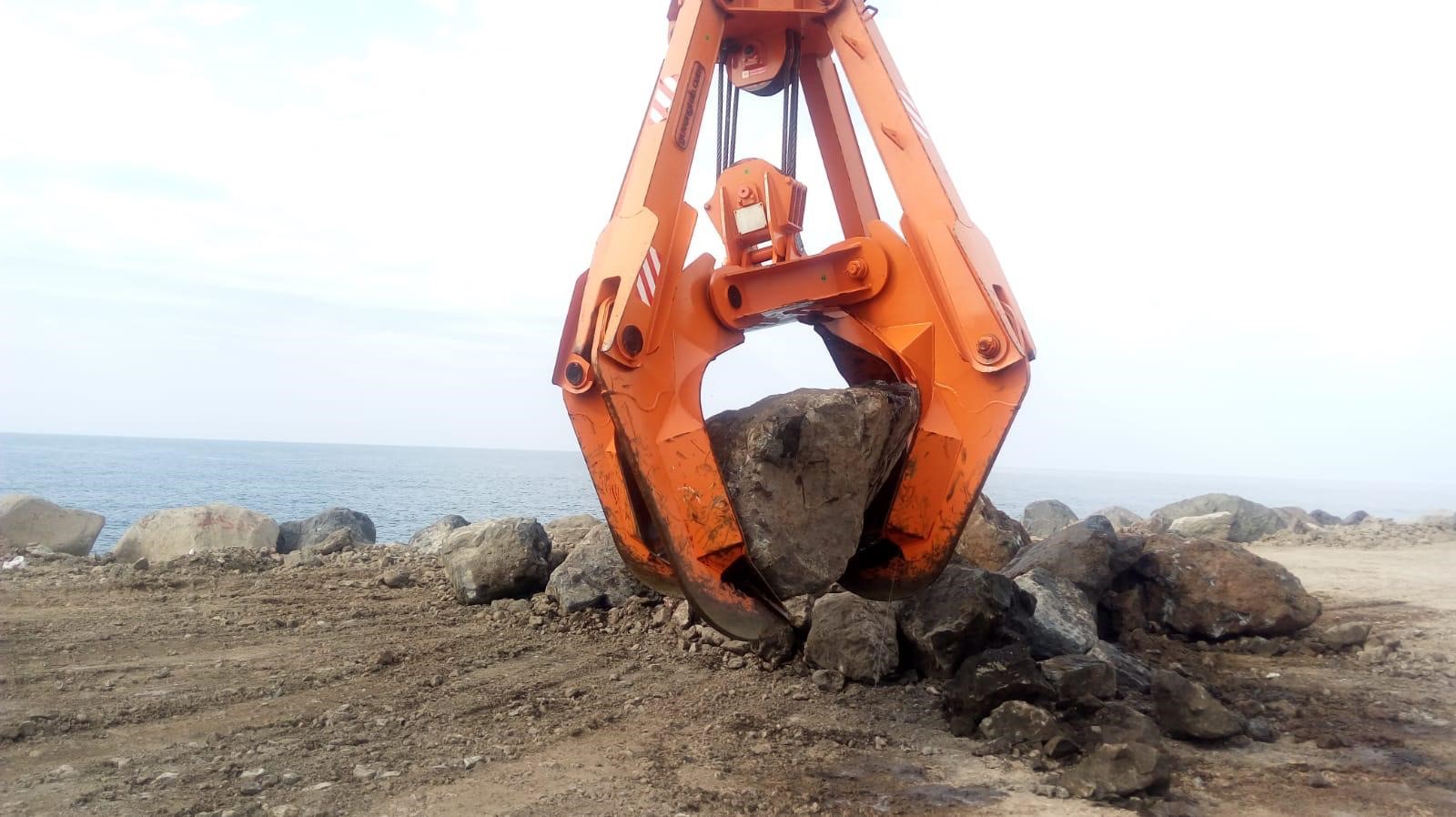
Another critical but often underestimated factor is the readiness of key machinery and lifting systems. Projects that begin without confirming equipment availability frequently face idle labor, cost overruns, and missed milestones. A single delay in mobilizing cranes, grabs, or other heavy-lifting equipment can set back entire site operations.
For example, in bulk material handling or port construction projects, grabs and lifting attachments must be calibrated to the site’s specific crane capacity and load conditions. If equipment compatibility is not validated early, reconfiguration or reordering becomes inevitable adding weeks to the schedule.
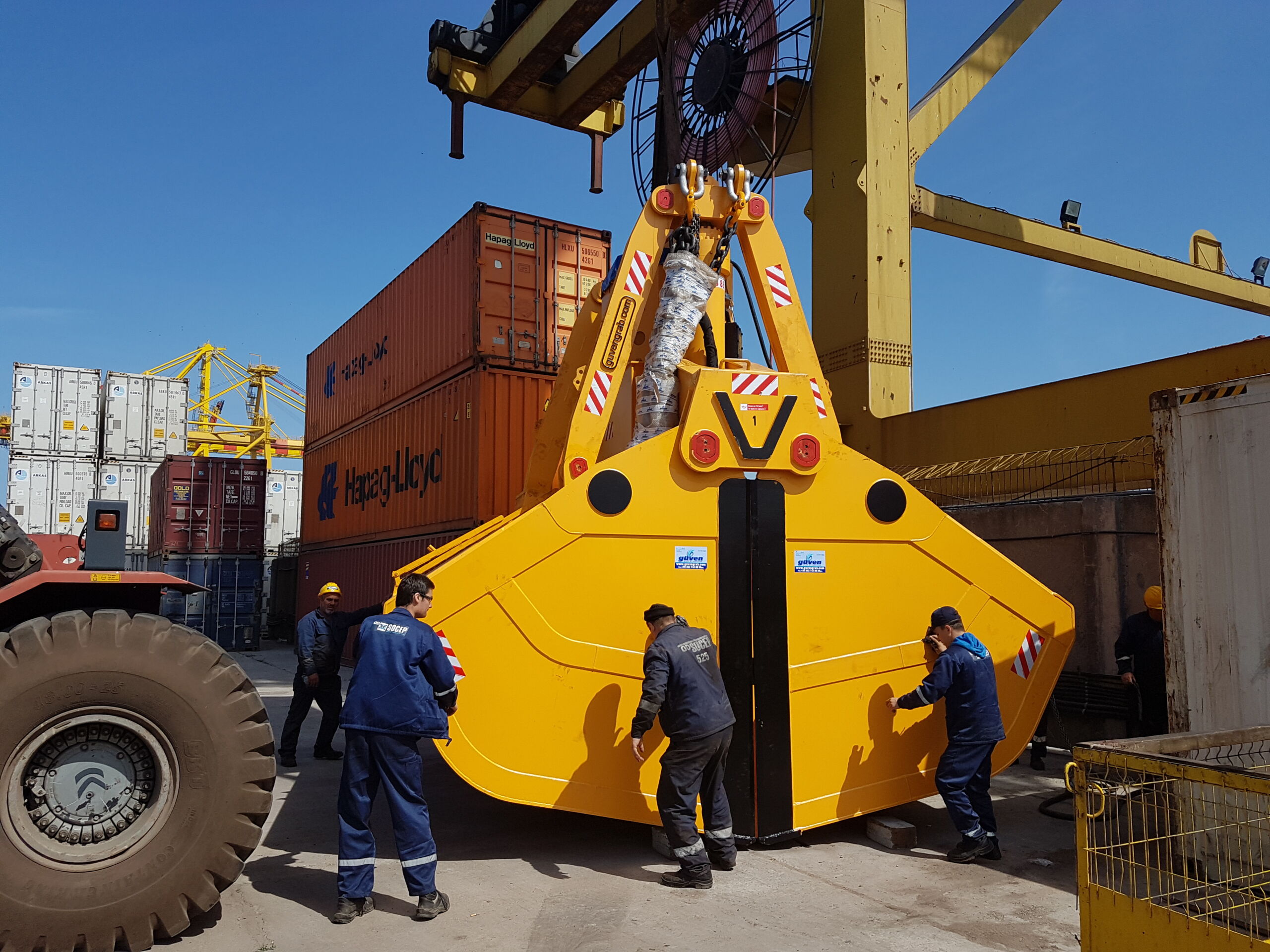
Contractors who work closely with equipment manufacturers such as Güven Grab often mitigate this risk. By coordinating equipment design and delivery within the early planning phase, they ensure that machinery arrives tested, compliant, and ready for operation. This integration of technical readiness into the broader project plan can prevent costly downtime later on.
Design Changes And Scope Creep
Few challenges derail construction schedules as effectively as uncontrolled design modifications. What begins as a small adjustment: a shifted wall, a modified load path, or an updated material specification can cascade into a web of revisions affecting procurement, manpower, and subcontractor timelines. In large-scale projects, every design change has a multiplier effect: materials must be reordered, drawings must be reapproved, and on-site teams must pause until instructions are clarified.
This phenomenon, often called scope creep, usually stems from unclear project objectives, inadequate stakeholder alignment, or evolving client demands. While some degree of flexibility is necessary to address unforeseen challenges, excessive mid-project changes signal a lack of front-end discipline. The longer a project runs without firm boundaries, the more exposed it becomes to rework and cost escalation.
Successful project leaders maintain control by enforcing structured change management systems, requiring every design modification to pass through documented evaluation, cost, and timeline impact analysis. This ensures that only essential adjustments move forward, protecting project stability.
Communication Gaps Between Design And Execution
One of the most common causes of scope creep is a breakdown in communication between design offices and field teams. Engineers may update drawings or specifications without ensuring that revised versions reach every subcontractor on time. In such cases, on-site crews often continue using outdated plans, leading to rework, wasted materials, and disputes over accountability.
Digital coordination platforms, where all stakeholders can access real-time updates, have significantly reduced this issue in forward-thinking companies. Cloud-based design management ensures that every drawing revision, structural note, and approval is synchronized across departments. When properly implemented, these systems eliminate ambiguity, turning communication from a liability into a strategic advantage.
The Hidden Cost Of Redesigns
Even small design changes can cause disproportionate financial impact. A seemingly minor structural adjustment can alter foundation depth, affect crane lift capacity, or delay the arrival of pre-fabricated components. These interdependencies create a domino effect, forcing multiple suppliers to readjust schedules.
For instance, a delay in revising the load-bearing structure of a port terminal could postpone the installation of heavy grabs or cranes, disrupting the cargo-handling timeline. In such high-capacity environments, every missed week translates into operational losses and contractual penalties.
To minimize these risks, many project managers adopt design freeze milestones, after which no major changes are permitted without executive approval. This method reinforces accountability, allowing projects to proceed with confidence and consistent resource allocation.
Permitting And Regulatory Approvals
Even the most efficiently planned projects can stall when they meet the realities of regulatory and environmental approval processes. Large-scale construction often spans multiple jurisdictions, each with its own rules, agencies, and documentation standards. Whether it’s a port expansion, an industrial facility, or a public infrastructure project, obtaining the necessary permits can be a lengthy and unpredictable process.
These delays usually occur not because of a single missing form, but due to the complex interdependence between local authorities, environmental agencies, and project consultants. Each stakeholder may request revisions, additional studies, or clarifications that take weeks to process. In some cases, regulatory requirements even evolve mid-project, forcing contractors to retrofit compliance into an ongoing schedule.
The best defense against such delays is early engagement and transparency. Companies that involve local regulators, environmental consultants, and safety inspectors during the conceptual phase often secure approvals faster and avoid costly redesigns later.
Navigating Multi-Layered Regulations
In global-scale projects, the permitting landscape is rarely straightforward. An energy terminal, for instance, may require simultaneous clearance from maritime, environmental, and labor authorities. Any delay from one agency can block the entire project timeline.
Smart contractors approach this challenge by developing regulatory roadmaps that outline every required approval, expected processing time, and documentation dependency. They assign dedicated teams to handle regulatory coordination, ensuring that progress is continuously tracked.
Digital tools are now transforming how this process is managed. Cloud-based compliance trackers can automatically flag upcoming expiration dates, missing certifications, or pending approvals. By merging documentation management with project scheduling, leaders can preempt bottlenecks before they occur.
Compliance Risks And Delayed Mobilization
Beyond formal permits, construction operations also depend on compliance with equipment certifications, customs clearances, and safety regulations. Delays in any of these areas can paralyze on-site activity, even when the project is technically ready to begin.
For example, a delay in customs clearance for specialized lifting equipment such as hydraulic grabs or hoisting attachments can postpone material handling operations for weeks. Similarly, if safety inspectors identify incomplete certification for imported machinery, site mobilization can be legally halted until corrections are made.
This is why companies working with global suppliers like Güven Grab benefit from certified production systems and standardized export documentation. Their readiness ensures that critical equipment passes inspections without delay, allowing contractors to maintain progress without administrative interruptions.
Supply Chain Issues
Few factors test a construction project’s resilience more severely than supply chain disruptions. From steel and cement shortages to late equipment deliveries, every link in the logistics chain has the potential to delay work on-site. In large-scale projects where hundreds of suppliers, subcontractors, and transport partners must operate in sequence, even a minor delay in one shipment can trigger cascading downtime across multiple work zones.
Globalization has amplified this vulnerability. Projects now rely on components sourced from multiple continents: structural steel from Asia, electrical systems from Europe, and heavy lifting equipment from specialized manufacturers worldwide. While this diversification improves quality and cost efficiency, it also increases exposure to transport delays, port congestion, and international trade restrictions.
The key to managing this complexity lies in supply chain visibility and flexibility. Companies that maintain multiple vendor options, track shipment data in real time, and forecast critical material needs are better equipped to absorb disruptions without jeopardizing deadlines.
Equipment And Material Shortages
Construction schedules depend on an uninterrupted flow of essential materials and machinery. When a critical component such as reinforcing steel, concrete additives, or heavy-lifting equipment arrives late, crews are left idle and dependent tasks must be rescheduled.
For instance, port or bulk terminal projects often rely on hydraulic or remote-control grabs for material handling. If these attachments are delayed, crane installation and testing phases are postponed, directly affecting project handover. In some cases, contractors attempt to rent alternative equipment, but incompatibility with existing systems leads to further inefficiency.
To prevent this, experienced project planners secure early procurement contracts with clear delivery guarantees. They also partner with manufacturers capable of rapid production turnaround, such as Güven Grab, whose standardized models can be manufactured and shipped within tight timelines ensuring project continuity even under global supply stress.
Lessons From The Post-Pandemic Supply Landscape
The disruptions of the past few years have fundamentally reshaped supply chain thinking in construction. Projects that once operated on just-in-time delivery models have shifted toward strategic redundancy, maintaining safety stock for critical materials and engaging multiple regional suppliers to reduce dependency on any single route.
Furthermore, digital procurement systems now allow contractors to monitor supplier performance, shipping routes, and cost fluctuations in real time. This transparency not only accelerates decision-making but also builds resilience against unexpected market changes.
Forward-looking companies are also embracing modular construction and local manufacturing partnerships to shorten lead times. By fabricating equipment or pre-assembled modules closer to the project site, they reduce logistics risks and achieve greater control over delivery schedules.
In an era where global uncertainty is the norm, adaptability has become as important as efficiency. Firms that align their procurement and logistics strategies around flexibility -not just cost- are the ones consistently finishing projects on time.
Labor Shortages And Productivity Issues
While technology and automation continue to advance, skilled labor remains the backbone of every large-scale construction project. When qualified personnel are unavailable, even the best-designed schedules fall apart. Labor shortages have become a chronic issue worldwide, especially in specialized roles such as welders, crane operators, heavy-equipment technicians, and project supervisors.
The result isn’t merely fewer hands on deck, it’s lower efficiency across the entire project ecosystem. Skilled workers can perform complex tasks faster and with fewer errors, while inexperienced or temporary labor often requires additional supervision, rework, or extended safety checks. Over time, this imbalance accumulates into measurable project delays.
Beyond availability, productivity consistency is equally critical. High turnover, fatigue, and poor morale all reduce site efficiency. To maintain momentum, companies must not only attract qualified personnel but also create conditions that keep them performing safely and effectively throughout the project’s lifecycle.
Skilled Workforce Availability
The shortage of skilled labor is a global problem affecting nearly every construction segment from port infrastructure to industrial facilities. In certain regions, the demand for qualified operators has outpaced supply to such an extent that project bidding now includes labor contingency factors.
Contractors are adapting by investing in training partnerships and modular equipment solutions that reduce dependence on rare skill sets. For example, advanced hydraulic grabs or remote-control lifting systems can perform precise material handling with minimal operator intervention. These technologies simplify complex maneuvers, allowing less experienced teams to maintain productivity levels once achievable only by veteran operators.
Companies like Güven Grab contribute to this trend through ergonomic design and plug-and-play installation systems, minimizing setup time and eliminating the need for specialized calibration skills. By integrating such solutions, contractors effectively multiply their labor capacity without increasing headcount.
On-Site Productivity And Safety Correlation
There’s a direct relationship between safety standards and productivity outcomes. Poorly maintained equipment, unclear site layouts, and inadequate supervision increase the risk of accidents which not only endanger personnel but also cause unplanned work stoppages and regulatory investigations.
A well-structured safety culture enhances productivity by establishing clear operational routines. Workers who feel secure in their environment perform with higher focus and confidence, leading to more consistent output. Regular equipment inspections, detailed checklists, and automated monitoring systems further support this stability.
Reliable lifting systems, such as hydraulic or electro-hydraulic grabs, reduce manual intervention and improve handling precision key contributors to safer, faster operations. In essence, every investment in safety indirectly becomes an investment in productivity.
Financial Constraints
Even the most technically sound projects can be brought to a halt by financial instability. Construction timelines are deeply tied to cash flow, and when funding gaps appear whether from delayed payments, unexpected cost escalation, or currency fluctuations operations slow down almost immediately. Unlike design or logistical issues, financial delays tend to affect every department simultaneously, compounding risk across the project.
Large-scale projects are particularly vulnerable because they involve multiple stakeholders: investors, contractors, suppliers, and subcontractors. Each relies on the other’s payment schedule to continue operations. A delayed client payment can quickly cascade down the chain, leaving subcontractors unable to pay labor or procure materials. This domino effect is one of the most common hidden causes of stalled progress in megaprojects.
Strong financial governance and transparent reporting are essential for avoiding such pitfalls. Experienced contractors implement stage-based payment structures and align expenditure plans with project milestones to ensure liquidity throughout the build phase.
Cash Flow Management
Managing cash flow in construction requires more than simple budget tracking, it’s about timing. Materials must be ordered weeks or months in advance, equipment must be shipped and installed, and labor costs continue regardless of whether the project owner has paid on time.
When this timing misaligns, site managers face difficult trade-offs: slow down work to conserve cash or continue at full speed and risk financial overextension. Neither option is ideal, and both lead to schedule disruptions.
Leading firms counteract this through dynamic financial modeling tools that forecast capital needs for every stage of the project and synchronize them with contractual payment cycles. This proactive approach helps anticipate bottlenecks before they become critical.
Financial discipline extends to procurement as well. Contractors working with dependable suppliers such as Güven Grab, known for predictable lead times and transparent invoicing, gain confidence in scheduling both payments and deliveries, reducing the financial uncertainty that often drives project delays.
The Domino Effect Of Budget Cuts
When costs begin to rise, managers often attempt to recover control by trimming budgets in less visible areas like maintenance, quality control, or spare equipment availability. However, these “invisible” cuts can have the most visible consequences.
Reducing preventive maintenance budgets, for instance, may seem like a short-term saving, but it increases the likelihood of breakdowns, which halt operations entirely. Similarly, postponing investments in new equipment may push older machines beyond their safe operating limits, resulting in costly unplanned downtime.
The most successful project leaders treat financial health as a risk management discipline, not just a balance sheet exercise. Instead of reactive cost-cutting, they apply value engineering identifying where resources can be optimized without undermining reliability. By protecting the budget areas that sustain uptime and safety, they keep schedules intact even when margins tighten.
Weather And Environmental Conditions
No matter how advanced the planning or how experienced the contractor, nature remains a powerful and unpredictable variable in construction. Heavy rainfall, strong winds, extreme temperatures, and other environmental factors can cause operational standstills, damage equipment, and compromise worker safety. For large-scale projects like ports, bridges, or industrial plants where most operations occur outdoors, even a few days of severe weather can derail weeks of scheduling progress.
What makes weather delays particularly challenging is their inherent unpredictability. While meteorological data provides forecasts, site-specific microclimates and seasonal patterns often behave differently than expected. Projects that lack contingency plans for weather-related interruptions are forced into reactive mode, stopping work suddenly and waiting for conditions to stabilize.
The most efficient construction organizations integrate climate resilience directly into their project strategies. This includes scheduling flexibility, protective equipment enclosures, and advanced machinery designed to withstand harsh environmental conditions.
Planning For Seasonal Variations
One of the simplest yet most effective ways to reduce weather-related delays is to align construction schedules with local seasonal trends. Critical path activities such as foundation works, heavy lifting, or concrete curing should be planned for periods of minimal rainfall or moderate temperature.
Modern scheduling software now incorporates climate analytics, allowing planners to simulate expected downtime for each season. This approach ensures that equipment and personnel are allocated when productivity is highest, while less weather-sensitive tasks such as interior installations or electrical works are reserved for adverse conditions.
Additionally, maintaining clear drainage systems, weatherproof shelters for machinery, and ready-to-use water pumps can significantly reduce recovery time after storms. Preparedness, rather than prediction, becomes the key differentiator between a delayed project and one that adapts seamlessly to changing weather.
Climate-Resilient Equipment Choices
Equipment reliability under extreme conditions directly determines how quickly operations can resume after weather disruptions. In coastal or high-humidity regions, corrosion is one of the most persistent threats to mechanical integrity. Using standard equipment not designed for these environments often leads to premature wear, frequent repairs, and operational stoppages.
This is where climate-adapted machinery like Güven Grab’s hydraulic and electro-hydraulic grab systems proves its value. Built with corrosion-resistant materials, reinforced sealing systems, and durable hydraulic components, such equipment continues to perform even under high moisture, salt exposure, or temperature variations.
By prioritizing rugged, weatherproof design in their equipment fleet, contractors not only safeguard performance but also reduce maintenance-related downtime. In regions with volatile weather patterns, this choice often translates directly into measurable schedule protection and cost savings.
Unforeseen Site Conditions
Among all sources of delay, unforeseen site conditions are perhaps the hardest to anticipate and the most expensive to fix. Subsurface surprises such as unstable soil, buried utilities, rock layers, or contamination can halt construction until reengineering and new approvals are completed. These challenges are particularly common in large-scale industrial, port, or infrastructure projects where excavation depth and ground load capacity play critical roles.
The risk often stems from insufficient preliminary surveys. When geotechnical studies, soil sampling, or environmental assessments are rushed or underestimated, the data used for foundation design becomes incomplete. Once excavation begins, any deviation from expected conditions demands immediate reevaluation affecting structural design, equipment load limits, and overall sequencing.
The key to managing such risks lies in early detection and adaptability. While not every condition can be foreseen, projects that invest in advanced site analysis and maintain flexible engineering workflows recover faster and at lower cost than those that do not.
Ground Investigations And Risk Mitigation
Thorough ground investigation is the first and most reliable defense against unforeseen site delays. This involves not only traditional borehole testing and soil classification but also modern tools such as geophysical mapping, 3D subsurface imaging, and predictive modeling.
By integrating this data into design software early in the project, engineers can better anticipate challenges and design foundations that account for variability. This reduces the likelihood of redesigns or reinforcement requirements mid-construction.
Risk mitigation also extends to contractual strategy. Progressive contractors include “differing site condition clauses” that allocate responsibility and cost-sharing mechanisms between the client and contractor. This ensures that financial disputes do not add further delay when unexpected findings arise.
The Role Of Adaptive Equipment
Even with the best studies, some surprises are unavoidable. When they occur, the speed of response depends on how adaptable the on-site machinery and logistics systems are. Equipment that can be reconfigured for varying soil conditions, material densities, or excavation angles allows work to continue without full shutdown.
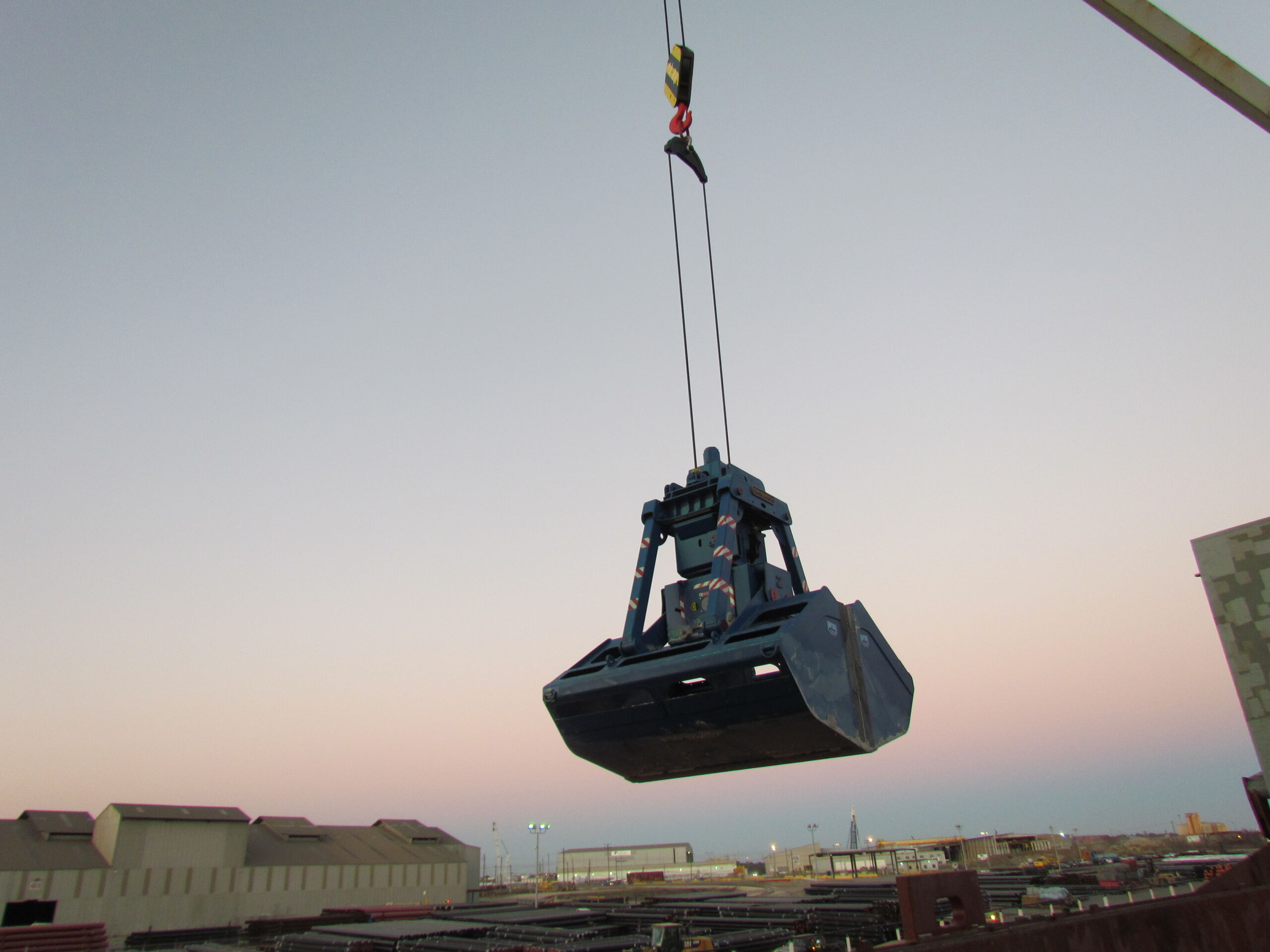
For example, hydraulic clamshell or orange peel grabs can be modified with different shell types and cutting edges to handle mixed or unpredictable materials whether it’s loose sand, compact clay, or heavy aggregate. Similarly, modular lifting systems designed by manufacturers like Güven Grab enable quick adjustments to grip force, rotation, or depth, allowing operations to adapt instead of stall.
Adaptability is a decisive advantage in field conditions. It transforms unforeseen obstacles into manageable variables, ensuring that progress continues even when the ground beneath literally changes.
Frequently Asked Questions
Why Do Large Construction Projects Face So Many Delays?
Large-scale projects involve thousands of moving parts, design revisions, supplier coordination, financial flows, and labor availability all of which must align perfectly over long timelines. The sheer complexity increases exposure to external disruptions such as regulatory changes, weather conditions, and market fluctuations. In essence, it’s not one issue but the interaction of many small inefficiencies that leads to cumulative delay.
Which Factor Causes The Biggest Delays In Construction?
While the exact impact varies by project, planning and design changes are often the most influential. Poor initial scheduling creates unrealistic expectations, while uncontrolled design revisions force teams to rework tasks and reorder materials. Together, they generate ripple effects across procurement, logistics, and labor allocation.
How Can Better Equipment Reduce Delays?
Modern, high-performance equipment directly reduces downtime by improving reliability and operational speed. For example, advanced hydraulic and remote-control grabs such as those produced by Güven Grab enable faster loading, reduced maintenance intervals, and safer handling of heavy materials. When machinery functions seamlessly within the workflow, it eliminates idle time and keeps the project on schedule.
What Role Does Technology Play In Preventing Construction Delays?
Technology enhances visibility and coordination across all project stages. Integrated systems like BIM, ERP, and IoT monitoring provide real-time insights into progress, resource utilization, and upcoming bottlenecks. These digital tools help managers act before problems escalate turning reactive firefighting into proactive control.
Can Contractors Completely Avoid Delays?
Total elimination of delays is unrealistic, but minimization and mitigation are absolutely achievable. The goal is to anticipate high-risk areas such as permitting, logistics, or ground conditions and build flexibility into plans. Projects that combine disciplined scheduling, transparent communication, and reliable partners experience fewer and shorter disruptions.
How Do Supply Chain Problems Affect Large-Scale Projects?
Supply chain breakdowns have a domino effect. A single late shipment can stall multiple dependent tasks, leaving both workers and equipment idle. Contractors mitigate this by diversifying suppliers, using local manufacturing where possible, and securing equipment from producers with proven delivery reliability.
Do Construction Delays Always Increase Project Costs?
In most cases, yes. Every day of delay increases labor expenses, equipment rental costs, and overhead. Additionally, contractual penalties and opportunity costs can significantly erode profit margins. That’s why proactive delay management through strong planning, financial oversight, and dependable equipment is a cornerstone of project profitability.
How Can Companies Prepare For Unforeseen Site Conditions?
Preparation begins with comprehensive geotechnical studies and realistic risk assessments. But readiness also depends on having adaptive machinery and flexible design workflows. Equipment that can be quickly reconfigured for different materials or excavation profiles allows progress to continue while engineers reassess site data reducing downtime dramatically.
Conclusion
Construction delays are not simply the result of bad luck or isolated errors—they are the outcome of interconnected weaknesses across planning, design, logistics, and execution. Each of the eight causes discussed ranging from inadequate scheduling to unforeseen site conditions demonstrates how fragile the construction timeline can be when proactive management is lacking.
What separates successful projects from those plagued by costly overruns is discipline and foresight. Companies that integrate data-driven planning, maintain transparent communication, and invest in reliable equipment consistently outperform those that rely on traditional reactive methods. Every detail from a well-structured change management system to weather-resistant machinery contributes to overall schedule integrity.
For contractors and project leaders, this means shifting from short-term problem-solving to long-term risk prevention. Choosing equipment partners who understand the operational realities of large-scale projects is a critical step in that transformation.
Guven Grab, with its durable hydraulic, electro-hydraulic, and remote-control grab systems, supports this philosophy by ensuring that material handling never becomes a cause of delay. Designed for efficiency, safety, and adaptability, each grab helps construction and port operations stay on schedule even under the most demanding conditions.
In a world where time defines profitability, controlling the causes of delay is not just an operational goal it’s a competitive advantage. Projects that anticipate, prepare, and adapt are the ones that deliver on time, on budget, and with lasting reliability.