The Role of Scrap Metal in Global Sustainability Efforts
In a world where sustainability guides industrial progress, the steel and metal sectors are standing at a turning point. The global drive toward carbon neutrality is no longer just a political vision. It is actively shaping how raw materials are sourced, processed, and reused in every part of modern supply chains. Within this transition, scrap metal recycling has become one of the most powerful tools for balancing industrial output with environmental responsibility.
Every ton of recycled steel conserves natural resources and contributes to significant reductions in energy use and greenhouse gas emissions. Yet the importance of scrap metal reaches far beyond environmental gains. It has become a foundation of economic resilience and industrial competitiveness. From foundries to ports and shipyards, the efficient handling and reprocessing of scrap materials are helping define the future of sustainable operations.
Why Must Steel Industries Go For Sustainable Processes
Steel production is responsible for nearly 7 to 8 percent of global carbon emissions, making it one of the most energy-intensive sectors worldwide. As governments tighten environmental regulations and investors increasingly favor ESG-aligned operations, steel producers are under growing pressure to change their methods. The question is no longer whether the industry should adapt, but how quickly it can adopt sustainable practices that support long-term competitiveness.
From Linear To Circular Models In Steel Production
Traditionally, the steel industry has followed a linear path: extract raw materials, produce, use, and discard. This approach is resource-heavy and environmentally damaging. The circular model presents a clear alternative. By feeding scrap steel back into the production cycle, companies reduce the need for mining, cut CO₂ emissions, and strengthen supply stability.
This shift is not just ethical or environmentally responsible. It is a strategic business move. Circular systems help lower raw material costs, protect producers from fluctuating ore prices, and position companies to meet the green procurement standards that global manufacturers and governments are rapidly adopting.
Understanding Metal Recycling And Its Impact
Metal recycling is far more than a waste management activity. It is a highly engineered industrial process that supports modern economies. Through advanced sorting, melting, and purification, scrap metal can be transformed into new, high-quality materials without any loss of strength or durability. For the steel industry, this capability is transformative. It allows the same metal to serve in multiple lifecycles, from ship hulls to cranes and from bridges to offshore platforms, without depleting the planet’s limited mineral resources.
How Scrap Metal Is Collected And Reused In Industrial Chains
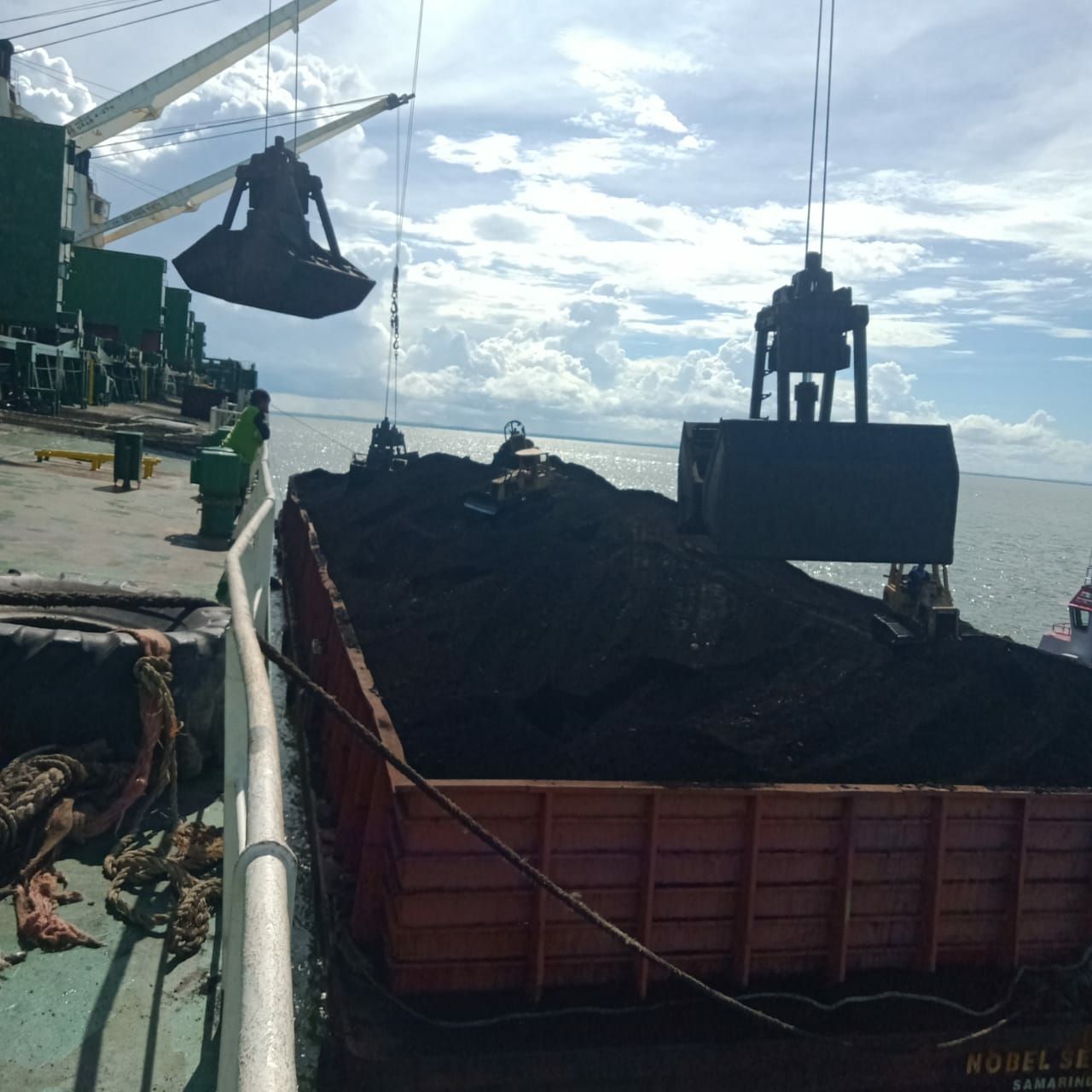
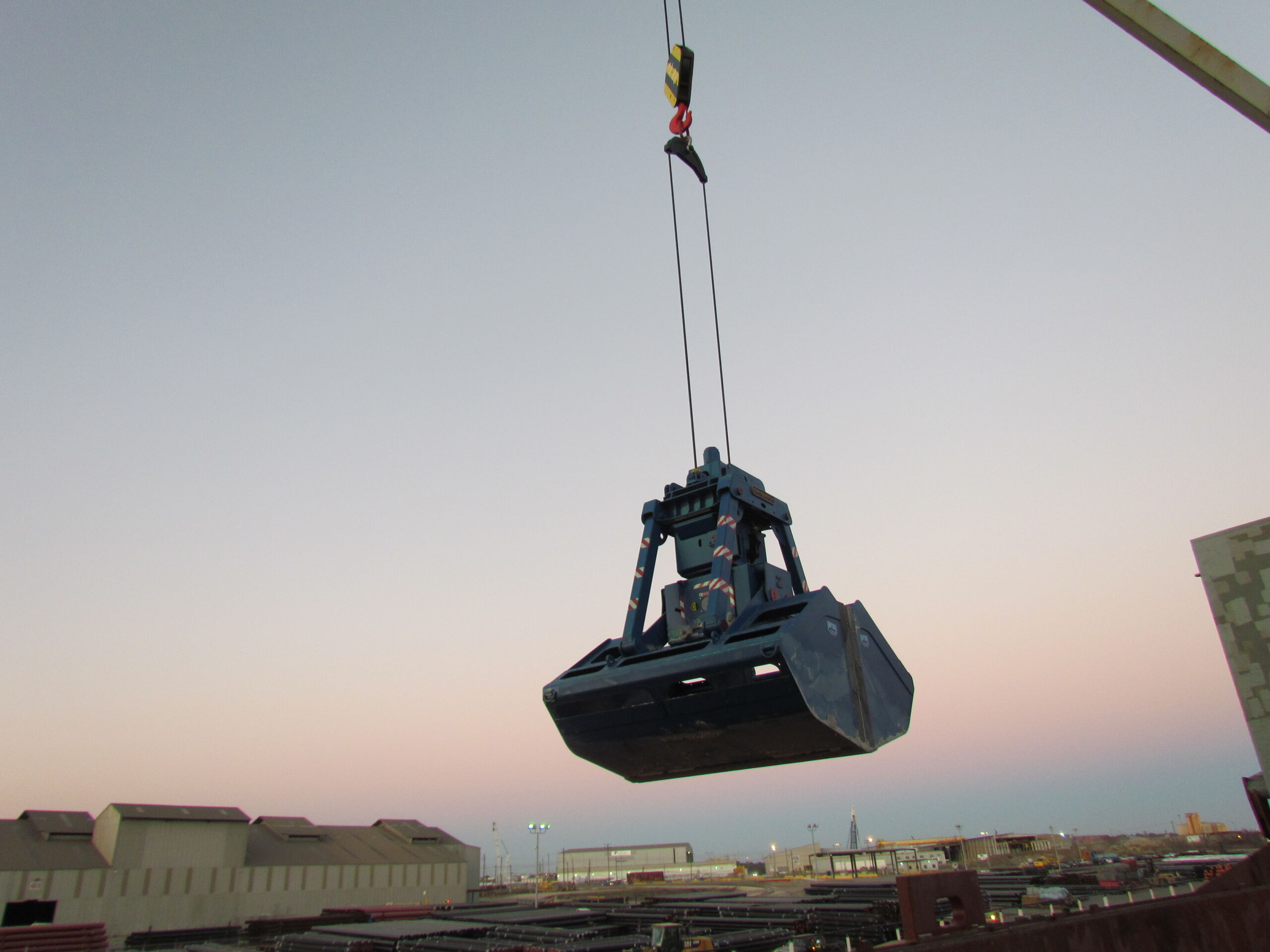
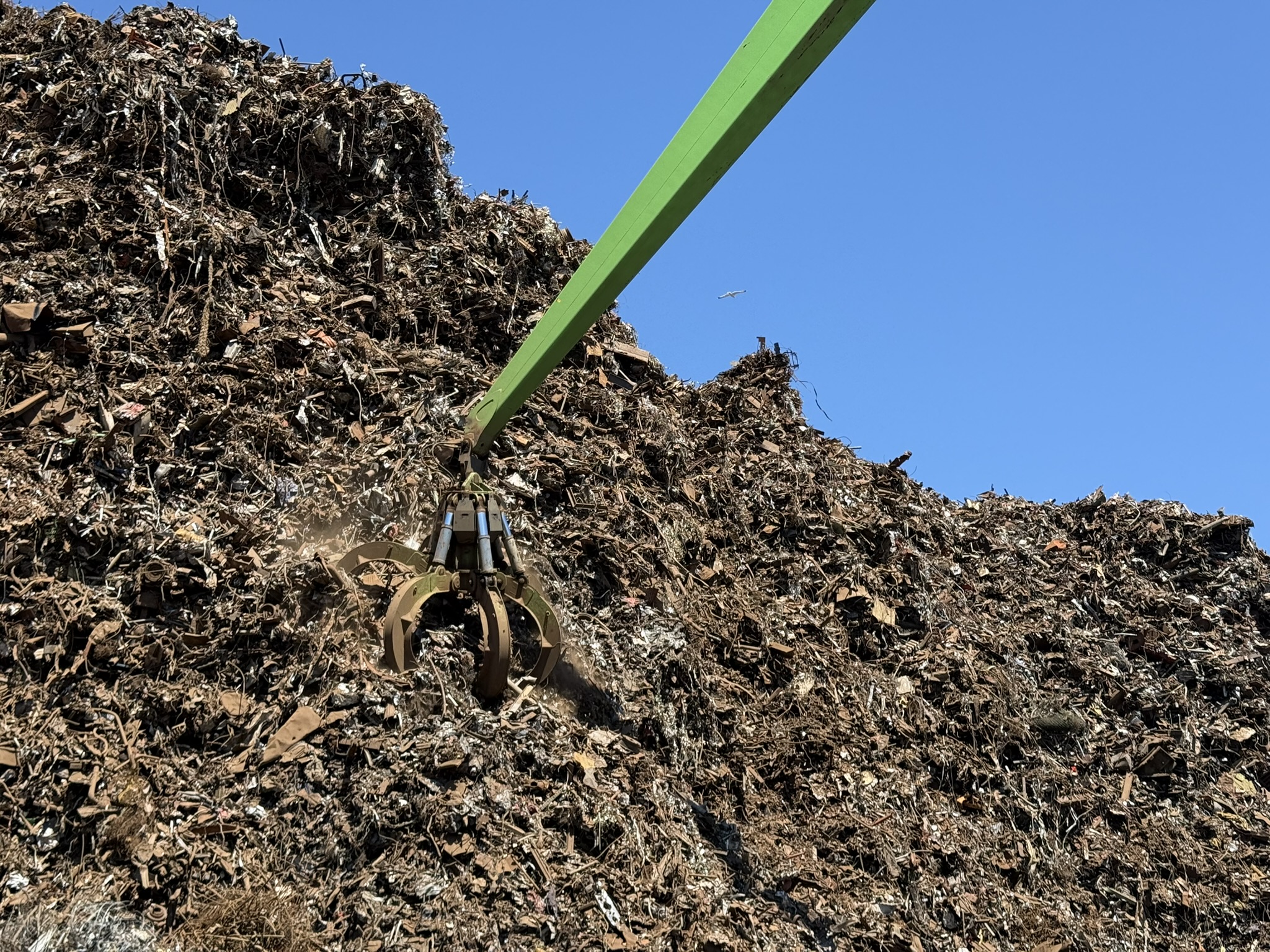
The recycling process usually begins at industrial facilities, ports, and construction sites where large amounts of steel waste accumulate. Scrap is collected, sorted according to composition (ferrous or non-ferrous), and transported to processing centers. Using advanced material-handling tools such as hydraulic clamshell or orange-peel grabs, scrap metal is efficiently loaded into furnaces where it is melted and refined.
Once purified, the molten steel is cast into billets or slabs that re-enter the production cycle as raw material for new products. This closed-loop approach ensures that steel remains one of the few materials capable of being recycled endlessly without losing performance, a quality that sets it apart from most other industrial commodities.
Global Recycling Trends In The Steel Industry
Globally, more than 40 percent of all steel production now relies on recycled scrap, with Electric Arc Furnaces (EAF) becoming increasingly common in regions such as the European Union and North America. In countries like the United States, where scrap collection systems are highly developed, steel recycling prevents millions of tons of CO₂ emissions every year. Many emerging economies are also expanding their recycling capacity to reduce dependence on imported raw materials and to align with international environmental targets.
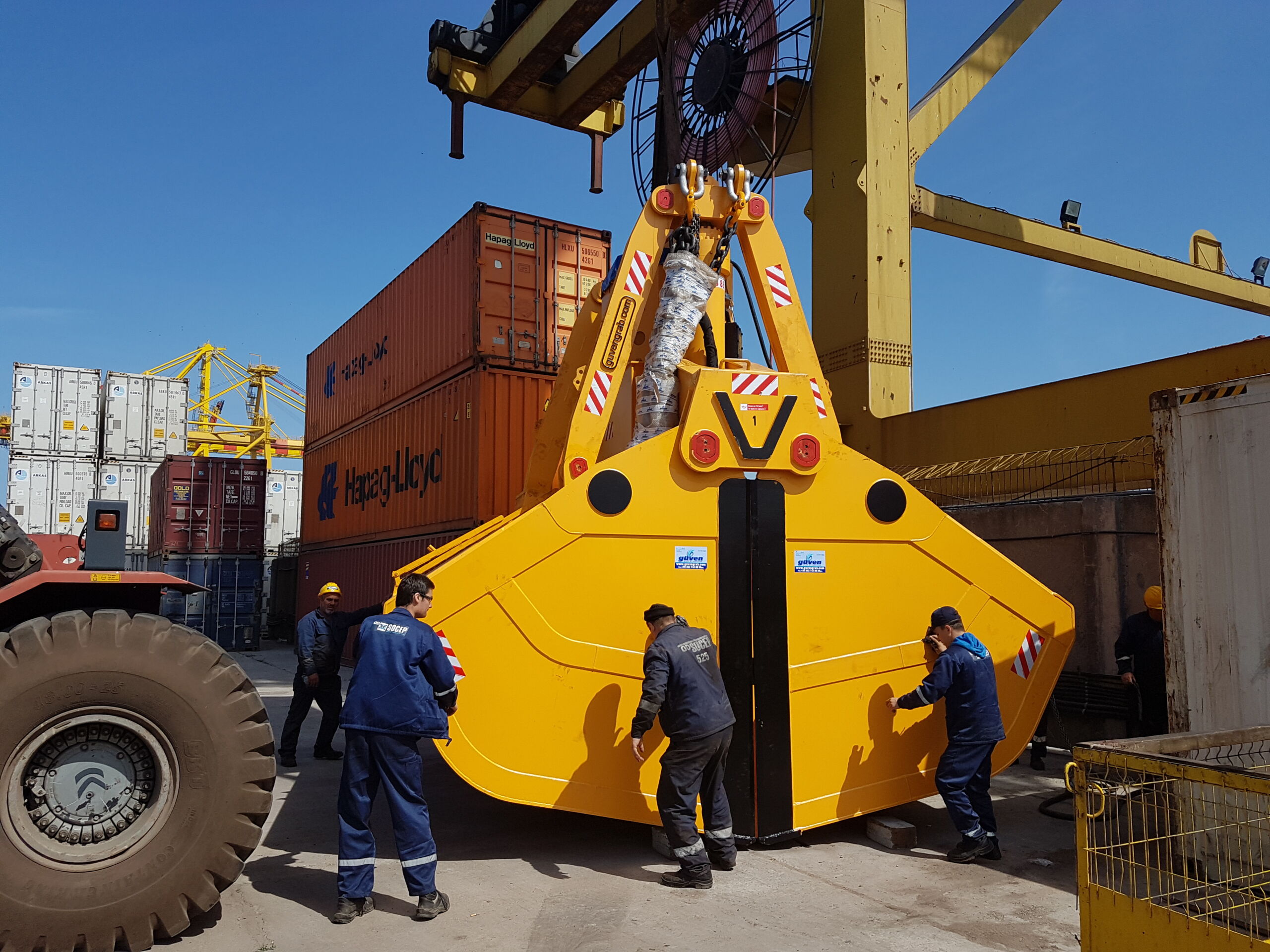
For heavy industries and ports, this shift has created new operational requirements. Scrap loading and unloading now demand equipment that is efficient, durable, and precise. This is where advanced grab systems, including those designed by Guven Grab, play a significant role. They ensure steady and safe material flow even in high-volume recycling environments.
The Key Benefits Of Metal Recycling
The advantages of metal recycling extend far beyond reducing waste. When carried out at scale, it becomes a central pillar of industrial sustainability, delivering clear environmental, economic, and operational benefits. By conserving natural resources and lowering energy use, the recycling process creates a series of positive effects that influence global industries in meaningful and measurable ways.
Resource Conservation
Recycling metal directly reduces the demand for virgin raw materials such as iron ore, coal, and limestone. Mining and extraction are not only energy-intensive but also environmentally disruptive, often causing land degradation and biodiversity loss. By feeding scrap back into the production cycle, manufacturers protect natural ecosystems while securing a stable supply of essential metals. Producing one ton of steel from scrap saves roughly 1,100 kg of iron ore and 630 kg of coal, demonstrating the significant resource conservation potential built into modern recycling systems.
Energy Efficiency
One of the most important benefits of scrap metal recycling is its energy efficiency. Producing steel from recycled scrap in an Electric Arc Furnace (EAF) can require up to 75 percent less energy than traditional blast furnace methods. This major reduction not only cuts greenhouse gas emissions but also lowers operating costs, making recycling both an environmental and economic advantage. For industries aiming to shrink their carbon footprint, shifting toward scrap-based production has become one of the fastest and most effective ways to achieve measurable results.
Waste Reduction
Scrap recycling prevents millions of tons of material from ending up in landfills or being incinerated. Each ton of recycled steel diverts waste that would otherwise accumulate, taking up land space and releasing pollutants. Ports, shipyards, and large recycling facilities rely on efficient grab systems, such as hydraulic orange-peel grabs and electro-hydraulic clamshells, to handle these operations safely and effectively. Advanced solutions like Güven Grab’s equipment help operators manage high-density scrap with greater control, reducing downtime and lowering environmental risks.
Economic Opportunities
Recycling is not only a green practice, it is also a rapidly expanding global market. The metal recycling industry generates billions of dollars each year and supports millions of workers across collection, processing, transportation, and equipment manufacturing. For countries with limited mineral reserves, scrap recycling offers a way to create a stable, self-sufficient raw material supply chain. It also protects manufacturers from sharp price swings in iron ore and coal, giving industries greater financial stability.
Circular Economy And Industrial Responsibility
When industries integrate recycling into their core operations, they strengthen the circular economy, a system where waste becomes the starting point for new production rather than a final destination. This approach turns sustainability into both a business advantage and a corporate responsibility. Companies that adopt closed-loop recycling not only meet environmental expectations but also build a reputation for innovation, efficiency, and long-term resilience.
Key Benefits Of Metal Recycling
| Benefit | Environmental Impact | Economic Impact |
|---|---|---|
| Resource Conservation | Reduces need for mining and extraction | Ensures steady supply of raw materials |
| Energy Efficiency | Cuts CO₂ emissions by up to 75% | Lowers production costs |
| Waste Reduction | Diverts metal from landfills | Reduces disposal and logistics expenses |
| Economic Opportunities | Supports green jobs and new industries | Stabilizes material price volatility |
| Circular Economy | Promotes long-term sustainability | Strengthens corporate ESG performance |
What Is Green Steel Production And Why Is It The Need Of The Hour
The concept of green steel represents one of the most transformative shifts in the history of metallurgy. Traditional steelmaking, which relies heavily on coal-fired blast furnaces, releases large amounts of carbon dioxide during production. Green steel aims to change this by replacing fossil fuels with renewable energy or hydrogen-based reduction methods. The goal is clear: to produce steel with near-zero carbon emissions while maintaining the same level of strength, durability, and performance.
As countries commit to more ambitious carbon neutrality goals, the shift toward green steel is no longer optional. It is becoming a defining measure of industrial responsibility. Leading producers in Europe, Asia, and North America are already investing heavily in cleaner technologies and building new facilities designed specifically for sustainable steel manufacturing.
The Connection Between Scrap Metal And Green Steel
Scrap metal plays a central role in the global shift toward green steel. Unlike traditional methods that depend on virgin raw materials, Electric Arc Furnace (EAF) systems primarily use scrap as feedstock. Because the EAF process requires far less energy and produces fewer greenhouse gases, it is considered one of the main pathways toward low-carbon steelmaking.
By increasing the amount of scrap used in production, steel manufacturers can reduce emissions and energy use immediately, without waiting for new hydrogen-based technologies to reach full maturity. In this sense, scrap recycling is the most practical bridge to green steel today.
For industrial facilities and ports, this transition creates a rising need for strong, high-precision handling equipment capable of managing diverse scrap loads safely and efficiently. Companies like Güven Grab support this shift through advanced hydraulic and electro-hydraulic grab systems, which help maintain smooth and reliable material flow in recycling operations around the world.
Challenges In Scaling Green Steel Technologies
Despite its promise, the transition to green steel comes with challenges. Producing hydrogen at industrial scale is still costly, and many regions lack sufficient renewable electricity to support large-scale adoption. Retrofitting older blast furnaces or building new Electric Arc Furnace (EAF) facilities requires major investment and long project timelines. There is also the ongoing need to secure a steady supply of high-quality scrap metal, which can be difficult due to global demand and uneven collection systems.
Even with these obstacles, the overall direction is clear. As carbon pricing expands and green procurement policies become more common, companies that delay action risk falling behind both economically and in terms of reputation. The future of steelmaking will depend on continuous innovation and strong scrap management systems. These elements together will ultimately make green steel the worldwide benchmark for responsible production.
Conclusion
The recycling of scrap metal is far more than a sustainability initiative. It is a strategic foundation for the future of global industry. Each ton of recycled steel contributes to resource conservation, lower production costs, and significant reductions in carbon emissions, proving that environmental responsibility and industrial efficiency can support one another.
As the world accelerates toward carbon-neutral production, green steel and scrap recycling will continue to guide the transformation of heavy industries. With the right technologies, equipment, and operational mindset, companies can shift sustainability from a basic requirement to a long-term competitive strength. For producers, ports, and recyclers, the message is clear: adopting scrap metal recycling today is an investment in a cleaner, stronger, and more resilient industrial future.