

The Global Scrap Metal Market In 2026 Trends And Challenges
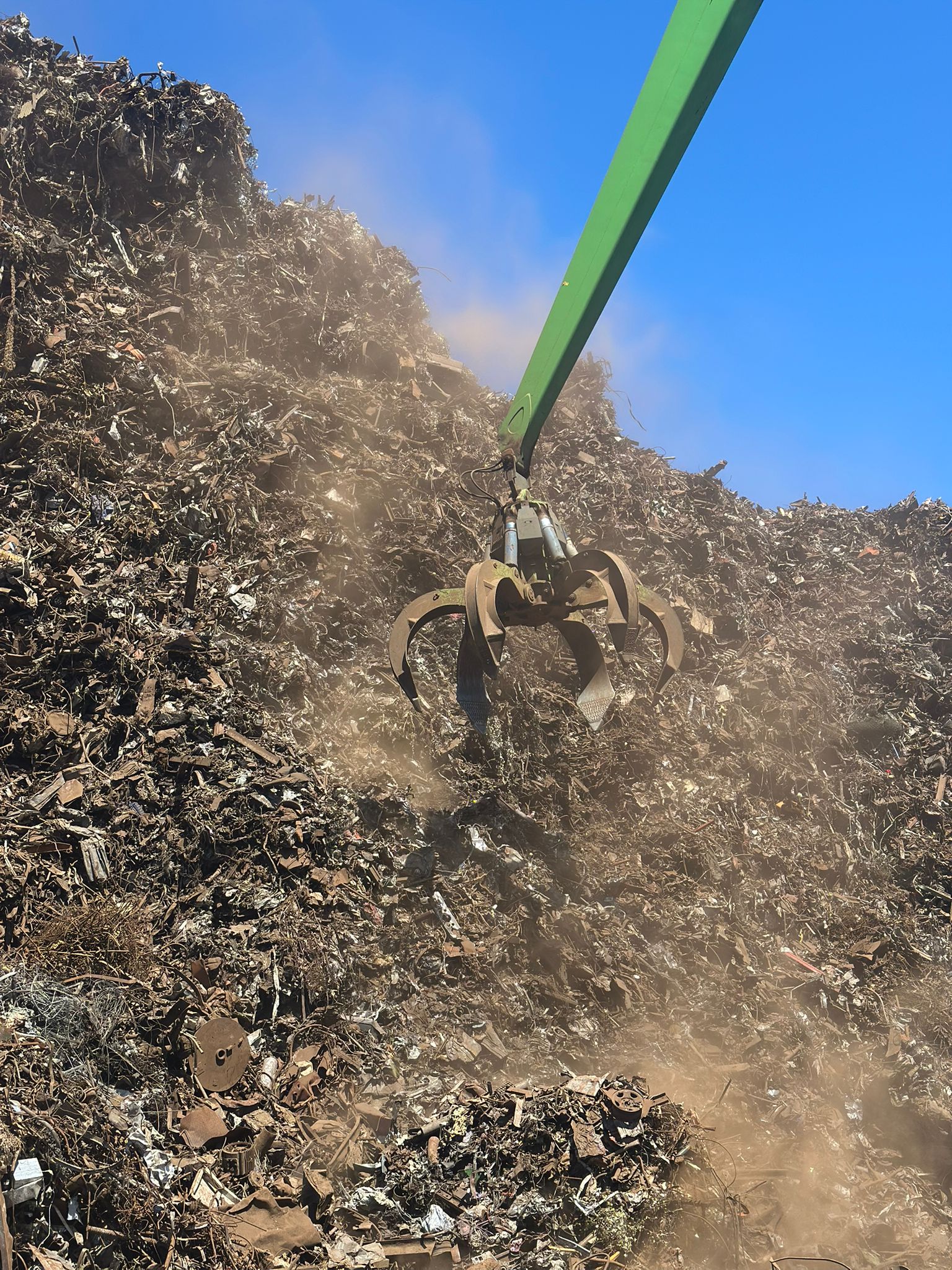
The global scrap metal market in 2026 is operating under a level of pressure and complexity that goes beyond previous cycles. Geopolitical instability, shifting trade routes, energy price volatility, and tightening sustainability requirements are no longer peripheral influences. They now play a central role in how scrap is sourced, priced, stored, and moved across industrial supply chains. For recycling facilities, steel producers, and bulk material handling operations, scrap metal has become both a strategic raw material and a growing operational challenge.
At the same time, operational efficiency has emerged as a key differentiator. As margins narrow and market conditions become less predictable, the ability to handle scrap quickly, safely, and with minimal material loss has a direct impact on financial performance. Scrap handling solutions are no longer judged solely on lifting capacity or initial investment cost. Instead, durability, cycle consistency, maintenance behavior, and performance under continuous, high-intensity use have become decisive factors. In this environment, understanding the forces shaping the scrap metal market is not just an exercise in market analysis, but a practical requirement for decision-makers responsible for equipment selection and long-term operational resilience.
How Are Global Geopolitics Shaping Scrap Metal Markets
Geopolitical developments have become one of the strongest forces shaping the global scrap metal market, often outweighing traditional supply and demand dynamics. Trade disputes, regional conflicts, and changing diplomatic relationships now influence where scrap can be traded, how easily it moves across borders, and at what cost. As a result, pricing signals are increasingly driven by political decisions rather than purely by industrial consumption trends.
By 2026, global scrap flows have become noticeably more fragmented. Countries that were once dependable exporters are tightening controls to protect domestic supply, while importing regions are actively diversifying sourcing strategies to reduce geopolitical exposure. This fragmentation places additional strain on logistics networks and handling infrastructure, turning operational resilience into a core requirement rather than a secondary concern.
Trade Restrictions And Export Policies
Export controls have become a common policy tool for governments seeking to support domestic steel production and manufacturing capacity. Quotas, increased export duties, and restrictions on specific scrap grades are now reshaping established trade routes. While these measures may stabilize local markets, they often create supply disruptions and sudden shortages for regions that depend heavily on imported scrap.
For scrap handlers, terminals, and port operators, these policy shifts lead to uneven shipment volumes and less predictable loading schedules. Equipment that performs well under stable conditions can become a bottleneck when faced with sharp throughput peaks or extended idle periods. As a result, operators are placing greater emphasis on scrap handling systems that can respond quickly to changing volumes without sacrificing reliability or safety.
Energy Security And Industrial Policy Pressure
Energy security and industrial policy are increasingly intertwined with scrap market behavior. Efforts to reduce carbon emissions and promote electric arc furnace steelmaking are driving higher scrap utilization across many regions. At the same time, volatile energy prices influence when mills enter the market and how aggressively they purchase scrap.
This volatility pushes uncertainty downstream to recycling facilities and bulk handling operations. Yards must remain flexible, able to increase processing capacity during demand spikes and scale back efficiently when activity slows. In this environment, handling equipment that delivers consistent performance, tolerates high-cycle operation, and minimizes downtime becomes a strategic asset, supporting continuity in an otherwise unpredictable market.
How Different Market Participants Are Viewing The Scrap Metal Market
The scrap metal market in 2026 is not viewed uniformly across the value chain. Each participant interprets current conditions through the lens of its own operational exposure, cost structure, and tolerance for risk. While macro indicators point to volatility, the day-to-day impact varies significantly between scrap processors, steel producers, and logistics operators. These differing perspectives help explain why investment priorities and operational strategies are increasingly diverging across the industry.
What unites these stakeholders is a growing focus on operational control. As market visibility shortens and price fluctuations become more frequent, the ability to manage internal processes efficiently has become more critical than attempting to anticipate external market movements. This shift is elevating the importance of equipment performance, reliability, and adaptability in operational decision-making.
Scrap Processors And Recycling Facilities
Scrap processors continue to operate under sustained margin pressure, driven by fluctuating purchase prices and uneven outbound demand. In many regions, facilities are holding material longer than planned, tying up working capital and increasing congestion within recycling yards. Under these conditions, inefficient handling quickly translates into higher operating costs and elevated safety risks.
As a result, processors are prioritizing scrap handling solutions that deliver precise control, reliable gripping force, and consistent cycle performance. Equipment that minimizes spillage and reduces the need for rehandling allows yards to maintain throughput even when inventory levels rise unexpectedly. In practical terms, durable grabs designed for abrasive scrap environments are no longer seen as optional upgrades, but as essential tools for maintaining productivity.
Steel Mills And Foundries
For steel mills and foundries, scrap functions as both a cost input and a quality variable. In 2026, mills are becoming more selective about scrap grades, as input consistency has a direct effect on furnace efficiency, energy consumption, and process stability. Pricing volatility further complicates procurement, forcing operators to balance short-term cost considerations with long-term supply reliability.
Operationally, inconsistent scrap deliveries create challenges during unloading and feeding stages. Mills increasingly favor handling systems capable of managing variations in scrap density, size, and composition without excessive wear or downtime. This is driving demand for heavy-duty grabs that maintain structural integrity under irregular loading conditions and support steady material flow into production.
Port Operators And Bulk Handling Contractors
Port operators and bulk handling contractors view scrap metal as a high-volume cargo with significant operational impact. Scrap shipments are often irregular and concentrated into short timeframes dictated by vessel schedules, regulatory constraints, and trade conditions. During these periods, equipment performance directly influences berth productivity and vessel turnaround times.
In response, operators are placing greater emphasis on handling solutions that combine durability with predictable performance. Equipment failures during peak loading or unloading windows not only disrupt operations but can also trigger contractual penalties. As a result, investment decisions are increasingly focused on proven grab designs that can sustain intensive duty cycles while keeping maintenance demands under control.
Current Inventory Situation In Global Scrap Markets
Inventory levels have become one of the most visible indicators of imbalance in the global scrap metal market. In 2026, stock positions are shifting rapidly as market participants respond to policy changes, uncertain demand, and ongoing logistical constraints. Unlike earlier cycles, where inventory trends developed gradually, current conditions are marked by sharp build-ups followed by sudden drawdowns, often occurring within relatively short periods.
These fluctuations have direct operational consequences. Storage capacity, internal material flow, and equipment utilization are all influenced by how long scrap remains in yards, ports, or intermediate facilities. For operators, inventory management is no longer a purely commercial consideration. It has become an operational challenge that affects safety, efficiency, and capital deployment.
Regional Inventory Disparities
Inventory conditions vary widely across regions. In North America, scrap availability remains relatively strong due to steady demolition activity and consumer recycling, although outbound flows are shaped by domestic steel demand and export economics. In Europe, tighter balances are emerging in certain scrap grades, driven by energy costs and regulatory pressures that affect collection and processing. Parts of Asia continue to experience sharp inventory swings as import policies and shipping disruptions influence sourcing patterns.
These regional differences create uneven operational pressure. Facilities in high-inventory regions must manage congestion, extended storage times, and frequent rehandling. In tighter markets, scrap moves through the system more quickly, increasing handling intensity and cycle frequency. Although the challenges differ, both scenarios place sustained stress on handling equipment, reinforcing the importance of adaptable and durable scrap handling solutions.
Impact Of Inventory On Handling Operations
When inventories build up, yards and terminals are often forced to stack material higher and rehandle scrap more frequently. Each additional movement increases equipment wear and raises the likelihood of material loss. During periods of tight inventory, the pressure shifts toward maximizing throughput, pushing handling systems to operate at high duty cycles with minimal downtime.
In both situations, operational resilience depends heavily on the reliability of grabs and lifting systems. Equipment that delivers consistent gripping force, withstands abrasive conditions, and performs reliably under variable loads allows operators to manage inventory volatility without compromising safety or efficiency. For this reason, inventory dynamics are increasingly influencing equipment selection decisions across the scrap handling sector.
Market Implications For Scrap Handling And Equipment Selection
Current conditions in the scrap metal market are changing how operators evaluate handling equipment. Pricing volatility, irregular shipment patterns, and fluctuating inventory levels have shifted attention away from short-term cost savings toward long-term operational reliability. In 2026, equipment selection is increasingly treated as a strategic decision that affects how quickly and safely an operation can adapt to changing market conditions.
Scrap handling is inherently demanding. Irregular material shapes, high impact loads, and abrasive surfaces place continuous stress on mechanical components. When market pressure increases, these stresses intensify as equipment is pushed harder to maintain throughput. Under such conditions, the limitations of under-specified or poorly matched handling systems tend to surface at the most critical moments, often during peak operational periods.
Increased Demand For High Cycle Heavy Duty Grabs
As scrap movements become more concentrated into shorter operating windows, demand for high-cycle, heavy-duty grab systems continues to grow. Operators require equipment that can sustain repeated opening and closing cycles without loss of control or consistency. In high-volume environments, reliability and repeatable performance often matter more than peak lifting capacity, as small inefficiencies quickly accumulate.
This trend favors grab designs that prioritize structural strength, balanced geometry, and dependable actuation systems. Grabs engineered specifically for scrap handling, rather than adapted from general bulk applications, are better equipped to maintain performance under continuous stress. For operators, this results in more predictable operations and a lower risk of unplanned stoppages.
Operational Cost Control Through Equipment Reliability
In volatile market conditions, cost control is increasingly achieved by avoiding disruption rather than reducing unit costs. Equipment downtime during peak handling periods can quickly offset months of careful margin management. Maintenance interventions, spare part availability, and lost operating hours all introduce costs that are often underestimated.
Reliable scrap handling equipment helps stabilize operations by extending service intervals and reducing the frequency of maintenance interventions. When grabs perform consistently across different scrap types and loading conditions, operators gain greater confidence in shift planning, labor allocation, and delivery commitments. Over time, this level of operational stability becomes a meaningful competitive advantage in markets defined by uncertainty.
What Factors Are Driving Scrap Metal Prices In 2026
Scrap metal pricing in 2026 is shaped by a combination of structural pressures and short-term disruptions that increasingly reinforce one another. While traditional supply and demand fundamentals still matter, they are now heavily influenced by external factors such as energy costs, logistics constraints, and policy-driven changes. As a result, price movements have become less predictable and more sensitive to shocks across industrial and geopolitical systems.
This environment has made price management more complex for market participants. Historical trends and seasonal patterns provide limited guidance when pricing is driven by sudden changes in energy markets, trade policy, or production capacity. Operators must interpret price signals within a broader operational context, recognizing how developments upstream and downstream affect scrap generation, processing, and consumption.
Steel Demand And Production Capacity Utilization
Steel production remains the primary source of scrap demand. In 2026, capacity utilization rates differ significantly by region, reflecting variations in infrastructure investment, manufacturing activity, and export competitiveness. When mills operate closer to full capacity, scrap demand can tighten rapidly, pushing prices higher even when overall supply levels appear sufficient.
At the operational level, sudden increases in mill demand place pressure on scrap processors and logistics providers. Facilities are often required to accelerate handling and shipment cycles to take advantage of favorable pricing windows. Equipment that enables fast, reliable material movement allows operators to respond to these demand shifts without compromising safety or operational control.
Energy Costs And Transportation Constraints
Energy costs continue to play a central role in scrap pricing. Electricity prices influence the economics of electric arc furnace steelmaking, while fuel costs affect collection, processing, and transportation activities. Rising energy expenses often feed directly into higher scrap prices, not necessarily due to material scarcity, but because of increased processing and delivery costs throughout the supply chain.
Transportation constraints further intensify this effect. Limited vessel availability, port congestion, and inland logistics bottlenecks can restrict scrap flows even when material is readily available. These disruptions create localized price spikes and widen regional price differences, increasing the importance of efficient handling at transfer points such as ports, terminals, and rail hubs.
Quality Differentiation And Processing Capability
Scrap quality has become an increasingly important factor in price formation. Well-processed scrap with consistent sizing and low contamination levels commands premiums as steelmakers seek to optimize furnace efficiency and control energy consumption. Poorly prepared material, by contrast, is more likely to face discounts or rejection, particularly when operational margins are tight.
Handling equipment plays a subtle but important role in preserving scrap quality. Excessive breakage, contamination, or material loss during loading and unloading can reduce the value of otherwise usable material. Grabs designed for secure, controlled scrap handling help maintain material integrity, enabling operators to achieve stronger pricing outcomes in quality-sensitive markets.
What Is The Long Term Outlook For The US Scrap Metal Industry
The long-term outlook for the US scrap metal industry is shaped by structural factors that extend well beyond short-term price cycles. While market volatility is likely to remain part of the landscape, underlying trends point toward sustained relevance and steady growth in domestic scrap generation and consumption. In this environment, operational efficiency and infrastructure readiness will play a decisive role in determining which participants can convert opportunity into consistent performance.
The United States benefits from a mature recycling ecosystem, strong industrial demand, and continued policy support for domestic manufacturing. Together, these factors provide a degree of long-term stability, even as short-term disruptions continue to test the sector’s resilience.
Infrastructure Investment And Domestic Recycling Capacity
Public and private infrastructure investment is expected to support higher levels of scrap generation in the years ahead. Large-scale renovation projects, transportation upgrades, and energy infrastructure development generate substantial volumes of recyclable metal, reinforcing scrap’s role as a key input for domestic steel production. At the same time, efforts to shorten supply chains and reduce reliance on imports are increasing the strategic importance of locally sourced scrap.
This growth places additional pressure on recycling and handling infrastructure. Facilities must be able to process larger volumes without proportional increases in labor, downtime, or operational risk. Under these conditions, durable scrap handling solutions capable of sustaining high utilization rates become essential for scaling operations efficiently.
Technology Adoption In Scrap Handling Operations
Technology adoption across the US scrap sector is accelerating, driven by labor availability constraints and higher safety expectations. Automation-ready systems, remote-controlled equipment, and data-informed maintenance practices are moving from early adoption toward broader implementation. The objective is greater predictability, reduced exposure to hazardous environments, and more stable operating costs.
For handling operations, this shift favors equipment that integrates smoothly with modern crane systems and delivers consistent, repeatable performance. Grabs engineered for durability and precise control align well with these requirements, helping operators prepare for evolving technology standards while maintaining operational continuity.
Conclusion
The global scrap metal market in 2026 is defined by complexity rather than clarity. Geopolitical pressures, energy costs, inventory volatility, and shifting demand patterns are reshaping how scrap is priced, transported, and processed. Across the value chain, these forces ultimately converge at the operational level, where efficiency, reliability, and control determine an organization’s ability to remain competitive.
In this environment, scrap handling solutions take on a more strategic role than in previous cycles. Equipment that performs consistently under demanding conditions enables operators to absorb market shocks and respond quickly when opportunities emerge. Looking ahead, those who combine informed market insight with strong operational readiness will be best positioned to manage both the challenges and the long-term potential of the global scrap metal industry.
Table of Contents


