The Benefits of Excavator Grapples for Dredging and Port Management

Modern dredging and port operations are no longer judged only by how powerful the equipment is. What really defines efficiency today is how accurately materials are handled, how safely crews can work, and how reliably machines perform day after day in tough conditions. As ports around the world are pushed to move larger volumes while meeting stricter safety and environmental requirements, the tools attached to the machinery have become just as important as the machines themselves.
This is where excavator grapple attachments come into play. In both dredging operations and port-side material handling, grapples have become a key component rather than an optional add-on. Unlike standard buckets or rigid lifting systems, grapples allow operators to grip materials securely, adapt to different loads, and maintain better control throughout each movement. In practice, this means faster working cycles, less strain on the equipment, and more predictable performance on site. Guven Grab focuses heavily on designing grapple systems around these real-world demands, where precision and reliability directly affect productivity, safety, and overall project success.
What Is Excavator Grapples
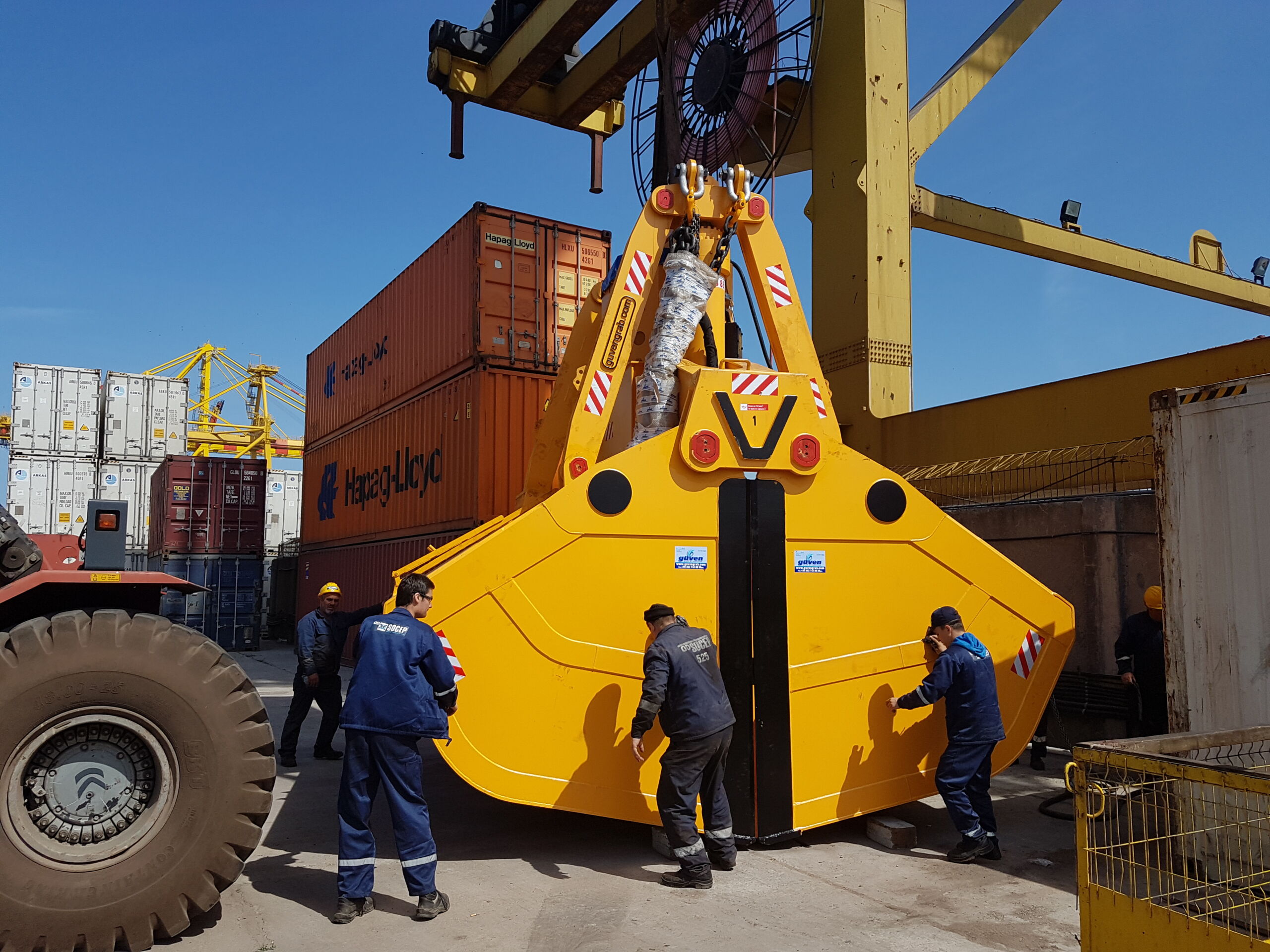
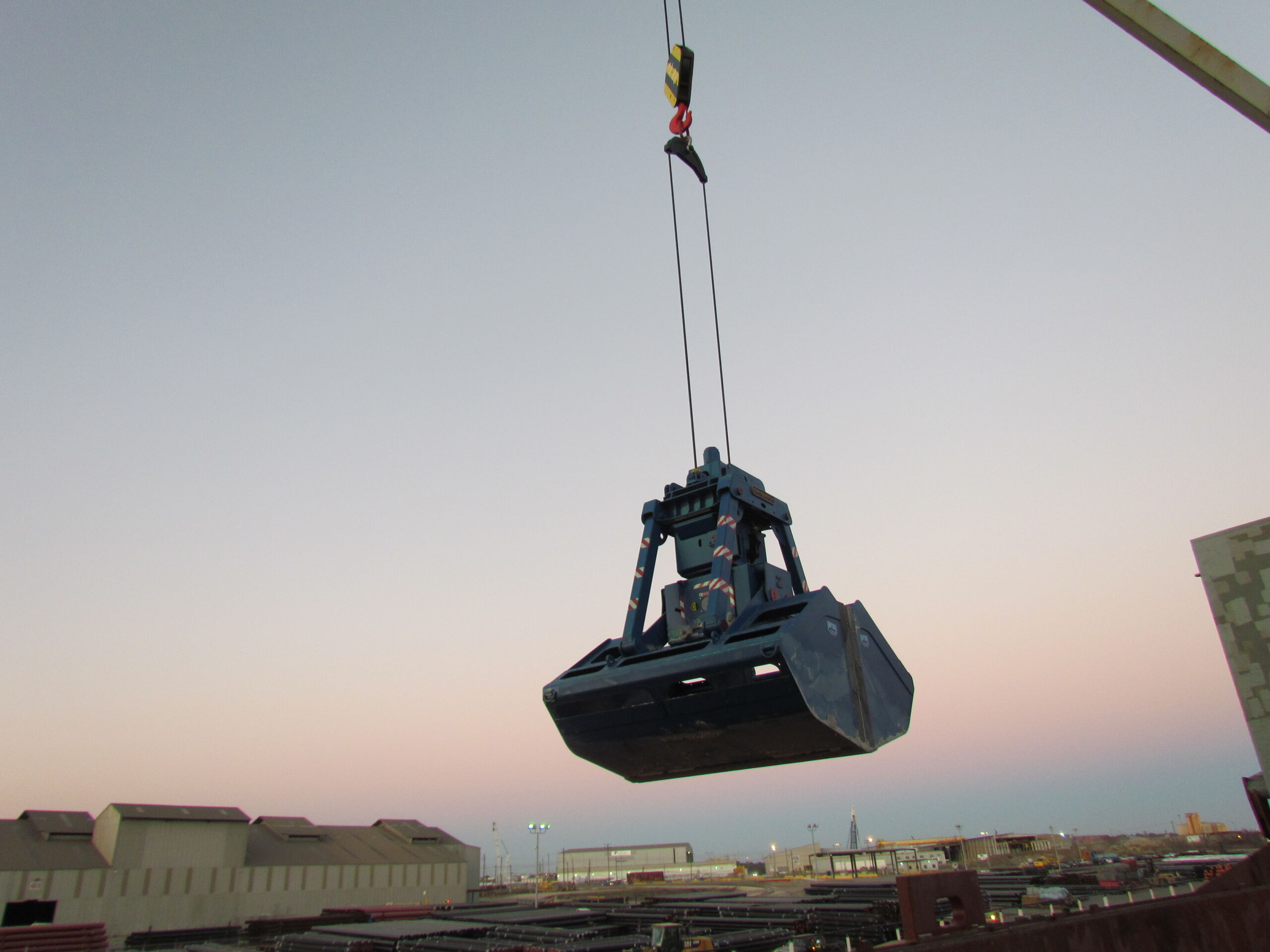
An excavator grapple is an attachment designed to grip, lift, sort, and place materials with control, rather than simply scooping them up. Unlike standard buckets that depend on holding material inside a fixed shape, grapples use hydraulically powered opposing jaws to securely grasp loads of different sizes, shapes, and weights. This ability to actively grip materials makes them especially well suited for dredging operations and port environments, where loads are often irregular, heavy, or difficult to stabilize.
In day-to-day operations, an excavator grapple behaves less like a passive attachment and more like an extension of the machine itself. It gives operators precise control when handling sediment, rocks, scrap, timber, or bulk cargo, reducing the need for repeated adjustments or repositioning. In port settings, this level of control is essential when working close to quay walls, vessels, and other sensitive infrastructure where mistakes are costly. In dredging work, grapples excel at removing compacted material and managing debris that conventional buckets often fail to secure effectively.
Key Design Principles Of Excavator Grapple Attachment Systems
The performance of an excavator grapple attachment depends largely on two factors: its mechanical design and how well it integrates with the machine’s hydraulic system. The geometry of the jaws is especially important. Their shape and closing angle determine how securely different materials can be held, and how effectively slippage can be avoided. In demanding dredging environments and busy port operations, reinforced arms and wear-resistant steel are essential, as the attachment must withstand abrasive materials, heavy loads, and repeated impacts over long operating hours.
Hydraulic actuation is just as critical. It allows operators to adjust gripping force based on the type and density of the material being handled, rather than applying the same pressure in every situation. This level of control improves accuracy while reducing unnecessary strain on both the grapple and the excavator. In more advanced configurations, rotation capabilities add another layer of precision, making it possible to align and position loads without constantly moving the entire machine. Taken together, these design principles turn excavator grapples from basic add-ons into precision tools that have a direct impact on productivity, safety, and operational confidence.
Increased Efficiency In Material Handling
In dredging and port management, efficiency comes down to how quickly materials can be moved without losing control or compromising safety. Excavator grapples help strike this balance by allowing operators to handle loads in a single, controlled movement, instead of relying on repeated scooping, constant repositioning, or manual adjustments. When cycle time directly affects vessel turnaround or overall project schedules, these time savings quickly turn into a real operational advantage.
With an excavator grapple attachment, material can be securely gripped, lifted, and placed with minimal loss, reducing the need for corrective actions during handling. This is especially valuable in dredging operations, where sediment conditions can change significantly within the same working zone. Rather than adjusting techniques for every material variation, operators can depend on the grapple’s adaptive gripping force to deliver consistent results. Over time, this consistency supports smoother workflows, reduces operator fatigue, and leads to more predictable and reliable output rates.
Faster Loading And Unloading Cycles In Port Operations
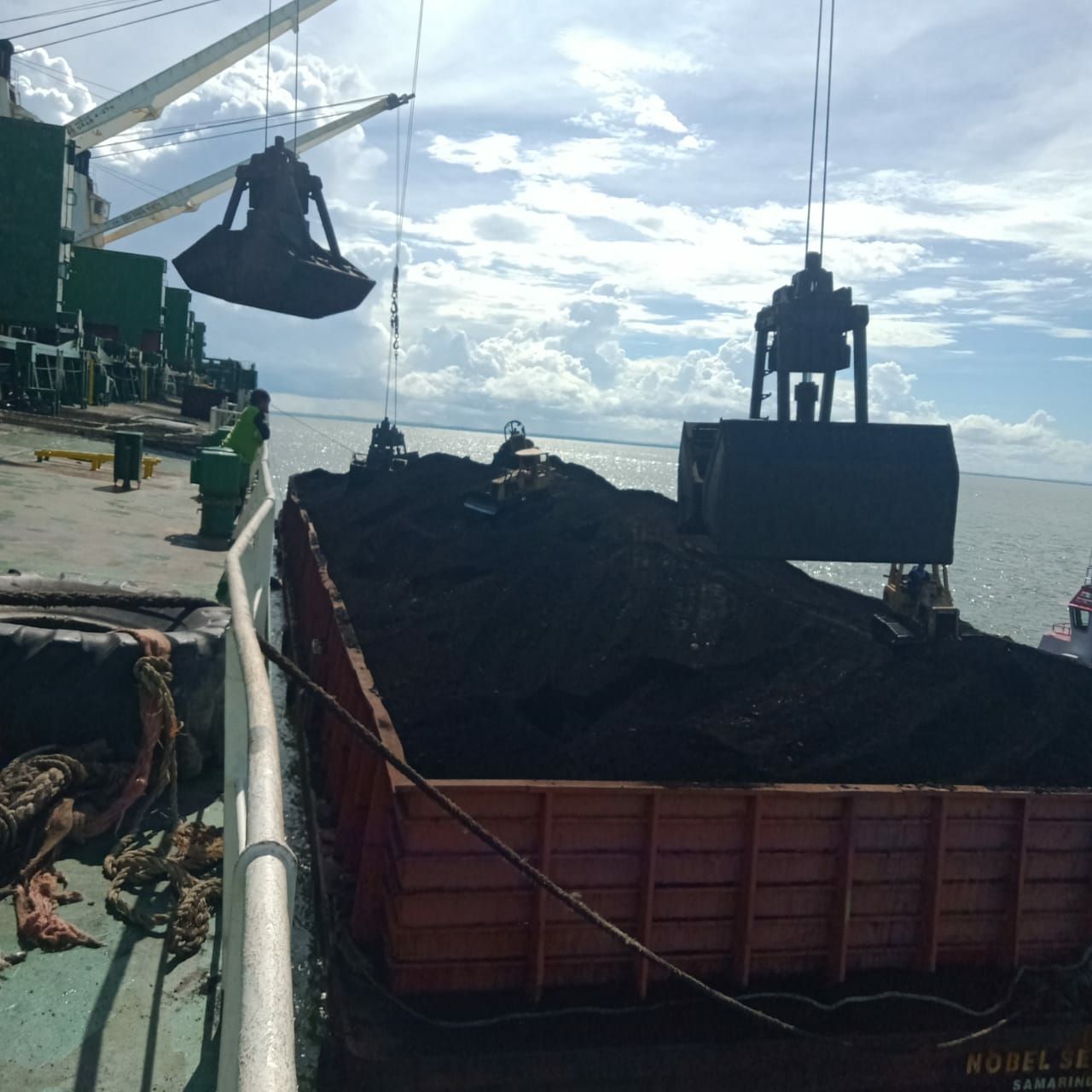
In port operations, loading and unloading speed has a direct impact on berth availability and overall terminal capacity. Excavator grapples support faster handling of bulk materials such as scrap metal, aggregates, timber, and dredged spoil by removing the inefficiencies that come with loose material containment. When a load is securely gripped, it can be transferred straight from vessel to shore or hopper without unnecessary intermediate steps.
A common example can be seen during maintenance dredging along quay walls. A grapple-equipped excavator can break free compacted material and place it accurately into barges or designated stockpiles in one controlled motion. This approach minimizes spillage, reduces the need for rehandling, and shortens each working cycle. The outcome is a clear increase in daily output without the need to upgrade machine size or boost power consumption, which is especially valuable for ports looking to increase capacity without costly infrastructure expansion.
Improved Safety And Reduced Downtime
In dredging and port environments, safety and operational continuity go hand in hand. Unstable loads, uncontrolled material movement, and frequent equipment adjustments all increase the risk of accidents and unexpected downtime. Excavator grapples help reduce these risks by enabling controlled material handling, limiting sudden movements, and reducing the need for manual intervention near active machinery.
With an excavator grapple attachment, operators maintain control over the load from the moment it is lifted until it is placed. This stability is especially important in busy port areas, where vessels, personnel, and infrastructure are often operating in close proximity. In dredging applications, grapples also reduce the chance of material slipping back into the water or onto work platforms, helping to avoid secondary hazards and time-consuming clean-up. Over longer operating periods, this level of control supports fewer disruptions and more reliable shift planning.
Lower Risk Of Equipment Damage And Workplace Accidents
From an engineering standpoint, many equipment issues in ports and dredging operations are caused by shock loads and uneven stress on the machine. Excavator grapples help address this by distributing gripping forces more evenly across the load, which reduces sudden impacts on hydraulic systems and structural components. By applying force in a controlled way, the grapple protects both the attachment and the excavator itself, leading to longer service intervals and less downtime for maintenance.
Safety on site also improves as the need for manual load positioning and stabilization is reduced. When materials can be handled accurately from the operator’s cab, far fewer people need to work close to moving equipment. This lowers the risk of accidents and supports compliance with increasingly strict port safety standards. Over time, fewer incidents and less equipment wear result in more reliable operations and a safer working environment overall.
Versatility Across Dredging And Port Applications
One of the key advantages of excavator grapples is their ability to handle multiple tasks without the need for constant attachment changes. In dredging and port operations, where material types and site conditions can change quickly, this flexibility helps keep work moving without unnecessary interruptions. Instead of stopping operations to swap tools, operators can rely on a single excavator grapple attachment that adapts to different tasks throughout the project.
This versatility is particularly valuable in ports that manage mixed cargo or combine maintenance dredging with day-to-day material handling. The same grapple can be used to remove dredged sediment, clear debris, and handle bulk materials efficiently, all without sacrificing control or speed. For engineers and project planners, this means simpler logistics, better use of equipment, and higher machine uptime across the entire operation.
Adaptability To Different Materials And Working Conditions
Excavator grapples are designed to handle a wide variety of materials, from soft sediments and compacted soils to rocks, scrap metal, timber, and oversized debris. Thanks to their jaw design and hydraulic control, operators can adjust the gripping force to match the material being handled, securing the load without putting unnecessary stress on the attachment or the excavator.
In dredging operations, this flexibility allows material to be removed accurately from uneven seabeds or tight areas close to structures. In port environments, the same grapple can be used to sort mixed materials, load bulk cargo, or clear obstructions from active working zones with equal effectiveness. Being able to perform consistently under such varied conditions makes excavator grapples a practical choice for facilities that want greater operational flexibility without the need for additional capital investment.
Environmental Benefits In Modern Dredging Operations
Environmental performance has become a key consideration in dredging and port projects, driven not only by regulations but also by growing expectations from local communities, authorities, and project stakeholders. Equipment that allows materials to be handled in a controlled manner plays an important role in limiting environmental impact, especially in sensitive coastal zones and inland waterways. Excavator grapples support this goal by offering a level of precision that traditional dredging tools often cannot achieve.
Unlike open buckets, which can release material during lifting or transfer, an excavator grapple attachment keeps the load securely controlled throughout the entire handling process. This reduces sediment dispersion, limits water turbidity, and helps keep work areas cleaner and more manageable. For ports operating close to urban areas or environmentally protected zones, these benefits are essential not only for regulatory compliance but also for maintaining long-term operating permits and public trust.
Reduced Material Loss And Controlled Sediment Handling
Material loss during dredging often means extra work. When sediment escapes during lifting, operators are forced to make repeated passes, burn more fuel, and expose surrounding areas to unnecessary disturbance. Excavator grapples help avoid this by gripping sediment and debris securely, reducing the amount of material that falls back into the water. This is especially important when handling fine sediments, which can easily spread and impact nearby ecosystems.
Controlled handling also improves accuracy when placing dredged material into barges, hoppers, or designated disposal zones. With less spillage, there is less need for secondary clean-up and a lower risk of contaminating adjacent areas. Over time, this level of precision supports more sustainable dredging operations, allowing teams to meet environmental requirements while maintaining consistent productivity.
Cost Savings And Revenue Impact Of Excavator Grapples
In dredging and port operations, financial performance depends on how efficiently equipment turns operating hours into real output. Excavator grapples support this by improving productivity, reducing operational risk, and lowering reliance on additional resources. The economic impact does not come from a single cost saving, but from a combination of gains across labor efficiency, time management, maintenance, and safety-related expenses.
For decision makers assessing dredging equipment investments, the value of an excavator grapple attachment becomes more apparent when viewed over its full service life. Shorter project timelines, fewer unplanned interruptions, and lower incident rates all contribute directly to profitability. In high-throughput port environments, where delays can quickly lead to penalties or lost revenue, these cumulative benefits can make a measurable difference to overall operational performance.
Reduced Labor Costs
Excavator grapples significantly reduce the need for manual assistance during material handling. Because operators can grip, position, and release loads accurately from the cab, there is far less reliance on ground personnel to guide, stabilize, or rehandle materials. In port operations, this makes it possible to work with leaner teams while maintaining high levels of control and safety.
Over time, lower dependence on manual support also leads to better workforce allocation. Skilled personnel can be redirected toward higher value tasks instead of repetitive, support-focused activities. This becomes especially important in ports facing labor shortages or increasing personnel costs, where efficiency gains directly support operational sustainability.
Increased Operational Efficiency
The efficiency gains delivered by excavator grapples go beyond simply shortening cycle times. Consistent and controlled handling reduces rework, limits spillage, and lowers fuel consumption by avoiding unnecessary movements of the machine. In dredging projects, this means fewer passes are needed to reach the required depths. In port operations, smoother loading and unloading directly improve berth productivity and vessel turnaround.
These improvements allow operators to get more work done within the same operating window, increasing revenue potential without the need to add more machines to the fleet. For facilities working under tight schedules, this level of efficiency can be the deciding factor between meeting contractual commitments and facing costly delays.
Improved Safety Related Cost Reduction
Accidents and equipment damage bring both obvious and hidden costs, from repairs and insurance claims to downtime and reputational impact. Excavator grapples help lower these risks by keeping loads stable and reducing uncontrolled movements during handling. With fewer incidents, maintenance costs become more manageable and equipment availability more predictable.
From a financial standpoint, stronger safety performance also supports long-term cost control. Lower liability exposure and more consistent compliance with safety requirements reduce pressure on operating budgets over time. While these savings may be less visible than direct productivity gains, they play a meaningful role in improving overall operational profitability.
How Guven Excavator Grapples Support Industrial Operations
Engineering-focused design is critical in dredging and port operations, where equipment must work reliably under continuous loads, abrasive materials, and constantly changing conditions. Guven Grab develops its excavator grapples with this reality in mind, focusing on structural strength, hydraulic reliability, and application-specific performance rather than one-size-fits-all specifications.
Guven excavator grapples are built to integrate smoothly with the excavator platforms commonly used in dredging and port environments. This close integration supports balanced load distribution and stable operation, even when handling irregular or high-density materials. For operators, the result is predictable machine behavior and lower mechanical stress, both of which are essential for protecting assets over the long term and planning operations with confidence.
Engineering Focused Design And Application Specific Solutions
Instead of relying on a single standardized design, Guven Grab evaluates each application based on real operating conditions such as material type, working depth, and duty cycle. Jaw geometry, wear protection, and hydraulic configuration are then adapted to suit the specific task, whether that involves sediment removal, debris handling, or bulk cargo transfer. This approach ensures that each excavator grapple attachment delivers efficient performance without unnecessary complexity or overengineering.
In practical use, this results in better resistance to abrasion in dredging operations, secure and stable gripping during port handling, and reliable performance over long working hours. By aligning design choices with actual operational demands, Guven Grab helps industrial users achieve durability, consistency, and measurable performance improvements rather than short-term efficiency gains.
Conclusion
Excavator grapples have become a strategic element in modern dredging and port operations, delivering value that goes well beyond basic material handling. By improving efficiency, strengthening safety, supporting environmental control, and generating measurable cost savings, an excavator grapple attachment has a direct impact on daily performance as well as long-term profitability.
For engineers, operators, and decision makers, selecting the right grapple system should go beyond headline specifications or initial cost. What matters most is how well the equipment fits actual working conditions and operational goals. When designed with application-specific requirements and durability in mind, excavator grapples function as a reliable extension of dredging equipment and port infrastructure, helping teams maintain smoother workflows, higher uptime, and more resilient operations over time.
Table of Contents
- What Is Excavator Grapples
- Increased Efficiency In Material Handling
- Improved Safety And Reduced Downtime
- Versatility Across Dredging And Port Applications
- Environmental Benefits In Modern Dredging Operations
- Cost Savings And Revenue Impact Of Excavator Grapples
- How Guven Excavator Grapples Support Industrial Operations
- Conclusion