Steel And Scrap Industry
In today’s steel and scrap industry, operational efficiency, sustainability, and precision are no longer separate priorities. They now define competitiveness. Steel producers face growing pressure to lower environmental impact, optimize resource use, and comply with evolving regulations, all while maintaining consistent product quality.
Scrap metal recycling has become a central pillar of sustainable steelmaking. By reintroducing scrap into production, companies can reduce energy use, cut waste, and generate significant economic value. At the same time, advances in green steel technologies and modern material handling equipment are reshaping how the industry approaches both performance and environmental responsibility. For industrial decision makers, adopting these solutions is not just smart, it is essential for long-term resilience in a rapidly changing market.
Why Steel Industries Must Go For Sustainable Processes
Steel production has long been a resource-intensive process, requiring large amounts of energy and raw materials while generating significant emissions and waste. As global expectations shift toward environmental responsibility and regulations become stricter, traditional methods are no longer sufficient. Companies that do not adopt sustainable practices face growing risks, including regulatory penalties, higher operating costs, and reduced market competitiveness.
Sustainable steel processes have now become a strategic advantage. Incorporating scrap metal recycling, low-carbon production methods, and energy-efficient operations helps reduce costs, improve material efficiency, and strengthen long-term competitiveness. These initiatives also enhance brand credibility, appeal to environmentally minded investors, and position companies as forward-thinking leaders within the steel industry.
Understanding Metal Recycling And Its Impact
Metal recycling is now central to modern steelmaking. By reusing scrap, steelmakers reduce dependence on mined iron ore, lower energy consumption, and minimize environmental impact. Understanding the full impact of scrap metal recycling is essential for decision makers aiming to optimize operational efficiency and sustainability.
How Scrap Metal Moves Through The Recycling Cycle
Scrap metal begins its journey at collection yards, industrial facilities, and demolition sites, where it is sorted according to type, size, and cleanliness. Modern shredding and separation systems prepare the material for melting, often in electric arc furnaces designed for high energy efficiency. Every stage, from initial collection to furnace entry, affects operational performance and the quality of the final steel product. Cleaner, high-purity scrap reduces furnace contamination, lowers energy use, and minimizes waste.
Why Scrap Quality Matters For Industrial Output
Scrap quality has a direct influence on furnace operations and steel consistency. Contaminants such as plastics, paint, or non-ferrous metals can increase slag formation, reduce melting efficiency, and weaken the mechanical properties of the finished steel. Maintaining high-quality scrap leads to smoother furnace cycles, predictable steel specifications, and lower maintenance requirements. For these reasons, effective sorting and careful material handling are essential elements of a strong recycling strategy.
The Key Benefits Of Metal Recycling
Scrap metal recycling delivers far reaching benefits that go well beyond environmental impact. From conserving resources to driving economic value, recycling has become a strategic advantage for steel producers.
Resource Conservation In Steel And Scrap Operations
Recycling reduces dependence on mined iron ore and helps preserve limited natural resources. By reusing steel already in circulation, companies maintain a more stable material supply, lower procurement costs, and reduce the risks associated with fluctuations in raw material prices.
Energy Efficiency Advantages In Scrap Metal Recycling
Producing steel from recycled scrap requires far less energy than producing steel from virgin ore. Lower energy use translates into reduced production costs and fewer greenhouse gas emissions. Electric arc furnaces that rely on scrap can use up to 75 percent less energy than blast furnaces, offering both operational and environmental benefits.
Waste Reduction Through Optimized Recycling Systems
Effective scrap metal recycling reduces industrial waste and lowers dependence on landfills. With accurate sorting and processing, most scrap can be reintegrated into steel production, which reduces furnace cleaning downtime and minimizes overall inefficiencies.
Economic Opportunities Created By Scrap Metal Recycling
Scrap metal recycling contributes directly to financial performance. It stabilizes input costs, creates trading opportunities, and can generate new revenue streams from specialty scrap categories. When managed strategically, scrap becomes both an operational resource and a financial asset.
How Metal Recycling Supports A Circular Economy
Recycling is a central pillar of the circular economy, keeping valuable materials in use for as long as possible. By returning steel to the production cycle, companies reduce environmental impact and improve resource efficiency. Circular practices also align with customer expectations and investor priorities around sustainability and long term environmental responsibility.
What Is Green Steel Production And Why It Is The Need Of The Hour
Green steel represents a major shift in the steel industry, combining environmental responsibility with modern production methods. Traditional steelmaking generates high emissions and requires significant energy, while green steel relies on renewable energy, increased scrap usage, and low carbon technologies to reduce the industry’s environmental footprint without compromising quality or output.
Low Carbon Furnace Technologies And Their Benefits
Electric arc furnaces (EAFs) and hydrogen based steelmaking are key components of green steel. EAFs, particularly those powered by recycled scrap, use far less energy than blast furnaces. Hydrogen based methods, though still developing, have the potential to eliminate CO₂ emissions entirely. These technologies help steelmakers meet environmental goals while maintaining operational efficiency and steel quality.
How Scrap Usage Strengthens Green Steel Strategies
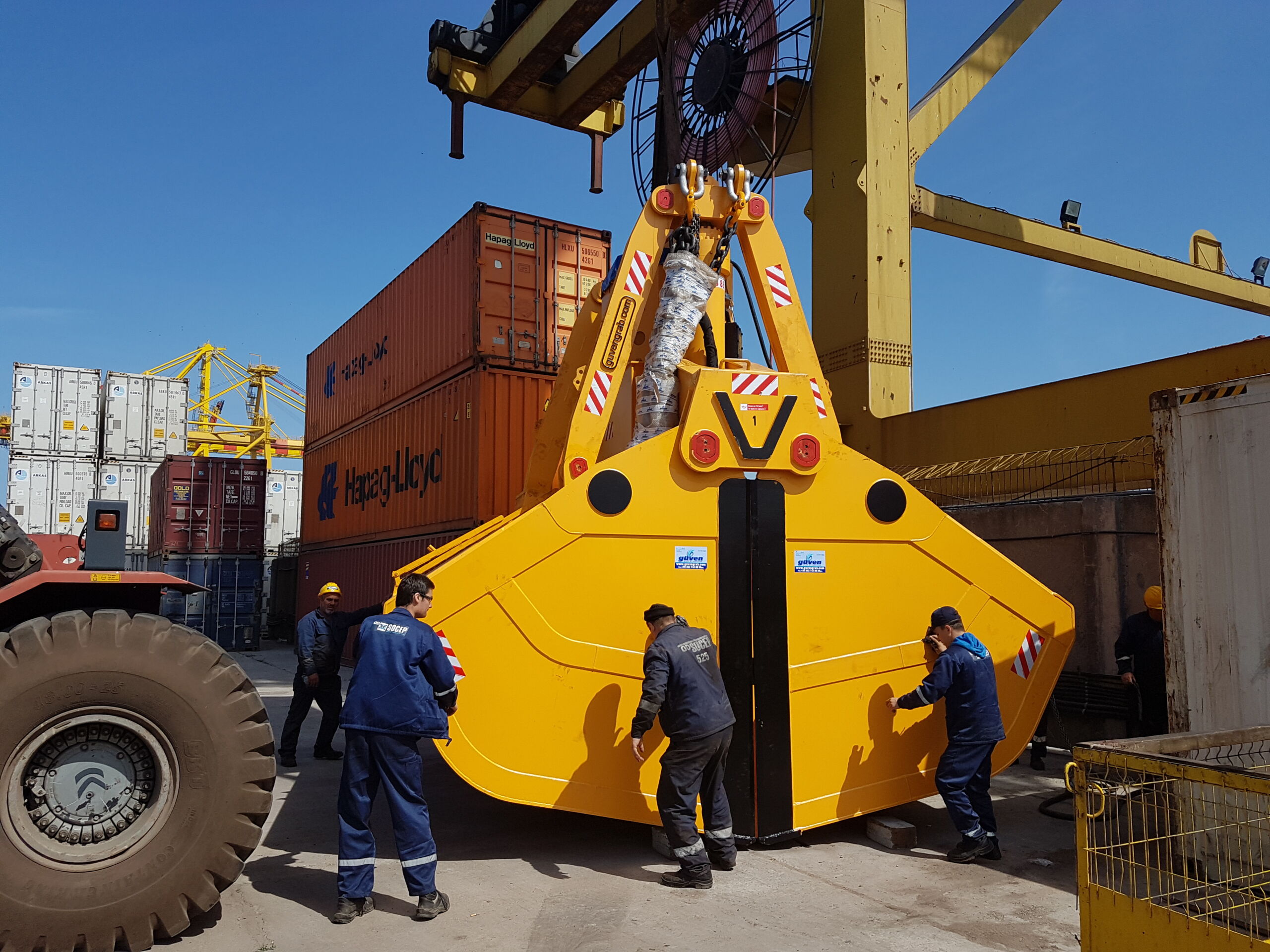
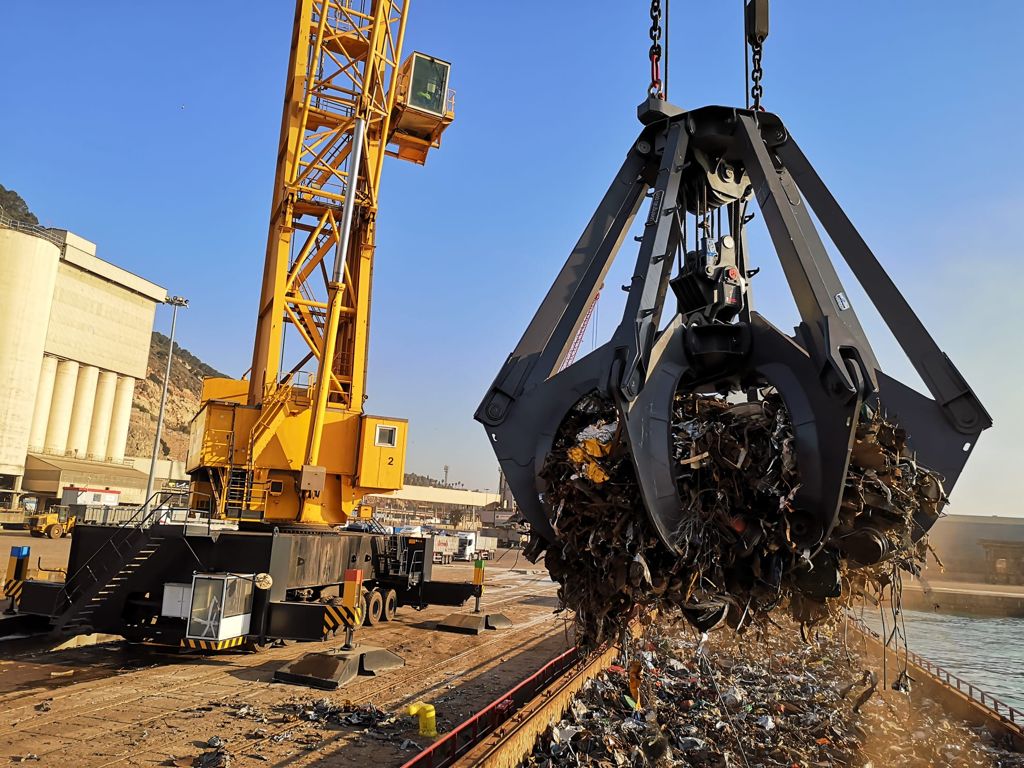
Increasing the use of scrap is one of the most practical ways to advance green steel production. Scrap reduces energy needs and cuts reliance on virgin raw materials, resulting in a lower carbon footprint. Smooth collection, sorting, and feeding of scrap into furnaces are supported by efficient handling systems, including advanced grabs from Güven Grab, which contribute directly to green steel initiatives.
Market And Regulatory Drivers Accelerating Green Steel Demand
Stricter global regulations, growing customer expectations, and investor pressure are all accelerating the transition to green steel. Governments continue to strengthen emission limits, while industries such as automotive, construction, and manufacturing prioritize low carbon sourcing. Companies that adopt green steel technologies early gain a competitive advantage and build stronger credibility in sustainability focused markets.
How Sustainable Scrap Handling Equipment Supports These Goals
Efficient and reliable scrap handling is essential for achieving sustainability in steel production. Modern scrap handling equipment improves workflow, reduces material loss, and enhances safety, making it a key contributor to green steel initiatives.
Improving Operational Efficiency With Purpose Built Scrap Grabs
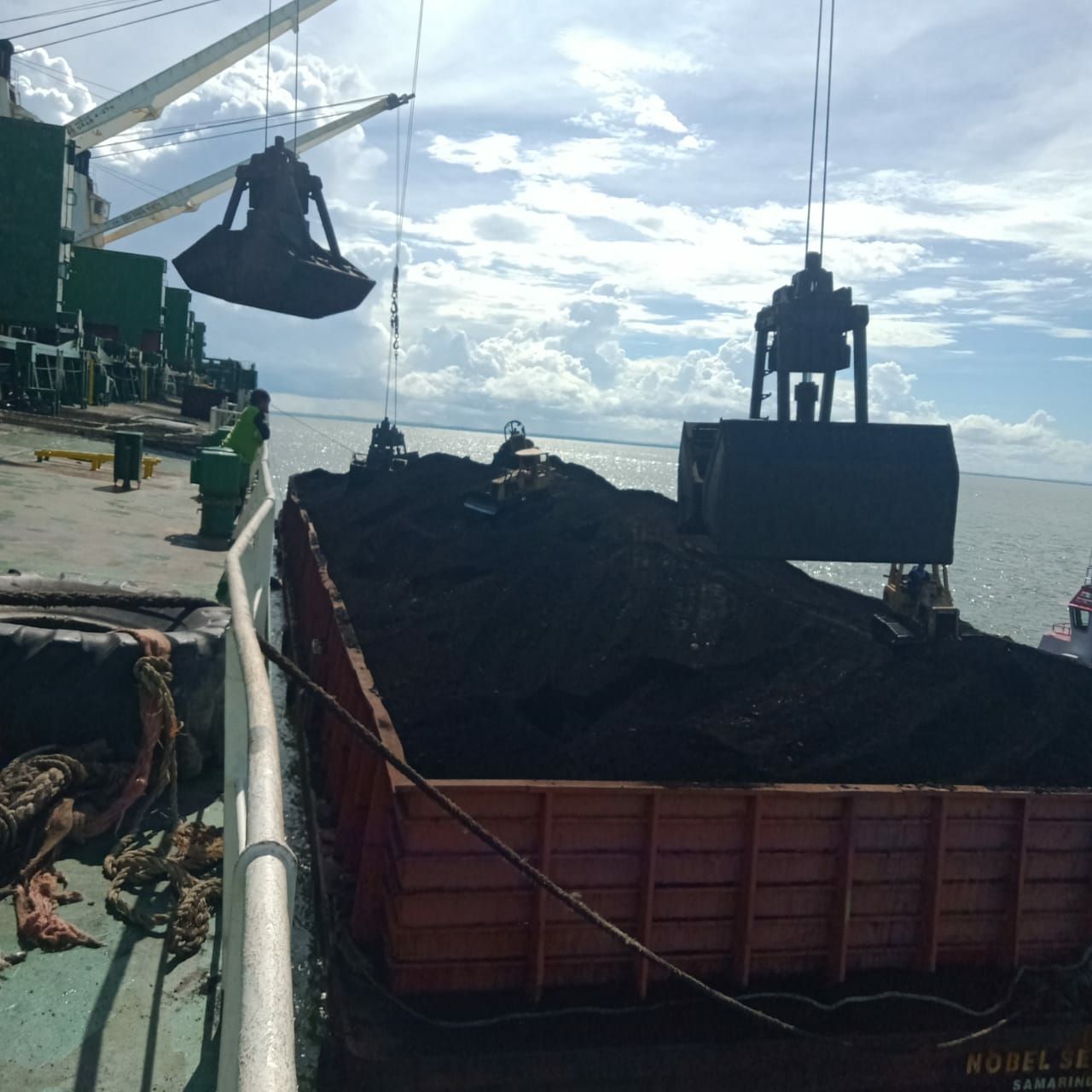
Specialized scrap grabs move large volumes of material quickly and accurately. They increase yard throughput and help maintain a steady supply of scrap to furnaces, supporting smoother and more efficient steelmaking.
Reducing Losses And Downtime In Scrap Management
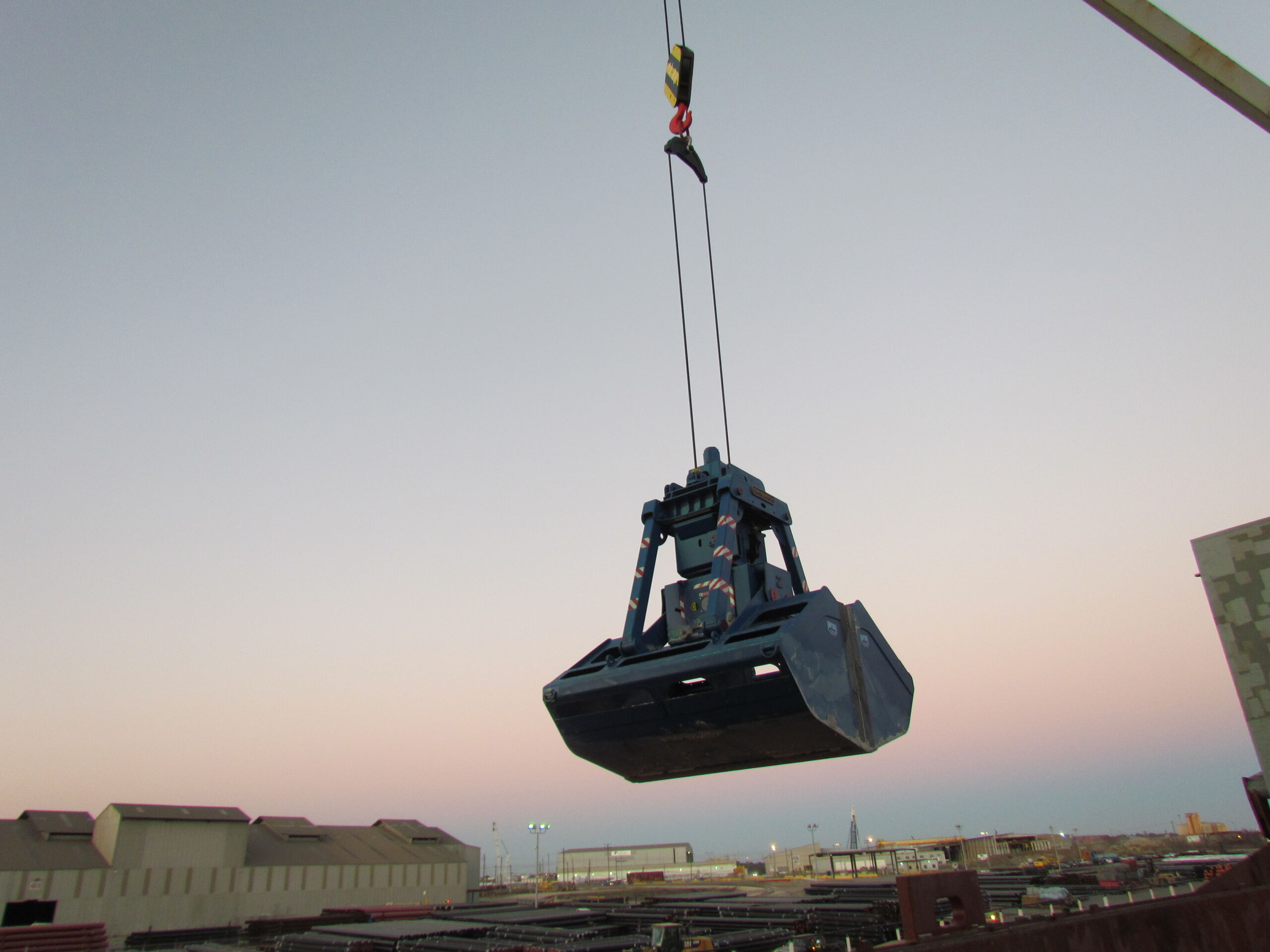
Durable grab systems with reinforced arms and strong hydraulic components reduce downtime and prevent material loss. Their maintenance friendly designs help operations stay productive while lowering long-term costs.
Meeting Safety And Environmental Standards In Recycling Facilities
Proper scrap handling equipment helps control dust, limit spillage, and protect workers. These features support regulatory compliance and promote safe, environmentally responsible operations. Advanced grabs allow facilities to maintain high safety standards while improving overall environmental performance.
Conclusion
The steel and scrap industry is entering a period where sustainability, efficiency, and profitability are closely connected. Scrap metal recycling delivers clear advantages, including resource conservation, lower energy use, reduced waste, and meaningful economic gains. At the same time, green steel production helps cut carbon emissions and meet growing regulatory and market expectations for environmentally responsible operations.
Advanced scrap handling systems, including those developed by Güven Grab, ensure that these sustainable practices are both practical and efficient. Their reliability supports smooth operations, safer work environments, and consistent material flow. For engineers, plant managers, and industry decision makers, investing in recycling processes, green steel technologies, and modern handling equipment is a strategic choice that strengthens competitiveness and prepares steel operations for long-term success.