Radio Remote Control Grab Vs Motorized Grab
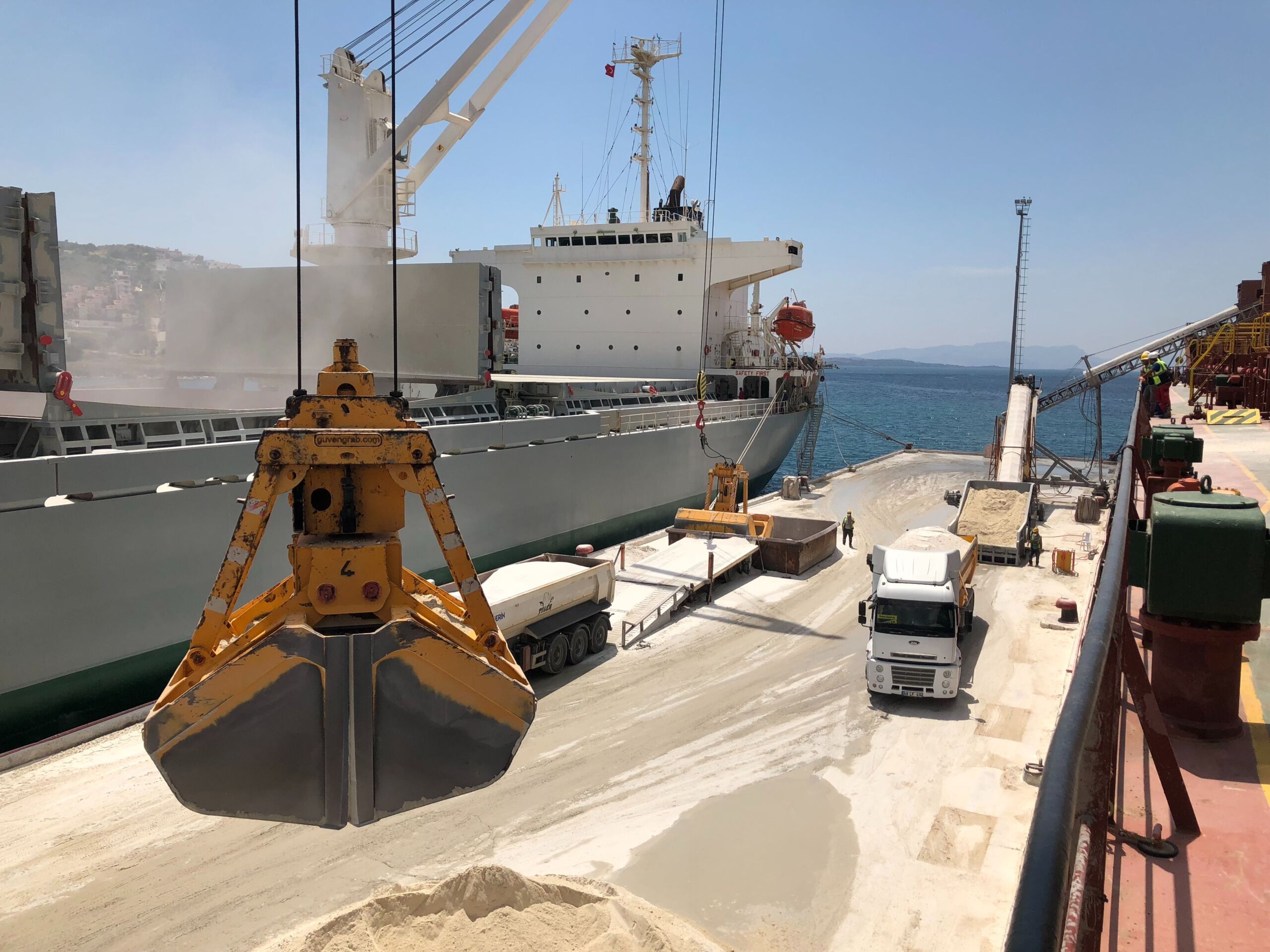
In bulk cargo operations, efficiency is measured in minutes, fuel consumption is measured in margins, and safety is measured in reputation. Whether handling coal, grain, fertilizer, aggregates, or scrap, the grab system attached to a crane directly influences cycle time, crane stability, and long-term maintenance exposure. Choosing between a radio remote control grab vs motorized grab is therefore not a minor equipment preference. It is a strategic operational decision.
As vessel sizes increase and port turnaround expectations tighten, operators face growing pressure to reduce fuel consumption, minimize downtime, and maintain stable lifting performance under dynamic marine conditions. The comparison between radio remote control grabs and motorized grabs should therefore be evaluated not only from a mechanical perspective but also from operational and financial viewpoints. Understanding how each system functions is the first step toward making a technically sound investment.
Why Grab Selection Matters In Bulk Material Handling
Selecting a grab is not simply about matching capacity with crane lifting limits. The grab effectively becomes an extension of the crane itself, influencing structural loads, productivity, and long-term operational reliability.
Impact On Vessel Turnaround And Port Productivity
Every additional cycle required to complete loading or unloading extends berth occupancy. In busy ports, berth time translates directly into cost. A grab that opens and closes smoothly, penetrates bulk material consistently, and minimizes spillage can significantly improve hourly handling rates. Even small improvements in cycle time compound over thousands of movements.
For shipowners operating their own equipment, improved grab efficiency reduces dependency on port rental grabs and shortens port stays. Over a fleet’s annual schedule, these time savings become financially measurable.
Influence On Crane Wear And Structural Stress
Grab weight, shock loading during opening, and dynamic load behavior all affect crane booms, wire ropes, and sheaves. Sudden opening impact or uncontrolled jaw movement can introduce additional stress to the crane structure. Over time, this accelerates fatigue in critical components.
A stable, shock-controlled grab system reduces oscillation and helps protect crane integrity. For vessels operating with deck cranes, structural preservation is particularly important, since crane replacement or major repair represents a significant capital expense.
Operational Environment And Cargo Type Considerations
Different materials require different performance characteristics. Fine grain requires tight closing to prevent leakage. Scrap demands strong structural resistance. Fertilizer and salt introduce corrosive exposure.
A grab must therefore be evaluated in relation to cargo density, moisture level, and abrasive properties. The operating environment, whether a fixed terminal crane or a vessel crane moving between ports, further shapes the most suitable solution.
How Radio Remote Control Grabs Operate
Radio remote control grabs are self-contained hydraulic systems powered internally rather than relying on external electrical connections.
Self Contained Battery Powered Hydraulic System
A radio remote control grab integrates a battery pack and hydraulic power unit within its body. The crane simply lifts and lowers the grab using standard wire ropes. No additional electrical cables, slip rings, or generator integration are required.
The internal hydraulic system activates the cylinders that open and close the shells. Modern battery systems allow extended operational periods, often supporting multiple working shifts before recharging. This independence from crane infrastructure makes the system particularly suitable for vessels and mobile operations.
Wireless Control And Operator Interaction
The operator controls the opening and closing functions via a wireless remote system from the crane cabin. This eliminates the need for mechanical triggers or cable based activation systems.
The absence of trailing cables reduces entanglement risk and simplifies setup when transferring the grab between cranes or vessels. For operators, this translates into cleaner deck arrangements and faster deployment.
Shock Free Opening And Crane Stability
Advanced hydraulic control enables smoother jaw movement compared to traditional mechanical impact release systems. Controlled opening minimizes sudden load release shock and reduces oscillation.
For vessel cranes operating in wind or swell conditions, reduced pendulum effect improves load accuracy and enhances safety. Greater stability directly supports operator confidence and overall handling efficiency.
How Motorized Grabs Operate
Motorized grabs rely on external electrical power supplied from the crane.
External Power Supply And Cable Systems
These grabs require an electrical cable running from the crane to the grab body. A cable drum or reel system manages extension and retraction during lifting operations, allowing power to be transmitted continuously to operate the internal motor.
While effective in fixed terminal environments, cable systems introduce additional mechanical complexity. Cable wear, drum alignment, and electrical insulation integrity become ongoing maintenance considerations.
Electrical Motor And Gear Mechanisms
Inside the grab, an electric motor drives a gearbox that actuates the opening and closing mechanism. This configuration provides strong closing force and can perform reliably under controlled infrastructure conditions.
However, motors and gear assemblies require periodic inspection, lubrication, and protection against dust and moisture. Electrical components exposed to marine humidity demand particular attention to prevent corrosion and electrical faults.
Operational Limitations In Dynamic Port Conditions
In shipboard operations where crane movement and vessel motion combine, cable management can become challenging. Slack cable, twisting, or abrasion may occur during continuous operation.
In ports with unstable power supply or generator inconsistencies, operational interruptions can affect performance. The dependency on crane electrical integration also limits flexibility when moving the grab between different cranes or vessels.
Power Supply And Energy Requirements
Energy architecture is one of the most decisive differences when comparing radio remote control grabs vs motorized grab systems. While both are designed to deliver sufficient closing force and consistent cycle performance, the way they source and consume power has direct implications for fuel efficiency, crane compatibility, and operational resilience.
Energy Efficiency And Fuel Consumption
Radio remote control grabs operate using an integrated battery-powered hydraulic unit. Because they do not require a continuous electrical feed from the crane, they reduce auxiliary generator load on vessels. Lower generator demand translates into measurable fuel savings, especially during extended discharge operations.
On geared bulk carriers operating 35,000 to 80,000 DWT vessels, even marginal reductions in generator consumption over multi-day port stays can generate noticeable cost advantages. In contrast, motorized grabs draw constant electrical power from the crane system, increasing energy demand throughout the operation. For terminals with fixed infrastructure this may not be critical, but for shipboard operations it often is.
Infrastructure Dependency And Setup Time
Motorized grabs require proper electrical integration, including cable drum installation, electrical panels, and wiring. When switching cranes or transferring equipment between vessels, these infrastructure requirements can become a limiting factor.
Radio remote control grabs, by design, eliminate this dependency. Since the grab carries its own power source, installation typically involves only mechanical connection to the crane hook and rope system. This independence enables faster commissioning and greater operational flexibility, particularly in charter scenarios where vessels may not have standardized electrical configurations.
Operational Continuity During Power Interruptions
Electrical supply instability can interrupt motorized grab performance. Voltage fluctuations, generator inconsistencies, or port-side power transitions may cause unexpected downtime.
Battery-powered systems operate autonomously once charged. Even if external electrical issues arise, the grab continues functioning independently of the crane power supply. For operators prioritizing reliability under varying port conditions, this autonomy can become a decisive operational advantage.
Operational Efficiency And Flexibility
Beyond energy consumption, the true performance of a grab is measured in handling rate consistency, adaptability, and integration with operational workflows.
Cycle Time Optimization
Hydraulic systems within radio remote control grabs provide consistent closing force throughout each cycle. Smooth penetration into bulk material and controlled release reduce spillage and improve fill factor.
In real port conditions, improved fill efficiency can increase tons handled per hour without increasing crane speed. Over thousands of cycles, this consistency directly influences vessel turnaround time.
Motorized grabs can also achieve strong closing force. However, cable drag, delayed response due to electrical transmission, and occasional power fluctuations may introduce small inefficiencies that accumulate during extended operations.
Multi Vessel And Multi Port Adaptability
Shipowners operating across multiple ports often encounter different crane specifications and infrastructure standards. A radio remote control grab can be transferred between vessels with minimal adaptation because it does not rely on crane electrical systems.
This flexibility is particularly valuable for fleet operators who prefer owning their grab equipment rather than depending on port rental units. Reduced reliance on terminal supplied grabs can improve scheduling control and reduce rental costs.
Suitability For Charter Vessels
Charter vessels frequently operate under varying port conditions, sometimes without guaranteed access to specialized terminal equipment. Investing in a radio remote control grab allows shipowners to maintain operational independence.
Instead of negotiating port side equipment availability, the vessel arrives with its own self powered grab system. This reduces operational uncertainty and protects against unexpected rental charges or equipment compatibility issues.
Maintenance Complexity And Reliability
Maintenance strategy should be evaluated alongside performance metrics. A grab system may perform well initially but introduce hidden costs over time.
Mechanical Wear Components Comparison
Motorized grabs include electric motors, gearboxes, cable reels, and electrical insulation systems. Each of these components represents a potential maintenance point. Cable wear alone can lead to recurring replacement costs and operational pauses.
Radio remote control grabs concentrate their complexity within sealed hydraulic and battery systems. With fewer external mechanical parts and no trailing cables, exposure to abrasion and mechanical damage is significantly reduced.
Downtime Risk And Spare Part Logistics
Unplanned downtime during cargo operations is expensive. Waiting for replacement cables or electrical components can delay vessel departure and increase demurrage exposure.
Hydraulic systems, when properly maintained, tend to offer predictable service intervals. Spare parts management becomes more straightforward because fewer external components are subject to wear. This simplicity improves operational predictability.
Corrosion Resistance In Marine Conditions
Marine environments accelerate corrosion. Electrical connectors, exposed cable conductors, and motor housings are particularly vulnerable to humidity and salt exposure.
Sealed hydraulic systems in radio remote control grabs reduce the direct exposure of sensitive components. While no equipment is immune to marine conditions, minimizing electrical exposure lowers long-term corrosion risk.
Safety And Crane Stability
Operational safety is not limited to regulatory compliance. It directly influences insurance risk, crew confidence, and the long-term integrity of crane equipment.
Load Swing And Crane Oscillation
Sudden opening impact or uncontrolled material discharge can create load swing. Excessive oscillation increases the risk of cargo spillage and structural stress on the crane.
Hydraulic control in radio remote systems allows smoother shell movement. Reduced shock during release limits pendulum motion, improving load positioning accuracy and overall operational stability.
Reduced Electrical Hazard Exposure
Motorized grabs rely on continuous electrical transmission through cables operating in humid environments. Electrical insulation degradation or cable damage may introduce safety concerns.
Self-contained battery systems remove high-voltage cable exposure from the lifting line. This design reduces the number of electrical risk points during daily operation.
Compliance With Modern Safety Expectations
Modern port operations increasingly emphasize equipment stability, reduced manual intervention, and minimized electrical hazard exposure. Equipment that simplifies the lifting system and reduces potential failure points aligns more closely with these expectations.
Operators evaluating long-term operational risk often prioritize solutions that inherently reduce mechanical and electrical complexity.
Long Term Cost Considerations
Initial purchase price is often the first comparison point when evaluating a radio remote control grab vs motorized grab. However, experienced operators understand that lifecycle cost ultimately determines the real return on investment. Energy consumption, maintenance frequency, downtime exposure, and infrastructure dependency all contribute to the total cost of ownership.
A grab that appears economical at acquisition can become expensive if it increases fuel consumption, requires frequent cable replacement, or demands repeated electrical interventions. Conversely, a system with higher engineering integration but lower external dependency may generate long-term savings through operational stability and reduced interruption risk.
Below is a practical comparison summarizing key cost-related factors.
| Criteria | Radio Remote Control Grab | Motorized Grab |
|---|---|---|
| Power Source | Internal Battery Hydraulic System | External Electrical Motor |
| Crane Modification | Not Required | Required |
| Installation Time | Minimal | Longer Setup |
| Cable Wear Cost | None | Recurring |
| Energy Consumption Impact | Lower Generator Load | Continuous Electrical Demand |
| Maintenance Focus | Sealed Hydraulic And Battery Systems | Motor, Gearbox, Cable And Electrical Systems |
| Operational Downtime Risk | Lower | Moderate To Higher |
| Long Term Operating Cost | Generally Lower | Generally Higher |
From a financial perspective, operators must ask a simple question: Does the system reduce variables that can interrupt cargo flow? If the answer is yes, long-term profitability improves.
For shipowners operating multiple voyages annually, even marginal savings in fuel and reduced demurrage risk can offset initial investment differences within a relatively short period.
Choosing The Right Grab For Your Operation
There is no universal answer suitable for every operation. The optimal solution depends on vessel type, crane configuration, cargo profile, and overall operational philosophy.
When Motorized Grabs Remain Suitable
In fixed terminal environments where electrical infrastructure is stable and cranes are permanently configured for motorized operation, traditional motorized grabs can perform effectively. Terminals with dedicated maintenance teams and spare cable inventory may manage the additional mechanical complexity without significant operational disruption.
For operations where infrastructure is standardized and equipment mobility is not required, motorized systems may still represent a practical choice.
When Radio Remote Control Systems Offer Strategic Advantage
For geared bulk carriers, charter vessels, and operators seeking independence from port equipment, radio remote control grabs provide measurable flexibility. The absence of crane electrical modification simplifies deployment across multiple vessels.
Additionally, reduced shock loading and smoother actuation improve crane longevity. Lower auxiliary power demand reduces generator strain. Maintenance exposure decreases due to the elimination of cable systems. These factors collectively support more stable long-term operation.
Many shipowners have transitioned toward self-powered grab systems not merely because of technological advancement, but because of operational predictability. Stability and autonomy reduce operational variables. In competitive shipping markets, reducing uncertainty directly supports profitability.
Key Questions For Decision Makers
Before selecting a grab system, decision makers should evaluate several operational realities. How often will the grab move between vessels? Is electrical integration consistent across the fleet? What is the cost impact of a single day of delay? How sensitive is the operation to fuel consumption? What level of maintenance support is available onboard?
The answers to these questions clarify whether simplicity and independence outweigh infrastructure-based solutions.
In modern bulk material handling, equipment selection influences far more than lifting performance. It shapes energy efficiency, crane integrity, maintenance exposure, and operational autonomy. The comparison between radio remote control grab vs motorized grab systems must therefore extend beyond simple mechanical preference.
Motorized grabs continue to serve structured terminal environments effectively. However, radio remote control grabs offer compelling advantages in vessel-based operations where flexibility, stability, and reduced infrastructure dependency are critical.
For operators seeking lower generator load, simplified installation, minimized cable wear, and improved crane stability, self-contained hydraulic grab systems represent a forward-looking solution. The industry trend increasingly reflects this shift toward efficiency-driven design.
Ultimately, the right decision is the one that strengthens operational control while reducing uncertainty. In a sector where time, safety, and reliability define competitiveness, grab selection becomes a strategic investment rather than a routine procurement decision.
If desired, the article can also be expanded further by highlighting specific engineering advantages or technical features associated with Güven® Radio Remote Control Grab solutions.
Table of Contents
- Why Grab Selection Matters In Bulk Material Handling
- How Radio Remote Control Grabs Operate
- How Motorized Grabs Operate
- Power Supply And Energy Requirements
- Operational Efficiency And Flexibility
- Maintenance Complexity And Reliability
- Safety And Crane Stability
- Long Term Cost Considerations
- Choosing The Right Grab For Your Operation