How To Optimize Resources In Mining

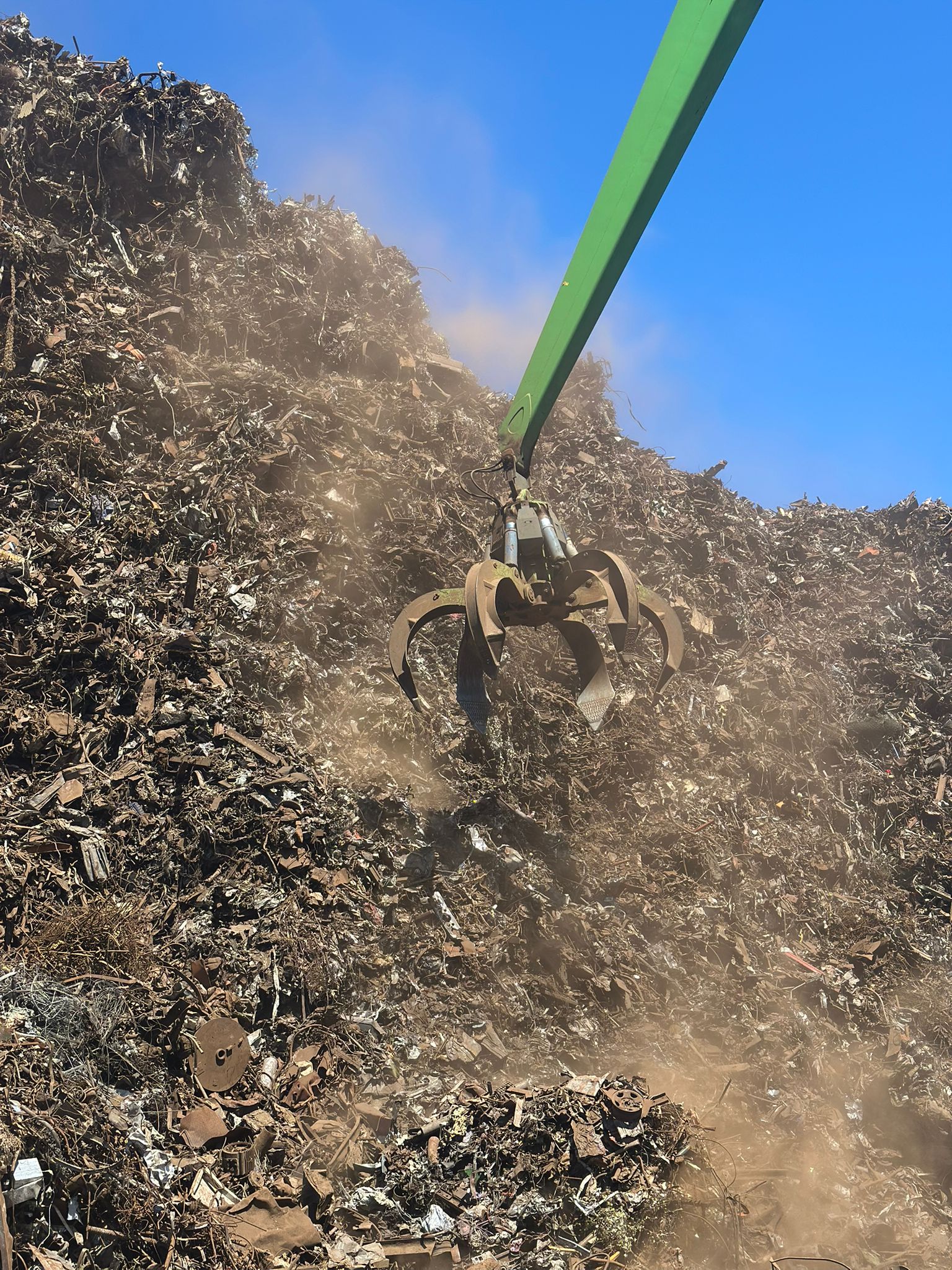
In modern mining operations, profitability is shaped less by how much material is moved and more by how efficiently it is handled. Rising energy costs, tighter environmental standards, and constant pressure to keep equipment running leave little room for waste or inefficiency. As a result, resource optimization is no longer something addressed at the operational level alone. It has become a strategic concern that influences decisions across the entire production chain. Within this context, material handling systems play a far more critical role than they are often given credit for, particularly the grabs that interact directly with valuable material every single day.
Optimizing resources in mining is not just about extracting more from the ground. It also means minimizing unnecessary wear, reducing material loss during handling, extending the service life of equipment, and making sure each handling cycle delivers real value. The choice of mining grapples, along with maintenance and operating strategies, directly affects uptime, cost control, and long-term operational stability. For many decision-makers today, the real question is no longer whether optimization matters, but whether their current handling solutions are actually built to support it.
Implement Advanced Technology For Smarter Material Handling
As mining operations become more complex, traditional material handling methods often fall short of today’s efficiency and reliability demands. Advances in material handling are no longer just about thicker steel or higher lifting capacity. What matters now is how precisely equipment operates, how well it interacts with the material being moved, and how effectively it supports resource optimization rather than introducing hidden inefficiencies.
For mining companies looking to improve productivity without driving up operating costs, upgrading handling technology is one of the most direct ways to see measurable gains. Modern mining grapples are designed to limit unnecessary movements, reduce material loss during transfer, and deliver stable performance even when load conditions vary. In day-to-day operations, this leads to shorter handling cycles, lower fuel or energy consumption, and output that is easier to plan and control.
Intelligent Grabs And Data Driven Load Control
Intelligent grab systems allow operators to handle material with greater accuracy while reducing the need for constant manual adjustment. By maintaining balanced closing forces and consistent load distribution, modern mining grapples help limit uneven stress on cranes and excavators. This type of stress is a common contributor to premature wear and unplanned maintenance in mining operations.
In high-volume bulk handling tasks such as ore transfer or overburden relocation, even small gains in load accuracy can translate into meaningful savings over time. When a grapple consistently captures the right amount of material without exceeding design limits, it reduces strain on hydraulic systems and structural components. This level of control helps shift operations away from reactive problem-solving and toward more stable, predictable performance planning.
Automation Compatibility In Harsh Mining Environments
As automation becomes more common in mining operations, material handling equipment must perform reliably within semi-automated and remote-controlled systems. Grapples designed with automation compatibility in mind are built to deliver consistent results without relying on constant operator correction, even in abrasive, dusty, or high-impact conditions.
Rather than treating automation as an added feature, modern grab designs are developed to work directly with intelligent cranes and excavators from the outset. This approach improves safety by limiting human exposure to hazardous areas and supports more consistent handling cycles. In practical terms, automation-ready grapples help reduce interruptions, stabilize throughput, and ensure that material handling continues to support long-term resource optimization goals rather than becoming a constraint on overall efficiency.
Adopt Predictive Maintenance For Long Life Grabs And Excavation Systems
In mining operations where equipment availability directly affects production targets, maintenance can no longer be handled as a purely reactive task. Predictive maintenance has become a practical way to protect productivity while extending the working life of critical assets such as mining grapples and excavation systems.
Instead of relying on fixed service schedules or responding to unexpected breakdowns, predictive maintenance is based on how equipment performs under real operating conditions. This approach is especially important for material handling systems, as grabs are constantly exposed to abrasion, impact, and harsh environments that can accelerate wear over time. When implemented correctly, predictive maintenance shifts mining equipment upkeep from damage control to a structured method of preserving performance and reliability.
Condition Monitoring In Mining Equipment Maintenance
Effective condition monitoring starts with understanding which components are exposed to the highest stress during daily operations. In mining grapples, this typically includes structural joints, wear plates, pins, bushings, and hydraulic connection points. By observing wear patterns and tracking how equipment is actually used, maintenance teams can identify early signs of fatigue well before they develop into functional failures.
This level of visibility allows maintenance work to be scheduled around production demands rather than dictated by unexpected stoppages. When inspections are driven by real operating data instead of assumptions, spare parts usage becomes easier to forecast, maintenance labor can be planned more efficiently, and unnecessary component replacements are reduced. Over time, this disciplined approach contributes directly to resource optimization by lowering downtime, minimizing waste, and preserving equipment performance.
Reducing Unplanned Downtime Through Design Driven Reliability
Predictive maintenance delivers the strongest results when it is supported by equipment designed for long-term reliability. Mining grapples built with reinforced load paths, well-protected hydraulic routing, and straightforward mechanical layouts reduce the number of potential failure points that maintenance teams need to track.
Design choices such as easily accessible wear components and modular assemblies also help shorten service times and lower the risk of errors during maintenance work. When grab systems are developed with maintenance efficiency in mind, inspections are quicker, repairs are more consistent, and unplanned interruptions are kept to a minimum. This focus on design-driven reliability allows predictive maintenance programs to extend equipment life while maintaining stable and predictable operations over time.
Use Remanufactured Components To Extend Equipment And Grab Lifecycles
In mining environments where equipment is exposed to constant mechanical stress, extending asset life without affecting safety or performance is an ongoing challenge. Remanufacturing has developed into a disciplined engineering process that supports resource optimization by increasing the usable life of high-value components, particularly within material handling systems such as mining grapples.
When done properly, remanufacturing is neither a temporary fix nor a compromise. It is a controlled process that restores components to defined technical standards, often delivering performance comparable to new parts. For mining operators managing large equipment fleets, this approach helps reduce capital expenditure while maintaining consistent reliability across material handling operations.
When Remanufacturing Makes Technical And Economic Sense
Not every component is suitable for remanufacturing, and recognizing this distinction is essential. Structural elements that experience controlled and measurable wear, such as shells, wear plates, pins, and bushings, are often strong candidates when their core integrity remains sound. Components with safety-critical functions or unpredictable fatigue behavior, however, require a more cautious and selective evaluation.
From an economic standpoint, remanufacturing delivers the most value when downtime can be planned and aligned with scheduled maintenance periods. In these situations, maintenance teams can extend the service life of grab components without increasing operational risk. The result is a balanced strategy where cost efficiency supports long-term performance rather than compromising it.
Operational Impact Of Component Reuse In Mining Fleets
The benefits of remanufactured components extend beyond individual cost savings. Reducing reliance on newly manufactured parts shortens lead times, simplifies spare parts planning, and lowers exposure to fluctuations in raw material prices.
For mining grapples operating continuously in abrasive environments, the ability to restore wear components instead of replacing complete assemblies significantly improves lifecycle efficiency. Over time, this approach leads to more predictable maintenance budgets and contributes directly to resource optimization by reducing material consumption and extending the useful life of critical assets.
Optimize Equipment Design To Reduce Energy Use
Energy consumption in mining operations is closely linked to how effectively material handling equipment converts power into controlled movement. While engines and power units often receive most of the attention, the design of attachments such as mining grapples has a direct impact on how much energy is required for each handling cycle. For this reason, equipment design plays an active role in resource optimization rather than serving as a purely mechanical consideration.
Well-engineered grab systems are designed to limit unnecessary resistance, distribute loads evenly, and transfer forces in a controlled way. This allows cranes and excavators to operate closer to their optimal efficiency range, reducing fuel consumption, limiting excess heat generation, and lowering strain on hydraulic systems. Over the course of thousands of handling cycles, even modest design improvements can produce measurable energy savings while also extending overall machine life.
Weight Optimized Mining Grapple Structures
One of the most influential design factors affecting energy efficiency is structural weight. Excess mass increases inertia, requires higher lifting forces, and accelerates wear across the entire machine. Modern mining grapples address this challenge by using optimized steel grades and carefully engineered structural geometry that provide strength where it is needed, without adding unnecessary material.
Weight-optimized designs improve lifting dynamics and allow equipment to handle greater payloads using the same amount of energy. This reduces fuel consumption and contributes to safer operation by improving load stability. Over long operating periods, even moderate weight reductions can have a substantial impact on overall equipment efficiency and machine longevity.
Energy Efficient Motion And Load Transfer
Beyond structural weight, the way a grapple moves and interacts with material has a direct influence on energy use. Smooth closing actions, balanced jaw movement, and controlled force distribution help reduce shock loads during engagement and discharge. This limits energy losses caused by abrupt motion and excessive vibration.
Efficient load transfer also protects surrounding equipment by reducing peak stress on hydraulic cylinders and structural connections. As a result, motion designs that prioritize energy efficiency also help lower operating costs and reduce maintenance demand. When viewed from a maintenance perspective, energy efficiency and durability are not separate goals but closely connected outcomes of sound equipment design.
Promote Circular Economy Practices With Efficient Material Recovery
As sustainability becomes a key performance measure in the mining sector, resource optimization is increasingly viewed through a circular economy lens. Efficient material recovery is no longer confined to downstream processing plants. It begins at the handling stage, where mining grapples directly affect how much usable material is retained, separated, or lost during each transfer.
Material handling equipment that lacks precision often leads to fines loss, cross contamination, and poor separation of valuable resources. In contrast, well-designed mining grapples support controlled gripping, accurate discharge, and consistent material flow. These characteristics help operations recover a higher share of usable material while reducing waste that would otherwise require additional handling or disposal.
Precision Handling For Maximum Resource Recovery
Precision in material handling has a direct effect on recovery rates. Mining grapples with optimized jaw geometry and controlled closing force help reduce unnecessary crushing and fragmentation during handling. This is especially important when dealing with mixed material streams or fragile ore structures, where excessive force can degrade material quality before it ever reaches processing.
By maintaining a consistent grip and controlled release, well-designed handling equipment minimizes spillage and helps ensure that valuable material arrives at processing stages in its intended condition. Over time, these improvements support resource optimization by increasing yield from existing extraction activities, rather than relying on higher excavation volumes to achieve production targets.
Supporting Secondary Material Processing Operations
Circular mining strategies increasingly depend on secondary processing activities such as tailings recovery, waste rehandling, and by-product utilization. In these areas, mining grapples play an important role by enabling selective handling of materials that would otherwise be treated as waste.
Handling equipment that provides precise material control allows operators to reintroduce secondary material streams into the production cycle with minimal disruption to ongoing operations. This reduces the need for additional extraction while improving overall site efficiency. From an operational perspective, effective material recovery through optimized handling supports both environmental responsibility and long-term cost control.
Integrating Efficient Handling Equipment Into A Sustainable Mining Strategy
Optimizing individual components in isolation delivers limited results if they are not aligned within a broader operational strategy. In mining operations, meaningful resource optimization emerges when material handling equipment, maintenance planning, energy efficiency, and sustainability goals are treated as connected parts of the same system. Within this framework, handling equipment, particularly mining grapples, serves as a practical link between day-to-day operations and long-term performance objectives.
A sustainable mining strategy requires decision-makers to consider how equipment choices affect not only immediate productivity but also lifecycle costs, environmental impact, and operational resilience. Grabs that support predictive maintenance, energy-efficient operation, and effective material recovery function as long-term assets rather than short-lived tools. This shift in perspective allows mining operations to move beyond short-term gains and focus on durable, stable performance improvement over time.
Aligning Equipment Selection With Sustainability Targets
Sustainability targets in mining often emphasize emissions reduction, energy efficiency, and responsible use of resources. These goals can only be met when handling equipment is selected based on clear, measurable performance criteria. Mining grapples that limit spillage, lower energy demand per handling cycle, and maintain long service life support sustainability objectives directly at the operational level.
When equipment selection is aligned with sustainability targets, operational teams benefit from clearer benchmarks and more predictable results. This alignment helps ensure that sustainability initiatives move beyond policy statements and become part of daily material handling practices, supporting resource optimization in a practical and measurable way.
Strategic Value Of Partnering With Specialized Grab Manufacturers
The increasing complexity of modern mining operations has made generic handling solutions less effective. Working with specialized grab manufacturers allows mining companies to benefit from application-specific design, technical depth, and long-term operational support. This collaboration helps ensure that mining grapples are engineered to suit site conditions, material properties, and clearly defined operational priorities.
The value of these partnerships extends beyond equipment delivery. Specialized manufacturers often provide insight into maintenance planning, lifecycle management, and system-level optimization based on real operating experience. This guidance supports stronger decision-making and reduces the risk of investments that fail to deliver long-term value. In a competitive and resource-constrained industry, such partnerships offer a strategic advantage that goes well beyond the equipment itself.
Conclusion
Optimizing resources in mining is no longer defined by extraction efficiency alone. It depends on how effectively materials are handled, how reliably equipment performs over time, and how well daily operations align with sustainability goals. From advanced grapple design and predictive maintenance practices to energy-efficient systems and circular resource strategies, every handling decision has a direct impact on overall performance.
When efficient handling equipment is integrated into a broader mining strategy, operators can reduce waste, extend equipment life, and maintain stable productivity without driving up costs. The most resilient mining operations are those that treat material handling not as a secondary support activity, but as a core contributor to resource optimization and long-term competitiveness.
Table of Contents
- Implement Advanced Technology For Smarter Material Handling
- Adopt Predictive Maintenance For Long Life Grabs And Excavation Systems
- Use Remanufactured Components To Extend Equipment And Grab Lifecycles
- Optimize Equipment Design To Reduce Energy Use
- Promote Circular Economy Practices With Efficient Material Recovery
- Integrating Efficient Handling Equipment Into A Sustainable Mining Strategy
- Conclusion