How Radio Remote Control Grabs Improve Operator Safety
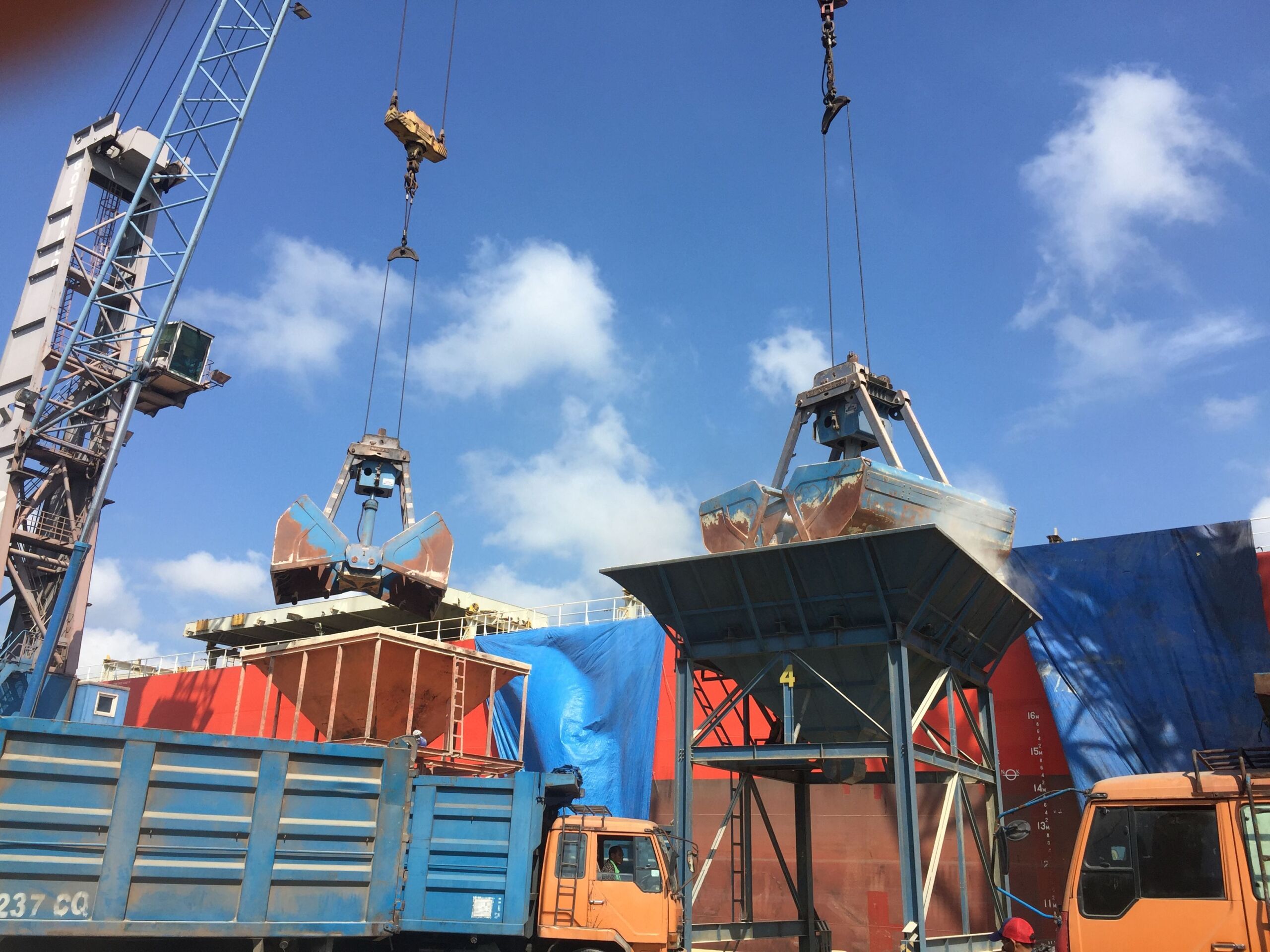
In bulk cargo handling, safety is not an abstract priority discussed in boardrooms. It is a daily operational variable that directly influences uptime, insurance costs, asset longevity, and human well-being. Whether unloading coal from a vessel, handling scrap in a recycling yard, or transferring aggregates in a port terminal, suspended loads and confined working areas create environments where small errors can escalate rapidly.
Traditional grab systems have served the industry for decades. However, as operational standards rise and regulatory scrutiny increases, an important question emerges. Are conventional systems truly aligned with modern safety expectations? Radio Remote Control Grabs represent a structural shift in crane grab safety solutions, redefining how operators interact with heavy loads and hazardous working zones.
Safety Challenges In Bulk Cargo Handling
High Risk Environments In Ports And Industrial Sites
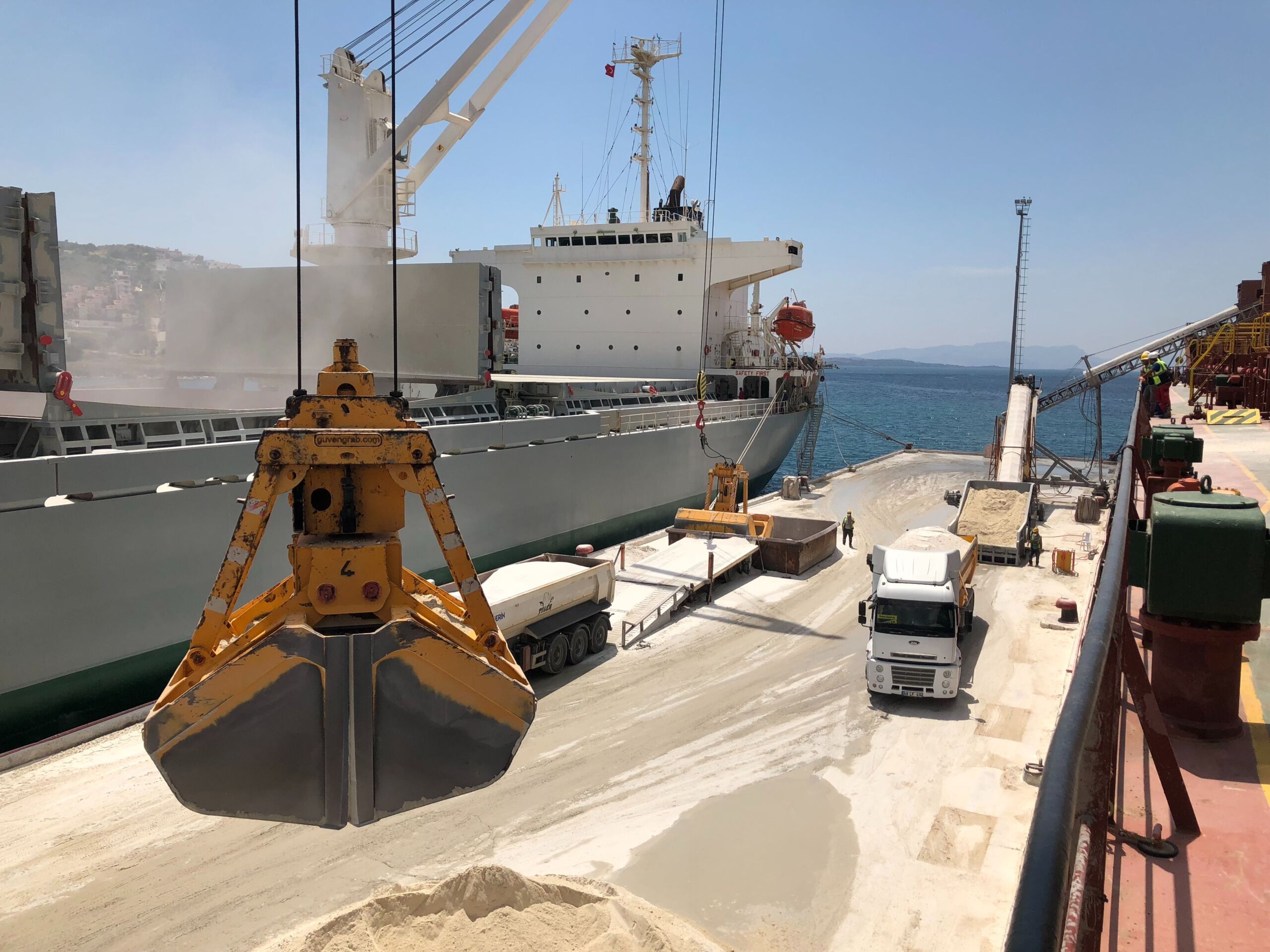
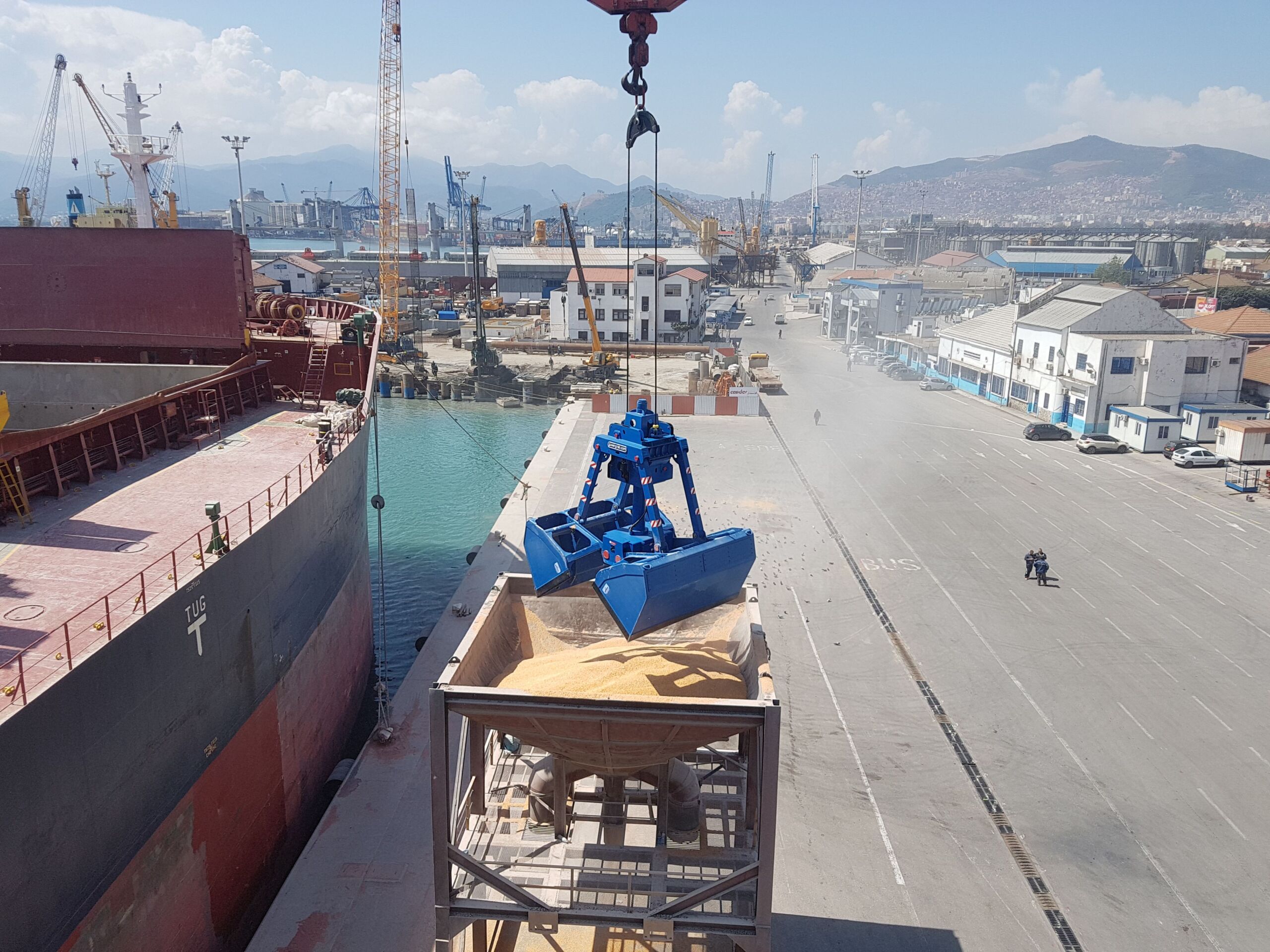
Bulk handling environments combine multiple risk factors at once. Operators work around suspended loads, uneven cargo surfaces, limited lighting conditions inside ship holds, and dynamic crane movements. In ports and marine terminals, wind conditions and vessel motion further complicate operations.
Inside a ship’s hold, for example, material may form steep inclines as unloading progresses. An unstable slope combined with an aggressive grab closure can cause sudden shifts in cargo mass. When personnel are positioned nearby to monitor or assist operations, their exposure to falling material increases significantly.
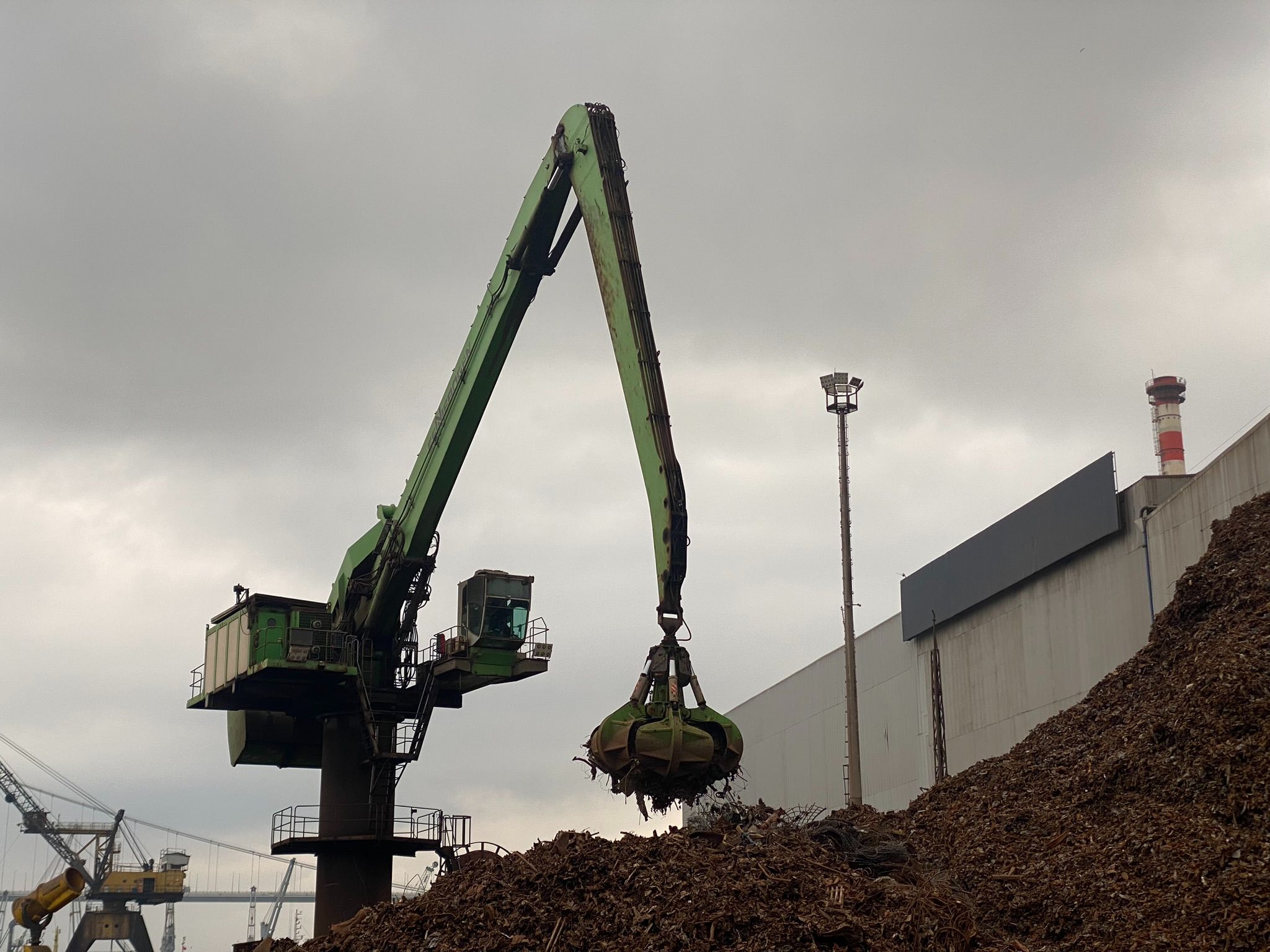
Scrap handling presents a different but equally serious risk. Irregular and sharp metal pieces can shift unpredictably during lifting. Even minor swing oscillations can create unsafe proximity situations for ground crews. These are not isolated incidents but recurring operational realities across bulk industries.
Human Dependency In Conventional Operations
Conventional grab systems often require close coordination between crane operators and deck personnel. Signalmen guide operations. Crew members intervene manually to adjust positioning. In some cases, workers enter partially emptied holds to assist alignment.
Each additional human interaction point increases complexity. Communication delays, visibility limitations, and fatigue can introduce risk. Even experienced teams are not immune to momentary lapses. When safety depends heavily on human coordination rather than engineered distance and control, the margin for error becomes narrower. Modern crane grab safety solutions aim to reduce this dependency, not by replacing expertise, but by minimizing unnecessary exposure.
Risks Associated With Traditional Grab Systems
Hydraulic Hose Failures And Mechanical Shock Loads
Traditional hydraulic grabs rely on external power packs, hoses, and cable systems. These components operate under high pressure. A sudden hose failure can lead to uncontrolled movement or an abrupt loss of grip.
Rapid opening and closing mechanisms can also generate mechanical shock loads. These shock forces transfer directly to the crane structure, wire ropes, and boom assembly. Over time, repeated shock loading contributes to structural fatigue. From a safety perspective, any unexpected mechanical reaction increases operational uncertainty.
Swing Instability And Crane Stress
When a grab closes unevenly or penetrates cargo inconsistently, the center of gravity shifts. The result is oscillation. Even small pendulum movements can become amplified when operating at height.
This instability not only increases stress on the crane but also raises the risk of unintended contact with vessel structures or nearby equipment. A swinging grab above a confined hold is not simply inefficient. It is a safety concern. Engineered stability helps reduce these oscillations at their source.
Electrical And Control System Limitations
Wired control systems introduce additional mechanical elements such as cable drums and generators. These systems are exposed to marine corrosion, mechanical wear, and environmental stress.
A failure in any of these components can interrupt operations mid cycle. Restart procedures under load can introduce additional risk. The more components involved, the more potential failure points exist. Safety, therefore, becomes closely linked to system simplicity.
Remote Operation And Operator Distance
Increasing Safe Working Distance
Radio Remote Control Grabs fundamentally change how operators position themselves during operations. Instead of relying on direct proximity or physical cable connections, control functions are transmitted wirelessly.
This allows operators to maintain a safer working distance from suspended loads and unstable cargo surfaces. Physical separation from hazard zones reduces direct exposure to falling material and mechanical movement.
In practical terms, distance provides protection. The farther personnel remain from active load zones, the lower the probability of injury.
Improved Visibility And Decision Making
Remote operation also improves visibility. Operators can position themselves strategically to gain better sight lines into ship holds or across loading areas.
When visibility improves, decision making improves as well. Reaction times become shorter and operational adjustments become smoother. Instead of relying entirely on signals or indirect communication, operators gain clearer situational awareness. Safety is often closely tied to clarity. Better perspective leads to better control.
Eliminating Physical Intervention In Hazard Zones
In conventional systems, manual corrections are sometimes required. Personnel may enter partially unloaded holds to adjust alignment or manage cargo buildup.
With remote controlled systems designed for stable and predictable performance, the need for such intervention decreases significantly. Reducing human presence in hazard zones is one of the most measurable safety improvements in modern material handling operations.
Load Stability And Reduced Crane Stress
Controlled Opening And Closing Mechanisms
One of the defining safety advantages of Radio Remote Control Grabs lies in their controlled movement profile. Instead of abrupt mechanical closure that generates impact forces, modern systems are engineered to deliver smooth and progressive opening and closing cycles.
This controlled motion reduces shock loading during penetration and discharge. When a grab closes without sudden impact, the load is distributed more evenly between the shells. The crane structure experiences lower dynamic stress, and the risk of sudden load shifts is reduced.
In bulk cargo operations such as grain or coal unloading, this stability translates into more predictable cycle behavior. Operators can anticipate the grab’s response with greater accuracy. Predictability is a critical safety factor, because uncertainty often leads to reactive and potentially unsafe maneuvers.
Reduced Swing And Oscillation
Swing instability is not only a productivity issue. It is also a direct safety concern. When a grab oscillates excessively, the likelihood of unintended contact with vessel walls, hatch coamings, or nearby equipment increases.
Well-balanced Radio Remote Control Grabs are designed to minimize uneven load distribution. The geometry of the shells, combined with controlled closure systems, reduces the formation of off-center loads. Less imbalance results in less pendulum motion.
In practical operations, reduced oscillation helps protect deck crews and reduces the need for corrective crane movements. Each avoided correction removes another opportunity for operational error.
Long Term Structural Protection
Safety is not limited to preventing immediate accidents. Structural fatigue in cranes and supporting equipment also introduces long-term risk.
Repeated shock loads accelerate wear on wire ropes, sheaves, and boom structures. Over time, this increases maintenance frequency and raises the likelihood of mechanical failure. By reducing dynamic stress, Radio Remote Control Grabs indirectly help preserve the structural integrity of the entire lifting system.
A crane operating within stable load parameters is not only more efficient. It is also inherently safer throughout its service life.
Fail Safe Operation And System Reliability
Battery Powered Independence From External Systems
Many Radio Remote Control Grabs operate with integrated battery systems rather than relying on external hydraulic power packs or cable drums. This architectural difference has direct safety implications.
By eliminating trailing cables and external generators, the system reduces mechanical complexity. Fewer external components mean fewer potential failure points. There is no need to manage cable entanglement risks or generator malfunctions during critical lifting cycles.
In marine environments where corrosion and moisture are constant factors, simplicity improves reliability. Greater reliability, in turn, strengthens operational safety.
Emergency Response And Redundancy Mechanisms
Modern control systems incorporate fail-safe logic designed to maintain load integrity in the event of signal interruption or power fluctuation. Automatic locking mechanisms ensure that the grab does not release unexpectedly.
Redundant safety features are not optional additions. They are built directly into the control architecture. In unexpected situations such as signal interference or operational interruption, the system defaults to a secure state rather than an unsafe one.
For decision-makers evaluating crane grab safety solutions, redundancy becomes a measurable advantage. It transforms unpredictable failure into controlled response.
Consistent Performance In Harsh Marine Conditions
Saltwater, humidity, dust, and vibration create demanding operating environments. Equipment that degrades quickly under such conditions introduces additional safety risks.
Sealed components, corrosion-resistant materials, and robust structural design help extend operational reliability. When equipment performs consistently under stress, operators develop confidence in system behavior.
Confidence does not replace caution. However, predictable equipment performance reduces hesitation and erratic responses, both of which can compromise safety during time-sensitive operations.
Operating On Inclined Or Uneven Surfaces
Performance Inside Ship Holds
As bulk cargo is removed from a vessel, the remaining material naturally forms slopes. Working on these inclined surfaces requires precise penetration and controlled lifting.
A grab that closes abruptly can destabilize the slope, causing material to cascade. Controlled penetration helps reduce this risk. By entering the material progressively and maintaining balanced shell movement, Radio Remote Control Grabs improve stability even on uneven surfaces.
This becomes particularly important during the final stages of unloading, when available working space is limited and visibility inside the hold is often constrained.
Adaptation To Variable Cargo Density
Not all bulk materials behave in the same way. Grain flows differently than coal, and scrap metal reacts differently than aggregates.
A grab system that performs consistently across varying cargo densities helps minimize unpredictable reactions. Smooth control over opening width and closing force allows operators to adjust cycles without abrupt changes.
From a safety perspective, adaptability reduces the element of surprise. When the system responds consistently across different materials, operators remain in control rather than reacting to unexpected load behavior.
Reduced Human Intervention In Hazard Zones
Minimizing Deck Crew Exposure
In conventional bulk operations, deck crew members often remain close to the working zone to monitor alignment, guide the grab visually, or intervene when material accumulates unevenly. While this practice has long been considered operationally necessary, it places personnel within the radius of suspended loads and moving mechanical components.
Radio Remote Control Grabs significantly reduce the need for such proximity. With stable penetration, predictable closure, and responsive remote operation, alignment corrections can be handled directly by the crane operator. As a result, reliance on manual signaling and physical supervision decreases.
This shift is not about reducing the value of the workforce. It is about repositioning human expertise away from immediate danger. When fewer personnel are required near active lifting cycles, the probability of injury declines accordingly.
Lower Insurance And Compliance Risk
Safety improvements also translate into financial and regulatory advantages. Ports and terminal operators work under strict safety frameworks and audit systems. Incident frequency influences insurance premiums, compliance ratings, and contractual eligibility.
By adopting advanced crane grab safety solutions, operators demonstrate proactive risk management. Reduced accident rates, fewer near-miss incidents, and greater operational consistency contribute to stronger compliance profiles.
For decision-makers, safety investments are rarely isolated expenses. They represent strategic choices that influence operational continuity and long-term reputation.
Long Term Safety Benefits For Operations
Fewer Incidents And Operational Interruptions
Accidents do not only cause injury. They interrupt operations, damage equipment, and trigger investigations that delay cargo schedules. In high-volume terminals, even short disruptions can lead to significant financial consequences.
Radio Remote Control Grabs reduce the root causes of many handling incidents. By stabilizing load movement, minimizing mechanical shock, and reducing unnecessary human exposure, they lower both immediate and cumulative risk factors. When equipment operates predictably, incident frequency decreases. When incidents decrease, operational continuity improves.
Stronger Safety Culture And Operator Confidence
Equipment influences behavior. Operators who work with stable and reliable systems develop more consistent operational habits. When a grab responds smoothly and predictably, operators are less likely to overcompensate or rush corrective movements.
Over time, this helps create a working culture where safety procedures align naturally with equipment design. Instead of relying solely on rules and supervision, the engineering itself supports disciplined operation. Safety culture is strengthened not by slogans, but by systems that make safe behavior the most logical choice.
Return On Investment Through Risk Reduction
Safety improvements should be evaluated in measurable terms. The following table summarizes key differences between traditional grab systems and Radio Remote Control Grabs in the context of operator safety.
| Criteria | Traditional Grab Systems | Radio Remote Control Grabs |
|---|---|---|
| Operator Proximity To Load | Often Requires Close Coordination | Allows Safe Remote Positioning |
| Mechanical Shock Loading | Higher Due To Abrupt Closure | Reduced Through Controlled Motion |
| Swing And Oscillation | More Frequent Pendulum Effect | Stabilized And Balanced Design |
| External System Dependency | Requires Hoses, Generators, Cables | Integrated And Simplified Architecture |
| Human Intervention In Hazard Zone | More Likely | Significantly Reduced |
| Long Term Structural Stress | Higher Fatigue Risk | Lower Dynamic Stress Impact |
This comparison illustrates that safety is not defined by a single feature. It is the result of a broader design philosophy. By reducing exposure, minimizing dynamic stress, and simplifying system architecture, Radio Remote Control Grabs deliver measurable operational protection.
For ports, vessel operators, and industrial facilities handling bulk materials daily, the long-term return on investment extends beyond productivity. It includes reduced injury risk, lower insurance exposure, and sustained operational reliability.
Conclusion
Bulk cargo handling will always involve heavy loads, complex environments, and demanding schedules. However, the way operators manage these risks can evolve. Radio Remote Control Grabs represent a decisive advancement in crane grab safety solutions by redefining proximity, stability, and system reliability.
Through controlled movement, reduced mechanical shock, remote operation capability, and integrated fail-safe design, these systems address both immediate and long-term safety challenges. They protect personnel by increasing distance from hazard zones. They protect equipment by reducing structural stress. They protect operations by improving overall reliability.
For organizations evaluating their current material handling infrastructure, the key question is not whether safety improvements are desirable. The real question is whether existing systems fully support modern safety expectations.
Upgrading to advanced Radio Remote Control Grab technology is not simply a technical enhancement. It is a strategic decision aligned with safer, more resilient, and more sustainable bulk handling operations.
Table of Contents