How Guven Orange Peel Grabs Boost Scrap Yard Efficiency
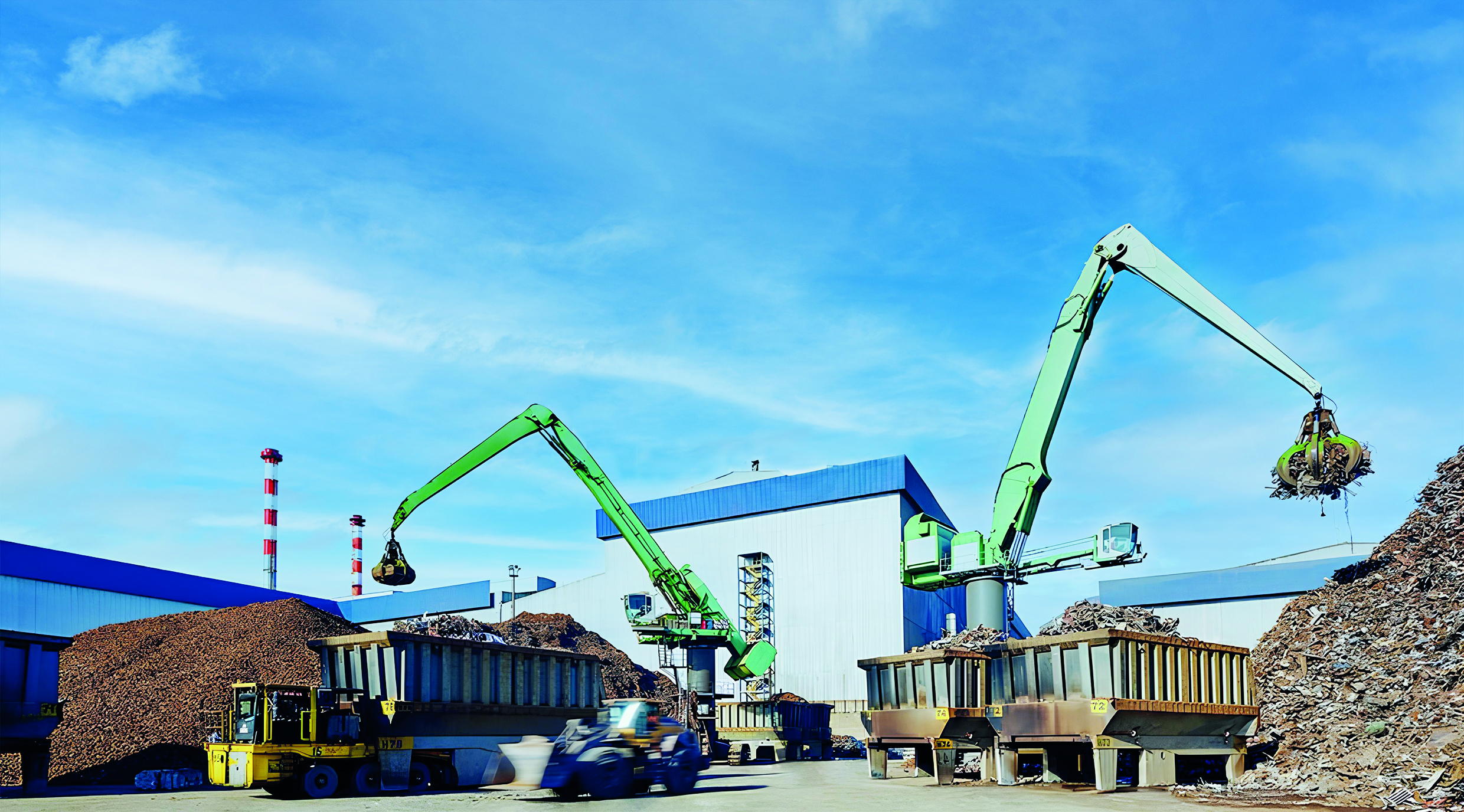
In modern scrap yards, efficiency is no longer measured only by the volume of material moved in a single shift. It is defined by how safely, consistently, and predictably that material can be handled under demanding conditions. Rising scrap volumes, stricter safety requirements, and increasing pressure on operating margins are pushing operators to reassess the real performance limits of their existing equipment. In this environment, material handling tools must deliver more than lifting power. They must support uptime, control, and long-term operational stability.
Among the equipment used in scrap handling, orange peel grabs have become central to high-cycle, heavy-duty operations. Their ability to manage irregular, sharp, and unstable loads makes them critical for reducing rehandling, improving load control, and limiting shock transferred to crane systems. When properly engineered and matched to overhead cranes, orange peel grabs contribute directly to smoother cycles and higher productivity rather than behaving as wear-intensive attachments.
As a manufacturer focused exclusively on grab technology, Güven Grab designs orange peel grabs based on real scrap yard operating conditions rather than theoretical capacity figures. Factors such as tine geometry, structural reinforcement, and hydraulic reliability are treated as functional elements that influence efficiency, safety, and lifecycle cost. Understanding how these design choices interact in daily operation is essential for decision-makers seeking to improve scrap yard performance in a measurable and sustainable way, rather than simply replacing existing equipment.
Orange Peel Grab Bucket Overhead Cranes In Scrap Yards
In high-volume scrap yards, overhead cranes form the backbone of material flow. Compared to mobile handlers, overhead crane systems offer fixed travel paths, predictable lifting geometry, and the ability to operate continuously without ground-level congestion. When equipped with orange peel grab buckets, these cranes become highly efficient scrap handling systems, capable of maintaining consistent cycle times even when dealing with heavy, irregular loads.
The effectiveness of this configuration depends on the balance between lifting stability and gripping precision. Scrap material rarely behaves as a uniform load. Pieces shift, interlock, and resist clean separation during lifting. Orange peel grabs address this variability through multi-tine engagement, allowing unstable scrap to be secured without repeated repositioning. This reduces idle crane time and limits unnecessary stress on both the crane structure and the grab. In large-scale scrap yards where overhead cranes run for extended shifts, this stability translates directly into higher throughput and lower maintenance exposure over time.
Why Overhead Crane Integration Matters
Integrating orange peel grabs with overhead crane systems goes beyond basic attachment compatibility. It is an engineering decision that directly influences load behavior, structural fatigue, and operator control. Overhead cranes offer precise vertical lifting and controlled horizontal movement, allowing orange peel grabs to operate within their intended closing geometry. This alignment reduces side loading on tines, pins, and joints, helping extend component life in abrasive scrap handling environments.
A further advantage lies in operational predictability. Overhead crane systems enable scrap yards to standardize handling routes, stockpile layouts, and sorting zones. When an orange peel grab is matched correctly to the crane’s lifting capacity and duty cycle, load engagement and release become smoother and more controlled. This reduces shock during opening and closing phases, lowers stress on hydraulic components, and supports safer, more consistent material movement throughout the yard.
Overview Of Orange Peel Grab Bucket Overhead Cranes
Orange peel grab bucket systems used with overhead cranes are designed to operate in some of the most demanding material handling environments in industry. Scrap yards combine high-impact loading, abrasive materials, and continuous duty cycles, all of which place sustained stress on both crane structures and grabbing equipment. Within this system, the role of the orange peel grab extends beyond lifting. Its primary function is to control irregular material securely and predictably throughout every phase of movement.
From a structural perspective, orange peel grabs rely on multi-tine configurations that distribute load forces across multiple contact points. This reduces localized stress and improves grip stability when handling irregular and uneven scrap. When suspended from overhead cranes, correct alignment between the grab geometry and the crane’s lifting axis is critical. Poor alignment can lead to uneven tine loading, accelerated component wear, and reduced control during rotation or positioning. Well-engineered systems avoid these issues by treating the grab and crane as a single handling unit rather than separate pieces of equipment.
Core Design Characteristics Of Orange Peel Grabs
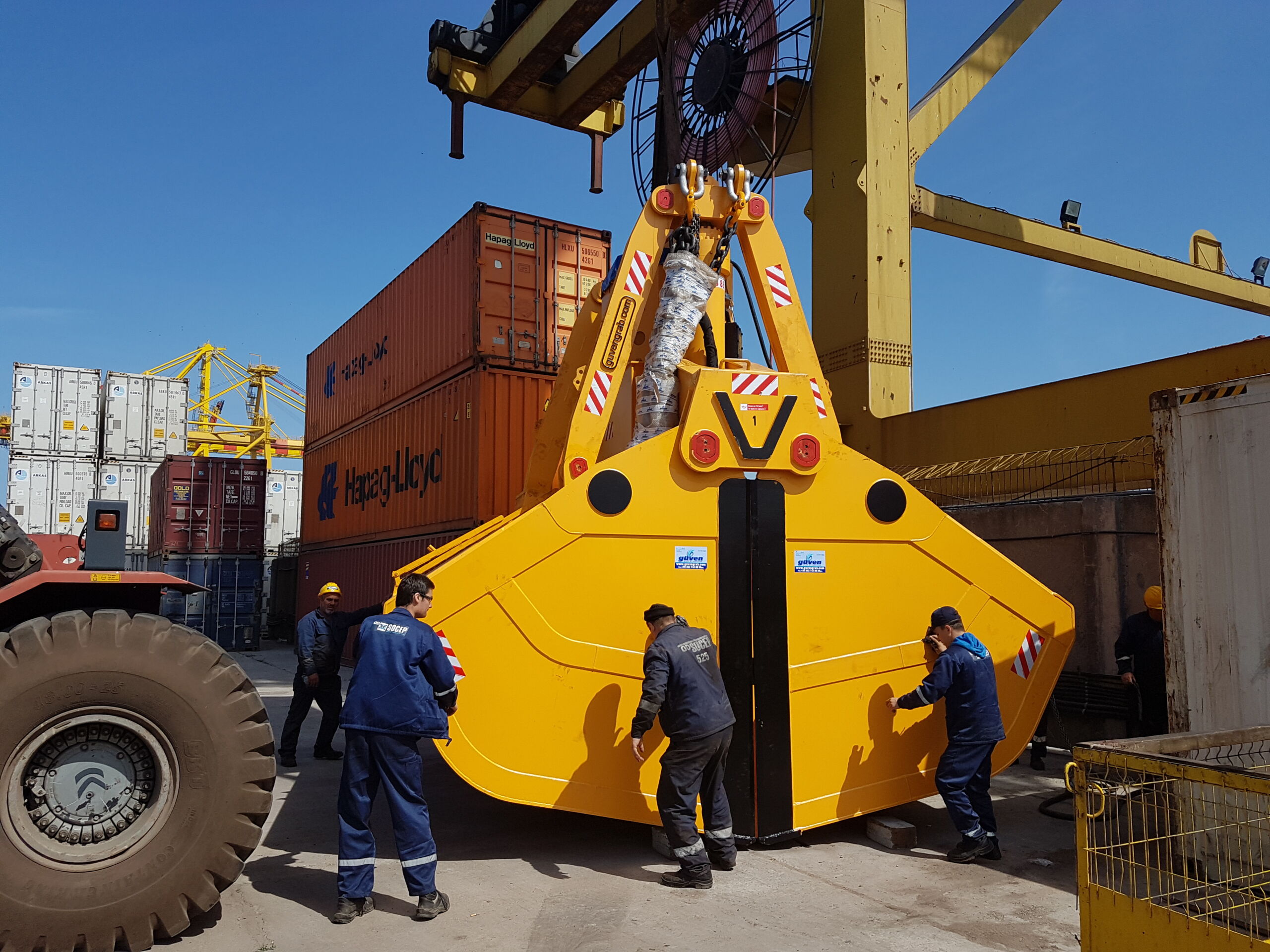
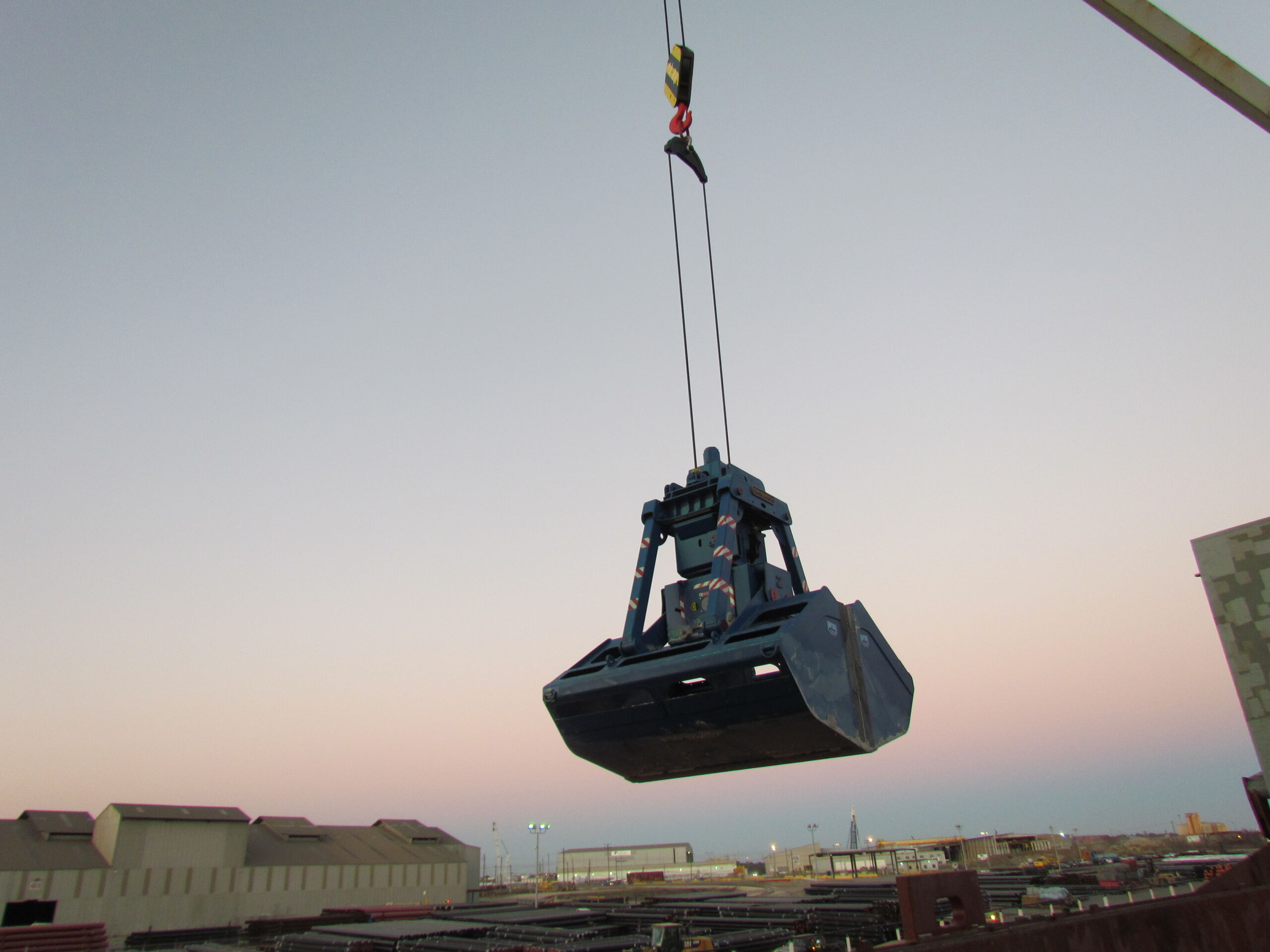
The defining feature of an orange peel grab is its segmented tine structure, which allows the grab to surround and secure loose or fragmented scrap from multiple directions. Each tine is shaped to penetrate scrap piles while maintaining sufficient surface contact to prevent slippage during lifting. This balance is especially important when handling mixed scrap, where density and geometry can vary significantly within a single load.
Hydraulic actuation plays a central role in how effectively these tines operate. Balanced hydraulic pressure enables synchronized closing motion, reducing uneven force distribution that could distort the grab frame or overstress individual components. In heavy-duty scrap applications, reinforced hinge points, protected hydraulic routing, and wear-resistant steel surfaces become critical. These design decisions determine whether an orange peel grab delivers consistent performance over thousands of cycles or becomes a frequent source of maintenance intervention in daily operations.
Typical Loads And Applications
Scrap yards present one of the most diverse material handling challenges in industrial operations. Unlike bulk materials with predictable flow characteristics, scrap varies widely in size, density, shape, and surface condition. Orange peel grabs are specifically engineered to manage this variability, making them a preferred solution across a broad range of scrap yard applications. Their ability to secure unstable loads without excessive repositioning directly impacts cycle efficiency and operational safety.
In daily operations, orange peel grabs are used not only for lifting but also for sorting, feeding, and stockpile management. The grab’s multi-tine configuration allows it to penetrate dense scrap piles while still capturing lighter, irregular fragments that would otherwise require manual intervention or secondary handling. This versatility reduces dependency on auxiliary equipment and helps maintain a smoother material flow across the yard.
Ferrous And Non Ferrous Scrap Handling
Handling ferrous and non ferrous scrap places different demands on scrap yard equipment. Ferrous scrap such as shredded steel, demolition debris, and heavy plate offcuts often involves sharp edges and high impact loads. Orange peel grabs manage these materials by distributing gripping forces across multiple tines, reducing the risk of material loss during lifting and travel.
Non ferrous scrap, including aluminum profiles, copper wiring, and mixed alloys, requires a more controlled approach. These materials are typically lighter and more prone to slipping if grip pressure is uneven. Well-designed orange peel grabs maintain balanced closing force, allowing operators to secure valuable non ferrous materials without excessive compression or damage. This precision supports higher recovery rates and cleaner sorting processes.
High Cycle Sorting And Stockpile Management
In high throughput scrap yards, the speed and consistency of sorting operations directly influence overall productivity. Orange peel grabs enable rapid cycling by combining quick closing response with stable load retention. This allows operators to move material between sorting zones, feeders, and transport points with minimal interruption.
Stockpile management is another area where orange peel grabs demonstrate their value. Precise placement reduces pile instability and minimizes the need for rehandling. Over time, this controlled approach improves yard organization, enhances safety conditions, and reduces unnecessary wear on both the grab and the overhead crane system.
Buying Guide For Orange Peel Grab Bucket Overhead Cranes
Selecting the right orange peel grab for an overhead crane system requires more than comparing nominal capacities or catalog dimensions. In scrap yard environments, purchasing decisions have long-term operational consequences that directly affect safety, uptime, and total cost of ownership. A grab that is technically mismatched to the crane or the material profile can quickly become a performance bottleneck rather than a productivity asset.
A structured buying approach starts with understanding how the grab will be used on a daily basis. Scrap type, average load density, crane duty class, and operating hours all influence the optimal grab configuration. Decision-makers who focus only on maximum lifting capacity often overlook factors such as cycle frequency, wear exposure, and hydraulic responsiveness, which ultimately define real-world performance.
Matching Grab Size With Crane Capacity
Correctly matching grab size to crane capacity is one of the most critical steps in the selection process. Oversized grabs may appear attractive due to higher volume potential, but they can overload the crane during dense scrap lifts, reducing safety margins and accelerating mechanical fatigue. Undersized grabs, on the other hand, increase cycle counts and reduce throughput, placing unnecessary strain on both operators and equipment.
The optimal solution balances grab dead weight, material density, and crane lifting limits under dynamic conditions. This balance ensures stable lifting geometry, controlled closing force, and consistent performance across varying scrap profiles. When the grab and crane are correctly matched, operators experience smoother handling and fewer load stability issues throughout the shift.
Material Type And Duty Cycle Considerations
Not all scrap yards operate under the same conditions. Facilities handling heavy ferrous scrap with long operating shifts require grabs built for high duty cycles and impact resistance. In contrast, yards focused on non ferrous sorting may prioritize precision and control over brute force. Duty cycle expectations should guide decisions on structural reinforcement, hydraulic system sizing, and wear protection.
Understanding these operational realities helps buyers avoid overengineering or underengineering their equipment. A grab selected with the correct duty cycle in mind maintains performance consistency, reduces unplanned downtime, and supports predictable maintenance planning.
Evaluating Technical Specifications
Technical specifications are where the real differences between orange peel grabs become visible, especially in demanding scrap yard environments. While capacity figures and dimensions provide a basic reference, they rarely reflect how a grab will perform under continuous impact loading, abrasive conditions, and high cycle counts. A meaningful evaluation focuses on how design and material choices influence durability, control, and long-term reliability.
For overhead crane applications, the grab must operate as a structural extension of the lifting system. This means every component, from the main frame to the smallest hydraulic fitting, contributes to overall performance. Decision-makers who examine these details early in the selection process are far better positioned to avoid premature wear, unstable operation, and escalating maintenance costs.
Structural Strength And Wear Protection
Structural integrity is fundamental in orange peel grab design. Scrap handling exposes grabs to shock loads, torsional forces, and repeated impact from irregular material. High-quality steel selection, reinforced stress zones, and properly sized pins and bushings determine how well the grab withstands these forces over time.
Wear protection is equally critical. Areas such as tine tips, inner shells, and hinge points experience constant abrasion. The use of wear-resistant steel plates and replaceable wear components extends service life and simplifies maintenance planning. Without adequate wear protection, even a structurally sound grab can suffer rapid performance degradation in active scrap yards.
Hydraulic System Reliability
The hydraulic system governs how precisely and consistently an orange peel grab operates. Balanced hydraulic pressure ensures synchronized tine movement, preventing uneven closing that can destabilize loads or overstress individual components. Hose routing and protection are especially important in scrap yards, where exposed lines are vulnerable to damage from sharp materials.
Reliable sealing systems and accessible hydraulic components reduce the risk of leaks and simplify inspections. Over time, a well-designed hydraulic layout contributes to smoother operation, reduced downtime, and greater operator confidence. These factors collectively support higher productivity and safer scrap handling.
Cost Considerations
In scrap yard operations, the true cost of an orange peel grab extends far beyond its initial purchase price. While upfront investment remains an important factor, experienced operators increasingly evaluate equipment based on how it performs over years of continuous use. Downtime, maintenance frequency, and productivity losses often outweigh initial savings made on lower-cost alternatives.
A well-engineered orange peel grab should be viewed as a long-term operational asset. Its ability to maintain consistent performance under harsh conditions directly influences crane utilization and overall yard efficiency. When cost is assessed through this broader lens, design quality and application-specific engineering become decisive factors rather than optional upgrades.
Initial Investment Versus Lifecycle Cost
Lower initial pricing often comes at the expense of material quality, structural reinforcement, or hydraulic reliability. In scrap yard environments, these compromises surface quickly through increased wear, unplanned repairs, and reduced handling precision. Each interruption not only incurs repair costs but also disrupts material flow and workforce productivity.
By contrast, orange peel grabs designed for high duty cycles typically deliver a lower lifecycle cost despite higher upfront investment. Reduced maintenance interventions, longer component lifespan, and stable performance allow operators to plan operations with greater confidence. Over time, these advantages translate into measurable savings and a more predictable operating budget.
Operational And Safety Considerations
Operational efficiency in scrap yards is closely tied to how safely material handling activities are performed. Orange peel grabs operate at the intersection of heavy loads, elevated lifting, and continuous motion, which makes their behavior during operation a critical safety factor. A grab that delivers predictable movement and stable load control reduces risk exposure while supporting higher daily throughput.
From an operational standpoint, stability during lifting and travel is essential. Sudden load shifts or uncontrolled opening movements can introduce shock loads to the crane structure and create hazardous conditions below. Well-engineered orange peel grabs minimize these risks by maintaining controlled closing forces and smooth hydraulic response, allowing operators to work confidently even in dense or irregular scrap piles.
Operator Control And Load Stability
Precise operator control directly influences both safety and productivity. Orange peel grabs that respond consistently to control inputs allow operators to adjust grip strength and positioning without hesitation. This reduces the likelihood of dropped material and minimizes the need for corrective movements that slow down cycle times.
Stable load retention also protects the crane system itself. Reduced swinging and shock loads limit fatigue on structural components, extending the service life of the entire lifting setup. Over long operating periods, this stability becomes a key contributor to sustainable scrap yard performance.
Compliance With Industrial Safety Standards
Modern scrap yards operate under increasingly strict safety regulations. Equipment that is designed and manufactured in accordance with recognized industrial standards supports compliance efforts and reduces liability exposure. Certified manufacturing processes, documented load calculations, and traceable quality controls provide reassurance that the grab system performs as intended under real operating conditions.
Routine Maintenance And Inspections
In high-cycle scrap handling, maintenance strategy often determines whether equipment remains an asset or becomes a recurring operational disruption. Orange peel grabs benefit significantly from structured maintenance routines that focus on early detection rather than reactive repair.
Routine inspections help identify wear patterns, hydraulic irregularities, and structural fatigue before they escalate into failures. When maintenance is treated as part of daily operations rather than an occasional intervention, overall equipment availability improves.
Daily Visual Checks And Preventive Actions
Simple visual inspections performed at the start of each shift can prevent costly downtime. Checking tine alignment, hose condition, pin wear, and unusual hydraulic behavior allows maintenance teams to address minor issues early. These preventive actions require minimal time investment but deliver substantial reliability gains over the grab’s service life.
Long Term Service Planning
Beyond daily checks, long-term service planning ensures that wear components are replaced at optimal intervals. Scheduled maintenance reduces the likelihood of unexpected failures and supports predictable budgeting. In scrap yards where overhead cranes operate continuously, this predictability is essential for maintaining consistent output levels.
Safety Protocols And Training
Even the most advanced scrap yard equipment relies on skilled operators to perform effectively. Training programs that focus on proper grab usage, load assessment, and emergency procedures significantly enhance both safety and productivity.
Operator Training And Best Practices
Operators who understand the mechanical behavior of orange peel grabs are better equipped to optimize performance. Proper closing techniques, awareness of material behavior, and adherence to safe working loads reduce unnecessary stress on equipment and minimize accident risk. Over time, well-trained operators contribute to smoother operations and lower maintenance demands.
Conclusion
Orange peel grabs play a central role in modern scrap yard efficiency, not merely as lifting attachments but as engineered systems that influence safety, productivity, and cost control. When integrated correctly with overhead crane systems, they enable stable handling of irregular scrap, faster cycle times, and reduced operational risk.
By focusing on application-specific design, balanced hydraulic performance, and long-term durability, orange peel grabs become strategic assets rather than consumable tools. For scrap yard operators evaluating their current equipment performance, the key question is no longer whether an orange peel grab is required, but whether the chosen solution truly supports the demands of high-cycle, safety-critical operations.
Table of Contents