
Green Shipping The Future Of A Sustainable Shipping Industry

In today’s maritime industry, sustainability is no longer a distant goal. It has become a strategic priority that shapes how vessels operate, how ports invest, and how global trade evolves. Rising fuel costs, expanding environmental regulations, and growing expectations from customers and stakeholders are pushing shipowners and operators to reassess long established practices. As a result, green shipping has moved beyond environmental awareness and become a fundamental requirement for long term competitiveness.
This shift is also accelerating innovation across onboard equipment, cargo handling systems, and portside technologies. Whether a vessel handles bulk materials, scrap, aggregates, or containerized cargo, every operational element now contributes to the overall sustainability performance of the industry. Equipment that consumes less energy, produces fewer emissions, and requires lower maintenance supports both economic resilience and environmental responsibility. In this context, advanced solutions such as battery powered handling systems and energy efficient grabs play an increasingly important role in enabling greener maritime operations.
What Green Shipping Means For The Maritime Industry
Green shipping represents a broad shift in how vessels, ports, and cargo handling operations are planned and managed. Rather than focusing only on regulatory compliance, it encourages an operational approach built around efficiency, technological development, and environmental responsibility. Green shipping brings together cleaner energy choices, smarter equipment, and more efficient workflows to reduce the environmental impact of maritime logistics while also improving overall operational performance.
Sustainability Principles Behind Green Shipping
Modern sustainability practices in shipping are guided by a set of well established principles that shape operational decisions across the industry. These principles combine technological advancement with responsible use of resources, helping vessels and ports reduce pollution without sacrificing performance.
One of the core principles is energy efficiency, which aims to lower fuel consumption through improved vessel design, optimized voyage planning, and the use of advanced cargo handling equipment. Another key principle is emissions reduction, which focuses on adopting machinery and systems that significantly limit harmful exhaust output. The industry also places importance on reducing ecological impact by selecting equipment that generates less noise, produces less waste, and lowers the risk of hydraulic leaks near sensitive marine environments.
By applying these principles together, the maritime sector develops an operational framework that supports long term environmental protection while maintaining reliability and productivity.
Why Green Shipping Is Important For Global Trade
Green shipping is becoming a key factor in the stability and resilience of global trade. As cargo volumes continue to grow and international supply chains face closer evaluation, the maritime industry must balance operational efficiency with environmental responsibility. Governments, financial institutions, and major charterers increasingly favor vessels and equipment that demonstrate clear sustainability performance. This makes green operations not only a regulatory requirement but also a source of commercial advantage.
The industry is also seeing a change in customer expectations. Shippers and end users are seeking supply chains that reflect environmental responsibility, which places additional pressure on carriers and ports to adopt cleaner technologies. When vessels lower emissions, operate with energy efficient equipment, and follow responsible handling practices, they support a logistics ecosystem that is both more sustainable and more reliable.
Advantages Of Green Shipping For Modern Maritime Operations
Green shipping delivers environmental, operational, and financial benefits across the maritime industry. Cleaner technologies support stronger vessel performance, lower fuel consumption, and more predictable maintenance planning. Together, these advantages create a solid and increasingly compelling case for early adoption.
Lower Carbon Footprint In Vessel And Cargo Handling Operations
Reducing carbon emissions begins with more conscious equipment choices. Every fuel driven component onboard a vessel contributes to overall greenhouse gas output, which makes the transition toward electric and battery powered systems increasingly important. When machinery operates without combustion or the risk of hydraulic leakage, it supports cleaner decks, safer working conditions, and a stronger environmental profile for both vessels and ports.
Improved Fuel Efficiency With Smarter Equipment Choices
Fuel efficiency remains one of the most important cost factors in maritime operations. Equipment designed with lighter structures, optimized geometry, and intelligent control systems requires less energy for each lifting cycle. This reduces strain on cranes, stabilizes engine loads, and contributes directly to lower overall fuel consumption during daily operations.
Healthier Marine Ecosystems Through Responsible Operations
Green shipping helps limit environmental impact by reducing oil leakage, lowering emissions, and minimizing waste. Cleaner cargo handling solutions decrease the risk of contamination, support sensitive marine ecosystems, and protect coastal and portside environments. These practices play an important role in preserving biodiversity while maintaining efficient maritime activity.
Long Term Cost Savings For Shipowners And Ports
Energy efficient equipment lowers fuel use, extends service life, and reduces maintenance demands. When systems operate without combustion or complex hydraulic arrangements, costs related to repairs, spare parts, and unplanned downtime decrease significantly. Over time, these savings improve overall cost control for both shipowners and port operators.
Staying Ahead Of Regulations In A Fast Evolving Industry
Environmental regulations continue to tighten across global markets. Operators who invest early in sustainable equipment maintain compliance more easily, avoid penalties, and gain improved access to regulated ports and environmentally sensitive regions. Proactive adoption of green technologies helps organizations stay aligned with regulatory change while protecting long term operational flexibility.
How Radio Remote Control Grab Supports Green Shipping
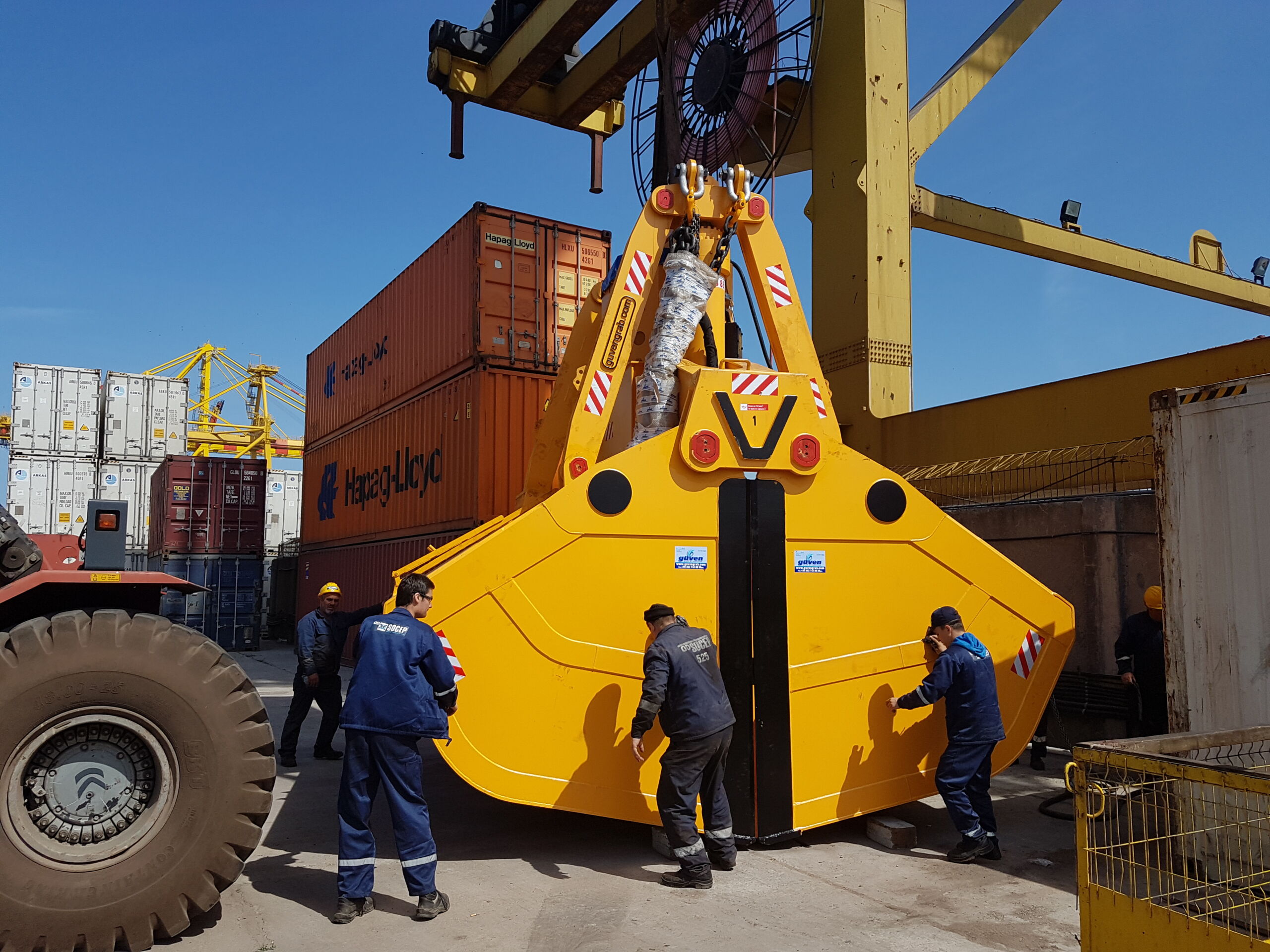
Güven Grab’s Radio Remote Control Grab illustrates how practical technology can directly support the objectives of green shipping. By eliminating diesel engines, reducing mechanical complexity, and operating with long lasting battery power, the system contributes to cleaner and more efficient maritime operations.
Zero Diesel Motor Means Cleaner Operations
The absence of a diesel motor removes exhaust emissions, significantly lowers noise levels, and eliminates the risk of fuel leakage. This creates cleaner onboard working conditions while also protecting surrounding marine ecosystems. For vessels operating in environmentally sensitive areas or regulated ports, this contributes to improved environmental compliance and safer daily operations.
Energy Efficiency And Extended Working Hours
Long battery life combined with smooth, shock free opening mechanisms allows uninterrupted handling cycles with minimal energy loss. This improves operational efficiency while maintaining a stable energy profile throughout loading and unloading activities. As a result, vessels can complete cargo operations faster without increasing fuel consumption or energy waste.
Reduced Off Hire Risk Supports Sustainability And Profitability
The simplified mechanical structure of the system lowers the likelihood of breakdowns and reduces ongoing maintenance requirements. Fewer technical issues mean less downtime, smoother voyages, and more predictable port operations. Reduced delays also prevent unnecessary fuel consumption during waiting periods, supporting both sustainability goals and long term operational profitability.
What Green Shipping Means For Sustainable Development
Green shipping supports global sustainability by reducing pollution, conserving natural resources, and improving overall industrial efficiency. These practices align maritime operations with international environmental objectives and allow global trade to continue growing without placing excessive strain on ecological systems. By integrating cleaner technologies and more efficient workflows, the shipping industry can balance economic growth with long term environmental responsibility.
How Green Practices Protect Marine Life And Coastal Ecosystems
Cleaner shipping operations lower the risk of environmental contamination and help preserve marine biodiversity. The use of non diesel equipment reduces the likelihood of oil discharge, limits acoustic disturbance, and minimizes the release of harmful residues into coastal and portside waters. These improvements are particularly important in sensitive marine areas, where even small reductions in pollution can have a meaningful impact on ecosystem health.
Common Misconceptions About Green Shipping
A common misconception is that green technologies are either more expensive or less powerful than conventional alternatives. In practice, many modern sustainable solutions offer equal or even improved performance while lowering lifetime operating costs through reduced fuel use and maintenance needs. Another misunderstanding is that green shipping applies only to large vessels or major infrastructure projects. In reality, incremental changes such as adopting battery powered handling equipment can significantly reduce environmental impact and contribute to broader sustainability goals.
How Technology Helps Build A Sustainable Shipping Industry
Technological innovation plays a central role in advancing sustainability across the maritime sector. Automation, electrification, and digital monitoring systems enable cleaner, safer, and more efficient operational workflows. By improving control and consistency, these technologies help operators maintain reliable performance even in demanding maritime environments while reducing overall environmental impact.
Role Of Smart Equipment In Reducing Environmental Impact
Smart equipment uses intelligent control systems to optimize lifting cycles and reduce unnecessary energy consumption. By limiting excessive mechanical stress on cranes and handling systems, these solutions extend equipment life and lower maintenance demands. Battery powered systems remove combustion related risks entirely, supporting cleaner operations and reducing ecological impact in port and coastal areas.
Data Analytics And Predictive Maintenance For Greater Efficiency
Predictive maintenance supported by data analytics allows operators to identify potential issues before they lead to failure. This approach reduces spare part consumption, minimizes downtime, and ensures equipment operates at peak efficiency. By maintaining stable performance with less energy waste, predictive maintenance supports both operational efficiency and long term sustainability goals.
Sustainability is increasingly becoming a commercial requirement rather than a voluntary initiative. Operators that adopt cleaner technologies position themselves for better market access, stronger partnerships, and more resilient long term performance. As environmental expectations continue to rise, efficiency and sustainability are no longer separate goals but closely connected priorities.
The future of maritime logistics will be shaped by innovations that balance operational efficiency with environmental responsibility. Companies that align their equipment, workflows, and investment strategies with this direction will be better prepared to adapt to regulatory change, evolving customer expectations, and the demands of a more sustainable global trade system.
FAQs About Green Shipping
What Is Green Shipping
Green shipping refers to maritime practices that aim to reduce environmental impact through the use of cleaner equipment, safer fuel options, and more efficient operational methods across vessels and ports.
Why Is Green Shipping Important For Sustainable Development
Green shipping supports global sustainability goals by lowering emissions, conserving natural resources, and helping maintain long term ecological balance within marine and coastal environments.
How Does Green Shipping Benefit The Environment
It reduces pollution levels, limits contamination risks, and helps protect marine life and sensitive ecosystems by promoting cleaner and more responsible maritime operations.
What Role Does Technology Play In Green Shipping
Technology enables greener shipping through automation, electrification, and real time monitoring systems that improve efficiency, reduce energy waste, and support safer operations.
How Can Green Shipping Influence The Future Of Maritime Trade
Sustainable shipping practices will increasingly shape regulatory compliance, commercial competitiveness, and access to international markets as environmental expectations continue to rise.
Building A Cleaner And More Competitive Maritime Industry
The maritime industry is steadily moving toward operations that balance efficiency with environmental responsibility. Green shipping brings together advanced technologies, cleaner equipment, and more intelligent workflows that lower emissions while improving operational performance.
Güven Grab’s Radio Remote Control Grab reflects this direction by eliminating diesel usage and enhancing operational reliability. These features align directly with global sustainability objectives while continuing to support high performance cargo handling.
As environmental standards continue to strengthen worldwide, organizations that invest in green shipping solutions today will help lead the maritime industry forward. By adopting cleaner technologies and responsible practices, they contribute to a future where global logistics is both competitive and environmentally sustainable.
Table of Contents