
The Future Of Material Handling Innovations In Scrap And Bulk Material Handling Equipment

In modern industrial environments where speed, precision, and uninterrupted operation define profitability, material handling has become far more than a supporting activity. Whether handling bulk materials at high volume ports or processing mixed scrap in demanding recycling yards, the efficiency of each handling cycle has a direct impact on cost control and overall competitiveness. As global supply chains continue to grow and material flows become more complex, traditional equipment designs are no longer able to meet the performance expectations of today’s operations.
The future of material handling is shaped by technological progress that combines mechanical durability with digital intelligence. Automation, data driven decision making, and new engineering methods are pushing both bulk material handling equipment and scrap handling equipment to higher levels of reliability and sustainability. For organizations that want to remain competitive, understanding and adopting these innovations is no longer optional. It is a requirement for long term resilience and continuous operational improvement.
Automation And Robotics In Material Handling
The Rise Of Intelligent Mechanical Assistance
Automation is steadily reshaping how operators manage high volume scrap and bulk material flows. Modern robotic systems and semi automated grab mechanisms assist crane operators by stabilizing loads, standardizing repetitive movements, and improving overall cycle consistency. Rather than relying entirely on manual precision, automated controls help maintain optimal grab positioning, reduce load loss, and support safer operation in demanding environments such as offshore barges or congested recycling yards.
These advancements allow facilities to increase throughput while protecting worker safety and extending equipment service life.
Use Cases In Bulk And Scrap Environments
Robotic and automated handling solutions are already delivering measurable results across multiple industrial sectors. In bulk cargo terminals, automated grabs work in coordination with crane systems to speed up unloading while protecting sensitive materials such as fertilizers or grains. In scrap yards, robotic handling arms and sensor guided grabs help operators manage irregular and abrasive loads with greater accuracy.
These technologies reduce operator fatigue, shorten training periods, and create workflows that remain consistent even under changing weather or cargo conditions. Facilities that adopt automation often experience not only faster cycle times but also fewer unplanned interruptions, which strengthens overall operational efficiency.
Advanced Sorting Technologies Transforming Scrap Processing
Sensor Based Identification And Material Purification
Scrap processing facilities are increasingly adopting advanced sorting systems built around optical sensors, X ray scanners, magnetic separators, and AI based classification tools. These technologies can identify material types with high accuracy, even when scrap streams contain mixed metals, surface coatings, or contaminants. By improving separation quality at the earliest stages, facilities can increase the purity of recovered metals and enhance their overall market value.
For industries that rely on recycling efficiency, this transition helps reduce waste, accelerate processing lines, and ensure that downstream operations receive cleaner and more consistent material inputs.
Integrated Sorting Lines For Higher Throughput
Modern sorting lines bring together mechanical grabs, conveyors, shredders, and intelligent sensing units into a single, synchronized workflow. When reinforced orange peel grabs feed scrap into these systems with controlled volumes and stable flow rates, the entire process becomes more predictable and efficient. Facilities operating integrated sorting lines often experience shorter processing cycles, fewer bottlenecks, and a reduced need for manual re sorting.
This approach also improves workplace safety by limiting operator exposure to sharp or unstable material piles. As global demand for recycled metals continues to rise, integrated sorting lines allow facilities to scale operations without increasing labor requirements or sacrificing uptime.
Enhanced Material Handling Equipment For Heavy Duty Operations
Evolution Of Bulk Material Handling Equipment
Bulk material handling equipment has evolved significantly as industries demand higher efficiency, stronger structural durability, and greater precision during lifting cycles. Modern grab designs now feature optimized shell geometry that improves filling efficiency while reducing spillage during crane movements. Advanced hydraulic systems support smoother and more controlled operation, helping maintain consistent performance even when handling heavy loads.
At the same time, reinforced steel structures and improved welding techniques contribute to extended service life. These improvements allow operators to keep equipment in continuous operation with fewer interruptions. For ports, terminals, and processing facilities managing demanding material flows, these engineering developments provide the reliability needed to sustain high performance over long operating periods.
Innovation In Scrap Handling Equipment
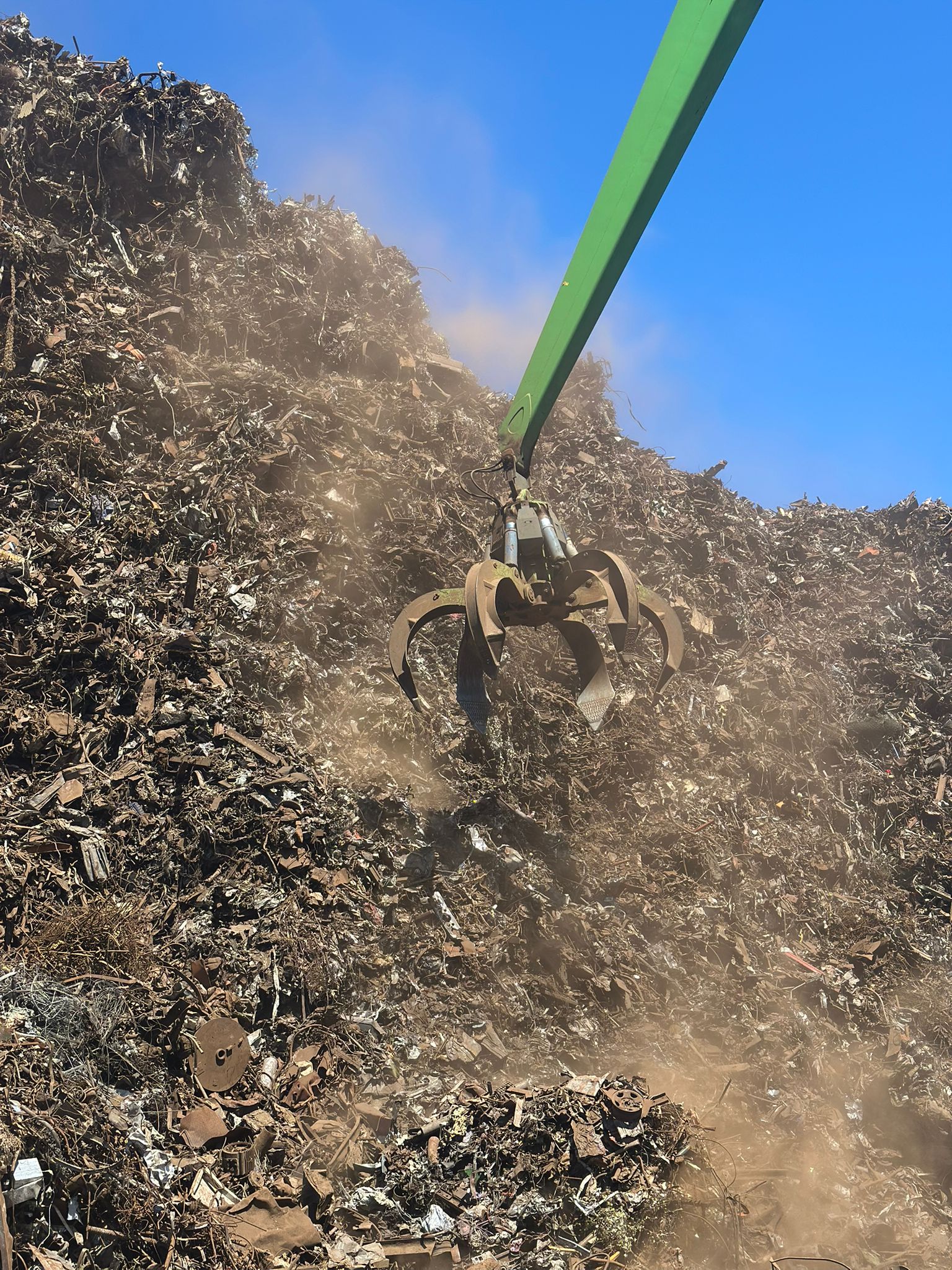
Scrap handling presents a different set of challenges due to the abrasive nature of the material, its irregular shapes, and wide variations in density. Equipment used in these environments must focus on durability and gripping strength. New generation orange peel grabs are engineered with reinforced tines, wear resistant plates, high strength fasteners, and robust hydraulic cylinders that deliver strong penetration into dense scrap piles.
Improved fingertip curvature and increased closing force allow these grabs to collect more material per cycle while maintaining a secure hold during crane movements. These design enhancements not only improve productivity but also help protect crane components from excessive stress, which is a critical factor in high duty scrap operations.
Operational Example With Guven Grab Solutions
Many of these advancements are reflected in the solutions developed by Guven Grab. The company’s bulk and scrap handling equipment is designed to perform reliably across a wide range of operating conditions, from high volume bulk terminals to demanding scrap yards. Guven Grab focuses on reinforced steel construction, precision machined components, and optimized hydraulic configurations to reduce operational losses and improve cycle efficiency.
In real world use, operators report smoother lifting cycles, reduced downtime, and consistent performance under heavy duty workloads. These outcomes highlight the value of combining strong mechanical engineering with a deep understanding of field conditions, ensuring that equipment performs reliably not only in controlled environments but also in the practical realities of everyday industrial operations.
Data Analytics And IoT Integration In Material Handling Systems
Smart Equipment Monitoring And Performance Tracking
Digitalization is changing material handling by transforming mechanical equipment into sources of valuable operational data. Sensors integrated into hydraulic systems, structural components, and control units collect real time information such as load distribution, cycle frequency, operating hours, and temperature changes. When this data is analyzed, it reveals usage patterns that help operators identify early signs of wear or potential failure.
Predictive maintenance supported by data analytics allows maintenance activities to be planned before issues escalate into breakdowns. This approach reduces unexpected stoppages and extends the service life of critical components. For bulk material and scrap handling operations where downtime can disrupt tightly scheduled workflows, this level of operational visibility has become increasingly important.
Transforming Port And Industrial Workflows Through Connected Grabs
IoT enabled grabs and lifting systems support more coordinated workflows, particularly in ports and industrial facilities where multiple cranes and machines operate at the same time. By sharing live performance data and positional information, connected equipment can operate with better timing and reduced idle periods between cycles.
Facility managers gain clearer insight into how equipment is used across shifts, which supports more effective resource planning and capacity management. Digital integration also simplifies compliance and reporting, as operational data can be stored and reviewed to assess long term performance. Rather than being a technology driven trend, connected systems represent a practical step toward increasing throughput and efficiency without the need for expanding physical infrastructure.
Sustainability Initiatives Driving Equipment Innovation
Energy Efficient Engineering And Reduced Carbon Impact
Sustainability has become a key factor shaping the development of bulk and scrap material handling systems. Equipment manufacturers are increasingly focused on energy efficient engineering that lowers fuel consumption, reduces operating temperatures, and limits hydraulic power losses. Modern electric solutions and optimized hydraulic systems deliver stronger performance with a smaller environmental footprint, helping operators meet sustainability targets while also controlling operating costs.
These improvements are especially valuable in energy intensive environments such as ports, steel mills, and recycling facilities. In such settings, even modest gains in efficiency can translate into meaningful long term reductions in energy use and emissions.
Sustainable Design For Longer Equipment Lifespans
Durability plays a central role in sustainable equipment design, and recent developments reflect this priority. Reinforced frames, corrosion resistant surface treatments, and high quality wear plates extend the service life of bulk and scrap handling equipment, reducing the need for frequent replacement. Many manufacturers now apply modular design principles that allow individual components to be replaced or upgraded without removing the entire unit from service.
This approach reduces material waste, simplifies maintenance planning, and keeps equipment productive for longer periods. In high duty operations where reliability is critical, long lasting components help lower environmental impact while also reducing total cost of ownership over the equipment’s lifecycle.
| Sustainability Aspect | Traditional Practices | Modern Innovations |
|---|---|---|
| Energy Efficiency | High fuel consumption and heat losses | Optimized hydraulic systems and electric drives |
| Equipment Lifespan | Frequent wear and early replacement | Reinforced structures and advanced wear plates |
| Maintenance Impact | Reactive maintenance with unplanned downtime | Predictive maintenance enabled by sensors |
| Environmental Footprint | Higher carbon emissions and waste | Reduced emissions and recyclable components |
These advancements show how sustainability and performance have become aligned priorities, influencing equipment design choices across the entire industry.
Conclusion
The material handling industry is evolving quickly as operators seek smarter, safer, and more sustainable ways to manage bulk and scrap material flows. Advances in automation, sorting technologies, equipment engineering, and data driven operation are reshaping daily workflows across ports, recycling facilities, steel mills, and industrial plants. Equipment that once depended only on mechanical strength is now supported by intelligent systems that monitor performance, enable predictive maintenance, and reduce overall energy use.
These developments do more than improve efficiency. They help organizations remain competitive in an environment where operational performance and sustainability are increasingly linked. For companies looking to strengthen their handling capabilities, investing in modern bulk and scrap material handling equipment is no longer an experimental decision. It is a strategic step that improves throughput, limits downtime, and supports long term operational stability.
As innovation continues to define the future of this industry, the most successful operators will be those who adapt early and work with manufacturers that combine advanced technology with proven field experience. The future of material handling is already taking shape, and the opportunities it presents are available to those ready to move forward.
Table of Contents