
How To Improve Energy Efficiency In Mining Operations
Energy efficiency has quietly become one of the most decisive performance indicators in modern mining operations. Rising fuel prices, tightening environmental regulations, and increasing pressure from investors have transformed energy consumption from a background utility cost into a strategic variable that directly affects profitability, resilience, and long-term license to operate. For mining companies operating at scale, even marginal efficiency gains can translate into substantial operational savings over the life of a project.
Yet many mining operations still approach energy management reactively, focusing on isolated upgrades rather than system-wide optimization. Excavation, material handling, hauling, and processing circuits often operate with embedded inefficiencies that have accumulated over time. These inefficiencies do not always appear as failures or bottlenecks, but they silently erode margins through excessive power draw, unnecessary idle cycles, and equipment designs that were never optimized for today’s sustainability expectations. The question is no longer whether energy efficiency matters, but how quickly operators can unlock it without disrupting production.
This article explores how mining companies can improve energy efficiency in a practical, measurable, and commercially sound way. From smarter material handling choices to AI-driven process optimization and low-carbon energy strategies, we will examine where immediate gains are possible and how these improvements fit into a broader roadmap for sustainable and profitable mining operations. The focus is not on theoretical sustainability targets, but on real operational decisions that engineers and decision-makers can act on today.
Why Energy Efficiency Is The Low Hanging Fruit For Sustainable Mining
Across the mining value chain, energy efficiency represents one of the fastest and least disruptive opportunities to improve sustainability performance while strengthening operating margins. Unlike large-scale capital projects that require years of planning and permitting, energy efficiency improvements often build on existing infrastructure. The real advantage lies in the fact that many mining operations already possess the technical capability to reduce energy consumption, but lack a structured approach to identifying and prioritizing those opportunities.
Mining is inherently energy intensive. From excavation and hauling to crushing, grinding, and material handling, nearly every operational step depends on continuous power input. Over time, incremental process changes, equipment additions, and production pressures create layers of inefficiency that are rarely revisited once operations stabilize. These inefficiencies rarely trigger alarms, yet they quietly increase energy intensity per ton of material moved or processed. This makes energy efficiency a uniquely accessible lever, because meaningful gains can be achieved without altering production targets or compromising throughput.
More importantly, energy efficiency aligns sustainability goals with operational logic. Reducing wasted energy does not rely on offsets or external mitigation strategies. It improves the core mechanics of how work is performed on site. When energy efficiency initiatives are designed around equipment utilization, cycle time reduction, and process stability, sustainability stops being an abstract objective and becomes a measurable operational outcome.
Energy Consumption As A Hidden Cost Driver
In many mining operations, energy costs are tracked at a high level rather than at the equipment or process level. This obscures where losses actually occur. Excavators running extended idle cycles, material handling equipment generating excessive swing motion, or auxiliary power units operating continuously despite low load conditions all contribute to unnecessary energy draw. Individually, these losses appear marginal. Collectively, they can account for a significant percentage of total site energy consumption.
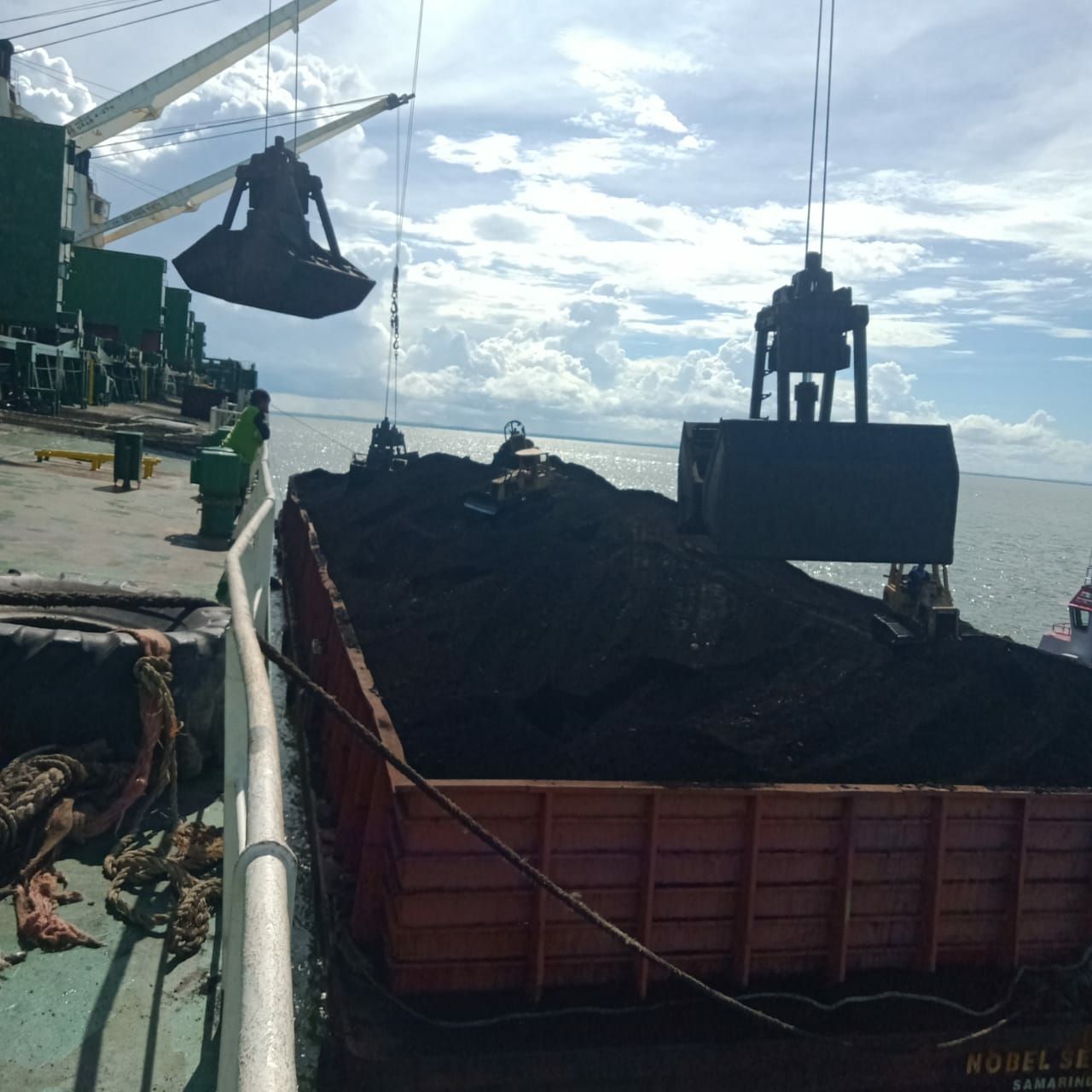
Material handling is a particularly common blind spot. Grabs, buckets, and lifting systems are often selected based on lifting capacity alone, without fully accounting for how their mechanical design influences cycle time, power demand, and operator behavior. Systems that rely on external generators, cable drums, or complex auxiliary components introduce friction into operations, both mechanically and energetically. Over thousands of cycles per month, these inefficiencies translate into higher fuel consumption, increased maintenance demand, and longer operating hours to achieve the same output.
By breaking energy usage down to specific operational tasks, mining operators can quickly identify where energy is being consumed without contributing proportional value. This level of visibility is often the first step toward unlocking rapid efficiency gains.
The Link Between Energy Efficiency And Operational Resilience
Energy efficiency does more than reduce consumption. It strengthens operational resilience. Mines that rely heavily on diesel or grid electricity are increasingly exposed to price volatility, supply interruptions, and regulatory risk. Operations that consume less energy per ton are inherently more flexible in responding to these external pressures.
Efficient equipment designs reduce dependency on auxiliary systems that can fail or require frequent intervention. For example, material handling solutions that operate without generators or additional power units not only consume less energy, but also reduce points of failure. Fewer components mean fewer breakdowns, shorter maintenance windows, and more predictable production schedules. This resilience becomes especially valuable in remote mining environments where spare parts, fuel logistics, and technical support are constrained.
Ultimately, energy efficiency creates a buffer between the operation and external uncertainty. It allows mining companies to maintain output stability even as energy markets, regulatory frameworks, and sustainability expectations continue to evolve.
Immediate Wins For Smarter Energy Use You Can Deploy This Quarter
Not every energy efficiency initiative requires long approval cycles or heavy capital investment. In fact, some of the most impactful improvements can be implemented within a single quarter when the focus shifts from system replacement to operational refinement. These immediate wins are typically found at the intersection of equipment selection, cycle efficiency, and unnecessary energy duplication across processes.
Mining operations that prioritize short-term efficiency gains often start by examining how energy is consumed during repetitive, high-frequency tasks. Material handling, loading, and transfer operations fall squarely into this category. Because these processes run continuously, even small reductions in cycle time or power demand can yield measurable energy savings in a matter of weeks. The key is to target areas where inefficiencies are structural rather than behavioral, ensuring that improvements are embedded into the operation rather than dependent on operator discipline alone.
Optimizing Material Handling With Hydraulic Excavator Grabs
Material handling equipment plays a disproportionate role in overall energy consumption due to its constant interaction with bulk material. Traditional grab systems often introduce inefficiencies through excessive swing motion, long opening and closing cycles, or reliance on external power sources. Each of these factors increases energy draw while offering no corresponding productivity benefit.
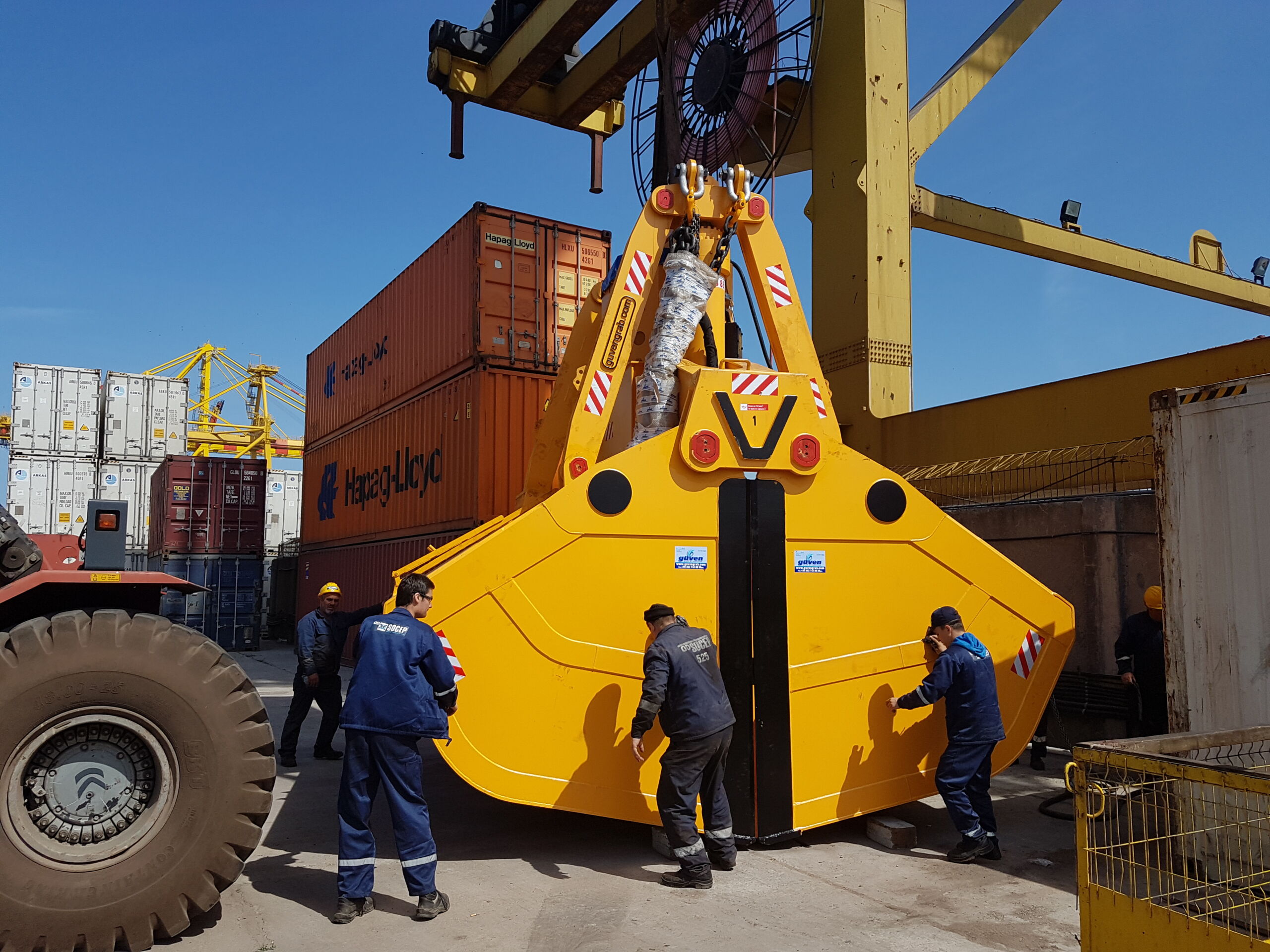
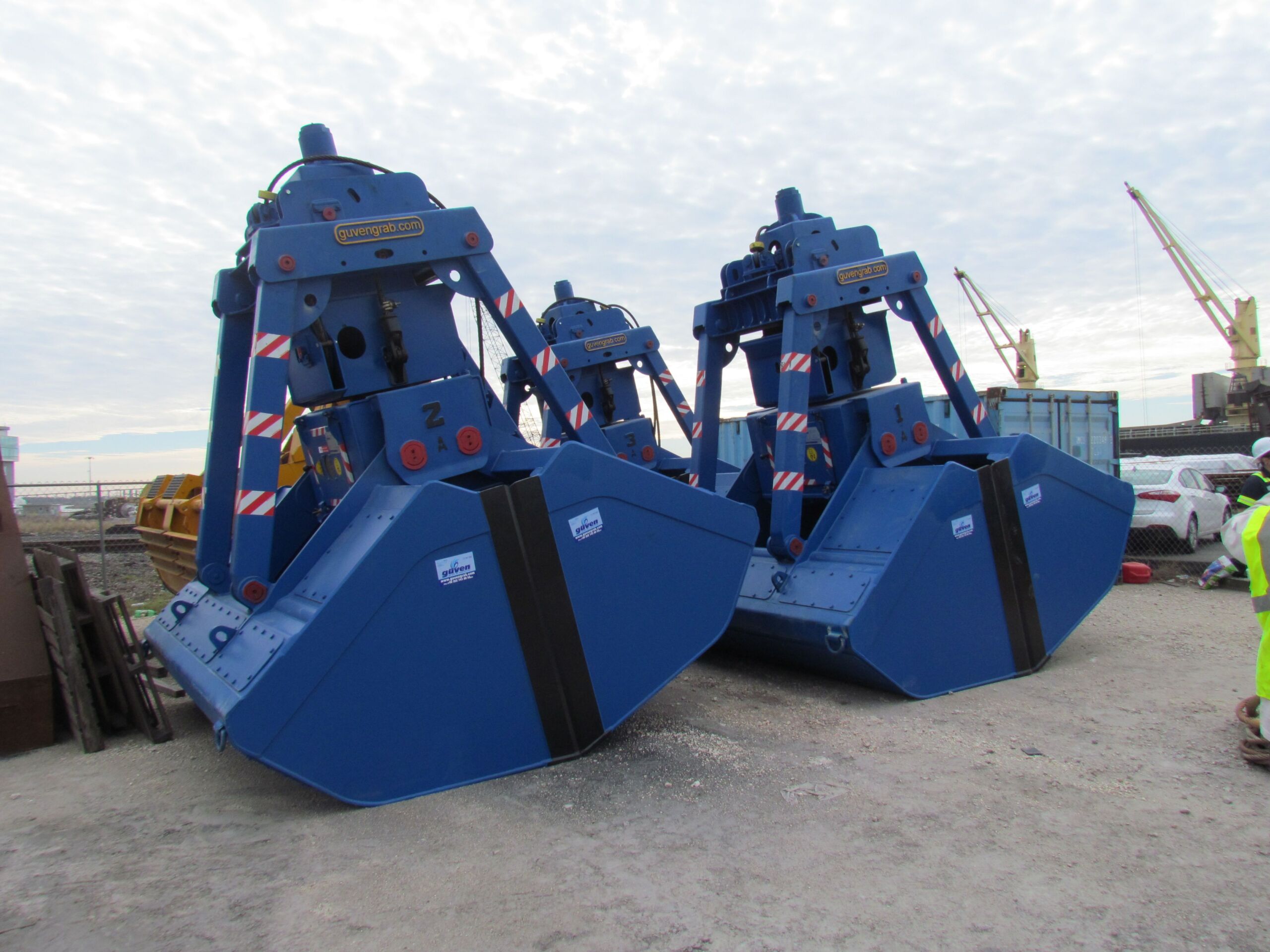
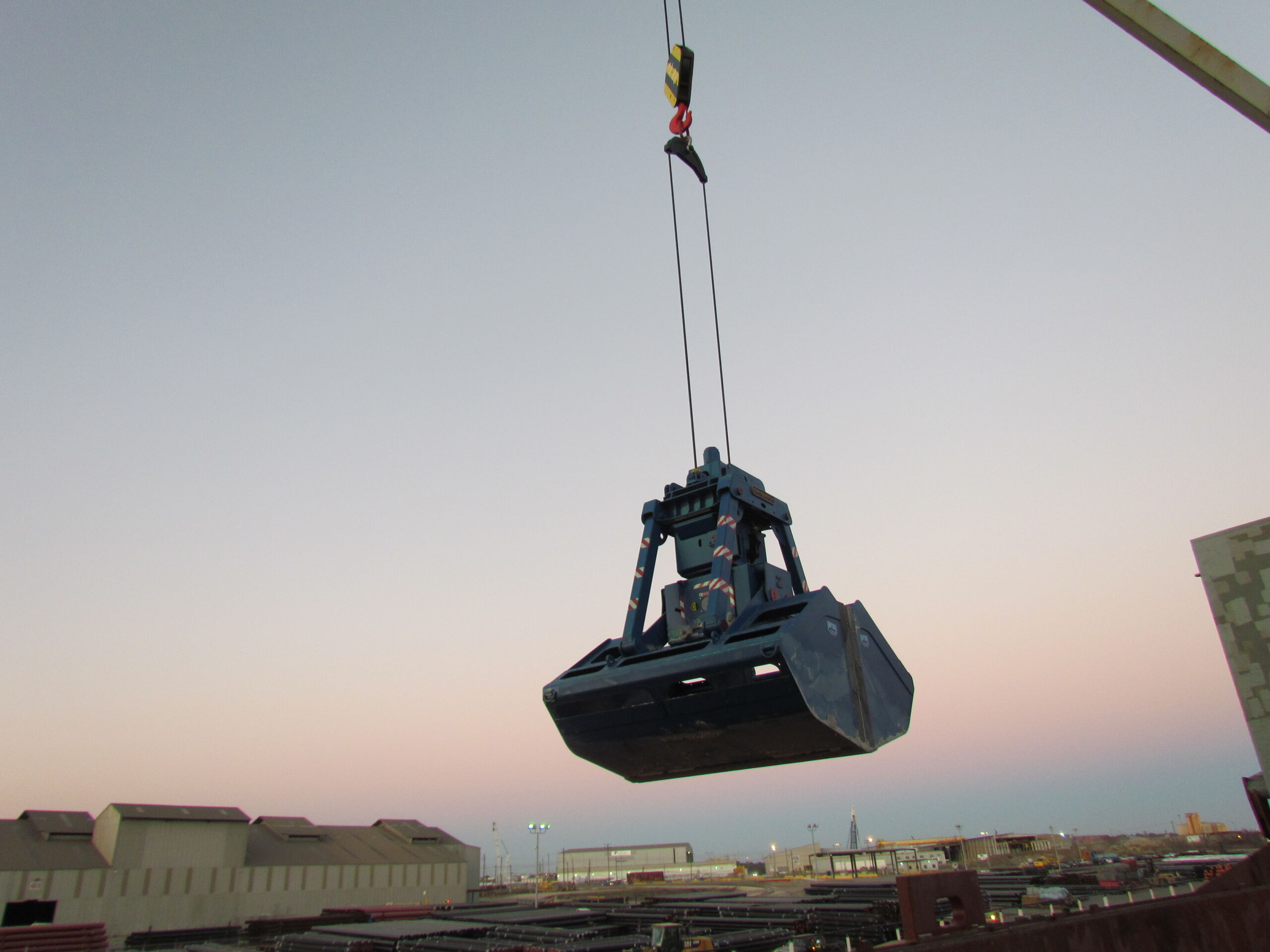
Modern hydraulic excavator grab solutions, including hydraulic orange peel and clamshell configurations, are designed to minimize these losses at the mechanical level. By operating directly through the excavator’s hydraulic system, these grabs eliminate the need for auxiliary generators or cable-driven mechanisms. This direct integration shortens cycle times, reduces energy conversion losses, and improves operator control during loading and unloading operations.
Another often overlooked factor is motion stability. Excessive swing not only reduces precision but also forces operators to compensate with additional movements, increasing hydraulic demand and extending cycle duration. Advanced grab designs with balanced geometry and reinforced shells maintain load stability throughout the lift, allowing operators to complete each cycle with fewer corrective actions. Over thousands of cycles, this stability translates into lower energy consumption per ton handled.
Eliminating Auxiliary Power Units In Grab Operations
Auxiliary power units are commonly accepted as a necessary component of grab operations, yet they represent a significant and often avoidable source of energy inefficiency. Generators, cable drums, and external hydraulic packs introduce additional fuel consumption, maintenance requirements, and operational complexity. More importantly, they consume energy continuously, regardless of whether the grab is actively engaged in material handling.
Generator-free grab systems remove this inefficiency entirely. By operating without additional power units, these systems draw energy only when required for opening and closing actions. This on-demand energy usage model aligns consumption directly with productive work rather than idle readiness. In practical terms, this reduces fuel burn, lowers emissions, and simplifies daily operation planning.
For mining operators, the benefits extend beyond energy savings. Fewer components mean fewer failure points, reduced spare parts inventory, and shorter maintenance interventions. When combined with designs capable of extended continuous operation, such as systems engineered for hundreds of hours without recharge or reset, the result is a material handling solution that supports both energy efficiency and operational continuity.
AI Assisted Optimization Of Flotation And Grinding Circuits
Among the most energy-intensive stages in mining operations, grinding and flotation circuits offer significant efficiency upside when approached with advanced control strategies. These processes account for a substantial share of total site electricity consumption, yet they are often operated with conservative setpoints to avoid instability or recovery losses. As a result, energy is frequently overconsumed to compensate for variability rather than being precisely matched to actual process demand.
AI-assisted optimization changes this dynamic by shifting control logic from static rules to adaptive decision-making. Instead of reacting to deviations after they occur, AI-driven systems analyze historical and real-time data to predict changes in ore characteristics, feed rates, and equipment performance. This predictive capability allows operators to maintain optimal operating conditions while avoiding unnecessary energy expenditure.
Predictive Process Control And Energy Load Balancing
In grinding circuits, AI models assess parameters such as particle size distribution, mill load, liner wear, and ore hardness. Based on these inputs, control systems adjust rotational speed, grinding media load, and feed rate to maintain target throughput with minimal energy input. This reduces overgrinding, one of the most common sources of wasted energy in mineral processing.
Flotation circuits benefit in a similar way. AI-assisted control stabilizes reagent dosing, air flow, and pulp density, ensuring that separation efficiency is maintained without excessive agitation or pumping. By smoothing process variability, these systems reduce peak power demand and improve overall energy load balancing across the plant.
Beyond direct energy savings, predictive control improves equipment health. Motors, mills, and pumps experience fewer load spikes, extending component life and reducing unplanned downtime. For operations seeking immediate efficiency gains without physical equipment replacement, AI-assisted optimization represents one of the highest-impact interventions available.
Shifting Haul Trucks From Diesel To Electric Models
Haulage remains one of the most energy-intensive and emissions-heavy activities in mining operations. Diesel-powered haul trucks consume large volumes of fuel, generate significant heat losses, and introduce mechanical inefficiencies that compound over long duty cycles. As pressure mounts to reduce both operating costs and carbon intensity, electrification of haulage fleets is increasingly viewed as a practical pathway rather than a long-term aspiration.
Electric haul trucks fundamentally change the energy profile of material transport. By converting electrical energy directly into traction, these systems eliminate many of the losses associated with internal combustion engines. Regenerative braking further improves efficiency by recovering energy during downhill travel, a common feature in open-pit mining environments. When properly deployed, electric haulage can reduce energy consumption per ton-kilometer while improving vehicle responsiveness and control.
Where Electrification Delivers The Fastest Payback
The economic case for electric haul trucks is strongest in operations with predictable haul routes, elevation changes, and centralized infrastructure. Open-pit mines with consistent ramp gradients and fixed loading zones can maximize the benefits of regenerative braking and fixed charging systems. In these settings, electric fleets not only reduce fuel costs but also simplify maintenance planning due to fewer moving parts and lower thermal stress on components.
However, electrification should not be evaluated in isolation. Its success depends on how well it integrates with upstream and downstream processes. Efficient loading systems that minimize idle time at the shovel or excavator directly enhance the benefits of electric haulage. Faster, more stable loading cycles reduce queueing, allowing electric trucks to operate closer to their optimal duty profile. This highlights the importance of aligning haulage upgrades with material handling efficiency, ensuring that energy savings are realized across the entire transport chain rather than confined to the truck itself.
Reusing Tailings Water For Metal Recovery
Water management and energy efficiency are deeply interconnected in mining operations, yet they are often optimized separately. Tailings management, in particular, represents a missed opportunity where improvements in water reuse can deliver parallel gains in energy efficiency, metal recovery, and environmental performance. Pumping, treating, and sourcing fresh water all require substantial energy input, making water reuse a direct lever for reducing overall power consumption.
Reusing tailings water reduces the need for long-distance pumping and high-pressure systems that are typically required to bring fresh water into the operation. In addition, modern recovery techniques allow residual metals to be extracted from tailings streams during water reuse, effectively turning a waste flow into a secondary value source. This dual benefit strengthens the business case by linking sustainability objectives with measurable production gains.
Energy And Water Efficiency As A Single System
When tailings water is reintegrated into processing circuits, the energy savings extend beyond pumping reduction. Stable water chemistry improves flotation performance, reduces reagent overuse, and minimizes process variability. These effects lower agitation, mixing, and circulation energy requirements across the plant.
From an operational standpoint, treating water and energy as a single system enables better prioritization of investments. Rather than evaluating tailings upgrades solely through an environmental compliance lens, mining operators can quantify their impact on energy intensity per ton of ore processed. This integrated perspective helps justify water reuse projects as efficiency upgrades rather than cost centers, accelerating approval and implementation.
Renewable Power Purchase Agreements As A Strategic Lever
For many mining operations, the fastest way to reduce energy-related emissions is not by changing how energy is consumed, but by changing where that energy comes from. Renewable Power Purchase Agreements, commonly known as PPAs, allow mining companies to secure long-term access to low-carbon electricity without investing directly in generation assets. This approach enables decarbonization at scale while preserving capital for core operational improvements.
PPAs are particularly attractive for energy-intensive industries because they provide price stability in an otherwise volatile energy market. By locking in electricity costs over extended periods, mining operators gain greater certainty in operational forecasting and cost control. This predictability is increasingly valued by investors and lenders who assess long-term project viability through both financial and ESG performance indicators.
Managing Price Stability And Energy Risk Through PPAs
Beyond emissions reduction, PPAs function as a risk management tool. Renewable energy contracts insulate operations from fuel price fluctuations and regulatory changes related to carbon pricing. For mines operating in regions with unstable grids or rising electricity tariffs, PPAs can also improve supply reliability when paired with on-site energy management systems or storage solutions.
However, the effectiveness of PPAs depends on how well they are integrated into operational planning. Energy efficiency initiatives that reduce overall demand amplify the benefits of renewable sourcing by allowing a higher percentage of total consumption to be covered by clean energy contracts. In this way, PPAs work best as part of a broader efficiency strategy rather than as a standalone sustainability measure.
Smart Ventilation Control Using IoT
In underground mining operations, ventilation is often the single largest consumer of electrical energy. Traditional ventilation systems are designed for peak demand scenarios and operate continuously at fixed airflow rates, regardless of actual underground activity. While this approach prioritizes safety, it also leads to substantial energy waste during periods of low personnel presence or limited equipment operation.
Smart ventilation systems powered by IoT technologies address this imbalance by aligning airflow with real operational demand. Sensors placed throughout underground networks track personnel location, equipment movement, air quality, and temperature in real time. This data allows ventilation systems to dynamically adjust fan speeds and airflow distribution, ensuring that energy is used precisely where and when it is needed.
Demand Based Ventilation And Real Time Monitoring
Demand-based ventilation replaces static airflow assumptions with responsive control. When equipment is inactive or areas are temporarily unoccupied, airflow can be reduced without compromising safety thresholds. Conversely, high-activity zones receive immediate airflow increases based on real-time conditions rather than preset schedules.
The energy impact of this shift is substantial. By reducing unnecessary fan operation, mines can significantly lower electricity consumption while also extending the lifespan of ventilation infrastructure. From an operational perspective, real-time monitoring improves situational awareness and supports proactive maintenance, reducing the likelihood of emergency interventions that disrupt production. Smart ventilation demonstrates how digitalization can simultaneously enhance safety, efficiency, and energy performance.
A Five Phase Roadmap To Sustainable And Profitable Mining Operations
Energy efficiency initiatives deliver the strongest results when they are guided by a structured roadmap rather than implemented as isolated projects. Mining operations are complex systems where equipment, processes, and people interact continuously. Without a phased approach, efficiency efforts risk becoming fragmented, making it difficult to measure impact or sustain momentum. A clear roadmap aligns technical improvements with financial objectives, operational constraints, and long-term sustainability goals.
This five-phase framework is designed to help mining operators move from visibility to value creation in a controlled and scalable manner. Each phase builds on the previous one, ensuring that efficiency gains are locked in before more transformative changes are introduced.
Phase One Benchmark Energy And Emissions Footprint
The first step is establishing a reliable baseline. This involves mapping energy consumption across major processes, equipment categories, and operating shifts. Rather than relying solely on utility bills, effective benchmarking drills down to energy use per ton moved, lifted, or processed. This level of granularity reveals where energy intensity is highest and where optimization efforts will generate the fastest returns.
A robust benchmark also includes emissions data, providing a clear starting point for ESG reporting and future performance comparisons. Without this foundation, efficiency improvements are difficult to quantify and even harder to justify internally.
Phase Two Optimize Existing Processes Using Low Capex Technologies
Once baseline data is established, the focus shifts to improving what already exists. Low capital expenditure technologies such as control system upgrades, equipment retrofits, and optimized material handling solutions often deliver outsized benefits. This is where smarter equipment selection plays a critical role. For example, replacing energy-intensive material handling configurations with hydraulically optimized grab systems can reduce power demand while improving cycle efficiency.
This phase prioritizes quick wins that strengthen confidence in the efficiency program while freeing up operational savings that can fund later stages.
Phase Three Transition To Low Carbon Energy Sources
With demand reduced and processes stabilized, transitioning to cleaner energy sources becomes significantly more effective. Electrification of mobile equipment, integration of renewable energy through PPAs, and selective on-site generation can now cover a larger share of total consumption. Because energy demand has already been optimized, these investments deliver higher emissions reductions per unit of capital deployed.
Importantly, this phase should be paced to match grid capacity, infrastructure readiness, and operational risk tolerance.
Phase Four Upgrade Tailings Water And Waste Management
Sustainable mining extends beyond energy supply. Upgrading tailings, water reuse, and waste handling systems reduces both environmental impact and energy demand. Improved water circulation lowers pumping requirements, while more stable waste streams reduce process variability across the plant. This phase reinforces the gains achieved earlier by addressing supporting systems that quietly influence energy consumption.
Phase Five Land Rehabilitation And Long Term Value Creation
The final phase looks beyond active production. Land rehabilitation, post-mining land use, and long-term environmental stewardship increasingly influence permitting outcomes and corporate valuation. Energy-efficient closure strategies reduce ongoing liabilities while contributing to social license and regulatory credibility. In this sense, sustainability becomes a source of long-term value rather than a cost of compliance.
Measure Report And Monetize Your Sustainability ROI
Energy efficiency initiatives only reach their full potential when their impact is measured, communicated, and translated into tangible business value. Too often, sustainability improvements remain trapped in technical reports, disconnected from financial decision-making. For mining operators, the ability to quantify results in operational and economic terms is what turns efficiency from a technical exercise into a strategic asset.
Measurement begins with consistency. Energy savings should be tracked using the same operational units that drive production decisions, such as kilowatt-hours per ton mined, moved, or processed. When efficiency gains are expressed in production-relevant metrics, they become easier to compare across sites, equipment types, and time periods. This clarity is essential for building internal alignment and maintaining momentum beyond the initial implementation phase.
Turning Energy Savings Into ESG And Investor Value
Once measured, efficiency gains must be reported in a way that resonates with external stakeholders. Investors, lenders, and regulators increasingly evaluate mining companies based on credible ESG performance rather than stated intentions. Demonstrating reduced energy intensity, lower emissions per unit of output, and improved resource efficiency strengthens access to capital and improves risk perception.
In some jurisdictions, verified efficiency improvements can also be monetized directly through incentives, carbon credits, or preferential financing terms. Even where direct monetization is limited, improved sustainability performance enhances project bankability and long-term valuation. In this sense, energy efficiency becomes a multiplier, amplifying both operational performance and corporate credibility.
Overcoming Common Implementation Challenges
Despite clear benefits, energy efficiency programs often encounter resistance and delays during execution. These challenges are rarely technical in nature. More often, they stem from organizational, cultural, and governance-related factors that must be addressed deliberately.
Data Integrity And Measurement Accuracy
Poor data quality undermines confidence in efficiency initiatives. Inconsistent measurement, manual reporting, or fragmented data sources make it difficult to verify results. Establishing standardized data collection and validation processes is critical for sustaining trust in reported outcomes.
Operator Resistance And Change Management
Operational teams may initially view efficiency initiatives as added complexity or performance pressure. Successful programs involve operators early, framing efficiency as a tool that simplifies work, reduces breakdowns, and improves reliability rather than as a constraint on productivity.
ESG Governance And Cross Department Alignment
Energy efficiency sits at the intersection of operations, finance, and sustainability. Without clear governance structures, initiatives risk stalling between departments. Defined ownership, aligned incentives, and executive sponsorship are essential for execution.
Securing Funding Without Disrupting Cash Flow
Efficiency investments compete with production-driven capital projects. Phased implementation, reinvestment of early savings, and efficiency-backed financing models help minimize financial friction while maintaining progress.
Conclusion
Improving energy efficiency in mining operations is no longer a marginal optimization exercise. It is a strategic imperative that directly influences cost structure, operational resilience, and long-term sustainability performance. From smarter material handling and AI-assisted process control to electrification and renewable energy integration, the tools to reduce energy intensity are already available and proven.
What differentiates leading mining operations is not access to technology, but the ability to apply it systematically and pragmatically. By focusing on efficiency first, mining companies can reduce energy demand, simplify operations, and create a stronger foundation for low-carbon transition. In doing so, energy efficiency becomes more than a sustainability goal. It becomes a driver of durable competitiveness in an industry where margins, reputation, and responsibility are increasingly interconnected.
Table of Contents