How Preventive Maintenance Keeps Port Equipment Performing Longer
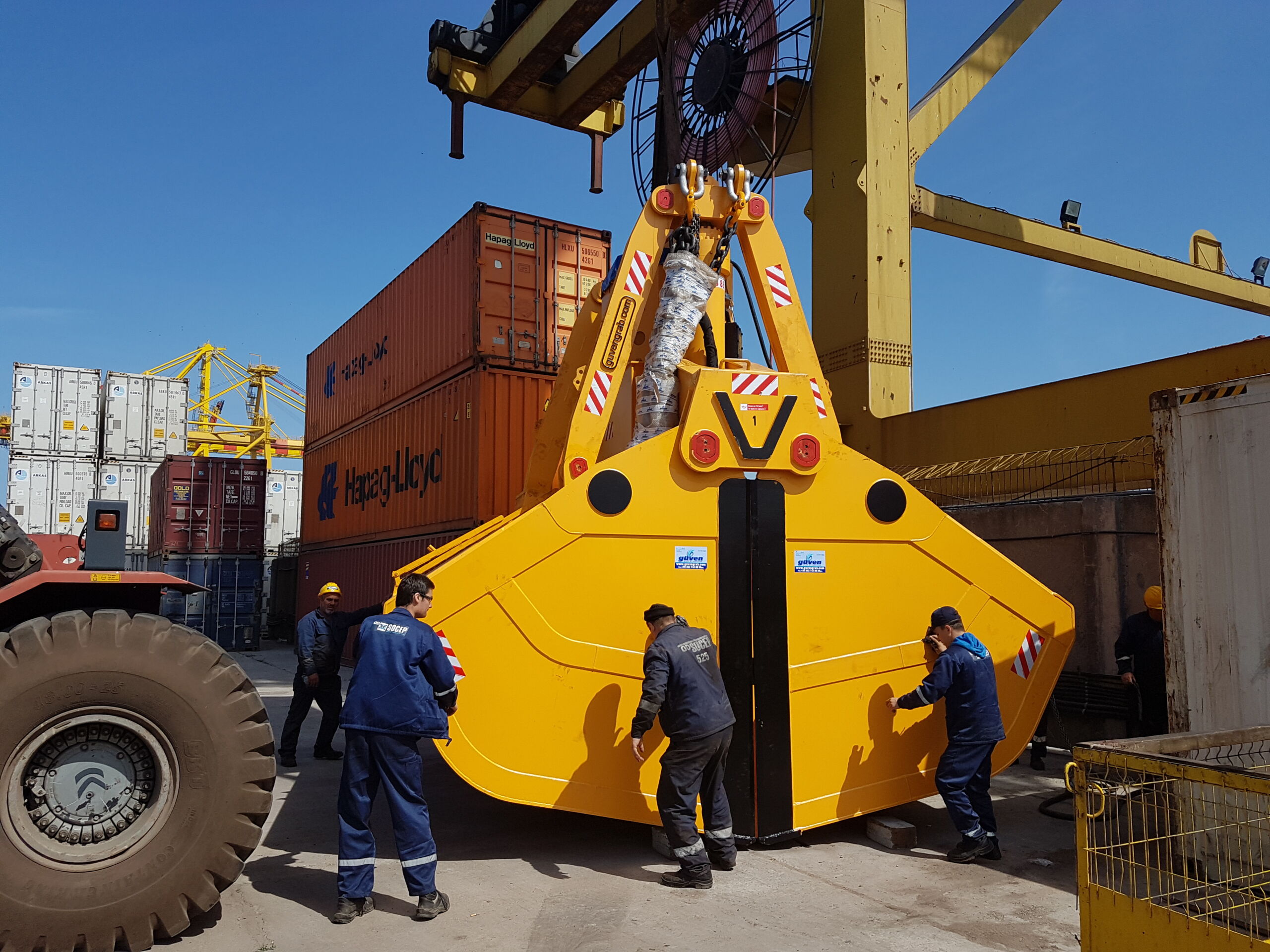
In port operations where every lifting cycle impacts vessel turnaround time, equipment reliability is not a support function but a core operational asset. Cranes, grabs, and auxiliary handling systems operate under continuous mechanical stress, harsh environmental exposure, and tight performance windows. When maintenance is treated as a reactive task rather than a strategic process, minor wear quickly escalates into unplanned downtime, safety risks, and avoidable capital losses. This is why preventive maintenance has become a defining factor in long-term port efficiency rather than a routine checklist item.
Preventive maintenance is not only about extending equipment life, it is about preserving performance consistency under real operating conditions. Well-maintained port equipment delivers predictable cycle times, stable load control, and reduced failure probability even during peak operational periods. For modern grab systems such as Electro Hydraulic Orange Peel Motor Grabs, Radio Remote Control Grabs, and Mechanical Clamshell 4 Roped Grabs, maintenance discipline directly determines whether their design advantages translate into measurable operational value. The question for port operators is no longer whether maintenance is necessary, but how structured preventive maintenance can protect uptime, control costs, and sustain performance over years of intensive use.
How Regular Maintenance Extends Equipment Lifespan
Port equipment is designed for strength, but longevity is determined by how consistently that strength is preserved through maintenance. Every lifting cycle introduces friction, load stress, and micro-deformations across structural and moving components. Without regular maintenance, these small mechanical impacts accumulate, gradually compromising tolerances, alignment, and material integrity. Preventive maintenance interrupts this degradation cycle by addressing wear before it evolves into structural damage or functional failure.
From a mechanical perspective, regular maintenance stabilizes operating conditions. Clean components reduce abrasive contact, inspections prevent misalignment from spreading across assemblies, and timely lubrication protects surfaces that are exposed to constant movement. Over time, this consistency slows fatigue accumulation and preserves original design performance. For high-duty port equipment, this means fewer unexpected shutdowns, longer service intervals, and a measurable extension of usable equipment life without sacrificing safety or efficiency.
Operationally, maintenance also protects the economic lifespan of equipment. Assets that remain mechanically stable require fewer major overhauls, retain higher residual value, and can be redeployed across different operational demands without reliability concerns. In contrast, neglected equipment often reaches a point where repair costs outweigh operational benefits. Preventive maintenance ensures that port equipment does not merely remain functional, but continues performing at a level that justifies its role in demanding cargo handling environments.
The Power Of Prevention Through Proper Cleaning
Cleaning is often underestimated in port equipment maintenance, yet it plays a decisive role in preserving mechanical integrity. In bulk handling environments, equipment is constantly exposed to abrasive materials, fine dust, moisture, and corrosive residues. When these contaminants accumulate, they act as accelerators of wear by increasing friction, trapping moisture, and masking early signs of damage. Regular and methodical cleaning removes this hidden stress factor before it compromises critical components.
For grab systems and crane attachments, cleaning is not limited to surface appearance. Residual bulk material inside shells, around pin joints, and near moving interfaces can restrict movement and alter load distribution. Over time, this leads to uneven wear, higher energy demand per cycle, and increased strain on structural elements. By maintaining clean contact surfaces and unobstructed motion paths, operators preserve original mechanical behavior and prevent unnecessary load amplification during operation.
Clean equipment also supports more effective inspections. Cracks, deformations, seal degradation, and early corrosion are far easier to detect when surfaces are free of residue. In this sense, cleaning is not an isolated task but a prerequisite for every other preventive maintenance action. Especially in ports handling minerals, aggregates, or corrosive bulk cargo, disciplined cleaning routines directly translate into longer component life and more predictable equipment performance.
Cleaning Challenges In Port And Bulk Handling Environments
Port operations introduce unique cleaning challenges due to constant exposure to salt air, variable weather conditions, and diverse cargo types. Fine particles penetrate joints and housings, while moisture promotes corrosion in unprotected areas. Without structured cleaning schedules, these factors silently shorten service intervals. Addressing environmental exposure as part of the cleaning strategy ensures that equipment protection aligns with real operational conditions rather than ideal assumptions.
Regular Inspections As The First Line Of Defense
Regular inspections form the backbone of any effective preventive maintenance program. While cleaning and lubrication slow down wear, inspections are what reveal whether components are still operating within safe and efficient limits. In port equipment, failures rarely occur without warning. Most mechanical issues develop gradually through misalignment, fatigue, seal degradation, or uneven load transfer. Inspections make these early signals visible before they turn into operational disruptions.
A structured inspection routine allows maintenance teams to track equipment condition over time rather than reacting to sudden breakdowns. Changes in noise levels, movement smoothness, or structural symmetry often indicate developing problems. When inspections are carried out consistently, these deviations can be addressed during planned maintenance windows instead of causing unplanned shutdowns. This approach is especially critical for high-cycle equipment that operates continuously under varying load conditions.
From an operational standpoint, inspections also improve maintenance decision-making. Instead of replacing components based solely on time intervals, condition-based insights allow parts to be serviced or replaced when necessary. This reduces unnecessary interventions while preventing critical failures. Over the long term, inspections protect both equipment lifespan and maintenance budgets by aligning service actions with actual operating conditions.
Key Inspection Points For Grab Systems
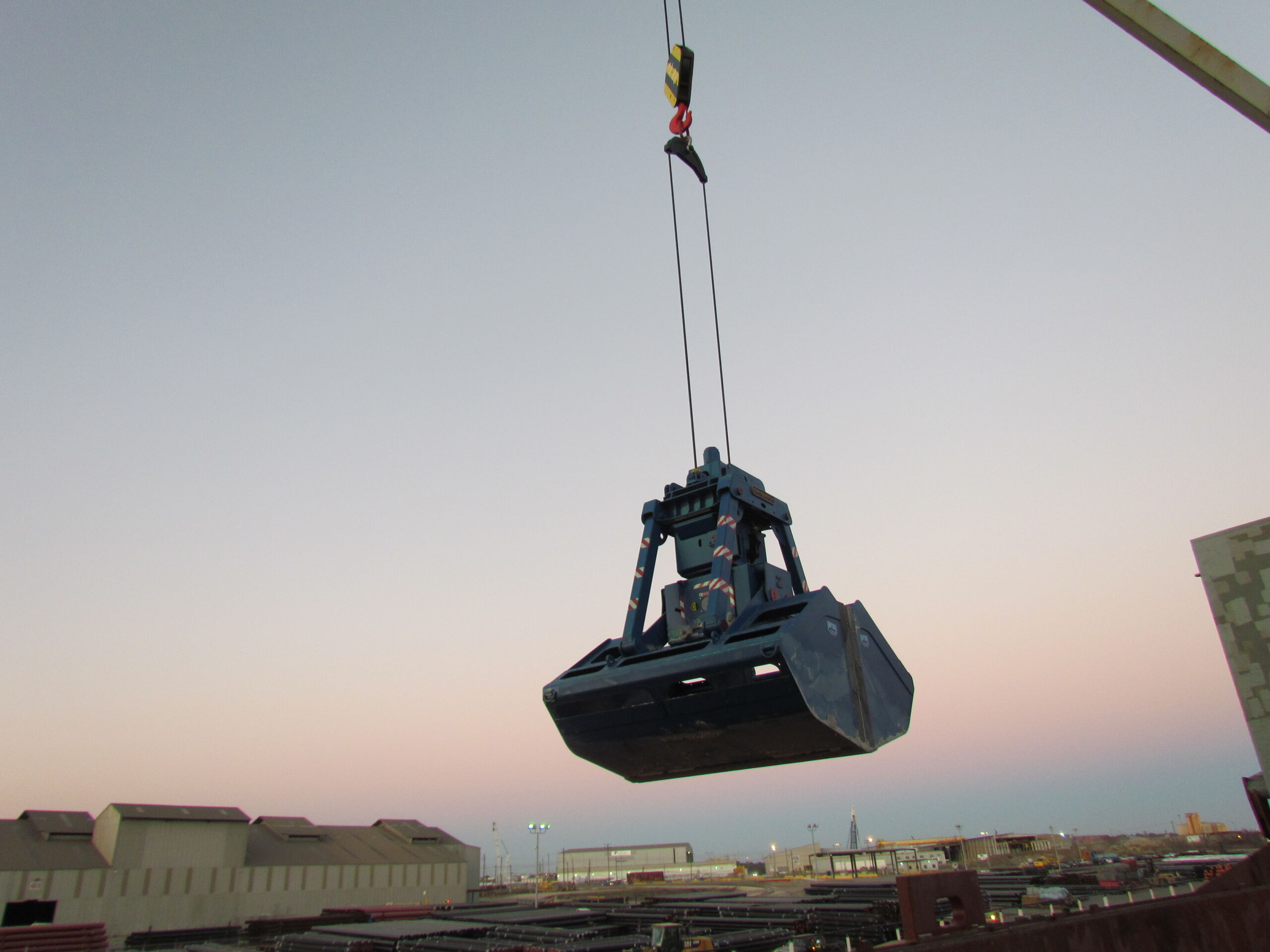
For grab equipment, inspection focus should be placed on load-bearing and motion-critical components. Pins and bushings must be checked for excessive clearance, shells for deformation or crack initiation, and hydraulic or mechanical linkages for irregular movement. Structural welds and attachment points deserve particular attention, as small defects in these areas can rapidly escalate under repeated load cycles. Identifying such issues early preserves structural integrity and prevents secondary damage across the system.
Lubrication As A Critical Performance Factor
Lubrication plays a decisive role in maintaining consistent performance in port equipment exposed to continuous motion and heavy loads. Every rotating or sliding interface generates friction, and without adequate lubrication, this friction converts directly into heat, surface degradation, and accelerated material loss. In high-cycle grab operations, even minor lubrication deficiencies can significantly shorten component life and reduce operational efficiency.
Proper lubrication creates a protective film between moving surfaces, preventing metal-to-metal contact and preserving original tolerances. This protection is especially important in pins, bushings, and joint assemblies where load concentration is highest. When lubrication is applied at the correct intervals and in appropriate quantities, movement remains smooth and predictable, reducing shock loads and uneven stress distribution throughout the structure.
Beyond mechanical protection, lubrication also supports energy efficiency. Well-lubricated systems require less force to operate, lowering strain on cranes and control systems. Over time, this translates into reduced wear across the entire lifting chain, from the grab itself to the crane components. In preventive maintenance strategies, lubrication is not a routine task but a performance stabilizer that safeguards both equipment longevity and operational consistency.
Common Lubrication Mistakes In Crane And Grab Maintenance
One of the most frequent errors in lubrication is inconsistency, where intervals are skipped during busy operational periods. Over-lubrication can be equally harmful, attracting abrasive particles and contaminating joints. Using incorrect lubricant types for environmental conditions further reduces effectiveness. Addressing these mistakes through clear lubrication guidelines ensures that protective benefits are fully realized without introducing secondary risks.
Safety Checks That Protect Both Equipment And Operators
Safety checks are often viewed primarily as a compliance requirement, yet they are deeply connected to equipment health and longevity. In port environments, safety-related failures frequently originate from underlying mechanical issues such as excessive wear, misalignment, or compromised load control. By integrating safety checks into preventive maintenance routines, operators not only protect personnel but also detect mechanical risks before they escalate into major equipment damage.
Regular safety verification ensures that lifting and holding functions operate within design limits. Components responsible for load stability, controlled opening and closing, and emergency response must perform reliably under all operating conditions. When these systems are compromised, equipment is forced to operate under unstable or uneven loads, accelerating fatigue and increasing the likelihood of structural failure. Safety checks therefore act as an indirect but powerful safeguard for mechanical integrity.
From an operational perspective, consistent safety inspections support uninterrupted workflow. Equipment that fails safety verification is often removed from service immediately, leading to unexpected downtime. Preventive safety checks reduce this risk by identifying issues during planned maintenance periods. This approach ensures that equipment remains compliant, reliable, and ready for continuous operation without disrupting port schedules.
Load Holding And Control System Verification
Load holding mechanisms and control responsiveness should be verified regularly to ensure stable and predictable operation. Any delay, imbalance, or irregular movement during opening and closing cycles may indicate internal wear or control system degradation. Early detection allows corrective action before unsafe conditions compromise both operational safety and equipment lifespan.
When Professional Maintenance Becomes Essential
Routine preventive maintenance carried out by in-house teams is highly effective, but it has clear limits. Certain wear patterns, structural fatigue issues, and internal system degradations cannot be reliably identified or corrected without specialized tools and manufacturer-level expertise. Knowing when to involve professional maintenance support is therefore a critical decision that directly affects equipment lifespan and operational risk.
Professional maintenance interventions are particularly important when equipment operates at high utilization rates or under demanding environmental conditions. In such cases, components may appear functional while internal tolerances are already compromised. Advanced diagnostics, precise measurements, and experienced evaluation are required to identify these hidden risks. Addressing them early prevents cascading failures that often result in extended downtime and costly repairs.
From a long-term perspective, professional maintenance should be viewed as a strategic investment rather than a corrective expense. Periodic expert assessments help align maintenance practices with actual equipment condition, validate in-house procedures, and ensure that original design standards are preserved throughout the equipment’s service life.
Factory Level Expertise Versus Reactive Repairs
Manufacturer-supported maintenance focuses on root causes rather than symptoms. Unlike reactive repairs that address failures after they occur, professional interventions restore structural and mechanical balance before breakdowns happen. This approach reduces total maintenance costs over time and protects equipment from premature end-of-life scenarios.
Scheduling Maintenance As A Proactive Operational Strategy
Maintenance delivers its full value only when it is planned and embedded into daily operations rather than treated as an interruption. In port environments where equipment availability directly impacts berth occupancy and cargo flow, unplanned maintenance quickly becomes a bottleneck. Structured maintenance scheduling transforms maintenance from a reactive obligation into a controlled operational advantage.
A proactive maintenance schedule aligns service activities with actual usage patterns, operating intensity, and environmental exposure. Instead of relying solely on fixed calendar intervals, modern port operations increasingly adopt usage-based scheduling that reflects real wear conditions. This approach minimizes unnecessary service actions while ensuring that critical components receive attention before their performance deteriorates.
Scheduling also improves coordination between maintenance teams, operators, and port planners. When maintenance windows are defined in advance, spare parts availability, labor allocation, and crane utilization can be optimized. Over time, this predictability reduces operational friction, stabilizes maintenance budgets, and supports consistent equipment performance across extended operating cycles.
Maintenance Planning For High Utilization Port Equipment
High utilization equipment requires shorter inspection and service intervals due to continuous load exposure and reduced recovery time between cycles. Maintenance planning for such assets must account for peak operational periods and environmental stress factors to prevent accelerated fatigue. By tailoring maintenance frequency to utilization intensity, operators protect both equipment lifespan and operational continuity.
Maintenance Advantages Of Güven Grab Systems
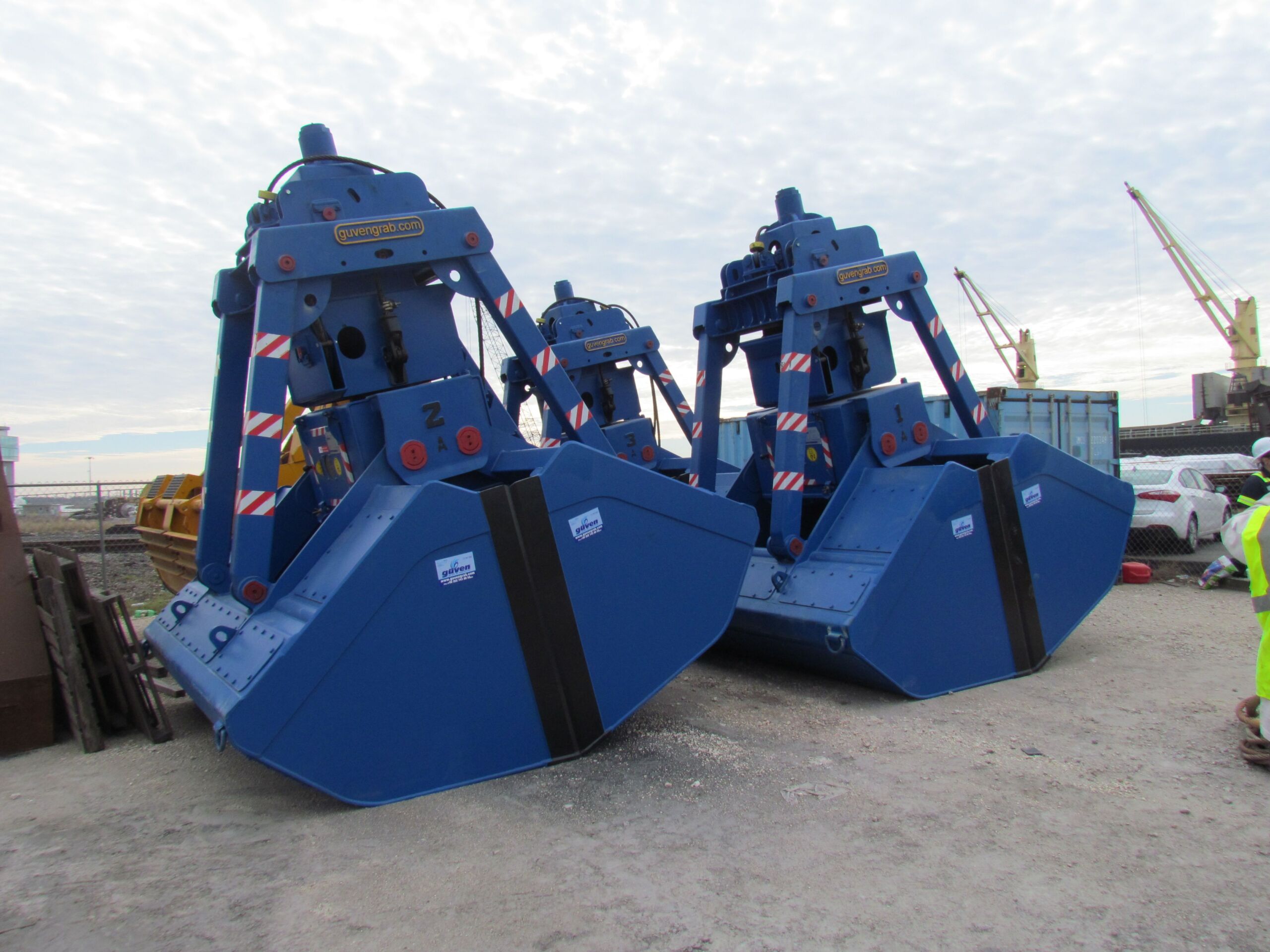
Preventive maintenance becomes significantly more effective when equipment is engineered with simplicity and durability in mind. Güven Grab systems are designed to minimize mechanical complexity, which directly reduces maintenance exposure points. Unlike traditional cable-driven or auxiliary-powered grabs, these systems eliminate additional power units, generators, and drum mechanisms. Fewer components mean fewer failure modes, shorter inspection routines, and reduced dependency on corrective maintenance interventions.
This design philosophy delivers practical benefits in real port operations. Reduced swing motion during lifting cycles lowers structural stress on both the grab and the crane, limiting fatigue accumulation over time. The absence of external power transmission systems also minimizes alignment issues and wear-prone interfaces. As a result, maintenance efforts can focus on core structural and load-handling components rather than managing secondary systems that add complexity without improving performance.
Design Features That Minimize Downtime
Electro Hydraulic Orange Peel Motor Grabs and Radio Remote Control Grabs operate with integrated systems that remove the need for external energy transfer. This allows faster cycle times, fewer service interruptions, and smoother operation under continuous workloads. Maintenance teams benefit from simplified inspection routines and reduced troubleshooting time, directly improving equipment availability.
Endurance Through Structural And Material Engineering
Structural durability is reinforced through the use of Hardox in high-wear shell areas, protecting against abrasion and impact damage common in bulk handling. Combined with a 400-hour continuous operation capacity, this material strategy ensures that performance remains stable even under prolonged duty cycles. For port operators, this translates into lower wear-related maintenance frequency and extended service life without compromising operational safety or efficiency.
Additional Operational Practices That Extend Equipment Life
Even the most robust maintenance program benefits from supportive operational discipline. Preventive maintenance is most effective when daily usage habits align with the equipment’s design intent and operating limits. Small operational adjustments, when applied consistently, significantly reduce unnecessary stress on mechanical systems and reinforce the impact of scheduled maintenance activities.
In port operations, equipment longevity is shaped as much by how machines are used as how they are serviced. Operator awareness, adherence to load limits, and environmental considerations all influence wear patterns. When these factors are addressed proactively, maintenance efforts become more predictable and equipment performance remains stable over longer service periods.
Operator Training And Correct Usage Discipline
Well-trained operators play a direct role in extending equipment lifespan by avoiding overloads, minimizing shock loads, and maintaining smooth operating cycles. Understanding how grab behavior changes under different cargo conditions helps operators adapt their handling approach, reducing structural stress and preventing premature component fatigue. Consistent training ensures that equipment is used as engineered, not merely as capable.
Conclusion
Preventive maintenance is not a standalone activity but a long-term performance strategy for port operations. Through systematic cleaning, regular inspections, precise lubrication, and structured safety checks, port equipment can maintain reliability well beyond its expected service intervals. When maintenance is planned proactively and supported by professional expertise, it reduces downtime, stabilizes operating costs, and protects capital investments.
The impact of preventive maintenance becomes even more pronounced when combined with equipment engineered for durability and simplicity. Güven Grab systems, with their generator-free operation, reduced mechanical complexity, and Hardox-reinforced structures, are designed to work in harmony with preventive maintenance principles. For port operators seeking consistent performance, operational safety, and long-term cost efficiency, preventive maintenance is not merely a best practice, it is a competitive necessity.
Table of Contents