
Port Charges How To Avoid Extra Fees
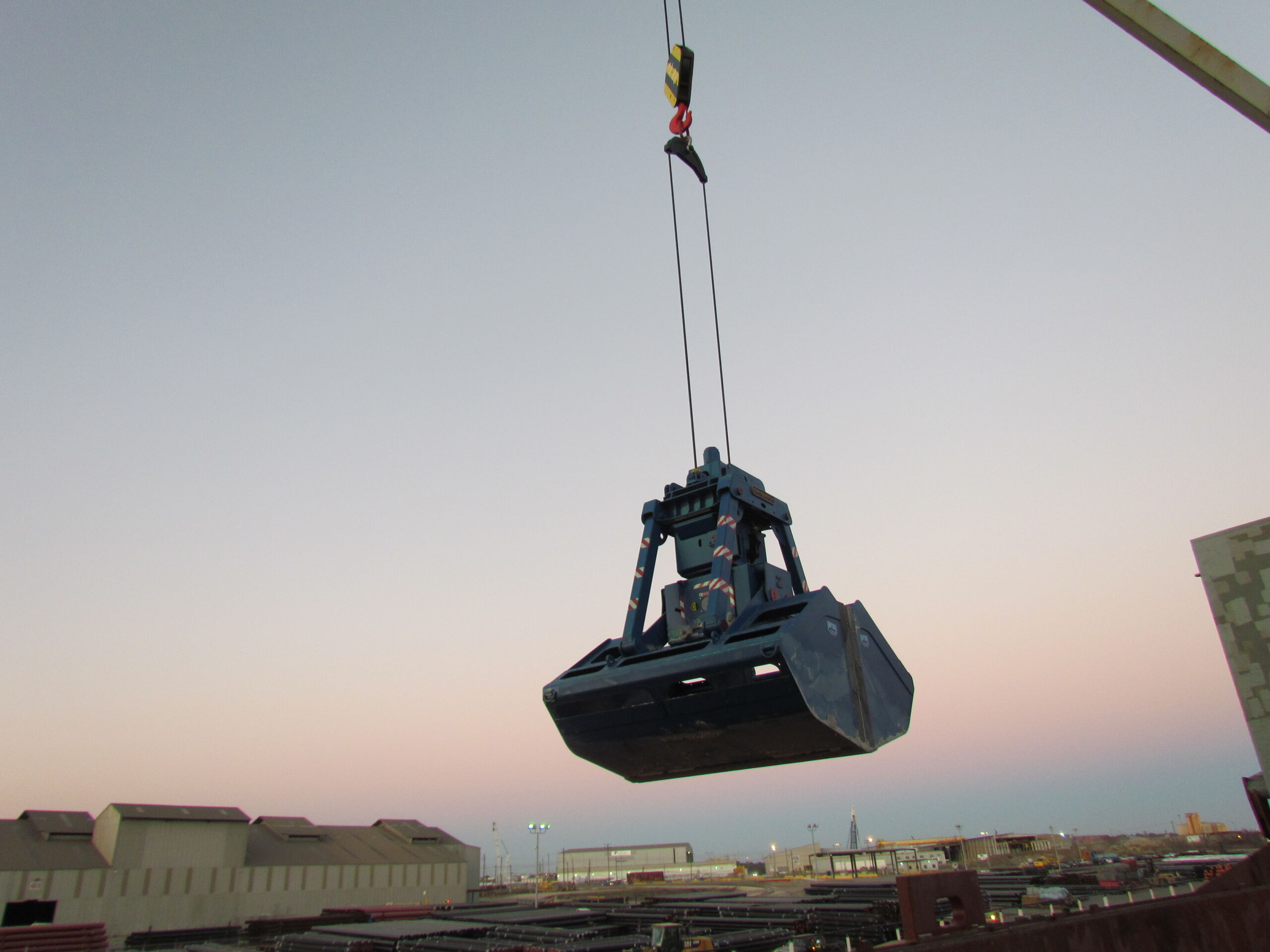
In modern port operations, cost overruns rarely come from a single dramatic failure. They accumulate quietly through port charges that appear routine on paper but become highly disruptive in practice. Terminal handling delays, extended container dwell times, documentation mismatches, and inefficient cargo operations all translate into fees that compound faster than most logistics budgets anticipate. For operators handling bulk cargo, project shipments, or high-volume port calls, these costs are no longer marginal. They directly influence voyage profitability, charter performance, and long-term competitiveness.
What makes port charges particularly challenging is not just their number, but their conditional nature. Many fees are triggered by operational behavior rather than contractual obligation. A minor delay in discharge, a short equipment stoppage, or a lack of coordination between terminal and vessel can activate demurrage, detention, storage, or congestion-related costs almost immediately. This article examines port charges from an operational perspective, explaining where they originate, why they escalate, and how disciplined planning, efficient cargo handling, and informed decision-making can significantly reduce their financial impact.
What Are Port Charges
Port charges refer to the collective set of fees applied by ports, terminals, shipping lines, and regulatory authorities for the use of port infrastructure and services. These charges cover far more than simple vessel entry or cargo handling. They reflect how efficiently a vessel, its cargo, and the supporting logistics processes interact with the port ecosystem. For this reason, port charges should be viewed not as static tariffs, but as dynamic costs shaped by operational behavior.
Unlike freight rates, which are typically agreed in advance, port charges are often influenced by real-time events. Berth availability, handling speed, documentation accuracy, equipment readiness, and even weather-related disruptions can all affect the final cost. This is why two vessels with similar cargo and routes may face significantly different port expenses depending on how well operations are executed on the ground.
Why Port Charges Matter More Than Ever
Ports today operate under intense pressure. Global trade volatility, larger vessels, tighter environmental regulations, and urban congestion around port areas have all increased the cost sensitivity of port calls. Terminals are optimizing throughput, authorities are enforcing stricter compliance, and shipping lines are transferring operational risk downstream through conditional fees. As a result, port charges have evolved from predictable administrative costs into performance-linked financial variables.
For bulk cargo operators and terminal users, this shift means that inefficiencies are penalized more quickly and more aggressively than in the past. A short delay that might once have been absorbed by terminal schedules can now trigger demurrage, storage, or traffic-related fees within days, sometimes hours. Understanding this new cost environment is essential for accurate voyage planning and margin protection.
The Difference Between Predictable And Hidden Charges
Some port charges are relatively predictable. Terminal handling charges, basic port dues, and standard documentation fees are usually published and can be estimated during the planning phase. These costs form the baseline of any port call budget and are rarely the primary source of financial shock.
Hidden charges, however, emerge when operations deviate from plan. Extended container dwell time, delayed cargo discharge, incomplete documentation, or inefficient cargo handling can activate fees that were not initially expected. Demurrage, detention, storage, and congestion-related charges often fall into this category. They are not hidden because they are undisclosed, but because they depend on operational outcomes rather than contractual intent.
This distinction is critical. Companies that focus only on negotiating published tariffs often overlook the much larger savings potential found in operational discipline. Reducing exposure to hidden charges requires coordination between commercial teams, port agents, terminal operators, and equipment providers, all working toward the same objective of minimizing time and uncertainty at the port.
The 17 Most Common Port Charges Explained
Port charges can vary in name and structure depending on the country, terminal operator, and shipping line. However, the underlying cost logic is largely consistent across global ports. Understanding how each charge is triggered allows operators to identify which costs are unavoidable and which are directly influenced by operational decisions. The following explanations focus not only on what these charges are, but also why they occur in real port environments.
Terminal Handling Charge
Terminal handling charges cover the physical movement of cargo within the terminal, including unloading from the vessel, internal transfers, and positioning for onward transport. Although often presented as a fixed fee, this charge reflects terminal labor, equipment usage, and yard operations. Inefficient discharge sequencing or equipment downtime can indirectly inflate overall terminal costs by extending operational windows.
Goods Due
Goods due are levied by port authorities based on cargo characteristics such as weight, volume, or commodity type. These charges are typically standardized and unavoidable. However, accurate cargo declaration is essential, as misclassification or late amendments can result in penalties or reassessments.
Booking Fee
Booking fees are administrative charges applied by shipping lines for reserving cargo space. While relatively modest in isolation, they become more significant when bookings are modified, rolled, or canceled. Poor schedule alignment or last-minute changes often lead to repeated booking-related costs.
Port Storage Charges
Port storage charges apply when cargo remains in the terminal beyond the free storage period. These fees escalate progressively and can become substantial in congested ports. Delays in customs clearance, inland transport coordination, or cargo readiness are common triggers for unexpected storage expenses.
Depot Handling Charges
Depot handling charges cover the movement, inspection, and processing of containers at off-dock depots. These costs are influenced by container condition, turnaround time, and depot congestion. Inefficient container return planning often results in unnecessary depot fees.
Container Demurrage Fees
Demurrage fees are imposed when containers remain within the terminal longer than the allowed free time. This is one of the most financially impactful port charges, as rates increase sharply with each additional day. Slow discharge operations, labor disruptions, or equipment inefficiencies are frequent contributors to demurrage exposure.
Early Or Late Arrival Charges
Ports and terminals plan resources based on expected arrival windows. Vessels arriving too early or too late can disrupt berth allocation, leading to additional charges. These fees reflect the operational cost of rescheduling labor and equipment to accommodate deviations.
LOLO Charge
Lift-on lift-off charges apply to cargo handled by crane rather than rolling on or off the vessel. In bulk and project cargo operations, LOLO charges are influenced by lifting complexity, cycle time, and cargo stability. Faster, more controlled lifting operations help limit both time and cost.
Document Fees
Document fees cover the preparation, amendment, and processing of shipping documents such as bills of lading, delivery orders, and release notes. Errors, late submissions, or repeated changes increase administrative workload and associated fees.
Cancellation Charge
Cancellation charges apply when bookings, vessel calls, or services are withdrawn after confirmation. These charges compensate service providers for reserved capacity and resources that can no longer be reallocated efficiently.
Manifest Fees
Manifest fees are charged for the submission and processing of cargo manifests, often mandated by customs authorities. Amendments to manifests after submission typically incur additional costs and may also delay clearance.
Customs Clearance Charges
Customs clearance charges include brokerage services, inspections, and compliance-related procedures. While some aspects are fixed, delays caused by incomplete documentation or cargo discrepancies can increase both cost and clearance time.
VGM Fee
Verified Gross Mass fees relate to the mandatory declaration of container weight. Non-compliance or late submission can result in penalties, cargo rejection, or vessel loading delays, all of which carry indirect cost implications.
Plugging Charges
Plugging charges apply to refrigerated containers that require electrical power while in the terminal. These costs accumulate based on time and energy consumption and are directly affected by dwell duration.
Environmental Fees
Environmental fees reflect port initiatives to reduce emissions, manage waste, and promote sustainability. These charges are increasingly common and may vary depending on vessel type, fuel usage, and operational practices.
Detention Charge
Detention charges apply when containers are not returned to the shipping line within the allowed free time after leaving the terminal. Poor inland logistics coordination is the primary driver of detention exposure.
Traffic Mitigation Fee
Traffic mitigation fees are imposed by ports located near urban centers to manage congestion and infrastructure impact. These charges are often linked to peak-hour movements and extended port stays.
How To Avoid Or Lessen Port Charges
While many port charges are presented as unavoidable, a closer operational view reveals that a significant portion of them can be reduced or even eliminated through better planning and execution. Cost control at ports is rarely achieved through a single action. It is the result of coordinated scheduling, disciplined documentation, efficient cargo handling, and the intelligent use of technology. Companies that consistently manage port costs well tend to focus less on reacting to charges and more on preventing the conditions that trigger them.
Optimize Shipping Schedules
Accurate scheduling is one of the most effective tools for minimizing port-related costs. Realistic arrival windows, proper berth coordination, and buffer time planning reduce the likelihood of early or late arrival penalties. When vessel schedules align with terminal capacity and labor availability, cargo operations proceed more smoothly, limiting exposure to congestion-driven fees and operational delays.
Schedule optimization also requires transparency across stakeholders. Shipping lines, port agents, terminal operators, and cargo owners must work from the same operational assumptions. Mismatched expectations often lead to idle time, rushed operations, or unplanned rescheduling, all of which carry cost implications.
Avoid Demurrage Fees Specifically
Demurrage deserves focused attention because of its rapid escalation and high financial impact. Avoiding demurrage is less about negotiation and more about execution. Faster discharge rates, uninterrupted handling cycles, and immediate post-discharge clearance are essential.
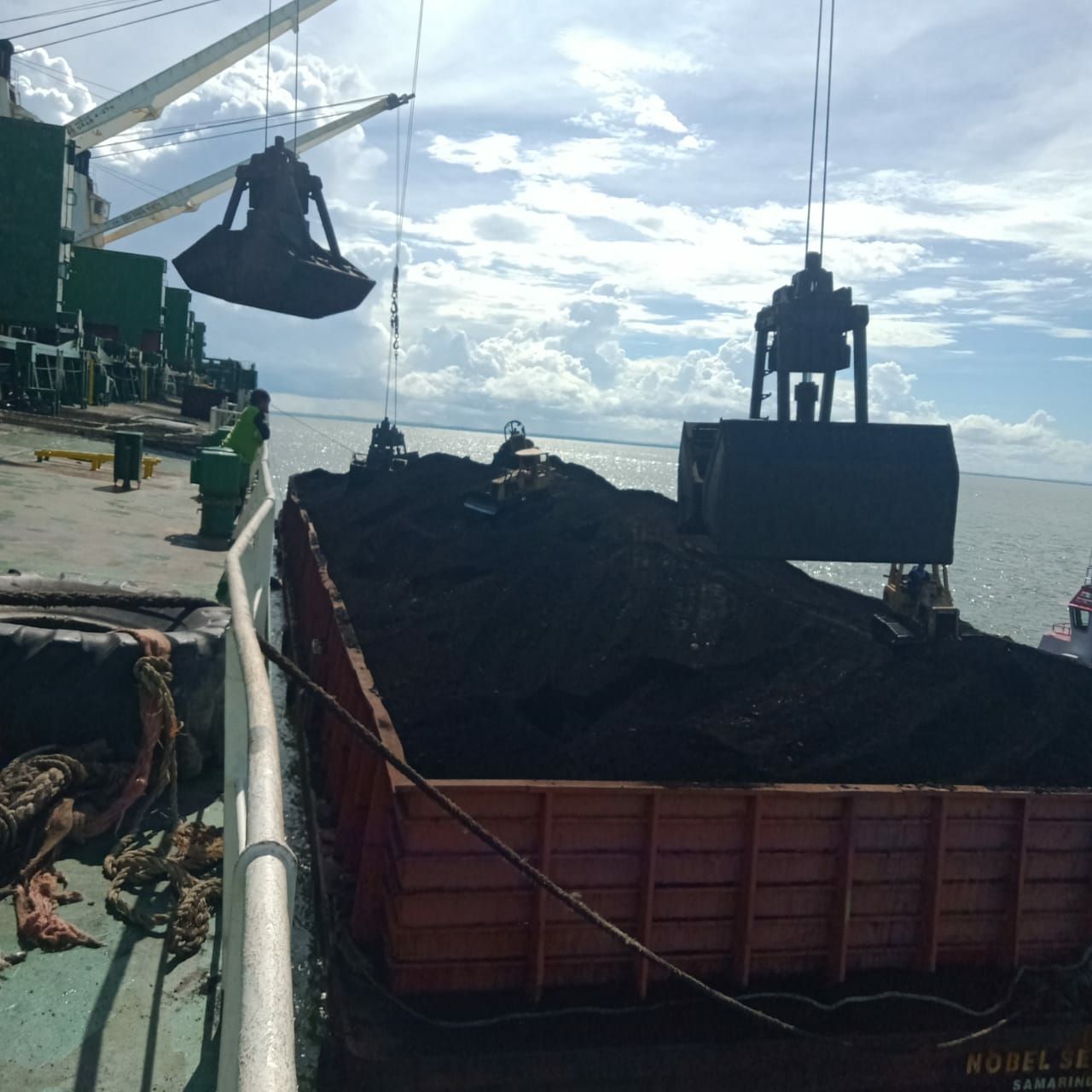
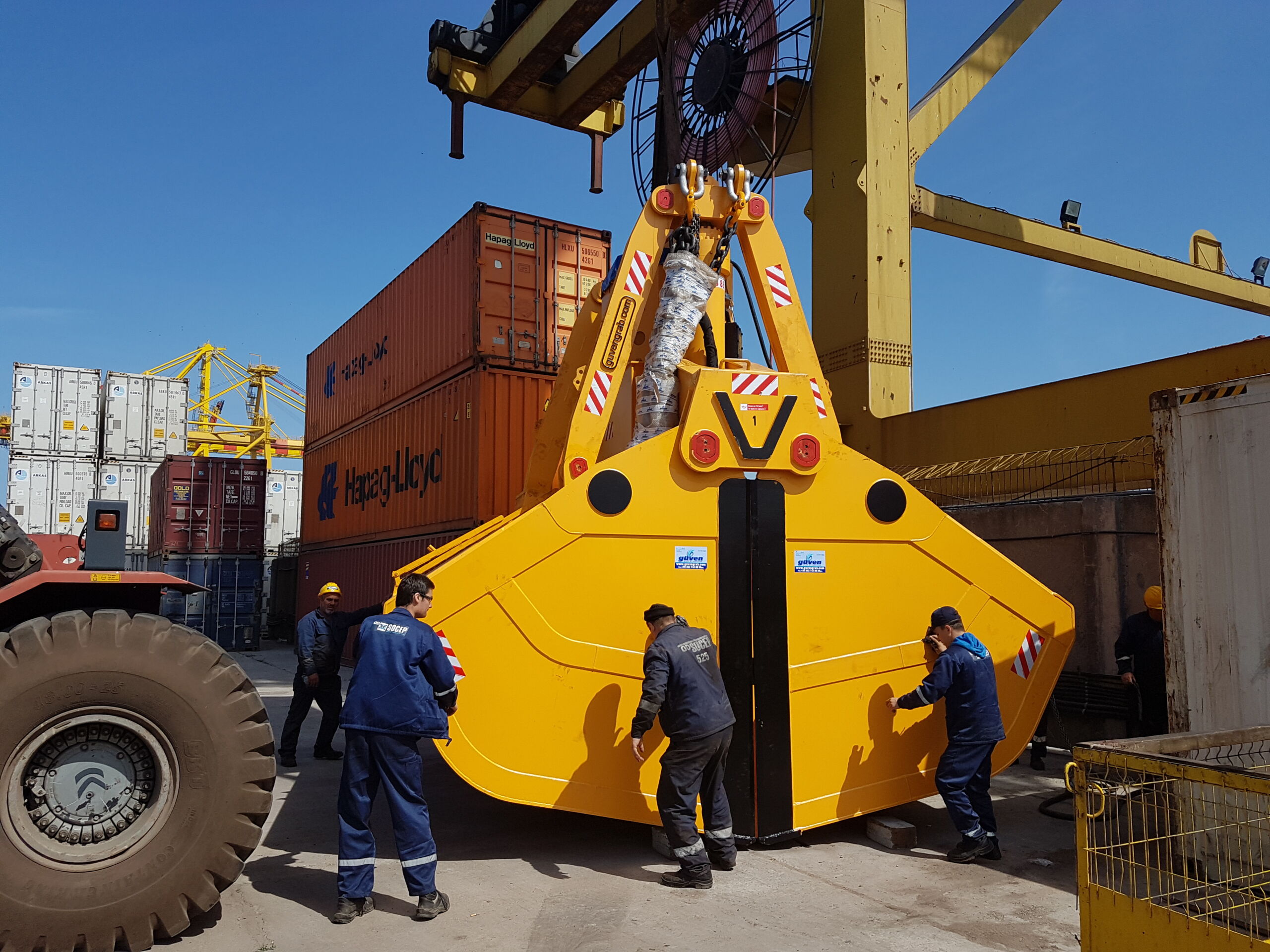
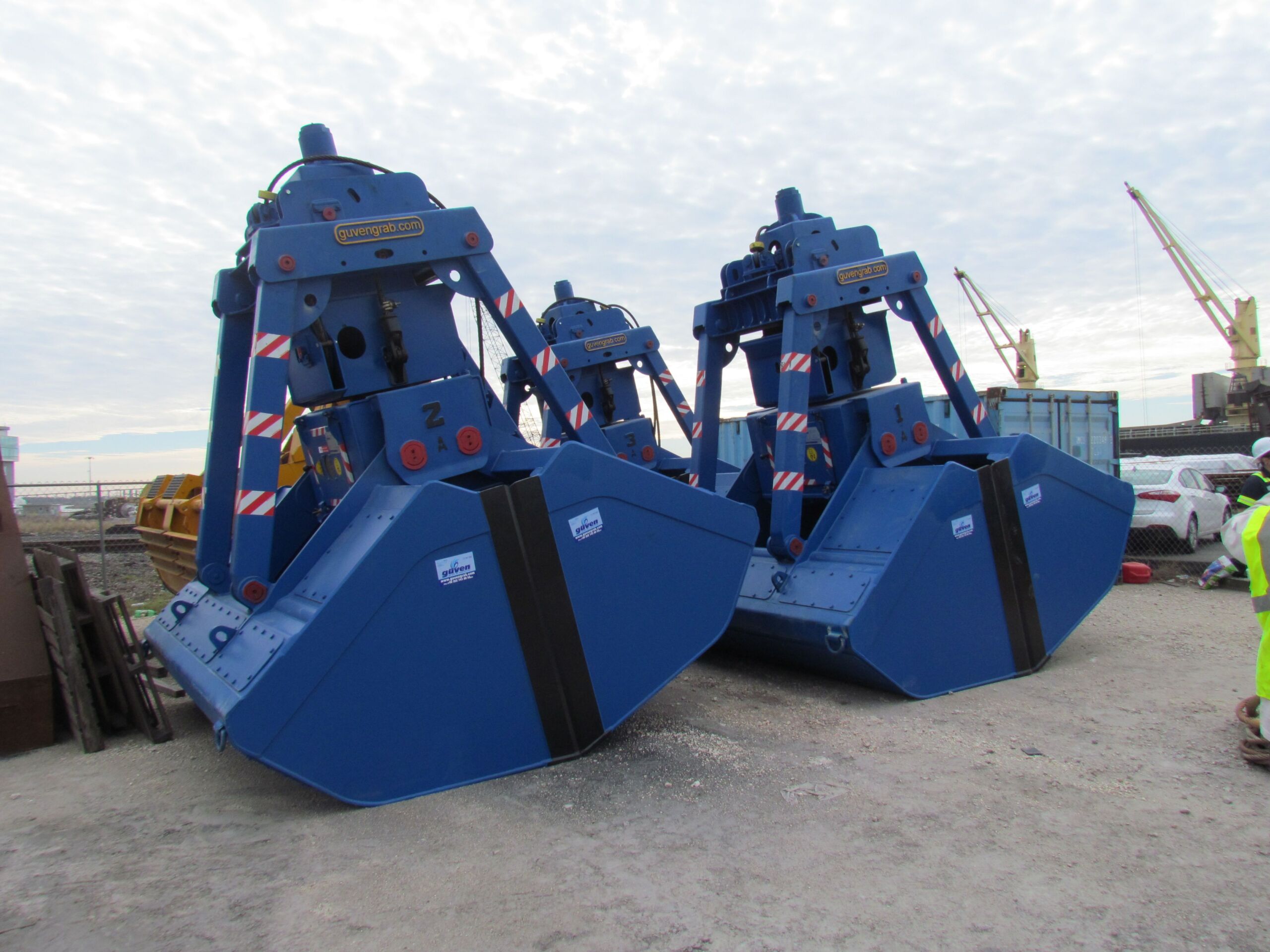
Equipment performance plays a direct role here. Cargo handling systems that operate without auxiliary power units, generators, or complex drum systems reduce setup time and minimize operational stoppages. Consistent cycle times and stable handling help vessels clear cargo faster, shortening terminal dwell time and reducing the risk of demurrage accumulation.
Negotiate With Shipping Lines
While operational discipline is critical, commercial negotiation still has a role. Long-term volume commitments, predictable cargo flows, and a track record of efficient port operations strengthen a company’s position when negotiating free time allowances, demurrage rates, or bundled service fees. Shipping lines are more willing to offer flexibility to customers who consistently minimize operational disruption.
Negotiation should be approached strategically, focusing on the charges that carry the highest financial risk rather than attempting to reduce every line item indiscriminately.
Understand Local Regulations
Each port operates within its own regulatory framework. Customs procedures, environmental rules, documentation standards, and port authority requirements vary widely by country and even by terminal. Misunderstanding local regulations often results in delayed clearance, repeated inspections, or administrative penalties.
Investing time in understanding port-specific requirements before vessel arrival reduces last-minute corrections and the costs associated with them. This knowledge becomes particularly valuable in ports with strict compliance enforcement or limited operational flexibility.
Use Technology And Equipment Efficiency
Technology and equipment selection influence port costs more than many operators realize. Digital documentation systems reduce errors and processing time, while real-time tracking improves coordination between vessel and shore teams. Equally important is the efficiency of cargo handling equipment.
Systems designed for continuous operation, minimal swing motion, and low maintenance demand enable faster, more predictable discharge cycles. Reduced downtime and stable handling not only improve safety but also shorten the time a vessel spends alongside, directly limiting exposure to storage, demurrage, and congestion-related charges.
Operational Efficiency As A Cost Control Lever
Port charges are often treated as administrative or financial line items, yet their true drivers are operational. Every additional hour spent at berth, every interrupted handling cycle, and every unplanned pause in cargo movement increases the probability of extra fees. For this reason, operational efficiency should be seen as one of the most powerful cost control mechanisms available to port users.
Efficient operations reduce uncertainty. When cargo flows are predictable and handling performance is consistent, terminals can allocate resources more effectively, vessels can adhere to planned schedules, and administrative processes remain aligned. This stability limits the conditions under which penalty-based charges arise.
Faster Handling Reduces Charge Exposure
Time is the common denominator behind many port charges. Storage, demurrage, detention, and congestion fees all escalate as time passes. Faster handling does not simply mean working at higher speed, but maintaining steady, uninterrupted cycles that allow cargo to be discharged or loaded within planned windows.
Handling systems that eliminate unnecessary setup processes and minimize swing motion contribute directly to this outcome. When operators can work without waiting for external power sources, drum systems, or frequent adjustments, overall cycle efficiency improves. The result is shorter berth occupancy, quicker container or bulk cargo release, and reduced exposure to time-based charges.
Equipment Reliability And Cost Predictability
Reliability is often undervalued when assessing port costs. Equipment failures rarely cause a single charge. Instead, they trigger a chain reaction that includes operational delays, extended labor hours, berth congestion, and administrative penalties. The financial impact of such disruptions frequently exceeds the visible repair cost.
Equipment designed for extended continuous operation, reinforced structural components, and reduced maintenance intervention supports predictable performance. When handling systems can operate for long periods without interruption, port operations remain aligned with schedules, and cost forecasting becomes more accurate. Predictability, in this context, is a financial advantage.
Frequently Asked Questions
What Is A Port Cost
A port cost represents the total financial impact associated with a vessel or cargo using port infrastructure and services. This includes direct charges such as terminal handling, port dues, and documentation fees, as well as indirect costs driven by operational delays, extended dwell time, or regulatory non-compliance. In practice, port cost is best understood as a combination of planned expenses and performance-based outcomes.
Who Pays Port Charges
Responsibility for port charges depends on contractual arrangements between shipowners, charterers, cargo owners, and logistics providers. Some charges are borne by the vessel operator, while others are passed on to cargo interests or shared among parties. Clear contractual definitions are essential, as ambiguity often leads to disputes and delayed payments, which can themselves trigger additional fees.
What Are Port Dues And Port Charges
Port dues are typically levied by port authorities for the use of basic infrastructure such as channels, berths, and navigational services. Port charges, by contrast, encompass a broader range of operational and administrative fees imposed by terminals, shipping lines, and service providers. While port dues are generally fixed and predictable, many port charges are conditional and influenced by operational performance.
What Is A Port Payment
A port payment refers to the settlement of multiple charges arising from a port call. Rather than a single invoice, port payments usually involve several entities, including port authorities, terminal operators, customs brokers, and shipping lines. Efficient coordination and accurate documentation help ensure that these payments are processed without delay or dispute.
How To Calculate Port Charges
Calculating port charges requires an understanding of vessel specifications, cargo type, handling method, expected dwell time, and local tariff structures. Accurate estimation also depends on realistic operational assumptions. Overlooking potential delays or regulatory requirements often leads to underestimation, resulting in budget overruns once the port call is complete.
Conclusion
Port charges are rarely the result of a single decision or isolated event. They emerge from the cumulative effect of planning accuracy, operational discipline, equipment performance, and regulatory awareness. While some port costs are fixed and unavoidable, many of the most expensive charges are triggered by delays, inefficiencies, and coordination gaps that can be controlled with the right approach.
For companies operating in ports, cost management does not start at the invoice stage. It begins with realistic scheduling, informed negotiation, and a clear understanding of local port dynamics. Just as importantly, it depends on operational reliability. Faster handling cycles, reduced downtime, and predictable performance directly limit exposure to time-based fees such as demurrage, storage, and congestion charges.
In an environment where margins are increasingly sensitive to operational execution, port charges should be treated as a performance metric rather than a static expense. Organizations that align their operational strategy with efficiency-focused equipment, disciplined processes, and data-driven planning consistently reduce cost volatility and strengthen their competitive position. The ability to avoid unnecessary port charges is not simply a financial advantage. It is a reflection of operational maturity and long-term resilience in global logistics operations.
Table of Contents