The Ultimate Guide To Ship-To-Ship Transfer (STS)
In the ever-evolving world of maritime logistics, Ship-To-Ship (STS) transfer operations have become an essential link in the global supply chain. Whether in the oil and gas sector, dry bulk handling, or offshore transshipment, STS operations allow vessels to transfer cargo safely, efficiently, and often far from crowded ports. This flexibility enables operators to save valuable port time, optimize routes, and respond swiftly to market demands.
Despite being routine for experienced crews, STS operations remain among the most technically complex and risk-sensitive maritime procedures. Each maneuver requires seamless coordination between two moving vessels, strict environmental compliance, and reliable cargo-handling equipment. A single oversight can result in operational delays, costly damage, or severe environmental consequences.
For this reason, understanding the structure, requirements, and risks of STS transfer operations is not just a procedural necessity it’s a strategic advantage. This comprehensive guide will explore the essentials of ship-to-ship transfer, from operation types and equipment requirements to safety practices and regulatory compliance.
What Is Ship-To-Ship Transfer
At its core, a Ship-To-Ship (STS) transfer refers to the direct transfer of cargo between two vessels positioned alongside each other at sea or at an anchorage. Instead of discharging cargo at a terminal, the delivering ship (often called the mother vessel) and the receiving ship (daughter vessel) are carefully maneuvered to enable cargo flow through specialized transfer hoses, arms, or grabs, depending on the cargo type.
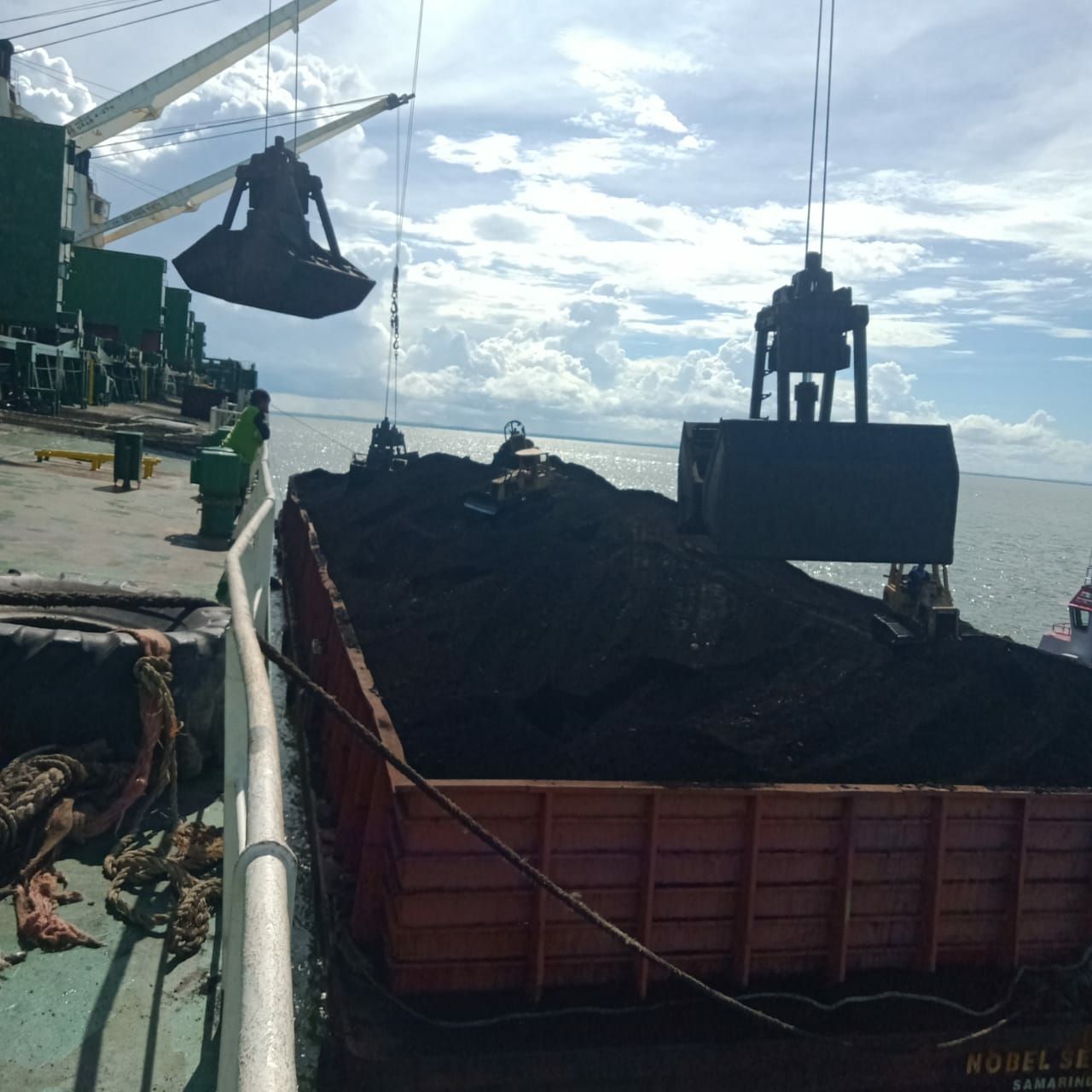
STS transfers are most commonly associated with liquid bulk cargoes such as crude oil, LNG, LPG, and refined petroleum products. However, they also apply to dry bulk materials -for example, coal, grain, and fertilizer- where grabs or mechanical systems handle the transfer between ships or barges. In both cases, the core principle is the same: efficient transfer without the need for a fixed port infrastructure.
In global shipping, STS transfers serve as an adaptable and cost-effective solution when port congestion, draft limitations, or political restrictions make terminal-based operations impractical. They bridge the gap between offshore loading areas and onshore demand centers, forming a vital part of the world’s energy and commodity flow.
Well-planned STS operations are conducted under international guidelines such as MARPOL Annex I and OCIMF’s Ship-to-Ship Transfer Guide, ensuring that every aspect -from mooring to hose connection- is managed with safety, precision, and environmental responsibility in mind.
Why Need Ship-To-Ship Cargo Transfer
The growing complexity of global trade has made Ship-To-Ship (STS) transfers more than just an operational convenience, they are now a strategic necessity in maritime logistics. These operations enable shipowners, charterers, and cargo operators to optimize routes, reduce turnaround times, and maintain continuity in cargo flow under challenging or restricted conditions.
One of the primary reasons for using STS transfers is port limitation. Many ports cannot accommodate Very Large Crude Carriers (VLCCs) or Capesize bulk carriers due to insufficient draft or infrastructure. STS operations allow these large vessels to offload cargo to smaller ships offshore, which then transport the material to port terminals, a process known as lightering.
Another key advantage is cost efficiency. By conducting transfers at sea or in sheltered anchorages, operators avoid high port charges, tugboat fees, and berth delays. This is particularly beneficial for oil majors, bulk cargo traders, and energy companies seeking to maximize vessel utilization.
In certain cases, emergency situations -such as damaged terminals, mechanical failures, or cargo contamination- make STS transfers the fastest and safest alternative for offloading or reloading cargo.
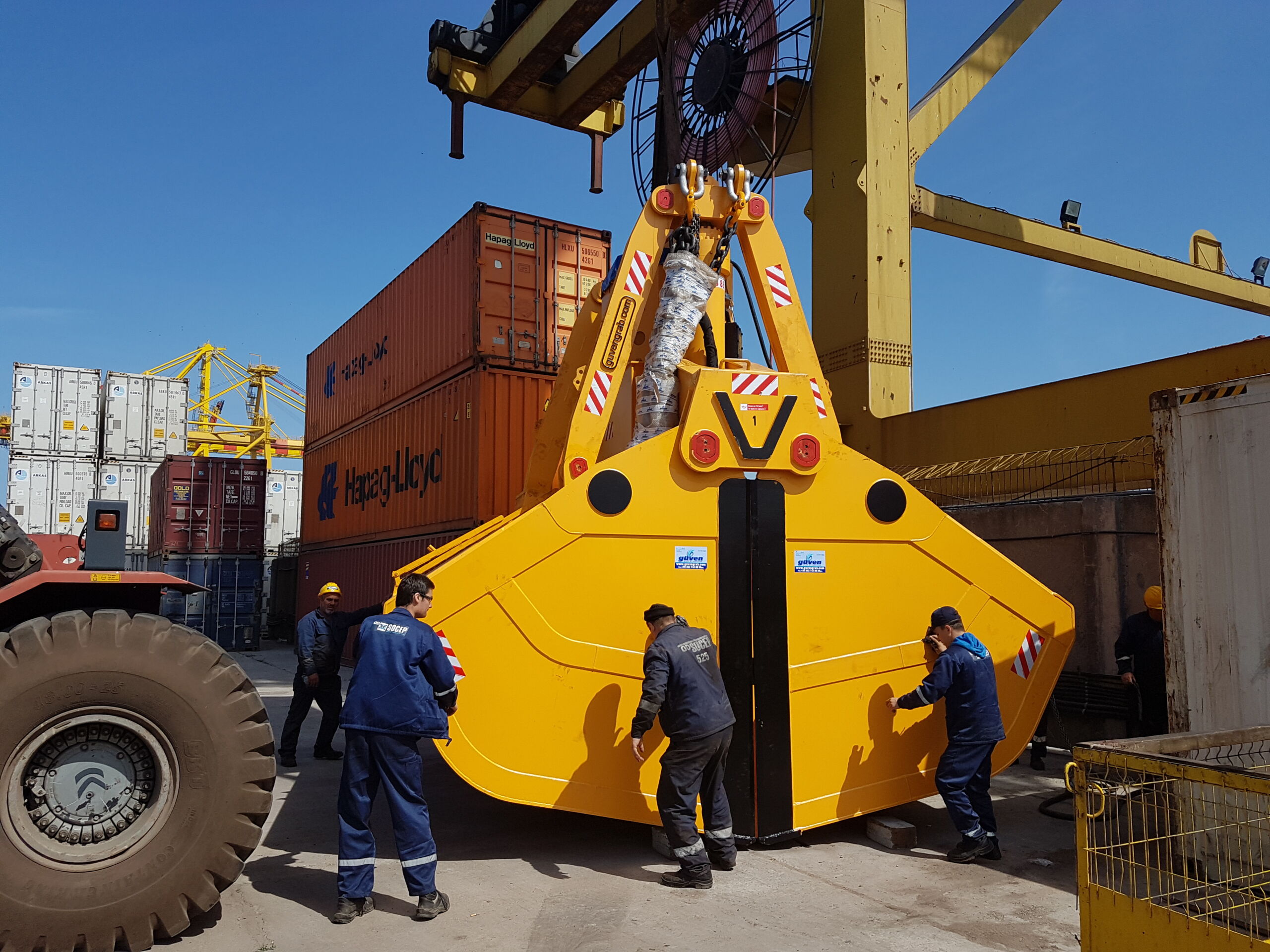
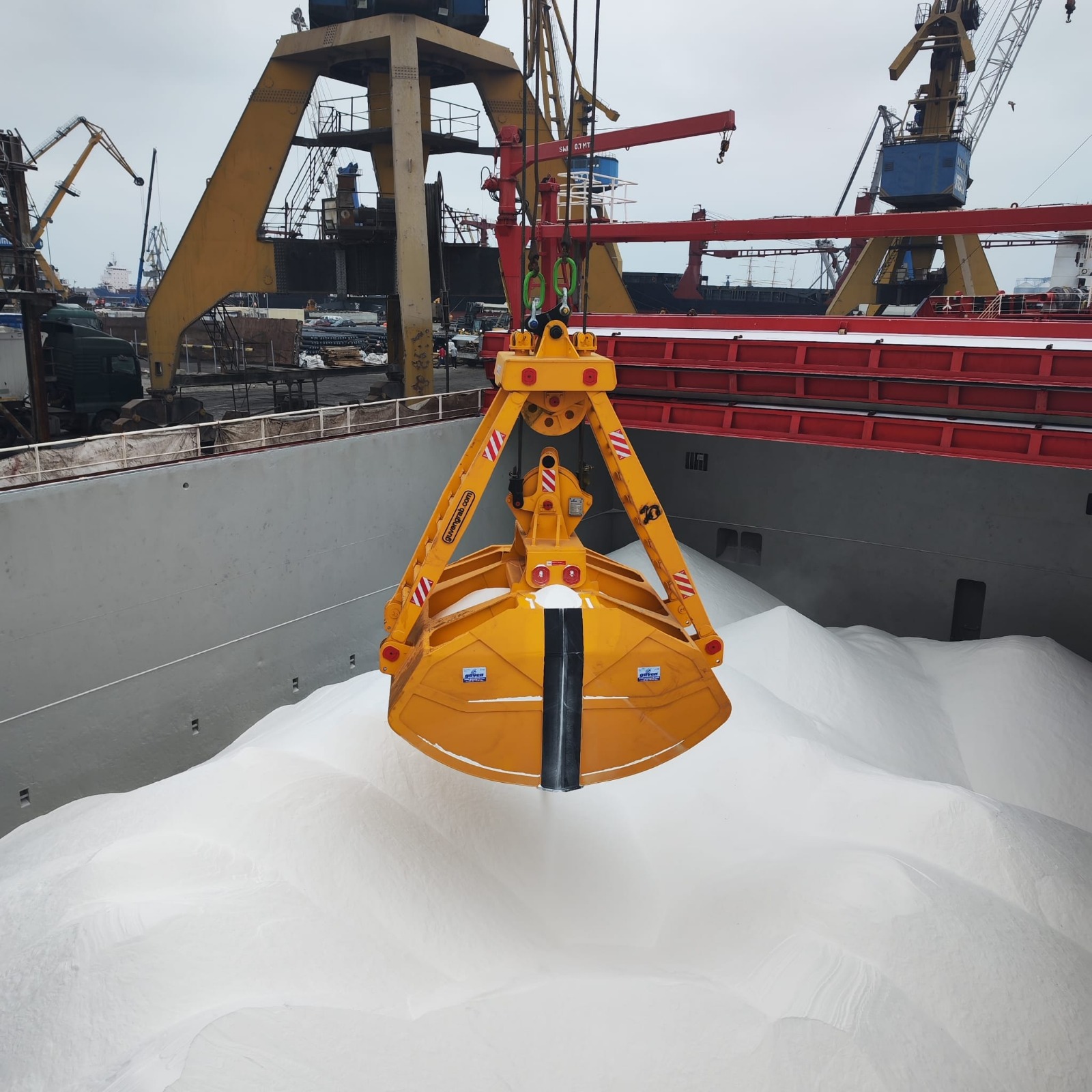
For dry bulk and industrial cargoes, specialized grabs, such as Güven Grab’s Radio Remote Control Grab or Hydraulic Grab models, enable precise, safe, and efficient transfer of materials like urea, coal, or grain between vessels. Their lightweight yet durable design minimizes swing motion and ensures consistent throughput even in variable sea states.
Ultimately, the decision to perform an STS operation is a balance between efficiency, safety, and compliance, all aimed at keeping trade flowing where conventional infrastructure falls short.
Types Of STS Operations
Ship-To-Ship transfer operations can vary significantly depending on the type of cargo, vessel configuration, and operational environment. Understanding these distinctions is crucial for choosing the right equipment, procedures, and safety protocols.
Oil And Petroleum Product Transfers
The most common form of STS operation involves the transfer of crude oil, refined fuels, or lubricants between tankers. These operations require specialized hoses, fenders, and pumping systems that ensure a controlled and spill-free flow of liquid cargo. Oil STS transfers often occur offshore near major shipping routes or in designated lightering zones close to port entrances.
Liquefied Gas Transfers (LNG And LPG)
These are among the most technically demanding STS operations due to the cryogenic temperatures and high pressures involved. Transfers of liquefied natural gas (LNG) or liquefied petroleum gas (LPG) require insulated hoses, precise temperature control, and continuous monitoring to prevent gas leaks or overpressure events. Such operations follow strict international guidelines, often supported by advanced automation and real-time data systems.
Dry Bulk Transfers
For commodities such as coal, iron ore, fertilizers, or grain, STS transfers rely on mechanical or hydraulic handling systems rather than hoses. Floating cranes equipped with high-capacity grabs -such as Güven Grab’s remote-controlled or hydraulic models- load or discharge materials between ships or barges. These systems are particularly effective in ports with limited infrastructure, enabling operations in anchorages or river mouths.
Lightering Operations
Lightering refers to the process of transferring a portion of cargo from a larger vessel to a smaller one to reduce draft before entering a port. Common in crude oil and dry bulk sectors, lightering allows the main vessel to continue its voyage with less downtime while ensuring compliance with draft restrictions in shallow waters.
Each STS operation type requires planning and coordination, especially when integrating different vessel designs, cargo types, and equipment systems. Successful execution depends not only on technical preparation but also on clear communication and disciplined operational control.
Transfer Area And Operational Environment
Choosing the right transfer area is one of the most decisive factors for a safe and efficient Ship-To-Ship (STS) operation. The environmental conditions, sea depth, and traffic density all influence how smoothly the operation proceeds, and how safely both vessels can maintain position alongside each other.
Selection Of STS Transfer Zones
STS operations typically take place in designated anchorages or sheltered offshore locations, approved by coastal or port authorities. These zones are carefully evaluated for their sea state, wind patterns, current behavior, and seabed characteristics. A calm sea with low wave height and minimal current is essential to minimize hull movement and mooring tension between vessels.
In many countries, maritime authorities issue pre-approved STS zones near major trade routes, often located 10-30 nautical miles offshore. These zones are monitored by Vessel Traffic Services (VTS) to ensure operational safety and traffic coordination.
Environmental And Navigational Factors
Environmental conditions can make or break an STS operation. High winds, heavy swell, or poor visibility can quickly escalate risks such as hose rupture, fender damage, or vessel contact. To mitigate these hazards, operations are typically restricted when wind speeds exceed 25-30 knots or wave height surpasses 2 meters.
Sea currents and tidal variations also play a crucial role. Even a mild cross-current can cause continuous yaw and sway between vessels, straining mooring lines and increasing the risk of collision. This is why dynamic positioning systems and tug assistance are often used in challenging conditions to maintain alignment.
Safety And Support Infrastructure
The presence of standby tugs, pilot boats, and emergency response units within the area ensures rapid reaction to unforeseen incidents. Many STS transfer areas also include floating cranes and handling systems to facilitate bulk material transfer with minimal downtime and equipment interference.
In summary, the operational environment determines the risk envelope of any STS transfer. Careful site selection, continuous weather monitoring, and equipment reliability form the foundation for a smooth and compliant operation.
STS Transfer Process
The Ship-To-Ship transfer process involves a carefully coordinated series of operations where precision and timing are critical. Every phase from vessel approach to disconnection requires strict adherence to procedures, effective communication between crews, and reliable equipment performance to ensure a safe, efficient cargo transfer.
1. Pre-Transfer Preparation
Before vessels come alongside, both parties conduct a pre-transfer meeting (PTM) to review the operational plan, safety protocols, and emergency procedures. This meeting typically covers weather forecasts, fender and mooring arrangements, cargo transfer rates, and communication channels. A Ship-To-Ship Transfer Plan (STS Plan) is drafted and approved by both masters, following OCIMF and MARPOL guidelines.
Both vessels verify readiness through checklists, ensuring mooring lines, fenders, hoses, and deck fittings are in proper condition. Equipment used in dry cargo operations such as remote control grabs or mechanical clamshells is also inspected to ensure hydraulic integrity, proper signal response, and secure attachment points.
2. Approach And Mooring
The receiving and delivering vessels approach each other at controlled speeds, maintaining parallel alignment. The receiving vessel (daughter) typically keeps position, while the delivering vessel (mother) maneuvers using engines and tugs. Fenders are deployed to prevent hull contact, and mooring lines are exchanged via heaving lines or small boats.
Once alongside, tension on each line is adjusted to maintain constant spacing as sea conditions change. In offshore operations, particularly those involving large bulk carriers, the stability of both vessels and the positioning of transfer equipment (grabs, cranes, hoses) are continuously monitored.
3. Connection And Cargo Transfer
When vessels are securely moored, cargo hoses or transfer arms are connected. In liquid cargo transfers, this step involves flushing lines and ensuring tight seals to prevent leaks. For dry cargo transfers, deck-mounted cranes equipped with Güven Grab’s hydraulic or remote-controlled grabs handle the cargo directly between holds offering minimal swing and zero spillage even under moderate swell conditions.
Cargo transfer begins gradually, allowing systems to stabilize before reaching full rate. Continuous monitoring of pressure, temperature, and alignment ensures operational safety. Both vessels record cargo flow data, and any deviation triggers an immediate slow-down or shutdown.
4. Completion And Disconnection
Once the agreed cargo volume is transferred, hoses or grabs are safely disconnected and inspected. The area is checked for leaks, residue, or damage. Mooring lines are released in a controlled order to prevent sudden strain, and both vessels conduct a post-operation review to record performance, safety observations, and improvement notes for future operations.
5. Documentation And Reporting
After completion, both masters sign the STS Operation Report, confirming transfer details such as volume, time, weather conditions, and safety remarks. This report is vital for port state control, insurance claims, and environmental compliance documentation.
Ultimately, a successful STS transfer is defined by high coordination, dependable equipment, and disciplined execution factors that directly determine efficiency, safety, and cost control in global cargo handling.
Ship-To-Ship Transfer Time
The duration of a Ship-To-Ship (STS) transfer varies widely depending on cargo type, transfer rate, vessel size, weather conditions, and operational efficiency. While it may seem like a straightforward process, the total transfer time is determined as much by planning and synchronization as by the actual cargo flow itself.
Average Duration Based On Cargo Type
In general, an oil or petroleum product transfer between medium-sized tankers can take anywhere between 12 to 24 hours, while LNG operations may require even longer due to the need for temperature stabilization and pressure control. Dry bulk transfers using floating cranes and grabs, depending on cargo density and crane capacity, can range from 8 to 36 hours for a full vessel load.
For example, a 35,000 DWT bulk carrier handling urea or grain through a Güven Grab remote control clamshell can complete operations in as little as one day when supported by stable sea conditions and well-trained crane operators. The grab’s efficient open-close cycle reduces idle time and increases hourly throughput significantly compared to conventional systems.
Factors Affecting Transfer Duration
Several operational elements influence total STS time:
- Weather Conditions: High winds and heavy swell can limit crane or hose operation speed.
- Mooring Efficiency: Improper tensioning or frequent line adjustments delay progress.
- Crew Coordination: Communication errors between bridge and deck crews can slow synchronization.
- Cargo Type And Viscosity: Heavier or more viscous liquids pump slower, while dry materials like coal or grain depend on grab capacity and hold arrangement.
- Equipment Condition: Worn-out hoses, damaged fenders, or malfunctioning hydraulic grabs all contribute to avoidable delays.
Efficiency Through Technology And Planning
By integrating real-time monitoring systems, modern STS operations can track cargo rates, fender loads, and mooring tension digitally enabling immediate response to inefficiencies. Likewise, using optimized handling equipment such as Güven Grab’s lightweight but durable designs ensures higher transfer efficiency per cycle, reducing total operation time without compromising safety.
In short, the key to minimizing STS transfer time lies in preparation, crew proficiency, and equipment reliability a trio that determines not just how fast cargo moves, but how consistently and safely it does so.
STS Equipment
Behind every successful Ship-To-Ship (STS) transfer lies a combination of specialized, high-performance equipment designed to ensure safety, stability, and operational efficiency. The type of equipment used depends largely on the cargo category -liquid, gas, or dry bulk- but in every case, durability, precision, and certification are paramount.
Hoses And Transfer Systems
For liquid cargoes such as crude oil, fuel, and chemicals, cargo hoses are the primary link between the two vessels. These hoses must be certified to international standards such as EN 1765 or OCIMF guidelines and regularly pressure-tested to prevent leaks. They are supported by hose handling cranes or davits that maintain optimal bend radius during operation, minimizing stress and wear. Quick-connect couplings and breakaway valves further enhance safety by isolating flow instantly in case of over-pressure or emergency disconnection.
Fenders And Mooring Systems
Pneumatic fenders are placed between the hulls of both ships to absorb kinetic energy during mooring and prevent direct contact damage. Their size and number are calculated based on vessel displacement and expected sea conditions. Complementing them are high-strength mooring ropes or synthetic lines that maintain parallel positioning through constant tension adjustments.
Some modern operations use automatic tension-controlled winches to keep mooring loads consistent even under changing swell conditions. This reduces manual intervention and improves safety during prolonged transfers.
Cargo Transfer Arms And Monitoring Tools
Where precision and automation are required such as in LNG or LPG transfers, operators use articulated transfer arms equipped with emergency release couplers and sensors. These systems allow for full control of flow rates, temperature, and pressure while minimizing the risk of human error. Real-time monitoring systems continuously log data on transfer speed, temperature, and hose integrity.
Bulk Handling Equipment
For dry cargo STS transfers, cranes, hoppers, and mechanical grabs are central to the operation. Floating cranes fitted with Güven Grab’s Hydraulic, Remote Control, or Mechanical Clamshell models provide reliable, low-maintenance solutions that handle high-density materials such as coal, clinker, or fertilizer with precision. Unlike traditional cable-driven grabs, Güven Grab systems operate without additional power units, generators, or drum systems allowing operators to work faster with reduced downtime and virtually zero swing motion. Their 400-hour continuous operation capacity and Hardox-reinforced shells ensure both endurance and cost efficiency.
Support And Safety Equipment
Beyond cargo gear, an STS operation also requires navigational lights, fender monitoring devices, oil spill kits, and gas detection systems. Firefighting equipment must remain active on both vessels, and standby tugs are typically required to remain alert throughout the operation.
Each of these systems contributes to one shared objective: ensuring that cargo moves seamlessly between vessels without compromising safety, environmental integrity, or operational timelines.
STS Risk Alert
Even with meticulous planning and advanced equipment, Ship-To-Ship (STS) transfers involve inherent risks that demand constant vigilance. Each operation exposes vessels, crews, and the environment to potential hazards from physical contact between ships to cargo leakage or regulatory non-compliance.
Understanding these risks and how to mitigate them is vital to maintaining safety and operational reliability.
Vessel Contact And Collision Risks
One of the most significant dangers in STS operations is vessel contact. Two large vessels positioned side by side are constantly subject to hydrodynamic forces, wind pressure, and wave motion. Even minor misalignment or mooring imbalance can cause fenders to over-compress, leading to hull scraping or collision damage.
To reduce this risk, captains rely on precise speed control, real-time communication, and continuous mooring adjustments. Advanced fender monitoring systems are also increasingly used to track compression rates in real time, allowing crews to act before physical damage occurs.
In dry cargo operations, floating cranes and deck-mounted grabs must maintain exact positioning throughout the transfer. Güven Grab’s lightweight designs and balanced center of gravity minimize swing and impact risks even under moderate sea movement, contributing to overall vessel stability.
Hose Integrity And Handling Risks
Cargo hoses are critical to the success and safety of any liquid STS transfer. A single rupture or connection failure can cause major oil spills or cargo loss, leading to severe environmental and financial consequences.
To prevent this, operators must ensure that hoses are pressure-tested, properly supported, and equipped with breakaway couplings. During dry cargo operations, equivalent vigilance applies to hydraulic hoses and connectors on grab systems ensuring no fluid leaks or connection weaknesses that might compromise load control or cause environmental contamination.
Environmental Risks
The environmental impact of a failed STS operation can be catastrophic. Oil spills, gas leaks, or dry cargo dust emissions can affect marine ecosystems and violate international regulations such as MARPOL and OPRC.
Mitigation measures include the deployment of oil containment booms, on-deck absorbent materials, and emergency shutoff valves. In bulk cargo operations, dust suppression systems and sealed grab designs -like those integrated in Güven Grab’s models- play an equally crucial role in protecting local marine and air quality.
Fender And Mooring Equipment Risks
Improper fender size, incorrect positioning, or aging mooring lines can jeopardize vessel safety. Excessive tension or misaligned loads lead to line failure or fender rupture, which can cause vessels to collide unexpectedly.
Routine inspection, proper fender inflation, and synthetic mooring lines with high elasticity greatly reduce such risks. Many operators now adopt digital mooring load monitoring systems to alert crews before failure thresholds are reached.
Personnel Safety Risks
Human error remains one of the top causes of incidents during STS operations. Risks include falls, hose whip injuries, static discharge, and exposure to hazardous vapors or cargo dust. Every crew member involved in the operation must receive proper STS-specific safety training and wear personal protective equipment (PPE) such as helmets, goggles, gloves, and life vests.
In bulk handling environments, strict exclusion zones should be established beneath working cranes and grabs to prevent injuries from dropped loads or swinging equipment.
Regulatory And Planning Risks
Failure to comply with local or international regulations can halt an entire STS operation and result in heavy fines or vessel detention. Authorities such as the IMO, OCIMF, and local maritime administrations enforce detailed rules on documentation, notification procedures, and environmental safeguards.
Operators must prepare an approved STS Plan, conduct risk assessments, and ensure all vessels hold valid certificates for fenders, hoses, and mooring systems. Proper planning minimizes uncertainty and ensures a smoother interface between flag states, port authorities, and operational crews.
What Is Dark STS Transfers
While legitimate Ship-To-Ship (STS) operations follow strict international procedures and are reported to maritime authorities, a growing concern within the industry is the rise of dark STS transfers. These are unauthorized or deliberately concealed operations carried out to evade sanctions, hide cargo origins, or manipulate trade routes often involving vessels engaged in oil, fuel, or other high-value commodity transport.
Definition And Characteristics
A dark STS transfer occurs when one or both vessels involved intentionally disable their Automatic Identification System (AIS) or falsify positional data during cargo transfer. This makes the operation invisible to global monitoring networks such as AIS trackers, port state controls, and satellite surveillance systems. These operations are often conducted in remote, unregulated waters far from major shipping lanes or STS-approved anchorages.
Risks And Consequences
Engaging in dark STS transfers carries severe legal, environmental, and reputational risks. Without regulatory oversight, the probability of oil spills, unsafe mooring, or equipment failure increases dramatically. Additionally, companies involved may face sanctions, blacklisting, or criminal prosecution under international maritime law.
In recent years, authorities such as the International Maritime Organization (IMO) and United Nations (UN) have intensified efforts to monitor these activities using satellite imagery and AIS anomaly detection algorithms.
Even unintentional participation such as chartering a vessel later found to be engaged in dark operations, can result in significant compliance issues for operators, insurers, and financiers.
Why Compliance Matters
For reputable maritime operators, maintaining transparency is non-negotiable. Ensuring AIS is continuously active, recording accurate coordinates, and filing pre- and post-transfer notifications with local authorities are essential safeguards. Companies that prioritize lawful, traceable operations demonstrate reliability, protect their crews and cargo, and strengthen long-term business partnerships.
In this context, dark STS transfers represent not just a regulatory breach, but a serious threat to industry credibility and global maritime safety. Responsible operators view compliance not as a burden, but as a competitive advantage in sustaining trust and operational continuity.
Double Banking
Double banking is a specialized form of alongside operation where two ships are moored together at a quay or berth, allowing simultaneous loading, discharging, or cargo transfer activities. While similar in setup to a Ship-To-Ship (STS) transfer, double banking typically occurs within port limits rather than in open waters or anchorages.
How Double Banking Works
In a double banking operation, one vessel is already secured to the berth (known as the inboard ship), while another vessel (outboard ship) moors alongside it. The two vessels are connected using mooring lines and protected by fenders placed between their hulls.
Cargo can be transferred either:
- Between the ships directly (ship-to-ship), or
- From shore facilities to both ships at once via extended hoses, pipelines, or loading arms.
This configuration maximizes berth utilization especially in busy terminals or ports with limited berthing space and reduces waiting time for vessels requiring quick turnaround.
Advantages Of Double Banking
Double banking significantly increases operational flexibility and throughput. For instance, oil terminals can discharge crude from a large mother vessel to an inboard ship while loading refined products onto the outboard one. Similarly, dry bulk terminals may use floating cranes and grabs -such as Güven Grab’s hydraulic and remote-control systems- to unload material from one ship while loading another. The grab’s controlled swing and efficient cycle time make it ideal for such constrained workspaces, where precision and safety are essential.
Safety Considerations
Although performed within sheltered areas, double banking presents several challenges similar to open-sea STS operations:
- Hydrodynamic interaction: Passing ships or tidal currents can cause movement between vessels, stressing mooring lines.
- Structural limits: Overloading fenders or misaligned mooring points can damage the hull or deck fittings.
- Crew coordination: Clear communication between both ships and terminal operators is essential to prevent accidental hose tensioning or unbalanced cargo flow.
Terminals typically require detailed risk assessments and safety checklists before approving double banking. All mooring and fendering arrangements must meet the terminal’s published guidelines and international best practices such as those in the OCIMF Mooring Equipment Guidelines.
In essence, double banking is an intelligent solution to maximize port efficiency but only when executed with the same discipline, preparation, and equipment reliability that define every successful STS transfer.
STS Requirements And Best Practices
Every Ship-To-Ship (STS) transfer operation must comply with a well-defined framework of international, national, and company-level regulations. These standards exist not only to prevent environmental accidents but also to ensure the safety of vessels, crews, and cargo. By aligning with these best practices, operators demonstrate both technical competence and professional reliability.
Regulatory Framework And Compliance
The foundation of all STS operations lies in compliance with global maritime regulations. The most critical among them include:
- MARPOL Annex I – Regulation 41: Governs oil transfers between ships and mandates pre-approval by the flag state or port authority.
- OCIMF’s Ship-To-Ship Transfer Guide: Defines technical parameters, mooring guidelines, and communication standards for both liquid and dry cargo operations.
- IMO MEPC.186(59): Outlines environmental control procedures and reporting requirements for offshore transfers.
- SOLAS Chapter V: Emphasizes safety of navigation and communication during STS operations.
Each vessel must maintain a valid STS Operations Plan, approved by its flag administration, detailing procedures for risk assessment, crew training, and emergency response.
Pre-Operation Planning And Documentation
A well-prepared STS operation begins long before the vessels meet at sea. Operators must complete and exchange:
- STS Checklists (Pre, During, and Post-Transfer)
- Risk Assessment Reports
- Cargo Compatibility Documentation
- Mooring and Fender Plans
- Communication Protocols
These documents ensure that every crew member understands the operational sequence and safety expectations. Clear documentation also protects operators from liability in the event of a dispute or incident.
Operational Best Practices
The following practices are widely recognized as essential for safe, efficient STS transfers:
- Weather Monitoring: Postpone operations during high winds, rough seas, or low visibility.
- Effective Communication: Maintain constant radio contact between both vessels and support tugs using pre-agreed channels.
- Mooring Management: Adjust line tension regularly to account for changes in sea state or vessel movement.
- Hose And Grab Inspection: Verify mechanical integrity before and during use. In dry cargo operations, ensure that remote control grabs and hydraulic systems are fully responsive before commencing transfer.
- Emergency Preparedness: Keep firefighting systems, spill kits, and quick-release mechanisms on standby throughout the transfer.
Training And Competence
Crew training is a cornerstone of safe STS operations. All personnel involved should be certified in:
- Mooring and fender handling procedures
- Spill prevention and containment
- Cargo transfer system operation
- Emergency communication and response drills
Companies that invest in training and simulation programs not only reduce operational incidents but also improve their credibility with clients and regulators.
Integration Of Reliable Equipment
Modern STS best practices also emphasize equipment reliability. Operators increasingly rely on proven, low-maintenance solutions such as Güven Grab’s hydraulic and remote-controlled systems known for their ability to operate for 400 continuous hours without external power or generator support. Their balanced, zero-shock design minimizes vessel sway, directly improving overall transfer safety.
Ultimately, adhering to these best practices transforms an STS operation from a procedural task into a demonstration of operational excellence where safety, precision, and efficiency align with every move at sea.
Ship-To-Ship Transfer Checklist
A well-structured checklist is the backbone of every Ship-To-Ship (STS) transfer, ensuring that no critical safety or procedural step is overlooked. It provides a shared operational roadmap for both vessels, aligning communication, equipment readiness, and environmental precautions before, during, and after the transfer.
| Phase | Checklist Item | Description / Key Actions |
|---|---|---|
| Pre-Transfer | Weather And Sea Condition Assessment | Verify wind speed, swell height, and visibility meet safety limits. Suspend operations if thresholds are exceeded. |
| Fender And Mooring Arrangement | Inspect fenders for pressure, placement, and symmetry. Ensure mooring lines are of adequate strength and tensioned evenly. | |
| Equipment Readiness | Check hoses, couplings, grabs, and cranes for leaks, wear, and full functionality. Confirm emergency release systems are operational. | |
| Communication Test | Establish VHF radio channels between both vessels and confirm continuous bridge-to-bridge communication. | |
| Safety And Emergency Briefing | Conduct a pre-operation meeting covering signals, shutdown procedures, and personnel responsibilities. | |
| Documentation | Approve STS Plan, Risk Assessment, and Notification to Authorities (where required). | |
| During Transfer | Monitoring Of Mooring Lines | Adjust line tension continuously to maintain even spacing and prevent hull contact. |
| Hose Pressure And Flow Monitoring | Observe gauges and alarm systems for abnormal fluctuations. Stop transfer immediately if leaks occur. | |
| Environmental Protection | Deploy oil booms (liquid cargo) or dust control systems (dry bulk). Keep spill kits and firefighting equipment ready. | |
| Crew Safety | Enforce restricted zones around transfer equipment. All crew must wear PPE including gloves, goggles, and lifejackets. | |
| Communication Continuity | Maintain radio watch at all times and log operational milestones and any deviations. | |
| Post-Transfer | Disconnection And Inspection | Securely drain hoses, close valves, and clean manifolds. Inspect for residue or mechanical damage. |
| Equipment Recovery | Retrieve fenders and lines in a controlled order. Ensure grabs or cranes are parked and hydraulics depressurized. | |
| Documentation And Reporting | Complete STS Operation Report, including cargo volume, start/stop times, and weather conditions. | |
| Environmental Check | Verify no spills, leaks, or cargo remnants are left in the surrounding area. | |
| Debriefing And Review | Conduct a joint meeting to assess performance, record lessons learned, and identify improvement actions. |
By consistently applying this checklist, operators can maintain full situational awareness and compliance from start to finish. In modern STS operations, especially in dry bulk cargo handling, equipment like Güven Grab’s Radio Remote Control or Hydraulic Grabs significantly simplifies many of these checks by minimizing moving components, preventing swing motion, and enabling faster pre-use verification.
Coming Ashore During STS Operations
Although Ship-To-Ship (STS) transfers are often conducted close to coastal areas or port limits, the ability of crew members to come ashore during or after the operation is governed by strict safety, security, and regulatory procedures. Many maritime professionals underestimate how tightly controlled this aspect is especially during ongoing transfer or mooring operations where crew presence on deck remains essential.
Operational Responsibility And Watchkeeping
During an STS transfer, both vessels must maintain a minimum safe manning level on board. Key personnel such as the Master, Chief Officer, Pumpman (or Crane Operator in dry bulk operations), and deck crew, must stay available throughout the operation. Leaving the vessel before transfer completion or mooring line release is generally prohibited.
For example, in a dry cargo STS transfer using floating cranes or Güven Grab hydraulic grabs, operators must continuously monitor grab pressure, hydraulic line temperature, and remote signal integrity. Any absence from duty during this phase could lead to mechanical or operational failure, which could escalate into a safety hazard.
Customs, Immigration, And Port State Rules
Even if the STS operation occurs within a port’s anchorage, coming ashore requires explicit permission from port authorities or customs. Crew members must carry valid shore passes, seafarer’s identification documents, and in some cases, health declarations. During offshore STS transfers, especially those beyond territorial waters, coming ashore is not feasible until the vessel re-enters a designated port area or pilot boarding zone.
In post-operation scenarios where one of the vessels proceeds to port, only then can crew changes, medical visits, or shore leave be arranged through the ship’s agent.
Safety And Fatigue Management
Another reason for restricting shore access during STS operations is crew fatigue management. Operations can extend for 12 to 36 hours, often overnight, requiring continuous attention from multiple watch teams. Allowing shore leave prematurely could compromise safety monitoring and slow emergency response if conditions deteriorate.
To manage fatigue effectively, operators are advised to organize rotational rest periods once the operation concludes, ensuring that critical crew positions are manned until the vessel departs the transfer zone.
In essence, coming ashore during STS operations is highly restricted not as a form of discipline, but as a necessity for safety, regulatory compliance, and operational readiness. The professionalism of an STS crew is measured by how well they maintain focus and communication under continuous workload, ensuring that both vessels remain secure, aligned, and incident-free throughout the operation.
Conclusion
Ship-To-Ship (STS) transfer operations represent the intersection of maritime precision, technical expertise, and logistical efficiency. What may appear from a distance as a simple side-by-side transfer is, in reality, a highly orchestrated procedure governed by rigorous standards, specialized equipment, and disciplined coordination between crews.
From selecting the right transfer area and choosing reliable equipment to managing risks and maintaining compliance, every stage contributes to the overall safety and efficiency of global cargo movement. Whether the operation involves petroleum products, LNG, or dry bulk materials such as coal, fertilizer, or grain, success depends on the same principles: preparation, communication, and equipment reliability.
In this context, the role of advanced technology and engineering cannot be overstated. Equipment like Güven Grab’s Radio Remote Control and Hydraulic Grabs enhance operational performance by reducing cycle times, preventing swing motion, and ensuring long-term mechanical integrity. These innovations not only improve handling efficiency but also align with the industry’s growing demand for sustainability and safety in offshore logistics.
As global maritime trade continues to expand, the importance of well-executed STS transfers will only increase. Operators who invest in training, compliance, and dependable technology will remain at the forefront of efficiency and reliability delivering cargo safely, on time, and with full environmental responsibility.
A successful STS operation, in the end, is not defined by how fast it’s completed, but by how safely every element works togetherfrom the bridge to the deck, from the mooring lines to the grab itself.
Table of Contents