What To Know About Custom Crane Grabs 9 Key Questions
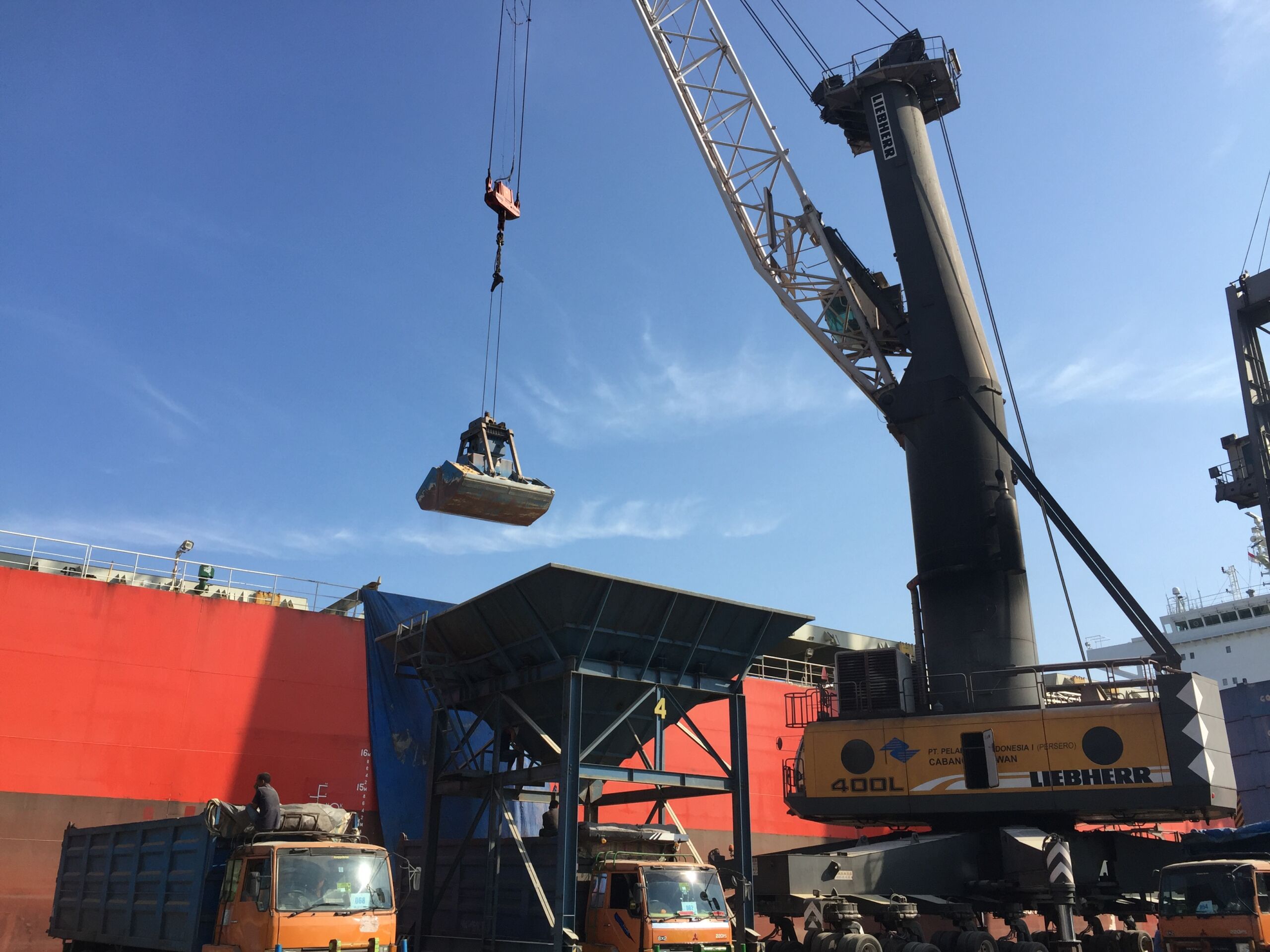
In today’s port operations and shipping environments, the performance of a crane grab is more than a technical detail. It is a decisive factor in productivity, cost efficiency, and safety. A poorly matched grab can cause delays, unnecessary maintenance, or even damage to valuable cargo. On the other hand, a custom-engineered grab that fits both the crane and the cargo creates a smoother, faster, and more reliable operation.
For ship cranes and terminal equipment, one-size-fits-all rarely delivers the expected results. Every operation has unique requirements: from the density of the handled material to the daily duty cycle of the crane. This is why defining the right specifications before purchasing a custom crane grab is critical. The following nine questions provide a practical framework for making the right decision and ensuring long-term operational value.
What Type Of Grab Is Needed
The first step in selecting a custom crane grab is determining the right model for the intended operation. Grabs are not universal tools; each design is engineered to perform best under specific conditions. Choosing incorrectly can result in wasted energy, reduced efficiency, or accelerated wear on both the crane and the grab.
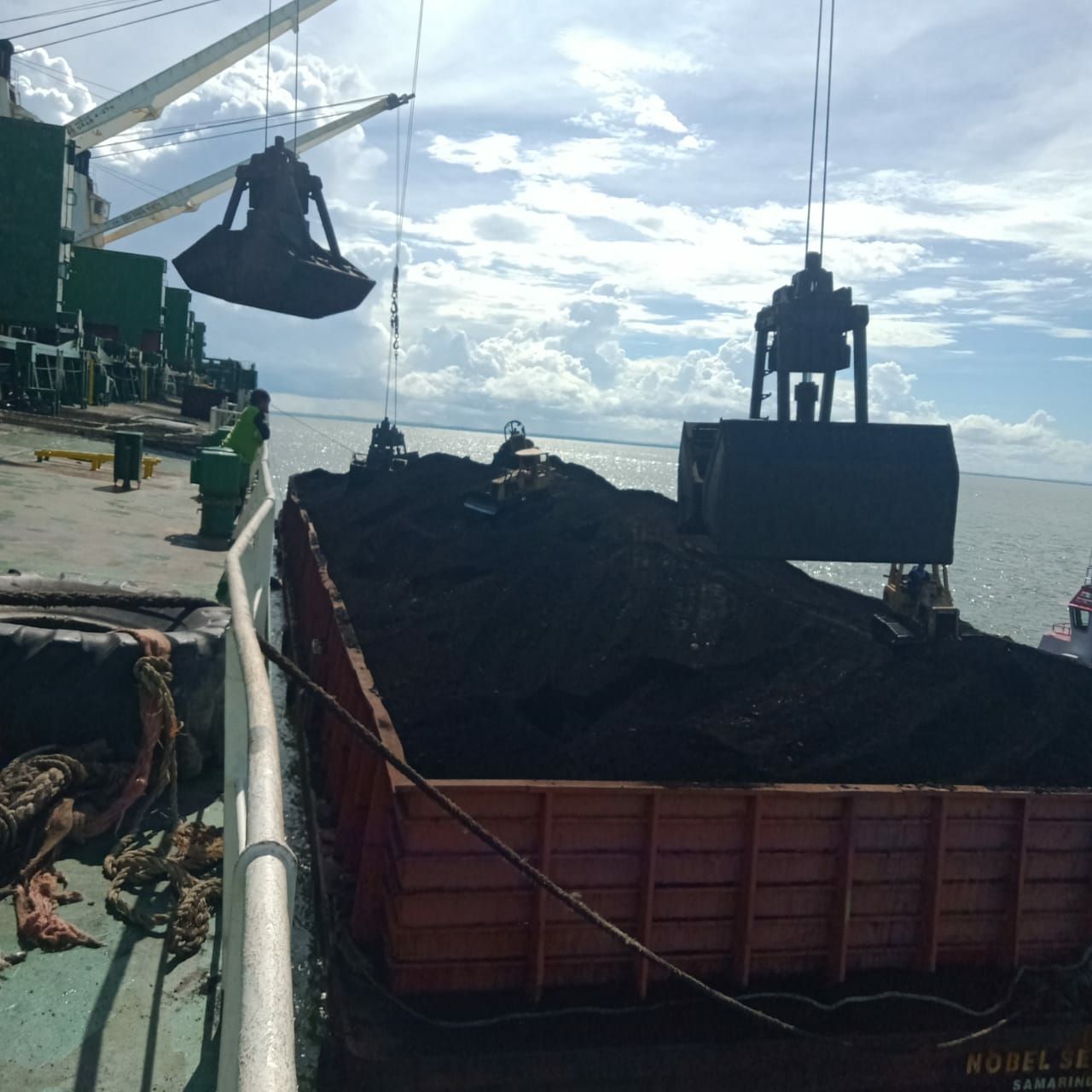
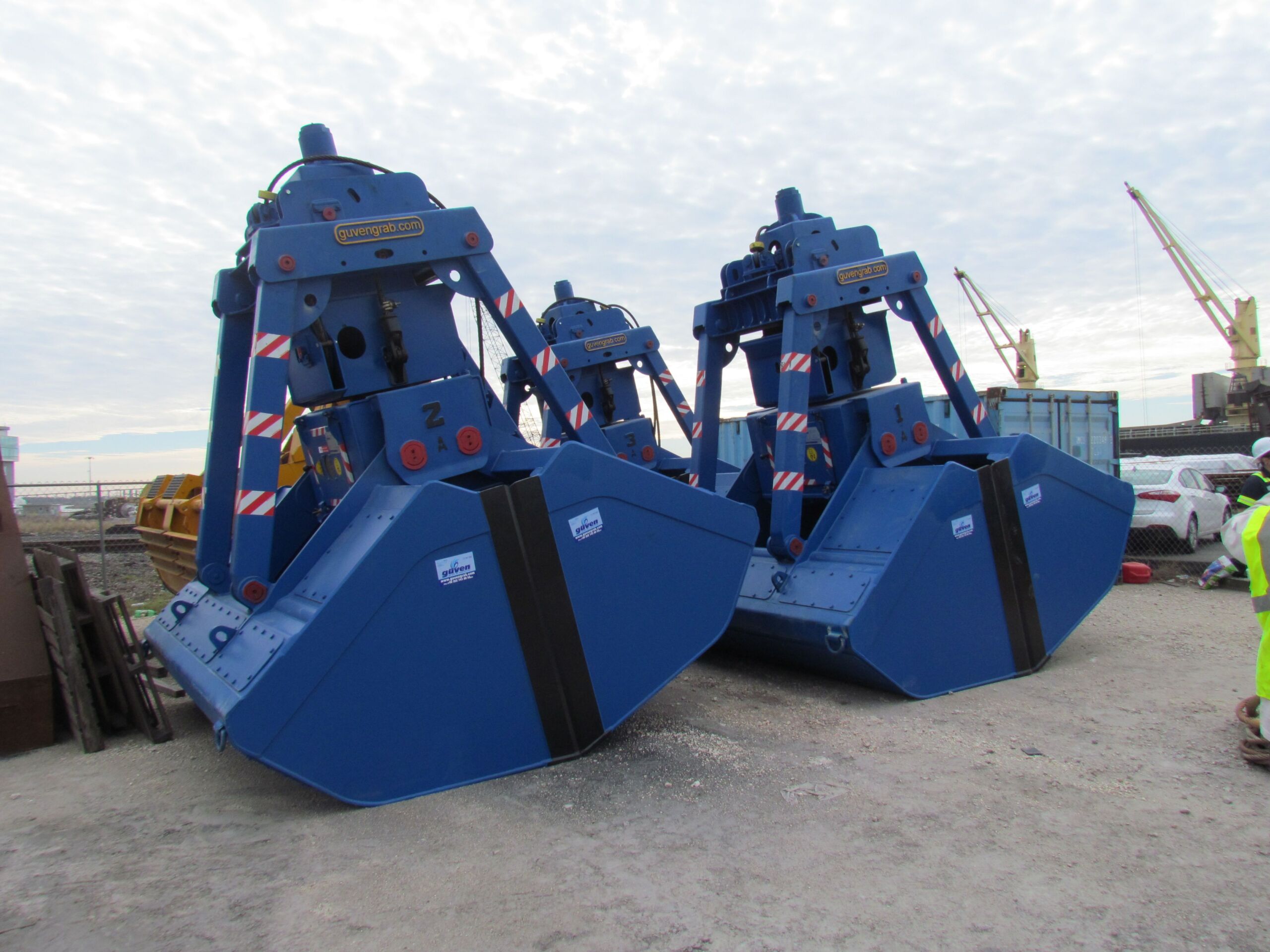
Clamshell grabs are widely used for bulk cargoes such as grain, coal, or fertilizers. Their two-jaw design allows for clean, efficient loading and unloading, especially in ship-to-shore operations. Orange peel grabs, often called “polyp grabs,” are better suited for irregular materials like scrap, steel, or waste because their multi-jaw structure provides a secure grip on uneven loads. For timber handling, log grabs with specialized arms ensure stability and cycle speed. Meanwhile, radio remote control grabs have become a standard for bulk carriers, offering the flexibility of operation without requiring additional power cables or generators.
The choice of grab type depends on the crane in use as much as on the cargo itself. A mobile harbor crane, for instance, may benefit from the versatility of electro-hydraulic grabs, while a ship crane might require a lighter radio remote grab to avoid reducing lifting capacity. By aligning grab type with crane capability and cargo properties, operators ensure maximum performance and safety across daily cycles.
Where Will The Grab Be Installed
The operational environment of a crane grab dictates not only its design but also its long-term reliability. A grab used on a ship crane faces very different challenges compared to one installed on a mobile harbor crane or a shore-based port crane. Understanding these distinctions is key to ensuring that the grab integrates seamlessly with the equipment and meets performance expectations.
Ship cranes, for example, have stricter weight limitations. A grab that is too heavy reduces the effective lifting capacity of the crane and can slow down loading and unloading cycles. This is why radio remote control grabs, with their self-contained systems and lighter build, are often preferred on bulk carriers. In contrast, port cranes and mobile harbor cranes have greater lifting power and can support electro-hydraulic grabs, which are heavier but deliver higher closing force and precision handling.
The physical setting also influences design. Grabs operating at sea must cope with constant movement, vibration, and limited storage space on deck, while port-based grabs can be larger, more specialized, and stored securely between shifts. Environmental conditions such as saltwater exposure, humidity, or dust concentration further determine the level of sealing, reinforcement, and corrosion protection required.
Selecting the right grab for the right installation environment ensures that operational efficiency is not compromised and that equipment lifespan is maximized.
How Will The Grab Be Powered
Power supply is one of the most decisive factors in grab selection, as it directly impacts operational efficiency, maintenance requirements, and compatibility with existing cranes. A grab that is not matched to the crane’s power setup can cause delays, safety risks, or high maintenance costs.
Hydraulic grabs are powered by a hydraulic system connected to the crane, delivering strong closing forces and reliable performance. They are often chosen for handling dense bulk cargoes in high-capacity port operations. Electro-hydraulic grabs take this further by integrating an electric motor and pump inside the grab itself, enabling precise control and high duty cycles, though at the cost of higher weight and reliance on electrical supply.
Mechanical grabs operate through wire rope systems and are valued for their simplicity and robustness. They are often preferred in environments where power connections are limited or where cranes are designed for rope-based lifting. Finally, radio remote control grabs represent a modern solution, especially for bulk carriers. These grabs require no external power cables, no additional drum systems, and no generator. The entire operation is managed via a battery-powered remote system. This makes them particularly attractive for ship cranes, where space and weight constraints matter most.
The choice of power method must balance crane capacity, energy infrastructure, and the specific materials being handled. Selecting the right power system is not only about functionality but also about minimizing downtime and long-term operating costs.
What Materials Will The Grab Handle
No factor influences grab design more directly than the type of material being handled. Cargo characteristics determine not only the jaw shape but also the reinforcement, wear resistance, and sealing systems required for long-term performance.
For uniform and free-flowing materials such as grain, fertilizer, or coal, clamshell grabs are the standard choice. Their clean opening and closing action minimizes spillage while maximizing loading speed. When it comes to irregular and abrasive materials like steel scrap or waste, orange peel grabs with four or five tines deliver the grip and penetration power needed to secure uneven loads. For forestry applications, log grabs are engineered with curved arms that stabilize timber during lifting and stacking operations.
The operational consequences of using the wrong grab for the material can be severe. A bulk cargo grab used for scrap, for example, may suffer rapid structural wear, while a polyp grab used for grain may reduce handling efficiency and increase cycle times.
This is why careful matching of grab design to the specific material is essential. By defining cargo type at the outset, operators avoid costly misalignments and ensure the grab performs consistently under real-world operating conditions.
What Is The Material Density
Material density is one of the most overlooked yet critical parameters in grab selection. While two materials may appear similar in volume, their weight per cubic meter can vary dramatically, and this difference directly affects both crane safety and grab performance.
For example, coal has a bulk density of roughly 0.8 tons per cubic meter, whereas iron ore can exceed 2.5 tons per cubic meter. A grab designed for coal at 12 cubic meters could safely operate within crane limits, but if the same grab were filled with iron ore, it would dangerously overload the crane. This is why every grab must be specified not only by volume capacity but also by the density of the intended material.
At Güven Grab, engineers calculate the optimal grab volume by cross-referencing the material’s density with the crane’s safe working load. This ensures that the grab can achieve maximum cycle efficiency without putting unnecessary strain on the crane or risking equipment damage.
In practice, knowing the density upfront protects operators from costly downtime and safety hazards, while also guaranteeing that the grab delivers its designed productivity across every shift.
What Is The Required Grab Capacity
Defining the correct grab capacity is a balancing act between crane performance, material density, and operational efficiency. Too small a grab reduces throughput and extends vessel turnaround times, while too large a grab risks overloading the crane and compromising safety.
The starting point is always the crane’s safe working load. A ship crane rated for 30 tons, for example, may safely handle an 8-12 cubic meter grab depending on the material density. Mobile harbor cranes with higher lifting capacities can support larger electro-hydraulic grabs, sometimes exceeding 25 cubic meters for lighter bulk cargoes.
Capacity also influences cycle speed. A grab that is oversized may move fewer cycles per hour due to slower opening, closing, and hoisting times. Conversely, a grab that is appropriately matched to both the crane and the material ensures smooth operation and optimal cycles per shift. For ports handling high-tonnage commodities like coal, grain, or fertilizer, this balance directly translates into improved vessel productivity and lower operational costs.
By carefully defining grab capacity, operators protect their crane investment, safeguard personnel, and achieve the throughput targets expected in competitive port environments.
What Is The Power Supply Specification
For electro-hydraulic grabs, the power supply is not a minor technical note, it is a defining factor for whether the equipment will function reliably in daily operations. Voltage, frequency, and connection type must be aligned with the infrastructure of the crane or port facility before a grab is even delivered.
Different regions operate on different standards. Many ports in Europe use 400V/50Hz systems, while in North America 480V/60Hz is more common. If a grab is not built to match these specifications, operators may face costly delays, additional transformers, or incompatibility issues. For ship cranes, which may operate across multiple regions, ensuring the grab is configured to the vessel’s power system is equally important.
In addition to voltage and frequency, power supply stability should also be considered. Grabs operating in ports with fluctuating or unstable power benefit from reinforced electrical components and protective systems. These safeguards reduce the risk of motor overheating or control malfunctions during heavy-duty cycles.
By clarifying power supply requirements early, buyers avoid technical mismatches and ensure that the grab integrates seamlessly into the working environment, delivering consistent performance from the first operation onward.
How Frequently Will The Crane Operate Daily
The daily operating frequency of a crane is one of the strongest indicators of the grab’s durability requirements. A crane working a few hours a day in a regional terminal faces entirely different demands compared to one operating almost non-stop in a high-volume bulk port.
Light-duty operations, such as seasonal grain loading, may allow for simpler grab configurations with moderate reinforcement. In contrast, heavy-duty operations, like 24/7 coal or scrap handling, require grabs with reinforced arms, hardened steel plates, and advanced sealing systems to withstand continuous stress. Battery-powered or radio remote control grabs, for example, may need extended battery life and quick-change systems to support uninterrupted operations at sea.
Cycle frequency also influences long-term cost. A grab that is not designed for high-duty use may experience accelerated wear, leading to unplanned downtime, spare part consumption, and maintenance expenses. Ports that measure vessel turnaround in hours rather than days cannot afford such inefficiencies.
By aligning grab selection with daily duty cycles, operators secure consistent performance, reduce breakdown risks, and extend the overall lifespan of both the grab and the crane.
Do You Need A CFR Quotation
Beyond the technical details, commercial terms also play a critical role in grab procurement. One of the most important considerations is whether to request a CFR (Cost and Freight) quotation or to manage logistics independently under EXW or FOB terms.
With a CFR quotation, the supplier arranges shipping to the destination port, consolidating costs and simplifying the buyer’s responsibilities. This option is often preferred by ship owners and terminal operators who want a clear cost structure without dealing with freight negotiations. However, it may reduce flexibility if the buyer already has favorable agreements with local shipping lines.
For projects requiring faster delivery or specific handling, EXW or FOB terms can offer more control. Some customers prefer to arrange their own logistics, especially when shipping multiple components or when customs procedures are more favorable under local contracts.
Clarifying delivery terms at the start avoids miscommunication, accelerates procurement, and ensures that the financial aspects of the deal align with operational priorities. Whether CFR or otherwise, the key is that commercial terms should support -not complicate- the deployment of the grab.
Tailoring Your Custom Crane Grab
Answering the nine questions is not just a checklist exercise, it is the foundation of engineering a grab that fits seamlessly into your operation. Every crane, every port, and every cargo has unique variables that must be respected. That is why custom design is the safest path to long-term efficiency and reliability.
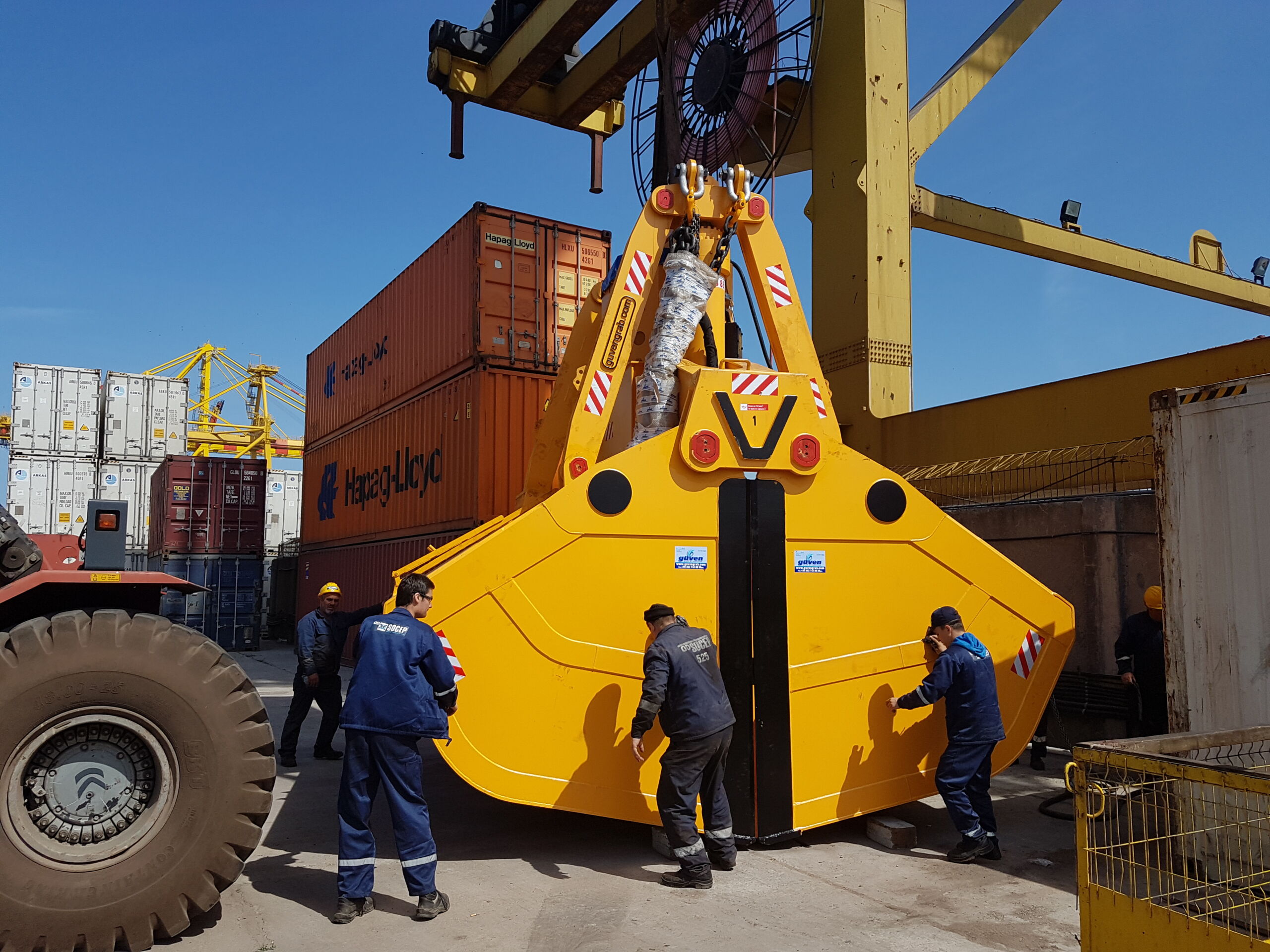
At Güven Grab, each project begins with understanding the client’s crane type, material handled, and operational environment. For ship cranes, this may mean developing a lightweight radio remote grab that maximizes lifting capacity without sacrificing control. For port terminals, it may involve supplying a heavy-duty electro-hydraulic grab reinforced with wear-resistant steel to handle abrasive cargo under continuous duty cycles. Timber, scrap, and bulk cargo each demand different engineering approaches and Güven Grab’s product range covers all these scenarios.
Beyond the technical match, tailoring also extends to practical factors such as power compatibility, duty cycle endurance, and even commercial delivery terms. The result is a grab that does not merely function, but consistently delivers measurable gains in safety, throughput, and cost reduction.
Conclusion
Choosing the right crane grab is not about selecting a generic tool, but about making a strategic investment in operational efficiency, safety, and long-term value. By carefully addressing the nine key questions, from grab type and capacity to power supply and delivery terms, decision-makers can avoid costly mismatches and unlock the full potential of their cranes.
In ports, terminals, and ship operations where every cycle counts, a tailored grab ensures smoother workflow, reduced downtime, and higher profitability. Güven Grab has built its reputation on precisely this principle: delivering custom-engineered solutions that align with the unique demands of each crane and cargo type.
For companies seeking reliability backed by global expertise, the path forward is clear: define your requirements thoroughly, and partner with a manufacturer that knows how to turn those requirements into proven, long-lasting solutions.
Table of Contents