10 Features Of Guven® Radio Remote Control Grab
In bulk cargo operations, efficiency is rarely limited by crane capacity alone. More often, delays originate from auxiliary systems such as electrical connections, hydraulic power units, trailing cables, or unstable grab behavior that disrupts cycle times and affects crane performance. When discharge speed determines demurrage costs and turnaround windows, even small inefficiencies can accumulate into measurable financial impact.
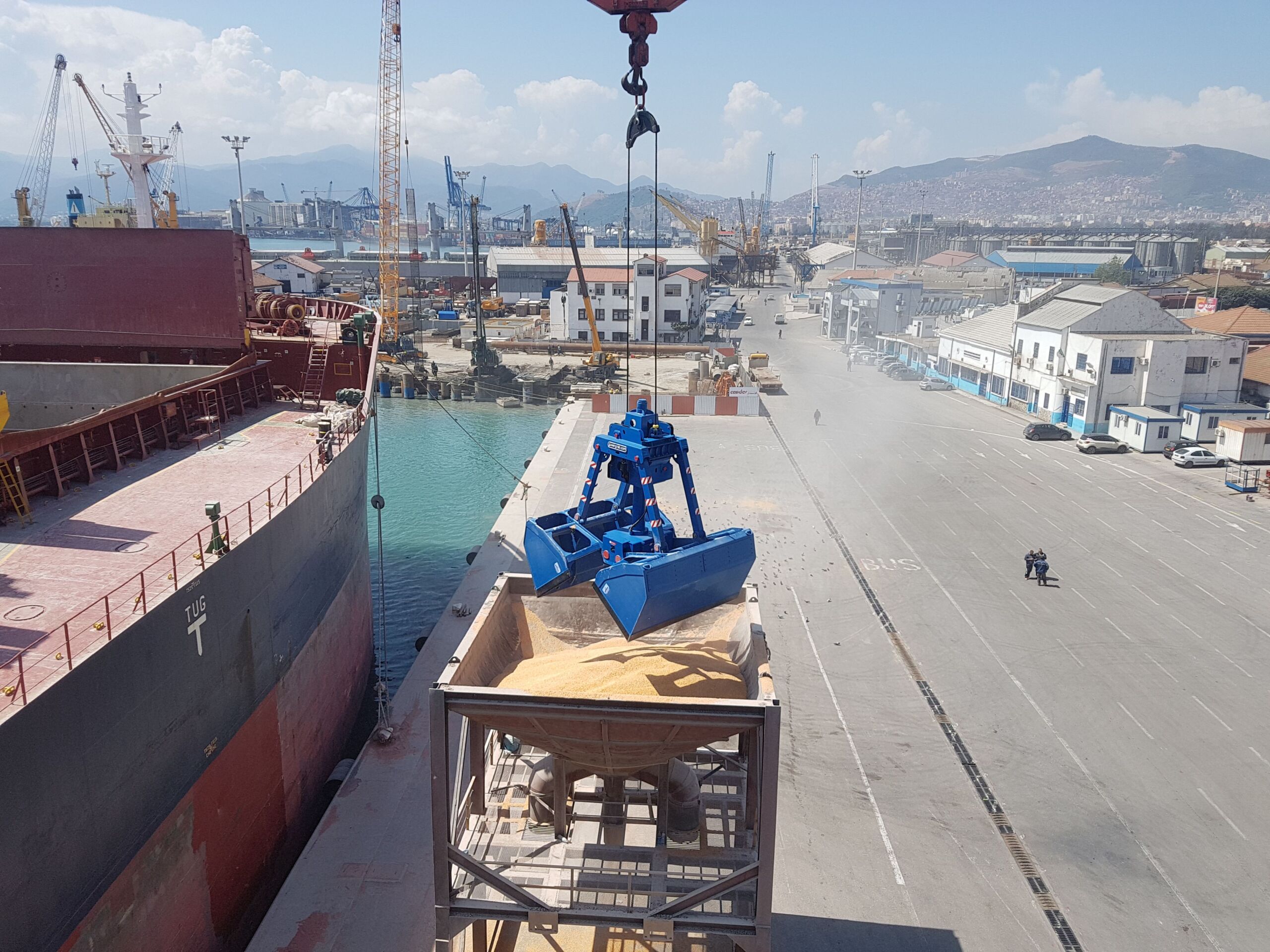
The radio remote control grab has emerged as a practical solution for operators seeking mechanical simplicity without sacrificing performance. By eliminating external power supply requirements, complex wiring, and onboard generators, the Guven® Radio Remote Control Grab introduces a fully self-contained, battery-powered system designed for operational reliability. The result is a remote controlled grab that integrates smoothly with existing cranes while reducing operational risk and maintenance exposure.
The Evolution Of Wireless Grab Technology In Modern Ports
Traditional electro-hydraulic grabs required a constant electrical connection from the crane or vessel. While these systems functioned effectively, they introduced multiple vulnerability points through cables, slip rings, motors, and power transmission components. Over time, port operators began seeking greater operational independence and fewer potential failure points.
The transition toward wireless grab technology for crane applications emerged from a simple but important question. What if the grab did not rely on the crane for energy at all? A self-contained hydraulic unit powered by long-life batteries removes this dependency and simplifies integration. This shift has not only reduced technical complexity but has also changed expectations around reliability and operational safety in modern terminals.
No Motor And Pump
Conventional electro-hydraulic grabs depend on externally powered motors and pumps. These components require a continuous electrical supply and introduce mechanical systems that are subject to wear. The Guven® Radio Remote Control Grab removes this dependency by operating through an internally optimized hydraulic system that does not rely on external motor-driven power transfer.
With fewer moving parts, the system naturally introduces fewer failure points. Maintenance intervals become more predictable instead of reactive. Operators are no longer exposed to downtime caused by motor overheating, electrical faults, or pump malfunctions. Over the lifecycle of the equipment, this structural simplicity contributes to a significant reduction in total ownership cost.
No Cable And Electric Supply
Trailing cables are among the most common operational vulnerabilities in traditional grab systems. They remain exposed to abrasion, tension stress, weather conditions, and accidental mechanical damage. Even a minor cable fault can stop operations completely.
By eliminating cable and electric supply requirements, the Guven® remote controlled grab integrates smoothly with virtually any crane. There are no electrical connectors to align, no cable drums that require maintenance, and no signal interruptions caused by physical wear. This independence improves both operational safety and deployment speed during vessel handling operations.
No Need To Operate Generators
In many vessel-based applications, electro-hydraulic grabs rely on auxiliary generators for power. This setup introduces additional fuel consumption, maintenance requirements, and increased noise levels on deck.
A fully battery-powered system removes the need for deck generators entirely. The grab operates independently, reducing both operational complexity and energy dependency. For shipowners and charterers, this results in a simpler deck configuration and lower fuel-related operating costs.
Opens By Remote Control And Closes On The Ground By Lifting The Crane
The operating logic of the Guven® system is intentionally designed for mechanical reliability. The grab opens through a remote command, and once it is lowered onto the cargo, the closing action is activated naturally by the lifting force of the crane.
This gravity-assisted closing mechanism removes the need for continuous electrical actuation. The design ensures reliable closing performance even under demanding bulk material conditions. Operators benefit from intuitive control while maintaining consistent mechanical performance across repetitive handling cycles.
No Shake To Crane
Crane stability is often overlooked when evaluating grab systems. Yet excessive oscillation and dynamic load transfer can accelerate wear on wire ropes, boom structures, and sheaves.
The centralized cylinder configuration of the Guven® radio remote control grab minimizes pendulum effect during lifting. Load distribution remains balanced, which significantly reduces vibration transmitted to the crane. The result is smoother operating cycles, improved structural protection, and greater operator confidence during high-volume discharge operations.
Operational Stability Comparison
| Feature | Conventional Electro Hydraulic Grab | Guven® Radio Remote Control Grab |
| Cable Influence On Stability | High | None |
| Dynamic Load Oscillation | Moderate To High | Minimized |
| Crane Structural Stress | Elevated Over Time | Reduced |
| Cycle Smoothness | Variable | Consistent |
Operates Up To A 45 Degree Angle Of Cargo With Central Cylinder
Bulk materials rarely form perfectly level surfaces inside vessel holds. Coal, grain, clinker, and fertilizer often settle at steep angles.
The central cylinder design allows effective penetration into cargo slopes of up to 45 degrees. The grab maintains balanced closing force even when material distribution is uneven. This capability improves discharge efficiency during the final cleaning phase of vessel holds, where irregular cargo surfaces typically slow operations.
Works Up To 400 Hours Without Recharging The Batteries
Battery endurance directly affects operational continuity. Frequent charging cycles interrupt workflows and create additional planning constraints.
The Guven® system is engineered to operate for up to 400 hours without recharging under typical working conditions. This extended endurance allows multiple vessel operations to be completed before any interruption is required. In high-throughput terminals, this level of reliability supports consistent performance without the need to schedule downtime for energy management.
Up To 100 Meter Operating Range With Heavy Duty Remote Controller
Industrial environments require robust communication systems. Signal interference, large metal structures, and harsh weather conditions can challenge wireless reliability.
The heavy-duty remote controller provides an operating range of up to 100 meters, allowing operators to maintain safe and flexible positioning. The signal architecture is designed for stability and resistance to interference, enabling reliable operation even within complex port environments.
Can Be Used To Handle Different Types Of Bulk Cargoes
Versatility is essential for terminals handling a wide range of bulk commodities. The same grab configuration must perform reliably across materials such as grain, coal, aggregates, clinker, and similar cargoes.
The Guven® radio remote control grab is engineered with optimized jaw geometry and wear-resistant structural components. This design supports consistent performance across various bulk materials without requiring structural modification. For operators, this flexibility simplifies fleet planning and reduces the need for additional specialized equipment.
No Complicated Electrical System No Special Cards
Advanced electronics can sometimes introduce unnecessary dependency on proprietary components and specialized technicians. When electronic boards fail, sourcing replacements and completing repairs can delay operations.
The Guven® system avoids complex electrical architecture. There are no specialized cards that require unique programming. Troubleshooting remains straightforward, and maintenance teams can carry out routine service without relying on highly specialized electrical expertise.
Frequently Asked Questions
How Often Does The Hydraulic Oil Need To Be Replaced?
Hydraulic oil replacement intervals depend on operational intensity and environmental conditions. Under standard bulk cargo operations, periodic inspection and scheduled replacement aligned with annual maintenance cycles are typically sufficient. Oil analysis can also be used to further optimize replacement timing.
How Long Does The Battery Last On A Single Charge?
The system can operate for up to 400 hours, depending on workload and cycle frequency. Actual endurance may vary based on cargo density and working conditions.
How Long Does It Take To Fully Recharge The Batteries?
A full recharge generally requires several hours, depending on the available charging infrastructure. Scheduling recharging during non-operational periods helps ensure uninterrupted workflow.
What Happens If The Battery Runs Out During Operation?
The system is designed with operational safeguards. In the rare case of complete battery depletion, the grab remains mechanically stable and can be handled safely according to standard operating procedures.
Is The Remote Control Safe In Harsh Industrial Environments?
Yes. The heavy-duty controller is built to withstand dust, vibration, and the demanding conditions commonly encountered in ports and terminals.
Can The Grab Be Used With Different Types Of Cranes?
The grab is compatible with various crane types, including ship cranes, harbor cranes, and mobile cranes, provided lifting capacity requirements are met.
Does The Grab Require Electrical Connection To The Crane?
No electrical connection is required. The grab operates independently through its internal battery system.
Is Special Training Required?
Standard crane operator training is generally sufficient. Familiarization with the remote control functions ensures safe and efficient operation.
How Does The Grab Perform On Angled Cargo Surfaces?
The central cylinder design ensures balanced penetration and closing force even on cargo slopes of up to 45 degrees.
Does Using The Grab Affect Crane Stability?
The minimized oscillation design reduces dynamic load impact and contributes positively to crane stability during operation.
What Maintenance Does The System Require?
Routine inspection of hydraulic components, structural wear parts, and battery condition is recommended. Maintenance procedures remain straightforward and predictable.
Are Spare Parts And Technical Support Available?
Guven® provides global spare parts supply and technical support, helping ensure minimal downtime for international operators.
Simplifying Complexity In Bulk Cargo Operations
In bulk material handling, reliability is achieved not by adding complexity but by eliminating unnecessary dependencies. The Guven® Radio Remote Control Grab demonstrates how removing motors, cables, generators, and complicated electrical systems can deliver measurable operational advantages.
For operators seeking a durable and efficient remote controlled grab, the question becomes straightforward: is your current system supporting operational efficiency, or limiting it through avoidable complexity? A simplified system is not a compromise. In modern port operations, it is often the most strategic decision.
Table of Contents
- The Evolution Of Wireless Grab Technology In Modern Ports
- No Motor And Pump
- No Cable And Electric Supply
- No Need To Operate Generators
- Opens By Remote Control And Closes On The Ground By Lifting The Crane
- No Shake To Crane
- Operates Up To A 45 Degree Angle Of Cargo With Central Cylinder
- Works Up To 400 Hours Without Recharging The Batteries
- Up To 100 Meter Operating Range With Heavy Duty Remote Controller
- Can Be Used To Handle Different Types Of Bulk Cargoes
- No Complicated Electrical System No Special Cards
- Frequently Asked Questions
- Simplifying Complexity In Bulk Cargo Operations